
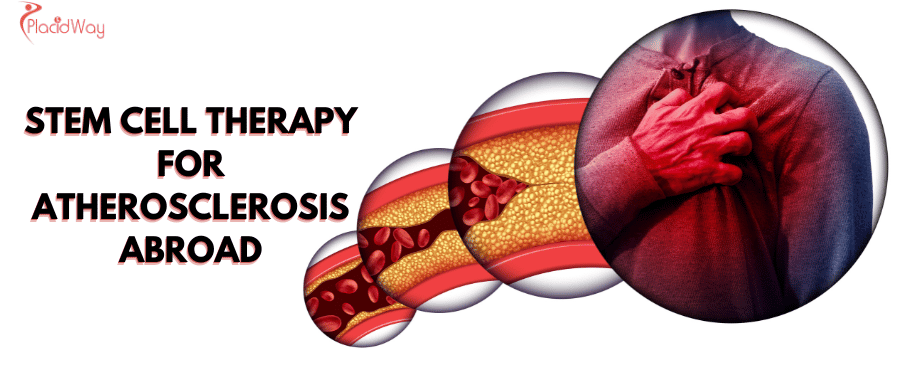
Reclaim Your Heart Health: Exploring Stem Cell Therapy for Atherosclerosis
Atherosclerosis, often called the "hardening of the arteries," is a silent threat that impacts millions worldwide. It’s a progressive disease where plaque builds up inside your arteries, narrowing them and restricting blood flow to vital organs. This can lead to serious conditions like heart attacks, strokes, and peripheral artery disease. For many, traditional treatments offer management but not always a complete solution, leaving patients searching for more advanced and restorative options.
Imagine a treatment that not only manages the symptoms but actively works to repair the damage and clear your arteries. This is the promise of Stem Cell Therapy for Atherosclerosis. This cutting-edge regenerative medicine approach harnesses the incredible power of your body's own stem cells to promote healing, reduce inflammation, and even potentially reverse some of the arterial plaque buildup.
If you or a loved one are grappling with the challenges of atherosclerosis and exploring advanced solutions, you're not alone. Patients globally are now turning to innovative therapies like stem cell treatment, often considering options abroad where specialized care, leading research, and more affordable costs converge. This comprehensive guide will explore how stem cell therapy can offer a new path forward, covering everything from understanding the condition to navigating treatment options worldwide. We'll delve into the science, eligibility, costs, and what to expect on your journey to better cardiovascular health.
What are the warning signs of atherosclerosis to look out for?
Recognizing the symptoms of atherosclerosis is crucial, as early intervention can make a significant difference. Unfortunately, atherosclerosis often progresses silently for years, with no noticeable symptoms until an artery is severely narrowed or completely blocked. When symptoms do appear, they depend on which arteries are affected:
- Heart (Coronary Arteries): This can lead to coronary artery disease, causing symptoms like:
- Angina: Chest pain or discomfort, often triggered by exertion and relieved by rest. It might feel like pressure, tightness, or squeezing.
- Shortness of breath: Especially during physical activity.
- Fatigue: Unusual tiredness.
- Heart attack: A severe and sudden event, often indicated by crushing chest pain, pain radiating to the arm, jaw, or back, sweating, nausea, and severe shortness of breath.
- Brain (Carotid Arteries): Narrowing of these arteries can lead to cerebrovascular disease and increase stroke risk, with symptoms including:
- Sudden numbness or weakness: In the face, arm, or leg, often on one side of the body.
- Difficulty speaking or understanding speech: Slurred speech (dysarthria) or confusion.
- Sudden vision problems: In one or both eyes.
- Sudden dizziness or loss of balance: Vertigo or unexplained falls.
- Severe headache: With no known cause.
- Arms and Legs (Peripheral Arteries): Known as peripheral artery disease (PAD), symptoms typically affect the legs:
- Intermittent claudication: Leg pain, cramping, or numbness that occurs with activity and goes away with rest.
- Coldness in the lower leg or foot: Especially compared to the other side.
- Sores on the toes, feet, or legs: That won't heal.
- A change in the color of your legs: Pale or bluish discoloration.
- Hair loss or slower hair growth: On the legs and feet.
- Kidneys (Renal Arteries): Blockage here can lead to renovascular disease, causing:
- High blood pressure: That is difficult to control.
- Kidney failure: In severe cases.
If you experience any of these "clogged artery symptoms" or suspect you're at risk, consulting a doctor promptly is vital. Don't wait for a crisis to address your heart health.
What causes atherosclerosis and who is most at risk?
Atherosclerosis begins with damage to the inner lining of an artery, called the endothelium. This damage can be caused by several factors, which then trigger a cascade of events leading to plaque formation. Think of it like a small scratch on a smooth pipe that then attracts debris.
The main causes and "risk factors for heart disease" include:
- High Blood Pressure (Hypertension): Excess pressure on artery walls can damage the delicate lining, making it more susceptible to plaque buildup.
- High Cholesterol: Specifically, high levels of low-density lipoprotein (LDL) cholesterol, often called "bad" cholesterol, contribute to plaque formation. Triglycerides also play a role.
- Smoking and Vaping: Nicotine and other chemicals in tobacco and vape products severely damage artery walls, accelerate plaque buildup, and make blood more prone to clotting.
- Diabetes: High blood sugar levels contribute to endothelial damage and inflammation, increasing the risk of atherosclerosis significantly.
- Obesity: Being overweight or obese often correlates with other risk factors like high blood pressure, high cholesterol, and diabetes.
- Lack of Physical Activity: A sedentary lifestyle contributes to obesity, high blood pressure, and high cholesterol.
- Unhealthy Diet: Diets high in saturated and trans fats, cholesterol, sodium, and sugar can exacerbate all the above risk factors.
- Age: As you age, your arteries naturally become less elastic and more prone to damage. Men are at higher risk after age 45, and women after 55.
- Family History of Heart Disease: If your parents or siblings developed heart disease early, your risk increases.
- Inflammation: Chronic inflammation from conditions like arthritis, lupus, or infections can contribute to atherosclerosis.
Understanding these "causes of plaque buildup" is the first step toward prevention and effective management. While some factors like age and genetics are beyond our control, many others can be managed through lifestyle changes and medical treatment.
How does stem cell therapy work to treat atherosclerosis?
Stem cell therapy for atherosclerosis represents a paradigm shift in how we approach this chronic condition. Instead of just managing symptoms, this "regenerative medicine for clogged arteries" aims to address the root causes of arterial damage and promote actual healing. The process typically involves:
- Cell Harvesting: Stem cells are usually harvested from the patient's own body (autologous), most commonly from bone marrow or adipose (fat) tissue. This minimizes the risk of rejection.
- Cell Processing: The harvested tissue is then processed in a lab to isolate and concentrate the specific types of stem cells, such as mesenchymal stem cells (MSCs) or progenitor cells, known for their regenerative properties.
- Cell Administration: The concentrated stem cells are then delivered back into the patient's body. This can be done through various methods:
- Intravenous (IV) Infusion: Cells are injected directly into the bloodstream, allowing them to circulate throughout the body and home in on damaged areas.
- Intracoronary Injection: In some cases, cells may be delivered directly into the coronary arteries via a catheter, targeting the heart more precisely.
- Intramyocardial Injection: Direct injection into the heart muscle during surgery.
Once administered, these "stem cell treatment for atherosclerosis mechanism" cells get to work:
- Anti-inflammatory Effects: Stem cells secrete powerful anti-inflammatory molecules that can reduce the chronic inflammation central to atherosclerosis development.
- Immunomodulation: They can modulate the immune response, preventing the body from further attacking and damaging artery walls.
- Vascular Repair: Stem cells contribute to repairing the damaged endothelium, restoring the smooth lining of the arteries.
- Angiogenesis: They stimulate the growth of new, healthy blood vessels (collaterals), which can bypass partially blocked arteries and improve blood flow to deprived tissues.
- Plaque Stabilization/Regression: While research is ongoing, stem cells may help stabilize existing plaque, making it less prone to rupture, and some studies suggest they might even contribute to a reduction in plaque volume or change its composition to be less harmful.
- Improved Function: Ultimately, these actions lead to improved blood flow, reduced symptoms, and better overall cardiovascular function.
This approach offers hope for patients seeking an "alternative to angioplasty stem cells" or bypass surgery, especially those with diffuse disease or who are not candidates for traditional surgical interventions.
Am I a suitable candidate for stem cell therapy for atherosclerosis?
Determining if you are a "suitable candidate for stem cell therapy for atherosclerosis" requires a comprehensive evaluation by a medical specialist. While stem cell therapy holds great promise, it's not universally appropriate for everyone. Here are general criteria often considered:
- Diagnosis of Atherosclerosis: You must have a confirmed diagnosis of atherosclerosis, often impacting coronary arteries, peripheral arteries, or cerebral arteries, causing significant symptoms or functional impairment.
- Severity of Disease: Patients typically considered are those with stable, but symptomatic, disease where traditional treatments (medication, lifestyle changes) are not fully effective, or those who have exhausted conventional options. This might include:
- Chronic stable angina
- Peripheral artery disease (PAD) with intermittent claudication or non-healing ulcers
- History of myocardial infarction or stroke, aiming to improve recovery and prevent recurrence.
- Overall Health Status: Candidates should generally be in good overall health, free from active infections, uncontrolled severe medical conditions (like advanced cancer or uncontrolled autoimmune disorders), or severe organ dysfunction.
- Realistic Expectations: Patients must have a clear understanding of the therapy, its potential benefits, limitations, and the current stage of research.
- Not a Candidate for Conventional Surgery: Some patients who are deemed too high-risk for traditional procedures like bypass surgery or angioplasty may explore stem cell therapy as a less invasive "alternative to bypass surgery."
- Availability of Suitable Stem Cells: For autologous (patient's own) stem cell therapy, the patient must have healthy enough bone marrow or adipose tissue for extraction.
Conditions that might exclude you from being a candidate include active cancer, severe kidney or liver disease, active infections, or certain blood disorders. It's essential to undergo a thorough medical history review, physical examination, and diagnostic tests (such as angiograms, MRIs, CT scans, and blood tests) to assess your specific condition and suitability. Always consult with a qualified physician specializing in regenerative medicine to see if you "qualify for stem cell therapy heart."
What should I expect during recovery after stem cell therapy for atherosclerosis?
The "recovery time for stem cell therapy" for atherosclerosis can vary depending on the method of stem cell delivery and the specific protocol used by the clinic. Generally, it's considered less invasive than traditional surgical options.
- Immediate Post-Procedure:
- Intravenous (IV) Infusion: If stem cells are delivered via IV, recovery is usually very quick. Patients typically experience minimal discomfort, perhaps some fatigue or a mild headache. You can often resume light activities within a day.
- Intracoronary/Intramyocardial Injection: If a catheter-based or surgical approach is used, recovery might involve a hospital stay of 1-3 days. You may feel some soreness at the injection site or mild chest discomfort. Activity restrictions will be guided by your physician, usually involving avoiding strenuous activity for a few days to a week.
- Harvest Site (for autologous cells): If bone marrow or fat is harvested, you might experience some localized soreness, bruising, or mild discomfort for a few days at the harvest site.
- Short-Term Expectations (Weeks 1-4):
- You'll likely be advised to avoid heavy lifting or vigorous exercise for a short period to allow your body to heal.
- It's crucial to follow all post-procedure instructions, including any prescribed medications or wound care (if applicable).
- You might not feel immediate changes, as the stem cells need time to integrate and exert their regenerative effects.
- Long-Term Expectations (Months 1-6+):
- The regenerative effects of stem cells typically unfold gradually. Patients often report improvements in symptoms like angina, claudication, energy levels, and overall quality of life over several weeks to months.
- Follow-up appointments and diagnostic tests (e.g., echocardiograms, stress tests, angiograms) will be scheduled to monitor your progress and assess the success of the treatment, such as improved blood flow or changes in plaque burden.
- Maintaining a heart-healthy lifestyle – diet, exercise, stress management, and adherence to other medications – remains critical for sustained benefits and to prevent further disease progression. "Lifestyle after atherosclerosis treatment" is key to long-term success.
It’s important to remember that stem cell therapy is not a "magic bullet," but a powerful tool to enhance the body’s healing capacity. Individual results can vary, and open communication with your medical team about your "after stem cell treatment heart" expectations is vital.
What are the potential risks and side effects of stem cell therapy for atherosclerosis?
Like any medical procedure, "stem cell therapy for atherosclerosis" carries potential risks and side effects, though it's generally considered to be a safe procedure, especially when using autologous (patient's own) cells. Transparency about these factors is crucial when considering treatment.
- Risks Associated with Cell Harvest (if autologous):
- Pain, bruising, or swelling: At the site where bone marrow (pelvic bone) or fat (abdomen/thighs) is extracted.
- Infection: Any breach of the skin carries a small risk of infection.
- Bleeding: Minor bleeding at the harvest site.
- Risks Associated with Cell Administration:
- Pain or discomfort: At the injection site (IV or localized).
- Bruising or swelling: At the injection site.
- Infection: A rare risk with any injection.
- Allergic reaction: Though rare, especially with autologous cells.
- Fever or flu-like symptoms: Mild and temporary, sometimes occurring as the body reacts to the cells.
- Complications from catheterization (if used): Risks such as bleeding, vessel damage, or adverse reactions to contrast dye.
- Theoretical/Long-Term Risks:
- Tumor formation: This is a highly publicized theoretical concern, particularly with embryonic stem cells. However, with adult mesenchymal stem cells (MSCs) typically used for atherosclerosis, the risk is considered extremely low, with no conclusive evidence of tumor formation in clinical trials to date.
- Unintended cell differentiation: The possibility of cells differentiating into unwanted tissue types, though controlled environments and specific cell types aim to minimize this.
- Exacerbation of pre-existing conditions: Unlikely but always a consideration.
It's vital to discuss all potential "stem cell therapy dangers" and side effects thoroughly with your medical provider. A reputable clinic will conduct a thorough screening to minimize risks and ensure you are an appropriate candidate. They should also detail their safety protocols, accreditation, and the specific type of cells used.
How much does stem cell therapy for atherosclerosis cost globally?
The "cost of stem cell therapy for atherosclerosis" is a significant consideration for many patients, especially since it's often not covered by standard insurance in many countries. Prices can vary dramatically based on several factors:
- Country/Region: Developed countries like the US or Western Europe typically have higher costs due to higher operating expenses, regulatory environments, and research investments. Countries known for medical tourism often offer more "affordable stem cell treatment abroad."
- Clinic's Reputation and Expertise: Highly specialized clinics with extensive experience, advanced technology, and renowned physicians may charge more.
- Type of Stem Cells Used: Autologous (patient's own) stem cells might have different costs than allogeneic (donor) cells, though autologous are more common for atherosclerosis.
- Treatment Protocol: The number of stem cell injections, the dosage, the method of administration (e.g., IV vs. intracoronary), and the duration of the treatment plan all influence the final price.
- Included Services: Some packages include initial consultations, diagnostic tests, post-treatment follow-up, accommodation, and transportation, while others only cover the procedure itself.
Global Cost Comparison (Estimated Ranges in USD):
| Country | Estimated Cost Range (per treatment cycle) | Notes |
|---|---|---|
| United States | $15,000 - $35,000+ | Higher cost, strict regulations, often for specific conditions or clinical trials. |
| Germany | $12,000 - $28,000 | Known for high-quality medical standards and research. |
| Mexico | $7,000 - $18,000 | Popular for medical tourism, often more accessible pricing. |
| India | $6,000 - $15,000 | Emerging medical tourism hub with competitive pricing and skilled doctors. |
| Thailand | $8,000 - $18,000 | Excellent medical facilities, often combined with tourism packages. |
| South Korea | $10,000 - $25,000 | Advanced medical technology and research, growing medical tourism. |
These figures are estimates and can fluctuate. It's crucial to get a detailed, individualized quote from any clinic you consider, ensuring all aspects of your treatment and associated costs are clearly outlined. Always factor in travel, accommodation, and post-procedure care expenses when calculating the total "stem cell therapy prices."
Why consider traveling abroad for atherosclerosis stem cell therapy?
The decision to seek medical treatment abroad, often referred to as "medical tourism," is becoming increasingly common, particularly for advanced and specialized procedures like stem cell therapy for atherosclerosis. Here are compelling reasons why patients choose to travel:
- Access to Innovative Treatments: Some cutting-edge stem cell therapies or specific protocols may not yet be approved or widely available in your home country due to different regulatory frameworks. Traveling abroad can provide access to these newer approaches sooner.
- Cost Savings: As seen in the cost comparison, the "cost of stem cell treatment for heart disease" can be significantly lower in certain countries without compromising on quality. This can make life-changing treatments more financially accessible for many.
- Shorter Wait Times: In countries with universal healthcare systems, or those with high demand, waiting lists for specialized procedures can be lengthy. Medical tourism destinations often offer quicker access to appointments and treatment schedules.
- Leading Specialists and Technology: Many international clinics are at the forefront of regenerative medicine research and practice, boasting highly skilled physicians and state-of-the-art facilities. You can benefit from the expertise of doctors who specialize in "stem cell therapy abroad benefits" for cardiovascular conditions.
- Privacy and Anonymity: For some, seeking treatment away from home offers a greater sense of privacy and anonymity.
- Comprehensive Packages: Many clinics catering to international patients offer all-inclusive packages that cover treatment, accommodation, local transport, and even interpreter services, simplifying the logistical aspects of your trip.
- Combination with Tourism: For those well enough, the journey can also offer an opportunity to experience a new culture and recover in a serene environment, turning a medical trip into a holistic experience.
For patients facing a chronic and potentially life-threatening condition like atherosclerosis, exploring global options can open doors to effective treatments that might otherwise be out of reach.
Which countries are recognized for offering advanced stem cell therapy for atherosclerosis?
Several countries have established themselves as hubs for advanced "stem cell therapy for atherosclerosis," attracting international patients seeking quality care and innovative treatments. These nations often combine strong medical infrastructure with favorable regulations or competitive pricing.
- Germany: Renowned for its rigorous medical standards, cutting-edge research, and highly qualified specialists. German clinics often employ advanced diagnostic tools and personalized treatment plans, making it a top choice for those seeking "stem cell treatment Germany."
- Mexico: A popular destination for medical tourism, especially for North Americans, due to its proximity, affordability, and a growing number of reputable clinics. Many "stem cell therapy Mexico" clinics offer advanced regenerative treatments with streamlined processes.
- India: Emerging as a significant player in medical tourism, India provides state-of-the-art medical facilities, highly trained doctors, and significantly lower costs for a wide range of procedures, including "stem cell therapy India."
- Thailand: Known for its world-class hospitals, excellent patient care, and a booming medical tourism sector. Thai clinics often offer comprehensive packages and a holistic approach to patient well-being, attracting those looking for "stem cell treatment Thailand."
- South Korea: A leader in biomedical research and technology, South Korea boasts highly advanced medical facilities and innovative stem cell therapies. The country is making significant strides in regenerative medicine and is increasingly popular among global patients.
- Other Notable Countries: Countries like Turkey, Spain, and Panama also have clinics offering various stem cell therapies, often focusing on specific conditions or employing unique protocols.
When considering "where to get stem cell therapy abroad," it’s important to research specific clinics within these countries, looking for transparent accreditation, doctor qualifications, and patient testimonials related to atherosclerosis treatment.
How can I ensure safety and quality when seeking stem cell treatment abroad?
Ensuring the safety and quality of "stem cell treatment abroad" is paramount. While many international clinics offer excellent care, it’s crucial to conduct thorough due diligence to avoid unregulated practices. Here’s how you can make an informed decision:
- Verify Accreditations and Certifications:
- Look for international accreditations like Joint Commission International (JCI), which signifies adherence to global healthcare standards.
- Check for local governmental licenses and approvals for stem cell therapy.
- Ensure the clinic follows Good Manufacturing Practices (GMP) for cell processing and Good Clinical Practices (GCP) for patient care.
- Research Physician Qualifications and Experience:
- Confirm that the doctors performing the procedure are board-certified and have extensive experience in regenerative medicine and cardiology.
- Ask about their specific experience with "stem cell therapy for atherosclerosis."
- Inquire about their affiliations with medical societies or research institutions.
- Demand Treatment Transparency:
- A reputable clinic will provide a detailed, individualized treatment plan, including the type of stem cells used (e.g., autologous MSCs), the source, dosage, method of administration, and expected outcomes.
- Ask about their safety protocols, emergency procedures, and long-term follow-up care.
- Be wary of clinics that promise guaranteed cures or offer vague, non-specific treatments.
- Read Patient Reviews and Testimonials:
- Seek out independent patient reviews and success stories. While individual results vary, consistent positive feedback can indicate a trustworthy clinic.
- Look for evidence of "patient success stories from abroad" specifically for atherosclerosis treatment.
- Consider Medical Tourism Facilitators:
- Companies like PlacidWay specialize in connecting patients with accredited and reputable international clinics. They can help you navigate options, get quotes, arrange travel, and provide support throughout your medical journey, ensuring a "safe medical tourism stem cells" experience.
- Ask About Clinical Trials and Research:
- Inquire if the clinic is involved in ongoing clinical trials or research related to stem cell therapy for atherosclerosis, which can indicate a commitment to advancing the field.
By taking these steps, you can significantly increase your chances of finding a high-quality, safe, and effective stem cell treatment abroad for your atherosclerosis.
Take the Next Step with PlacidWay
Ready to explore treatment options abroad? Discover top clinics, compare prices, and get a free quote tailored to your needs with PlacidWay.
Stem Cell Therapy Abroad


.png)
.png)
.png)

Share this listing