
Reclaim Your Youth: Discovering Botox for Wrinkles & Beyond
Are you noticing the tell-tale signs of aging – those stubborn forehead lines, crow's feet, or frown lines that seem to etch themselves deeper with every expression? Or perhaps you're seeking relief from chronic migraines or excessive sweating? If these concerns resonate with you, you're not alone. Many individuals worldwide are exploring solutions like Botox treatments, a highly popular and effective procedure known for its versatility in both cosmetic enhancement and therapeutic applications.
Botox, short for Botulinum Toxin, is a neurotoxin produced by the bacterium Clostridium botulinum. When administered in tiny, controlled doses, it works by temporarily blocking nerve signals in the muscles where it's injected. This relaxation of muscles leads to a smoother skin surface and can alleviate muscle-related medical conditions. Often searched online as "what is Botox for," "Botox for wrinkles," or "Botox anti-aging injections," its appeal lies in its ability to offer a refreshed, more youthful appearance without the need for invasive surgery, and provide significant relief for certain medical ailments.
Understanding the symptoms and causes associated with the conditions Botox treats is key. For cosmetic purposes, wrinkles and fine lines are primarily caused by repeated facial expressions over time, combined with factors like sun exposure, genetics, and the natural loss of collagen and elastin as we age. Therapeutically, conditions like migraines and hyperhidrosis (excessive sweating) have complex physiological causes, but Botox can disrupt the nerve pathways responsible for these symptoms. If you've been asking "Is Botox right for me?" or "How does Botox work?", this comprehensive guide will walk you through everything you need to know, including why medical tourism might be an excellent option for you.
What signs indicate I might benefit from Botox for cosmetic concerns?
When considering Botox for cosmetic enhancement, the primary indicators are the presence of "dynamic wrinkles." These are lines that appear or deepen with facial expressions, such as smiling, frowning, or squinting. Common areas include:
- Forehead Lines: Horizontal lines across the forehead that appear when you raise your eyebrows. Many patients search for "Botox for forehead wrinkles."
- Glabellar Lines (Frown Lines): Often called "11 lines," these are vertical lines between the eyebrows that become prominent when you frown or concentrate. These are frequently targeted with "Botox for frown lines."
- Crow's Feet: Fine lines radiating from the outer corners of the eyes, which become noticeable when you smile or squint. "Botox for crow's feet" is a very popular search term.
- Bunny Lines: Wrinkles on the sides of the nose that appear when you scrunch your nose.
- Marionette Lines & Downturned Mouth: Botox can sometimes be used off-label to slightly lift the corners of the mouth or soften lines around the mouth.
While Botox primarily addresses dynamic wrinkles, early intervention can also help prevent static wrinkles (lines visible even when your face is relaxed) from forming or worsening by reducing repetitive muscle movements. If you're wondering "when is the best time to start Botox," many begin in their late 20s or 30s as a preventative measure.
What causes the common wrinkles and lines that Botox effectively treats?
The formation of wrinkles and lines, particularly those treated by Botox, is a multi-faceted process:
- Repetitive Muscle Contractions: Every time you smile, frown, or squint, the muscles beneath your skin contract. Over years, these repeated movements cause the skin to fold in the same places, eventually leading to permanent lines, much like folding a piece of paper repeatedly creates a crease.
- Aging: As we age, our skin naturally loses collagen and elastin – the proteins responsible for its firmness and elasticity. The skin also becomes thinner and loses its ability to retain moisture, making it more prone to wrinkling.
- Sun Exposure: Ultraviolet (UV) radiation from the sun is a major contributor to premature aging. It breaks down collagen and elastin fibers, leading to a loss of skin structure and increased wrinkling. This is why "Botox for sun damage" is sometimes discussed, though Botox treats the resulting lines, not the damage itself.
- Genetics: Your genetic makeup plays a significant role in how and when your skin ages, including your propensity for wrinkles.
- Lifestyle Factors: Smoking accelerates the aging process, restricting blood flow to the skin and damaging collagen. Poor diet, dehydration, and lack of sleep can also negatively impact skin health and contribute to wrinkle formation.
Botox works by addressing the root cause of dynamic wrinkles – the muscle contractions – by temporarily paralyzing the specific muscles responsible for those movements.
Beyond cosmetic improvements, what other medical conditions can Botox treat?
While often associated with cosmetic enhancements, Botox has a rich history and numerous applications in medical treatments, leading many to search for "Botox for migraines" or "Botox for sweating." Its ability to block nerve signals makes it highly effective for conditions involving muscle overactivity or nerve-related pain:
- Chronic Migraines: Botox is approved for adults who experience chronic migraines (15 or more headache days a month, with at least 8 being migraines). It's believed to block pain signals before they reach the brain.
- Severe Primary Axillary Hyperhidrosis (Excessive Sweating): When antiperspirants fail, Botox injections can significantly reduce underarm sweating by blocking the chemical signals from the nerves that stimulate sweat glands. People often look for "Botox for excessive sweating."
- Cervical Dystonia: A neurological disorder causing severe neck and shoulder muscle spasms, leading to painful, abnormal head positions. Botox helps relax these muscles.
- Blepharospasm: Involuntary twitching or spasms of the eyelids. Botox can relax the muscles around the eyes, providing relief.
- Strabismus (Crossed Eyes): Botox can temporarily paralyze specific eye muscles to help realign the eyes.
- Overactive Bladder: For certain patients, Botox can be injected into the bladder muscle to reduce episodes of urinary incontinence.
These therapeutic uses highlight the broad and profound impact Botox can have on improving quality of life for individuals suffering from various conditions, extending far beyond just aesthetic concerns.
Am I an ideal candidate for Botox injections?
Determining if you're a good candidate for Botox involves a consultation with a qualified medical professional. However, some general guidelines apply:
- Age: Most candidates are adults over 18. While there's no "best age for Botox," many start in their late 20s or 30s for preventative measures, or whenever dynamic wrinkles become noticeable and bothersome.
- Good Health: You should be in good overall physical health.
- Specific Concerns: You have dynamic wrinkles you wish to soften, or a medical condition (like chronic migraines or hyperhidrosis) that has been diagnosed and for which Botox is a recognized treatment.
- Realistic Expectations: Understanding that Botox provides temporary results (typically 3-6 months) and aims for improvement, not perfection, is crucial.
- No Contraindications: You are not pregnant or breastfeeding, as the effects of Botox on a fetus or infant are unknown. You should also not have a neurological disease (like ALS, Myasthenia Gravis, or Lambert-Eaton syndrome) or an allergy to any component of Botox (e.g., albumin).
- No Active Infections: The injection sites should be free from any skin infections.
A thorough medical history and facial analysis by an experienced practitioner are essential to assess your suitability and create a personalized treatment plan.
What can I expect during the Botox procedure and recovery period?
The Botox experience is generally straightforward and convenient, making it a popular "lunchtime procedure."
During the Procedure:
- Consultation: You'll discuss your goals and medical history with the practitioner.
- Preparation: The treatment area will be cleaned. A topical numbing cream or ice may be applied to minimize discomfort, though most patients find the injections tolerable.
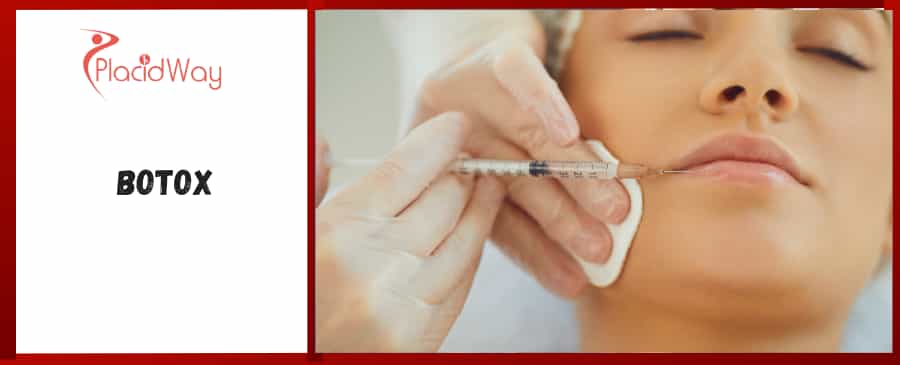
- Injections: Using a very fine needle, the practitioner will inject small amounts of Botox into the targeted muscles. The number of injections depends on the area being treated and the desired results. For example, "Botox for forehead" typically involves several injections.
- Duration: The actual injection process usually takes only 10-20 minutes.
Recovery and Expectations:
- Immediate Aftermath: You might experience mild redness, swelling, or tiny bruises at the injection sites, which usually subside within a few hours to a day.
- Activity: You can typically resume most normal activities immediately after. However, it's advised to avoid vigorous exercise, lying down flat, rubbing the treated area, or wearing tight headgear for a few hours to prevent the Botox from migrating.
- When Do Results Appear?: The effects of Botox are not immediate. You'll typically start to see results within 3-7 days, with full results visible around 10-14 days after treatment.
- How Long Does Botox Last?: The effects usually last for 3 to 6 months. As the muscle activity gradually returns, wrinkles and lines will reappear, signaling the need for a follow-up treatment to maintain results. Many people search "how long does Botox last" to manage their expectations.
What are the potential risks and side effects associated with Botox?
Botox is considered a safe procedure when performed by a qualified and experienced practitioner. However, like any medical treatment, it carries some potential risks and side effects. Most are mild and temporary:
Common, Mild Side Effects:
- Bruising, Swelling, or Redness: These are the most common reactions at the injection site and usually resolve within a few days.
- Headache: Some individuals report a mild headache after treatment, which typically resolves within 24-48 hours.
- Mild Nausea: Infrequent and usually short-lived.
Less Common, More Significant Risks:
- Eyelid Drooping (Ptosis) or Eyebrow Drooping: This is a temporary condition that can occur if the Botox migrates to unintended muscles, particularly after injections near the eyes or forehead. It typically resolves as the Botox wears off (weeks to months). This is why choosing an experienced injector is paramount.
- Asymmetry: Uneven results can occur if Botox is not precisely injected, leading to one side of the face appearing different from the other.
- Dry Eyes or Excessive Tearing: Rare, especially with injections around the eyes.
- Allergic Reactions: Though rare, severe allergic reactions (e.g., hives, asthma symptoms, dizziness) are possible.
- Flu-like Symptoms: Very occasionally, patients may experience general malaise.
When searching "is Botox safe?", rest assured that serious complications are rare, especially when administered by a board-certified dermatologist, plastic surgeon, or trained medical professional. Always disclose your full medical history and medications to your provider to minimize risks.
How does the cost of Botox compare across different countries?
The cost of Botox is highly variable, influenced by factors such as the country, city, clinic reputation, practitioner's experience, the number of units required, and whether it's for cosmetic or therapeutic purposes. Many people search for "Botox cost overseas" or "cheapest Botox abroad" to find more affordable options.
| Country | Average Cost per Unit (USD) | Average Cost per Area (e.g., Forehead, USD) | Notes on Value/Quality |
|---|---|---|---|
| United States | $10 - $20 | $300 - $800+ | Highest costs, but often high regulatory standards and experienced practitioners. |
| United Kingdom | $10 - $18 | $250 - $700+ | Similar to US, slightly lower in some clinics. |
| Turkey | $5 - $10 | $150 - $400 | Highly popular for medical tourism; significant savings, good quality clinics. |
| Mexico | $6 - $12 | $180 - $450 | Convenient for US patients; competitive pricing with reputable clinics. |
| Thailand | $7 - $13 | $200 - $500 | Strong medical tourism infrastructure; excellent service quality, often bundled with vacation. |
| South Korea | $5 - $10 | $150 - $400 | Leader in aesthetic procedures, innovative techniques, competitive pricing. |
*Note: Prices are estimates and can vary. Always get a personalized quote. Unit prices are for original Botox, other brands like Dysport or Xeomin may have different unit conversions and pricing.
Why should I consider getting my Botox treatment abroad?
The decision to seek medical treatment abroad, especially for procedures like Botox, is becoming increasingly popular, often searched as "Botox medical tourism" or "travel for Botox." Here are compelling reasons why individuals choose this path:
- Significant Cost Savings: As shown in the table above, the most prominent driver is often the cost. Countries like Turkey, Mexico, and South Korea offer Botox at a fraction of the price found in North America or Western Europe, without compromising on quality.
- Access to High-Quality Care and Expertise: Many international clinics specialize in aesthetic procedures and employ highly skilled, internationally trained practitioners. These facilities often boast state-of-the-art technology and adhere to international safety standards.
- Reduced Waiting Times: In some countries, getting an appointment for cosmetic procedures can involve long waits. Abroad, you might find more immediate availability.
- Privacy and Anonymity: For those who prefer discretion, getting cosmetic treatments in a different country can offer a level of privacy not available at home.
- Combination with Travel/Vacation: "Botox and vacation" is a growing trend. You can combine your treatment with a relaxing holiday, allowing for discreet recovery and an enhanced overall experience.
- Innovative Techniques: Certain regions, like South Korea, are at the forefront of aesthetic medicine, often developing and utilizing advanced techniques.
Which international destinations are popular for high-quality, affordable Botox?
Several countries have emerged as leading destinations for "Botox overseas" due to their combination of affordability, quality, and established medical tourism infrastructure:
- Turkey: Particularly Istanbul and Antalya, are renowned for their highly competitive pricing and modern clinics. Turkish doctors are often well-trained, and the country offers a rich cultural experience. Many travelers specifically look for "Botox in Turkey."
- Mexico: Border cities like Tijuana and resorts like Cancun are popular for North Americans seeking convenient and cost-effective cosmetic procedures. Clinics often cater specifically to international patients. "Botox in Mexico" is a frequent search for those close to the border.
- Thailand: Known for its exceptional hospitality and advanced medical facilities, Thailand (especially Bangkok and Phuket) provides a luxurious medical tourism experience at a lower cost. English is widely spoken in medical settings.
- South Korea: A global leader in aesthetic medicine, South Korea offers cutting-edge techniques and highly specialized clinics, often at prices significantly lower than Western countries. Their focus on precision and natural results is a draw.
- Colombia: Cities like Medellin and Bogota are gaining recognition for skilled plastic surgeons and dermatologists, offering quality care at affordable rates in a beautiful setting.
When choosing a destination, it's vital to research specific clinics, read patient reviews, and verify practitioner credentials.
What essential steps should I take when planning Botox medical tourism?
Planning for medical tourism, even for a relatively minor procedure like Botox, requires careful preparation to ensure a smooth and safe experience. Here’s what to consider:
- Thorough Research: Start by researching potential clinics and practitioners in your chosen destination. Look for clinics that specialize in aesthetic procedures and have high patient satisfaction rates. Don't just search "Botox clinics abroad," but delve into their specific offerings.
- Verify Credentials: Ensure the practitioner is board-certified and has extensive experience with Botox injections. Look for international accreditations if available.
- Virtual Consultation: Arrange for a video consultation with the clinic's doctor. This allows you to discuss your goals, ask questions, and gauge their communication style and expertise before you travel.
- Understand All Costs: Get a detailed quote that includes the procedure, any necessary consultations, and follow-up appointments. Remember to factor in travel expenses (flights, accommodation, local transport) and potential insurance costs.
- Travel Logistics: Book your flights and accommodation in advance. Consider the timing of your trip – allow for a few days before the procedure to settle in, and enough time afterward for any initial swelling or bruising to subside before flying home.
- Communicate Medical History: Provide your chosen clinic with your full medical history, including any allergies or medications you are taking.
- Recovery Plan: Understand the post-treatment instructions and ensure you have a comfortable place to recover for a day or two, especially if you experience any mild side effects.
- Medical Tourism Facilitator: Consider using a reputable medical tourism company like PlacidWay. We can help with clinic selection, communication, travel arrangements, and provide peace of mind throughout the process. This is especially helpful for first-time medical travelers.
- Understand Language Barriers: Confirm if the clinic has English-speaking staff or if translation services are available.
How can I ensure safety and quality when getting Botox abroad?
Safety and quality should be your top priorities when opting for any medical procedure, including Botox, abroad. Here's how to ensure a positive experience:
- Choose Accredited Facilities: Look for clinics that hold international accreditations (e.g., JCI - Joint Commission International). These certifications indicate adherence to rigorous global standards for patient care and safety.
- Verify Practitioner Qualifications: Ensure your injector is a licensed medical doctor (dermatologist, plastic surgeon, or other specialist) with specific training and extensive experience in administering Botox. Ask about their professional certifications and years of experience.
- Check Patient Reviews and Testimonials: Look for authentic reviews on independent platforms and request before-and-after photos (with patient consent) to assess the clinic's track record and the aesthetic results they achieve.
- Confirm Product Authenticity: Ask about the specific brand of Botulinum Toxin used (e.g., Botox Cosmetic, Dysport, Xeomin) and ensure it's sourced directly from reputable manufacturers. Beware of clinics offering unusually low prices that might indicate diluted or counterfeit products.
- Pre-operative Consultation: A thorough consultation, ideally via video call, should cover your medical history, allergies, medications, and specific aesthetic goals. This ensures the doctor fully understands your needs.
- Hygiene and Sterilization: While you might not inspect the sterilization room, a clean and professional clinic environment is a good indicator of overall standards.
- Emergency Protocols: Inquire about the clinic's emergency procedures and what support is available if complications arise.
- Trust Your Gut: If something feels off during your interactions or consultation, it's okay to seek another option. Your peace of mind is invaluable.
What are common patient success stories from abroad for Botox?
Success stories from patients who have traveled abroad for Botox often highlight a combination of excellent results and a positive overall experience:
- "The Cost Savings Were Incredible!": Many patients, particularly from the US or UK, express delight at receiving the same high-quality Botox treatment for a fraction of the price they would pay at home. For example, a patient named Sarah from London shared, "I used to pay £400 for my forehead and frown lines. In Istanbul, I got the same results for just £150, and I combined it with a lovely city break!"
- "Natural-Looking Results and Expert Care": Patients frequently praise the skill of international practitioners, who often specialize heavily in aesthetic procedures. Mark, from Canada, reported, "I was worried about looking 'frozen,' but my doctor in Mexico City gave me such a natural look. He listened carefully to what I wanted."
- "Efficient and Discreet Process": The streamlined process, from booking to treatment, is often cited. "There were no long waiting lists," says Emily, an Australian who traveled to Thailand. "I had my consultation, treatment, and was enjoying the beach all within a few days, nobody at home knew I'd had anything done!"
- "Combining Treatment with a Dream Vacation": The opportunity to mix medical treatment with leisure is a huge draw. John, from the US, recounted his trip to South Korea: "I got my Botox done in Seoul – the clinic was incredible – and then spent a week exploring the city. It felt like a double win!"
- "Ongoing Trust and Repeat Visits": A common theme among successful medical tourists is building trust with their international provider and planning future treatments abroad. This speaks volumes about the quality and satisfaction they receive.
These stories underscore the growing confidence and positive outcomes associated with seeking Botox treatments in well-chosen international destinations.
Choosing to undergo Botox, whether for cosmetic enhancement or therapeutic relief, is a personal decision. When considering options abroad, the potential for significant savings, access to world-class expertise, and the opportunity for a unique travel experience make it an increasingly attractive choice for many. By prioritizing thorough research, verifying credentials, and communicating clearly with your chosen provider, you can ensure a safe and successful journey towards your desired results.
Take the Next Step with PlacidWay
Ready to explore treatment options abroad? Discover top clinics, compare prices, and get a free quote tailored to your needs with PlacidWay.
Anti-aging | A world-renowned Antiaging facility


.png)
.png)














Share this listing