
Navigating Multiple Myeloma: Your Path to Advanced Treatment Abroad
Receiving a diagnosis of Multiple Myeloma (MM), a cancer of the plasma cells, can be a daunting experience. It's natural to feel overwhelmed, confused, and anxious about what lies ahead. As you begin to research your options, you might be asking: "What exactly is Multiple Myeloma?", "What are the best treatments available?", and "Could seeking treatment abroad offer a better path forward?"
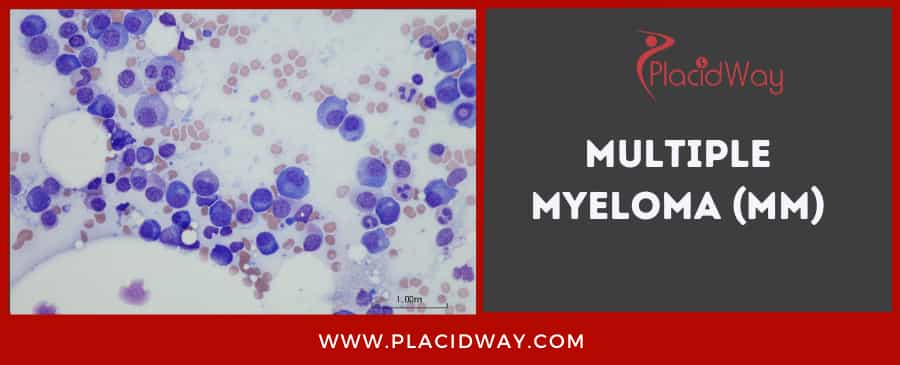
Multiple Myeloma is a blood cancer that originates in the plasma cells, a type of white blood cell found primarily in the bone marrow. These cells are crucial for your immune system, producing antibodies to fight infections. In MM, cancerous plasma cells multiply uncontrollably, crowding out healthy blood cells and producing abnormal proteins that can damage organs, particularly the bones and kidneys. While it's a serious condition, advancements in medical science mean that managing Multiple Myeloma and improving quality of life are increasingly possible.
For many patients, especially those facing high costs, limited access to advanced therapies, or long waiting lists in their home countries, exploring international treatment options has become a viable and often beneficial choice. Medical tourism offers a gateway to world-class facilities, innovative treatments, and experienced specialists, often at a more affordable price point. This comprehensive guide will help you understand Multiple Myeloma, its symptoms, causes, and the array of treatment options available, including how seeking care abroad might be the right decision for your journey.
What are the common symptoms of Multiple Myeloma?
Multiple Myeloma often presents with a range of symptoms that can sometimes be mistaken for other conditions. Understanding the "early signs of multiple myeloma" and "myeloma symptoms to watch for" is crucial for timely diagnosis. The classic signs are often remembered by the acronym CRAB:
- C - Calcium elevation (Hypercalcemia): High levels of calcium in the blood, leading to symptoms like excessive thirst, frequent urination, constipation, nausea, and confusion.
- R - Renal failure (Kidney problems): The abnormal proteins produced by myeloma cells can damage the kidneys, leading to fatigue, swelling in the legs, and difficulty concentrating.
- A - Anemia: Myeloma cells crowding out healthy blood cells in the bone marrow can cause a shortage of red blood cells, resulting in fatigue, weakness, dizziness, and shortness of breath.
- B - Bone lesions: Myeloma cells interfere with the normal bone remodeling process, leading to bone pain (especially in the back or ribs), weakened bones, and an increased risk of fractures.
Other common symptoms include:
- Frequent infections (due to a weakened immune system)
- Unexplained weight loss
- Numbness or tingling in the hands or feet (neuropathy)
If you or a loved one are experiencing several of these symptoms, particularly persistent bone pain or unexplained fatigue, it's vital to consult a healthcare professional for a thorough evaluation.
What causes Multiple Myeloma and who is at risk?
While researchers continue to investigate the precise "causes of multiple myeloma," it is understood that the disease begins when an abnormal plasma cell in the bone marrow multiplies uncontrollably. These cancerous cells then produce an abnormal protein (monoclonal protein or M-protein) that can accumulate in the body and cause damage.
Several "risk factors for multiple myeloma" have been identified:
- Age: The risk increases significantly with age; most people diagnosed are over 65.
- Gender: Men are slightly more likely to develop MM than women.
- Ethnicity: African Americans have a higher risk than Caucasians.
- Family History: Having a close relative with MM increases your risk, suggesting a potential genetic predisposition ("is multiple myeloma hereditary?").
- Monoclonal Gammopathy of Undetermined Significance (MGUS): Almost all MM cases are preceded by MGUS, a non-cancerous condition where abnormal plasma cells produce M-protein but don't cause symptoms or organ damage. While MGUS doesn't always progress to MM, it's a significant risk factor.
- Obesity: Some studies suggest a link between obesity and an increased risk.
- Exposure to Chemicals: Certain occupational exposures, such as to pesticides, herbicides, or agents used in the petroleum industry, have been linked to a slightly higher risk.
- Radiation Exposure: High levels of radiation exposure may also increase risk.
It's important to remember that having one or more risk factors doesn't guarantee you'll develop MM, and many people diagnosed have no identifiable risk factors.
What are the main types of treatments available for Multiple Myeloma?
The "best treatment for multiple myeloma" is highly individualized, depending on the stage of the disease, the patient's age, overall health, and specific genetic markers of the myeloma cells. Treatment goals typically involve controlling the disease, reducing symptoms, and improving quality of life. Current approaches include:
- Chemotherapy: Traditional drugs that kill fast-growing cells, including cancer cells. Often used in combination with other therapies.
- Targeted Therapy: These drugs target specific vulnerabilities in cancer cells.
- Proteasome Inhibitors: (e.g., Bortezomib, Carfilzomib) Block the action of proteasomes, which are enzymes that break down proteins, leading to the accumulation of harmful proteins in myeloma cells, causing them to die.
- Immunomodulatory Drugs (IMiDs): (e.g., Lenalidomide, Pomalidomide) Work by enhancing the immune system's ability to fight cancer and directly killing myeloma cells.
- Immunotherapy: Uses the body's own immune system to fight cancer.
- Monoclonal Antibodies: (e.g., Daratumumab, Elotuzumab, Isatuximab) Target specific proteins on myeloma cells, marking them for destruction by the immune system.
- CAR T-cell Therapy: (Chimeric Antigen Receptor T-cell therapy) A cutting-edge "new treatment for multiple myeloma" where a patient's T-cells are genetically engineered to recognize and kill myeloma cells.
- Bispecific Antibodies: Engage both T-cells and myeloma cells to bring them together for destruction.
- Corticosteroids: (e.g., Dexamethasone) Can kill myeloma cells and help reduce inflammation and side effects from other treatments.
- Stem Cell Transplantation (SCT):
- Autologous SCT: Uses the patient's own healthy stem cells, collected before high-dose chemotherapy, to replace bone marrow damaged by treatment.
- Allogeneic SCT: Uses donor stem cells, a more intensive procedure with higher risks, typically reserved for specific cases.
- Radiation Therapy: Can be used to relieve bone pain or treat areas of bone damage caused by myeloma.
Often, a combination of these therapies is used to achieve the best possible outcome, with continuous research leading to even more promising "new treatments for multiple myeloma."
Am I eligible for Multiple Myeloma treatment abroad?
When considering "can I get myeloma treatment overseas?" or "multiple myeloma treatment criteria" for international centers, eligibility is assessed on a case-bycase basis. Generally, clinics abroad look for similar criteria as those in Western countries, but may also consider specific factors related to your ability to travel and undergo treatment away from home. Key considerations include:
- Overall Health and Fitness: Your general physical condition, including any co-existing medical conditions, will be evaluated to ensure you can safely undergo the proposed treatment. Some intensive therapies, like stem cell transplantation, require patients to be in relatively good health.
- Stage and Type of Myeloma: The stage of your disease (e.g., smoldering myeloma, active myeloma) and specific genetic markers will guide treatment recommendations.
- Previous Treatments: If you've undergone previous treatments, clinics will review their efficacy and any remaining side effects. This helps determine which new therapies might be suitable.
- Age: While age alone isn't always a disqualifier, it's a factor in assessing fitness for certain aggressive treatments.
- Medical Records: You will need to provide comprehensive medical records, including diagnostic reports, biopsy results, imaging scans, and a detailed history of your treatments. International centers often require these for a thorough remote consultation.
- Logistical Feasibility: Your ability to travel, stay for the required duration, and have a support person accompany you may also be part of the assessment.
Many medical tourism facilitators, like PlacidWay, can help you gather your medical records and connect you with international specialists for an initial eligibility review and personalized treatment plan.
What is the recovery time and what can I expect after Multiple Myeloma treatment?
The "recovery time" and "life after myeloma treatment" expectations vary greatly depending on the specific type and intensity of the Multiple Myeloma treatment you receive. Here's a general overview:
- Chemotherapy and Targeted Therapies:
- Recovery: Patients typically experience side effects like fatigue, nausea, and low blood counts, which can last for days or weeks after each cycle. Recovery is ongoing between cycles, and energy levels gradually return.
- Expectations: Regular blood tests and follow-up appointments are crucial to monitor disease activity and manage side effects. Many patients can maintain a relatively normal daily routine, though some may need to adjust activities.
- Stem Cell Transplantation (SCT):
- Recovery: This is the most intensive treatment, requiring a hospital stay of several weeks. The initial recovery phase, where your immune system is compromised, demands strict infection prevention. Full recovery of energy and immune function can take several months to a year.
- Expectations: Post-SCT care involves ongoing monitoring, sometimes prophylactic medications, and a gradual return to activities. Fatigue can be a significant lingering issue. Many patients achieve long-term remission, but regular follow-ups are essential.
- Immunotherapy:
- Recovery: Side effects vary but can include flu-like symptoms, fatigue, or immune-related adverse events. Recovery from each infusion is often quicker than with chemotherapy, though long-term immune effects may require management.
- Expectations: Patients often tolerate immunotherapy well, enabling them to maintain a good quality of life while on treatment, with regular monitoring.
Regardless of the treatment, emotional and psychological support is vital. Many patients find support groups beneficial for navigating the "life after myeloma treatment" journey. Regular follow-up with your oncology team is critical for monitoring your disease, managing side effects, and adjusting your treatment plan as needed.
What are the potential risks and side effects of Multiple Myeloma treatments?
All medical treatments, especially those for cancer, come with potential risks and "side effects of myeloma drugs." Your medical team will discuss these thoroughly and work to manage them. Here are some common risks and side effects associated with MM treatments:
- Chemotherapy:
- Common: Nausea, vomiting, fatigue, hair loss, mouth sores, low blood counts (leading to increased risk of infection, anemia, bruising/bleeding).
- Less Common: Peripheral neuropathy (nerve damage, causing numbness/tingling), kidney damage.
- Targeted Therapies (Proteasome Inhibitors, IMiDs):
- Proteasome Inhibitors: Peripheral neuropathy, fatigue, gastrointestinal issues (nausea, diarrhea), low blood counts.
- IMiDs: Risk of blood clots, low blood counts, fatigue, rash, neuropathy.
- Immunotherapy (Monoclonal Antibodies, CAR T-cell, Bispecific Antibodies):
- Monoclonal Antibodies: Infusion reactions (fever, chills), fatigue, respiratory infections.
- CAR T-cell Therapy: Cytokine Release Syndrome (CRS – fever, low blood pressure, difficulty breathing), neurotoxicity (confusion, seizures). These are serious but manageable.
- Bispecific Antibodies: CRS, neurotoxicity, infections.
- Corticosteroids: Insomnia, increased appetite, fluid retention, mood changes, increased blood sugar, weakened bones with long-term use.
- Stem Cell Transplantation (SCT):
- "Risks of stem cell transplant for myeloma" are significant: Severe infections, mucositis (mouth sores), graft-versus-host disease (GVHD - in allogeneic SCT), organ toxicity, secondary cancers, and infertility.
- Radiation Therapy: Skin changes, fatigue, nausea (if abdomen is treated), low blood counts (if large areas of bone marrow are irradiated).
Managing side effects is a crucial part of your treatment plan. Don't hesitate to communicate any new or worsening symptoms to your medical team, whether at home or abroad.
How does the cost of Multiple Myeloma treatment vary worldwide?
The financial burden of Multiple Myeloma treatment can be substantial, especially in countries with high healthcare costs or limited insurance coverage. This is a primary driver for patients exploring "affordable myeloma treatment abroad." The cost variation is significant due to differences in labor costs, infrastructure, medication pricing, and healthcare system structures.
Here’s a general comparison of estimated costs for common MM treatments (e.g., a cycle of chemotherapy or initial targeted therapy, or an autologous stem cell transplant package). *These are approximate figures and can vary widely based on the specific drugs used, the duration of treatment, hospital stay, and individual patient needs.*
| Country | Chemotherapy/Targeted Therapy (Per Cycle/Month) | Autologous Stem Cell Transplant (Package) |
|---|---|---|
| USA | $10,000 - $30,000+ | $150,000 - $300,000+ |
| UK (Private) | £5,000 - £15,000+ (~$6,000 - $18,000) | £70,000 - £150,000+ (~$85,000 - $180,000) |
| India | $1,000 - $5,000 | $30,000 - $60,000 |
| Mexico | $1,500 - $6,000 | $40,000 - $70,000 |
| Turkey | $1,200 - $5,500 | $35,000 - $65,000 |
| Thailand | $1,500 - $7,000 | $45,000 - $80,000 |
| South Korea | $2,000 - $8,000 | $50,000 - $90,000 |
These packages often include hospital stays, physician fees, basic medications, and sometimes accommodation for a companion. However, always clarify what's included and what additional costs (e.g., flights, visas, extended stays, specific novel drugs) you might incur.
Why should I consider traveling abroad for Multiple Myeloma treatment?
The decision to seek "overseas cancer treatment" is significant, but for many Multiple Myeloma patients, it offers compelling advantages:
- Cost Savings: As seen in the table above, the cost difference can be dramatic, allowing patients to access life-saving treatments that would be financially out of reach in their home countries. This is often the primary driver for "medical tourism for multiple myeloma."
- Access to Advanced Therapies: Some countries have faster regulatory approval for new drugs, or participate in clinical trials for "new treatments for multiple myeloma" that might not yet be available everywhere. This includes innovative immunotherapies like CAR T-cell therapy or specific bispecific antibodies.
- Reduced Waiting Times: In some national healthcare systems, long waiting lists for specialist consultations, diagnostic tests, or even critical treatments can delay care. Traveling abroad can mean faster access to immediate treatment.
- Expertise and Specialization: Many international hospitals have dedicated myeloma centers with highly experienced hematologists/oncologists and multidisciplinary teams who specialize solely in plasma cell disorders.
- State-of-the-Art Facilities: Medical tourism destinations often boast modern hospitals equipped with the latest technology and infrastructure, rivaling those in leading Western countries.
- Privacy and Anonymity: For some, receiving treatment away from their local community offers a sense of privacy.
- Comprehensive Care Packages: Many international hospitals offer all-inclusive packages that streamline the entire process, from airport transfers to accommodation and interpreter services.
Ultimately, the "benefits of overseas cancer treatment" for MM can provide a beacon of hope for patients seeking optimal care at an affordable price point.
Which countries offer the best value and quality for Multiple Myeloma care?
When searching for the "best countries for myeloma treatment," patients are often looking for a balance of quality, affordability, and accessibility. Several countries have emerged as leading destinations for complex procedures like Multiple Myeloma treatment:
- India: Known for its highly skilled doctors, world-class JCI-accredited hospitals, and significantly lower costs. India has a robust medical tourism infrastructure and offers advanced oncology care, including stem cell transplants.
- Mexico: Particularly popular with North American patients due to its proximity. Mexico offers modern facilities, U.S.-trained physicians, and competitive pricing for various cancer treatments.
- Turkey: An emerging hub for medical tourism, Turkey boasts numerous JCI-accredited hospitals with state-of-the-art technology and experienced oncology teams, often at a fraction of European or North American costs.
- Thailand: A long-standing leader in medical tourism, Thailand combines excellent medical care with renowned hospitality. Its hospitals offer comprehensive cancer treatment plans, often in luxurious settings.
- South Korea: Known for its cutting-edge technology and highly advanced medical research, South Korea offers top-tier cancer care, including innovative myeloma therapies, with exceptional outcomes and competitive pricing for the quality provided.
- Malaysia: Offers a growing number of JCI-accredited hospitals with excellent standards of care, often with English-speaking staff and competitive costs.
These countries not only provide "top hospitals for multiple myeloma abroad" but also offer comprehensive patient support, often including language services and assistance with travel logistics.
How can I ensure safety and quality when choosing Multiple Myeloma treatment abroad?
Ensuring "safety and quality abroad" is paramount when considering international medical care for Multiple Myeloma. While many clinics offer excellent care, due diligence is essential:
- International Accreditations: Look for hospitals with international accreditations like Joint Commission International (JCI). This signifies that the facility meets rigorous global standards for patient safety and quality of care. Other accreditations (e.g., ISO, DNV GL) are also indicators of quality.
- Physician Credentials and Experience: Verify the qualifications, board certifications, and experience of the hematologist/oncologist who will be leading your treatment. Many international doctors have trained or worked in Western countries.
- Technology and Facilities: Ensure the clinic has access to the latest diagnostic equipment and treatment technologies relevant to Multiple Myeloma, including advanced imaging, laboratory capabilities, and specialized units (e.g., for stem cell transplantation).
- Patient Testimonials and Reviews: Read reviews and patient success stories from previous international patients. Look for consistent positive feedback regarding care quality, doctor-patient communication, and overall experience.
- Medical Tourism Facilitators: Companies like PlacidWay specialize in connecting patients with reputable international healthcare providers. They can help you with:
- Vetting clinics and doctors
- Obtaining multiple quotes and treatment plans
- Assisting with travel logistics (visa, accommodation, transport)
- Providing language support
- Ensuring continuity of care with your home doctor
- Clear Communication: Ensure there are clear channels of communication with the medical team, and that you fully understand your diagnosis, treatment plan, potential risks, and expected outcomes.
- Follow-up Care Plan: Discuss the plan for post-treatment follow-up and how your care will transition back to your home country.
By taking these steps, you can confidently "choose a hospital abroad" and embark on your Multiple Myeloma treatment journey with peace of mind.
Take the Next Step with PlacidWay
Ready to explore treatment options abroad? Discover top clinics, compare prices, and get a free quote tailored to your needs with PlacidWay.
CAR-T Cell Therapy | Chimeric Antigen Receptor T-Cell









.png)










Share this listing