



Living with a Traumatic Brain Injury (TBI) can be a deeply isolating and debilitating experience. For many patients, traditional neurological rehabilitation and pharmaceutical interventions reach a plateau, leaving them struggling with chronic cognitive deficits, brain fog, emotional dysregulation, and severe depression. As the search for advanced neuro-regenerative treatments intensifies, global attention has shifted toward alternative therapeutic modalities that address brain trauma at a cellular level.
Enter Ibogaine therapy, a groundbreaking treatment utilizing a powerful psychoactive alkaloid derived from the West African Tabernanthe iboga plant. While traditionally known for its efficacy in addiction interruption, cutting-edge clinical protocols have revealed its profound ability to stimulate neurogenesis and repair damaged neural networks. Because this treatment remains tightly restricted in much of the West, accessing Ibogaine therapy for TBI in Mexico has become the premier choice for international patients seeking safe, medically supervised, and affordable healing pathways.
Key Takeaways:
- Massive Cost Savings: Patients save between 40% to 60% on clinical Ibogaine packages in Mexico compared to similar alternative wellness retreats in regions like the Bahamas or Costa Rica.
- Comprehensive Inclusions: Premium packages generally encompass pre-treatment cardiac screening (EKG), medical supervision by ACLS-certified staff, pure hospital-grade Ibogaine HCL, luxury accommodation, and psychotherapeutic integration.
- Average Pricing by Region:
- Mexico (Tijuana/Cancun): $5,500 – $8,500
- Costa Rica: $7,000 – $10,000
- Bahamas: $10,000 – $15,000
- Medical Tourism Hub: Cities like Tijuana and Cancun boast world-class, internationally accredited facilities tailored specifically for complex neurological recovery protocols.
Understanding Traumatic Brain Injury and the Need for Advanced Neuroregeneration
A Traumatic Brain Injury disrupts the intricate communication networks of the brain. Traditional therapies manage symptoms, but emerging treatments aim to physically rebuild neural pathways.
A Traumatic Brain Injury (TBI) occurs when an external mechanical force—such as a fall, vehicle collision, or sports-related impact—causes brain dysfunction. This trauma triggers a cascade of neuro-inflammation, leading to the shearing of nerve fibers (diffuse axonal injury) and the death of neurons. Patients often suffer from long-lasting symptoms, commonly referred to as post-concussion syndrome, which includes chronic migraines, memory loss, sensory sensitivity, and severe mood disorders. Furthermore, repeated head traumas can lead to Chronic Traumatic Encephalopathy (CTE), a progressive and fatal brain disease heavily researched among combat veterans and professional athletes.
The fundamental limitation of modern allopathic medicine in treating TBI is its reliance on symptom management. Antidepressants, pain medications, and basic physical therapies do not address the core issue: the physical degradation of neural networks. To achieve true baseline recovery, the brain requires interventions that promote neuroplasticity—the brain's innate ability to reorganize itself by forming new neural connections throughout life. This urgent need for cellular repair is what drives patients to explore specialized brain healing clinics internationally.
How Ibogaine Therapy Facilitates Brain Healing and TBI Recovery?
Ibogaine acts as a profound catalyst for the central nervous system, releasing vital proteins that stimulate the growth and repair of damaged neurons.
The science behind Ibogaine treatment for cognitive decline and trauma relies on its unique interaction with multiple neurotransmitter systems. Unlike standard psychedelics, Ibogaine binds to a wide array of receptors, including serotonin, dopamine, and sigma-1 receptors. However, its most remarkable mechanism of action for TBI patients is the stimulation of Glial cell line-derived neurotrophic factor (GDNF).
GDNF is a highly potent protein that promotes the survival of many types of neurons. In the context of a brain suffering from trauma, the sudden surge of GDNF triggered by an ibogaine flood dose effectively forces the brain into a state of hyper-repair. It encourages the sprouting of new dendrites and the remyelination of damaged axons. This neurological reset allows the brain to bypass damaged pathways and establish new, healthy communication routes, significantly reducing the cognitive fog and emotional volatility associated with brain trauma.
Clinical studies have shown that a single administration of Ibogaine can increase the expression of GDNF in the brain for weeks after the treatment. This prolonged window of neuroplasticity is critical for TBI patients, as it makes subsequent physical and cognitive therapies exponentially more effective during the recovery phase.
Why Choose Mexico for Ibogaine Therapy for TBI?
Mexico has positioned itself as the global leader in safe, legal, and medically supervised Ibogaine treatments, combining top-tier medical infrastructure with affordable care.
Because Ibogaine is classified as a Schedule I substance in the United States and is heavily restricted in Canada and Europe, patients seeking this life-changing therapy must look abroad. Medical tourism in Mexico has evolved rapidly to meet this demand. The country does not regulate Ibogaine as a controlled substance, allowing certified doctors to administer it legally within clinical environments. Cities like Tijuana, Rosarito, and Cancun host some of the most advanced, JCI-accredited and locally certified medical facilities dedicated to psychoactive therapies.
Choosing Mexico is not merely a legal necessity; it is a strategic medical decision. Top-rated facilities in Tijuana operate like boutique hospitals rather than underground shamanic retreats. They integrate Western medical diagnostic tools—such as comprehensive blood panels, liver function tests, and continuous cardiac monitoring—with the profound therapeutic potential of plant medicines. This synthesis of high-level clinical safety and alternative healing ensures that highly vulnerable TBI patients are protected throughout their vulnerable state.
"The integration of rigorous allopathic safety protocols with neuro-regenerative psychedelics is what sets Mexican medical tourism apart. By utilizing continuous telemetry, ACLS-certified nursing staff, and pre-admission cardiac stress tests, these clinics mitigate the cardiovascular risks of Ibogaine, providing a secure environment essential for treating severe brain trauma recovery."
The Step-by-Step Treatment Journey for Ibogaine in Mexico
A successful Ibogaine journey is meticulously structured, involving deep medical screening, psychological preparation, the treatment itself, and robust aftercare.
1. Comprehensive Medical Screening
Because Ibogaine can prolong the QT interval in the heart, absolute medical clearance is mandatory. Upon arriving in Cancun or Tijuana, patients undergo an extensive physical examination. This includes an Electrocardiogram (EKG), comprehensive metabolic blood panels, and liver/kidney function tests to ensure the body can safely process the ibogaine hydrochloride.
2. Psychological Preparation
Treating TBI involves navigating complex emotional landscapes. Patients spend 1-2 days working with on-site clinical psychologists. This preparation helps set intentions, calm the nervous system, and prepare the patient for the intense, visionary state induced by the medication, which often brings up repressed trauma related to their injury.
3. The Macro-Dose Administration
Administered in a quiet, medically monitored room, the patient receives a precise, weight-based "flood dose" of Ibogaine. Over the next 12 to 24 hours, the patient enters a deeply introspective state. During this time, they are continuously monitored by heart rate monitors and attending medical staff to ensure physiological stability while the brain undergoes its neuro-regenerative process.
4. The "Gray Day" and Integration
The 24 hours following the flood dose are often termed the "Gray Day." The patient is physically exhausted as the brain rewires. During the subsequent days, intensive integration therapy begins. Counselors help the patient process the experience, maximizing the benefits of the newly achieved neuroplasticity before the patient returns home.
Ibogaine Therapy for TBI in Mexico vs. Other Destinations
Understanding the global pricing landscape helps patients make informed financial decisions without compromising on clinical safety and medical supervision.
The cost of alternative TBI treatments varies drastically based on location, the level of medical supervision, and the luxury of the accommodations. While underground clinics may offer cut-rate prices, they lack the life-saving cardiac monitoring required for this procedure. Investing in a highly rated, medically staffed program in Mexico provides the perfect balance of premium safety and accessible pricing compared to more expensive island destinations.
| Destination | Average Price Range (USD) | Typical Package Inclusions | Duration |
|---|---|---|---|
| Mexico (Tijuana) | $5,500 - $7,500 | EKG, Bloodwork, Pure Ibogaine HCL, 24/7 Nursing, Psychotherapy, Meals | 7 - 10 Days |
| Mexico (Cancun) | $6,500 - $8,500 | Luxury Resort Setting, Full Medical Screening, Integration Coaching, Aftercare | 7 - 14 Days |
| Costa Rica | $7,000 - $10,000 | Holistic therapies, Shamanic/Clinical hybrid, Basic Medical Monitoring | 8 - 12 Days |
| Bahamas | $10,000 - $15,000+ | Ultra-luxury resort, VIP privacy, Comprehensive Medical, Post-care | 10 - 14 Days |
Because Ibogaine was classified as a Schedule I drug in the US in 1967 due to its psychoactive properties, generations of clinical research were halted. Today, organizations like Stanford University are publishing retroactive studies on veterans traveling to Mexican clinics, proving that the treatment dramatically reduces TBI-related disability and PTSD.
Patient Safety and Medical Protocols at Mexican Facilities
Safety is the highest priority. The best facilities operate under rigorous international standards to ensure that vulnerable TBI patients are protected during deep neurological resets.
A common misconception about seeking psychoactive alternative therapies in Latin America is a lack of regulation. In reality, the top-tier clinics catering to international patients operate under strict, self-imposed, and locally mandated guidelines. Many facilities are affiliated with organizations like the Global Ibogaine Therapy Alliance (GITA) and adhere strictly to their clinical guidelines. The use of pure, lab-tested Ibogaine Hydrochloride (HCL) rather than raw root bark ensures precise dosing, which is critical for patients whose brain chemistry is already compromised by trauma.
Furthermore, these clinics utilize ICU-level monitoring during the flood dose. Should any cardiovascular anomaly arise—such as bradycardia—emergency protocols are immediately enacted by on-site emergency physicians. This dedication to clinical excellence is why medical tourism in Tijuana continues to see year-over-year growth in the neurology and holistic psychiatry sectors.
"For a patient with a traumatic brain injury, the blood-brain barrier is often compromised, and the nervous system is highly sensitive. The standard of care at accredited centers in Mexico dictates that patients must be stabilized physically before therapy begins. The presence of an on-site crash cart, defib units, and IV hydration setups are non-negotiable requirements for safe neuro-rehabilitation."
Expected Outcomes and Long-Term Recovery After Ibogaine
Ibogaine is not a magic bullet, but rather a powerful key that unlocks the brain's ability to heal itself when combined with ongoing rehabilitation.
Patients returning from their Ibogaine treatment in Mexico frequently report immediate alleviation of the "dark cloud" associated with severe head trauma. Many experience a sharp reduction in migraines, improved sensory processing, and a return of executive functioning skills. However, the true magic of Ibogaine lies in the post-treatment window. Because the brain is bathed in neurotrophic factors (GDNF), it enters a state of heightened malleability that lasts for up to three months.
To maximize this period, patients must engage deeply in their aftercare. This includes cognitive behavioral therapy (CBT), physical therapy, hyperbaric oxygen therapy (HBOT), and nutritional counseling. Clinics in Mexico often provide extensive aftercare integration plans and virtual follow-ups, ensuring that the neurological regeneration initiated by the medicine is hardwired into long-term, sustainable recovery.
Frequently Asked Questions
Find answers to the most common concerns patients have when considering international travel for advanced brain injury therapies.
What is the success rate of Ibogaine therapy for Traumatic Brain Injury?
While clinical data is still emerging, observational studies and patient testimonials report significant improvements in cognitive function and reduced brain fog. Success largely depends on the severity of the trauma and the patient's commitment to post-treatment neuro-rehabilitation.
Is Ibogaine therapy legal and safe in Mexico?
Yes, Ibogaine is an unregulated prescription substance in Mexico, making it legally administered in specialized, licensed clinical settings. Safety is ensured when performed in top-rated medical facilities with comprehensive cardiovascular screening and ICU-level monitoring.
How does Ibogaine repair the brain after a TBI?
Ibogaine promotes the release of Glial cell line-derived neurotrophic factor (GDNF), a protein that encourages the survival and regeneration of neurons. This process enhances neuroplasticity, allowing the brain to rewire damaged neural pathways and restore cognitive baseline functions.
Are there cardiovascular risks associated with Ibogaine treatment?
Ibogaine can cause bradycardia and prolong the QT interval in the heart, which is why rigorous pre-screening is mandatory. Reputable Mexican clinics utilize continuous EKG monitoring and employ ACLS-certified medical staff to mitigate any cardiovascular risks.
How long does a typical Ibogaine treatment program take in Mexico?
A standard medical package typically lasts between 7 to 14 days. This includes a few days for medical clearance and psychological preparation, the treatment day itself, and a crucial multi-day integration and physical recovery phase.
Will my health insurance cover Ibogaine therapy in Mexico?
Because Ibogaine is considered experimental and is classified as a Schedule I substance in the US and Canada, traditional health insurance will not cover the procedure. Patients must pay out-of-pocket, which is why the affordable medical packages in Mexico are highly sought after.
What is the difference between Ibogaine HCL and total alkaloid extract for TBI?
Ibogaine HCL is highly purified in a laboratory, allowing for exact, mathematically precise dosing, which is vital for clinical safety in brain-injured patients. Total alkaloid extract (PTA) contains other active compounds from the root bark and is less predictable, making HCL the preferred choice for medical settings.
Can Ibogaine help veterans with CTE (Chronic Traumatic Encephalopathy)?
Emerging research and advocacy from veteran groups suggest that Ibogaine, often paired with 5-MeO-DMT, can significantly reduce the symptoms of CTE, including depression, cognitive decline, and suicidal ideation. It acts as a powerful catalyst for neurological reset.
What type of medical staff will be present during my treatment in Mexico?
In accredited Mexican medical tourism facilities, patients are attended by a multidisciplinary team. This includes a lead medical doctor, ACLS-certified nurses, anesthesiologists, and specialized clinical psychologists who guide the integration process.
How soon after a head injury can I undergo Ibogaine therapy?
Ibogaine is not for acute, immediate post-injury care; patients must first be stabilized through traditional emergency neurology. It is generally recommended for patients suffering from post-concussion syndrome or chronic TBI symptoms months or years after the initial trauma.
Ready to Reclaim Your Cognitive Health?
Don't let the long-term effects of Traumatic Brain Injury limit your potential. PlacidWay partners with the top, fully accredited clinical facilities in Mexico to bring you safe, medically supervised Ibogaine therapy packages tailored for profound neurological recovery.
Get a free, no-obligation quote today and speak directly with our medical care team to safely plan your healing journey across borders.
Get a Free Quote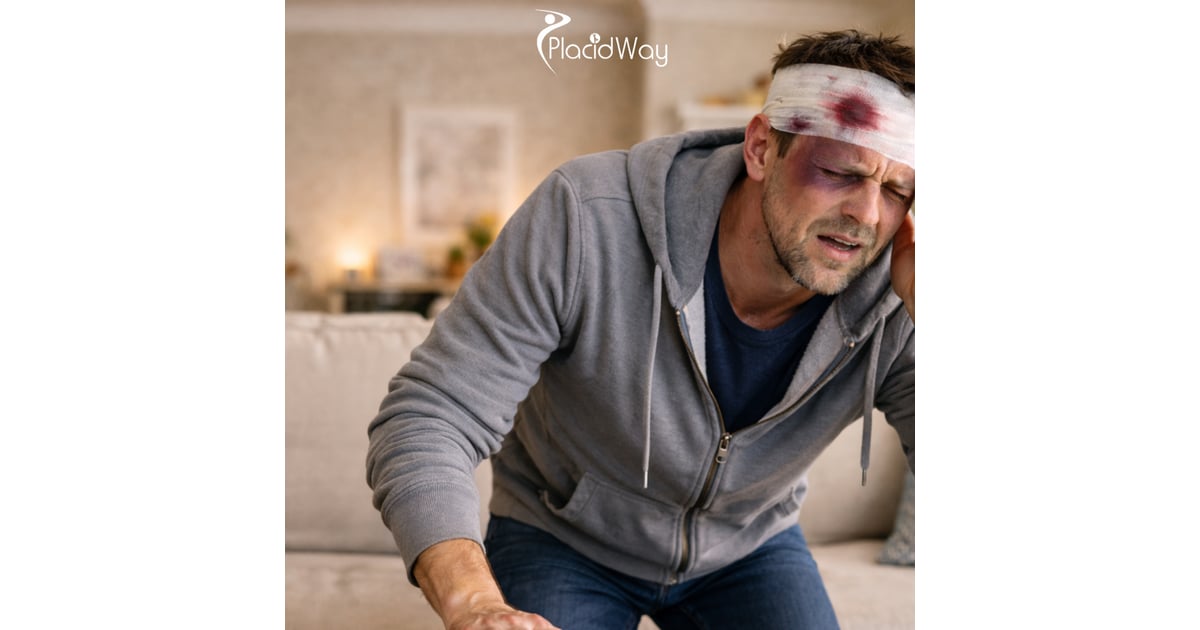



.png)
.png)
.png)





Share this listing