
Cost Of Ibogaine Therapy For TBI In Mexico
.png)
Dealing with a Traumatic Brain Injury (TBI) can feel like you are living in a fog that just won't lift. Whether it comes from military service, contact sports, or an accident, the lingering effects—memory loss, depression, and chronic fatigue—are life-altering. You might have tried traditional therapies with little success, leaving you searching for something that actually works.
This search for healing is leading many people to look south of the border. Ibogaine therapy has emerged as a powerful, albeit alternative, option for healing the brain. While it is best known for treating addiction, new research and compelling patient stories suggest it has neuro-regenerative properties that can address the root causes of TBI symptoms.
In this guide, we will look at real experiences, the science behind the treatment, and why Mexico has become the global hub for this therapy. We will break down exactly what you need to know, from safety protocols to costs, so you can make an informed decision about your health.
What is Ibogaine therapy and how does it help TBI?
Ibogaine is not your typical medication. It is a naturally occurring substance derived from the root bark of a West African shrub. While it is classified as a psychedelic, its application in TBI recovery is strictly medical and therapeutic. Unlike daily prescriptions that mask symptoms, Ibogaine is often taken in a single, large "flood dose" or smaller cumulative doses under strict medical supervision.
The primary mechanism that makes it effective for brain injury is its ability to stimulate the production of neurotrophic factors. Think of these as fertilizers for your brain cells. When GDNF is released, it supports the repair of damaged neurons and the creation of new neural connections. This is crucial for TBI patients whose brain pathways have been disrupted by impact or blast waves.
Furthermore, Ibogaine interacts with various neurotransmitter systems, including serotonin and dopamine. This broad interaction helps reset the brain's baseline, which is often why patients report a sudden lifting of the "brain fog" and depression that typically accompanies a TBI.
Why are patients traveling to Mexico for Ibogaine treatment?
The United States currently classifies Ibogaine as a Schedule I substance, making it illegal to possess or use. This regulatory hurdle blocks access for veterans and athletes who are desperate for relief. However, just across the border, Mexico allows the medical use of Ibogaine. This legal status has allowed a robust network of specialized medical centers to develop.
These are not back-alley operations. The best facilities in places like Baja California operate like high-end hospitals or wellness retreats. They are staffed by doctors, nurses, and cardiologists who have years of specific experience administering Ibogaine safely. They understand the specific needs of TBI patients, which differ significantly from addiction patients.
Additionally, the proximity to the US makes it convenient. Many centers provide transport from San Diego, making the logistics of traveling for medical care much simpler. For someone suffering from cognitive issues, ease of travel is a major factor in choosing a destination.
What do patient stories say about cognitive improvement?
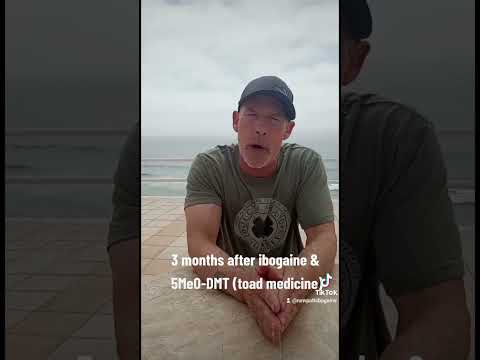
When you read through patient testimonials, a common theme emerges: clarity. Many TBI survivors describe their pre-treatment state as trying to think through mud. After treatment, they often describe a sudden sharpness. For example, veterans who struggled to remember simple daily tasks report being able to organize their day and recall specific details again.
One frequent report involves the return of executive function. This is the part of the brain responsible for planning and decision-making. TBI often damages this ability, leading to frustration and impulsivity. Ibogaine appears to help restore this control, allowing patients to feel like adults again rather than needing constant supervision.
It is important to note that while some improvements are immediate, others continue to develop over the weeks following treatment. The "neuroplastic window" remains open for a while, allowing patients to relearn cognitive skills much faster than they could before the therapy.
Can Ibogaine help with the emotional symptoms of TBI?
A TBI rarely comes alone; it usually brings emotional volatility with it. Patients often feel like they are on an emotional rollercoaster they cannot control. Ibogaine’s psychotropic effects allow patients to process trauma—both physical and psychological—in a detached, objective way. This is often referred to as an "oneirophrenic" state, or a waking dream.
By resetting the brain's dopamine and serotonin receptors, Ibogaine can act as a powerful antidepressant. Many patients who were resistant to standard SSRIs find relief after a single treatment. The therapy seems to "reboot" the mood centers of the brain.
Family members are often the first to notice this change. They report that their loved one is calmer, more present, and less prone to the sudden outbursts of anger that are characteristic of frontal lobe injuries.
Who is the ideal candidate for this therapy?
Not everyone is a good fit for this treatment. Because Ibogaine is a stimulant that places stress on the heart, candidates must have a healthy cardiovascular system. Clinics will perform EKG and sometimes stress tests to ensure your heart can handle the medication.
Candidates should also be psychologically prepared. The experience can be intense and introspective. Those with a history of psychosis or schizophrenia are typically excluded, as psychedelics can exacerbate these conditions. The best candidates are those who are motivated to heal and are realistic about the process—viewing it as a tool for recovery, not a magic wand that solves everything instantly.
What medical tests are required before treatment?
Safety is the absolute priority in legitimate medical centers. Before you even pack your bags, you will likely be asked to provide medical history. Once you arrive in Mexico, the physical intake is rigorous. The most critical test is the EKG. Ibogaine can temporarily change how the heart conducts electricity (prolonging the QT interval), which can be dangerous for people with pre-existing heart issues.
Liver function is also checked because the liver is responsible for metabolizing the drug. If your liver is compromised, the drug might stay in your system too long or reach toxic levels. Blood panels also check for electrolyte imbalances, specifically magnesium and potassium, which are vital for heart health during the treatment.
If a clinic does not ask for these tests, that is a major red flag. You should only seek treatment at facilities that prioritize these medical safety protocols over quick admission.
What is the cost of Ibogaine therapy for TBI in Mexico?
Costs can vary widely, but for TBI treatment specifically, you should expect to pay for a medically intensive package. TBI protocols are often different from addiction protocols; they may require lower, repeated doses or longer observation periods, which can affect the price. Do not look for the cheapest option; look for the safest.
Below is a breakdown of what these costs generally cover:
| Cost Component | Estimated Price Range | What is Included? |
|---|---|---|
| Basic Medical Package | $5,000 - $7,000 | Pre-screening, EKG, single treatment session, 3-4 days stay, nursing care. |
| Comprehensive TBI Program | $7,500 - $10,000 | Extended stay (5-7 days), booster doses, nutritional IVs, post-treatment therapy integration. |
| Luxury/Holistic Package | $10,000 - $15,000+ | Private suites, chef-prepared meals, massage, hyperbaric oxygen therapy, transport, extensive aftercare. |
Remember, insurance generally does not cover this treatment since it is not FDA-approved. You will need to plan for out-of-pocket expenses, including your flights to San Diego or directly to Mexico.
How does the treatment process actually work?
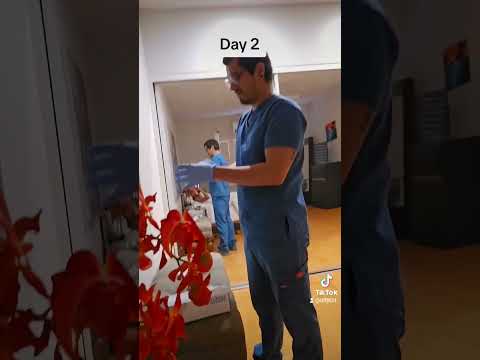
On the treatment day, you will be made comfortable in a bed. The medical team will hook you up to cardiac monitors to watch your heart rate and rhythm continuously. You are given a "test dose" first to ensure you have no allergic reaction, followed by the therapeutic dose.
As the medicine takes effect, you will likely experience a dream-like state while awake. For TBI patients, this isn't always about "hallucinations" but often involves reviewing memories or feeling physical sensations in the head as the brain reacts to the substance. It can be exhausting. Once the peak effects wear off, the "gray day" follows—a period of introspection and physical rest where the brain integrates the experience.
Are there risks associated with Ibogaine?
We cannot sugarcoat this: Ibogaine is a serious medical procedure. The most significant risk is to the heart. Ibogaine can slow the heart rate and affect the electrical signals that tell the heart when to beat. In an unmonitored setting, this can be fatal. However, in a medical clinic with doctors ready to intervene, these risks are managed effectively.
Other side effects can include ataxia (loss of muscle coordination), nausea, and vomiting. This is why patients are kept in bed and assisted if they need to use the restroom. The risks are real, but they are mitigated by professional medical protocols.
Does Ibogaine help with PTSD related to TBI?
For many veterans and accident survivors, TBI and Post-Traumatic Stress Disorder (PTSD) are intertwined. It is often hard to tell where the brain injury ends and the psychological trauma begins. Ibogaine treats both simultaneously. While the GDNF works on the physical brain tissue, the psychedelic experience addresses the trauma.
Patients often describe viewing their trauma as if they are watching a movie on a screen. They can see what happened without the visceral, crippling fear they usually feel. This perspective shift can break the cycle of flashbacks and hypervigilance, providing a level of peace that years of talk therapy might not achieve.
What is the recovery time after treatment?
You won't be running a marathon the day after treatment. Your body will feel tired, similar to how you feel after a flu. Most clinics require you to stay for at least 3 to 4 days to ensure you are physically stable before traveling. You need this time to rest and hydrate.
However, the mental recovery is a longer, more positive process. This is often called the "afterglow." For weeks after the session, the brain is in a flexible state. This is the prime time to adopt new habits, engage in cognitive therapy, or start a healthy diet, as the brain is more receptive to change during this window.
How does Ibogaine compare to stem cell therapy for TBI?
Both therapies are popular in medical tourism, and some patients even combine them. Stem cells are excellent for reducing systemic inflammation and repairing tissue structure. Ibogaine, however, offers the psycho-spiritual component that stem cells do not. It addresses the "software" (mood, trauma, cognition) as well as the "hardware" (neurons).
Choosing between them often depends on the specific symptoms. If the issues are purely motor or physical, stem cells might be the first choice. If the TBI is accompanied by depression, addiction, or cognitive fog, Ibogaine is often the preferred route.
What should I look for in a Mexico clinic?
Do your homework. A fancy website does not guarantee quality care. You want to see the credentials of the medical director. Are they an emergency physician or a cardiologist? Does the clinic have an ACLS (Advanced Cardiovascular Life Support) certification? These are non-negotiable.
Also, ask to speak to former patients. Reputable clinics will often have a list of alumni who are willing to share their experiences. Asking questions about the night staff, the food, and the level of attentiveness can give you a clear picture of what to expect.
Is there any preparation needed before going?
You cannot just walk in off the street and take Ibogaine. Many medications interact dangerously with it. You will need to work with the clinic's medical team weeks in advance to safely taper off any contraindicated drugs. Alcohol and caffeine should also be avoided in the days leading up to your arrival.
Mental preparation is equally important. Going in with a calm mindset and a clear intention—knowing exactly what you want to heal—can significantly influence the outcome of the treatment. It anchors you during the intense parts of the experience.
What happens if the treatment doesn't work?
Ibogaine is a catalyst, not a magic switch. Some patients experience profound shifts immediately, while others notice subtle changes that accumulate over time. If you don't feel a massive change, it doesn't mean it failed. The neurotrophic factors are still active.
In some cases, the TBI might be so severe that Ibogaine needs to be part of a larger treatment plan. This is why integration—working with a therapist or coach after treatment—is vital to maximize whatever gains were made during the session.
If you or a loved one is struggling with the aftermath of a TBI, know that there are options beyond just managing symptoms. The stories coming out of Mexico are offering hope to those who thought they had run out of road.
Ready to explore your options for TBI recovery?
Contact PlacidWay today to get a free quote and find the best accredited clinics for Ibogaine therapy in Mexico.
Get a Free Consultation




.png)
.png)
.png)
.png)

.jpg)
.jpg)
.jpg)
.jpg)












Share this listing