
.png)
For individuals trapped in the cycle of opioid dependence, particularly those struggling with Fentanyl, Heroin, or OxyContin, traditional rehabilitation methods often result in a revolving door of relapse. The physical withdrawal symptoms alone can be an insurmountable barrier to sobriety. This has led thousands of patients to seek Ibogaine therapy in Mexico, a medically supervised treatment that utilizes a powerful psychoactive alkaloid derived from the Tabernanthe iboga shrub to interrupt addiction at a neurological level.
Mexico has emerged as the global leader in this field, offering legally compliant, hospital-grade facilities in cities like Tijuana, Rosarito, and Cancun. Unlike standard detox, Ibogaine functions as an "addiction interrupter," resetting the brain's opioid receptors to a pre-addicted state and eliminating up to 90% of acute withdrawal symptoms within hours.
Key Takeaways: Ibogaine in Mexico
- Cost Savings: Treatment packages in Mexico range from $6,000 to $9,000, compared to $30,000+ for monthly rehab stays in the US.
- Withdrawal Elimination: The therapy is renowned for bypassing the painful acute withdrawal phase associated with opiates.
- Package Inclusions: Most centers offer all-inclusive pricing covering medical prescreening (ECG/blood work), 24/7 nursing, private accommodation, meals, and airport transfers.
- Specialized Protocols: Advanced clinics now have specific "switchover" protocols to safely treat Fentanyl addiction, which requires a longer stay than heroin.
- Success Rates: Observational data suggests long-term remission rates significantly higher than the 5-10% success rate of traditional 12-step programs.
Understanding Ibogaine: The "Addiction Interrupter"
Ibogaine is a naturally occurring psychoactive substance found in the root bark of the Iboga plant, native to West Africa. In the context of medical tourism in Mexico, it is administered as Ibogaine HCL (pure hydrochloride) or total alkaloid extracts. Its primary mechanism involves interacting with multiple neurotransmitter systems simultaneously, including serotonin and dopamine receptors, but its most critical function for opioid users is its effect on the nicotinic acetylcholine receptors.
By metabolizing into Noribogaine in the liver, the substance stays in the body for weeks or months, creating a "window of opportunity" where cravings are significantly diminished. This "reset" allows patients to engage in psychotherapy and lifestyle changes without the constant biological pressure of addiction. It is not a "magic bullet" that cures addiction forever, but rather a powerful catalyst that accomplishes in 24 hours what traditional detox might take months to achieve.
Ibogaine is one of the only known substances that can allegedly reverse opioid tolerance. Patients who relapse after treatment often report that their previous tolerance has vanished, a phenomenon that underscores the drug's ability to reset the brain's neurochemistry to a "pre-addicted" baseline.
Protocols for Specific Opioids: Heroin, OxyContin, and Fentanyl
Treating Heroin and Prescription Opioids
For short-acting opioids (SAOs) such as Heroin, OxyContin (Oxycodone), and Vicodin (Hydrocodone), the treatment protocol is generally straightforward. Patients typically arrive at the clinic in Tijuana or Cancun and undergo a stabilization period of 24 hours. Once the drugs have sufficiently cleared the immediate receptors—usually signaled by the onset of mild withdrawal—the flood dose of Ibogaine is administered. The total treatment time for these substances is typically 7 days.
The Fentanyl Challenge: A Specialized Approach
Fentanyl addiction presents a unique challenge because, unlike heroin, fentanyl is lipophilic (stored in fat cells). If Ibogaine is administered while fentanyl is still releasing from fat stores, it can cause precipitated withdrawal, a severe and traumatic physical reaction. Consequently, reputable clinics in Mexico have developed a mandatory "Switchover Protocol."
Patients dependent on Fentanyl (or long-acting opioids like Methadone/Suboxone) must first be stabilized on a short-acting morphine or oxycodone regimen for 5 to 10 days before taking Ibogaine. This clears the fentanyl from the body while keeping the patient comfortable, ensuring the Ibogaine can work effectively. This extends the necessary stay to 10–14 days.
"The most common mistake patients make is underestimating the Fentanyl detox timeline. Attempting Ibogaine treatment too soon after Fentanyl use renders the therapy ineffective and dangerous. Top-tier clinics in Baja California will not administer Ibogaine until a urinalysis confirms the complete absence of Fentanyl, usually requiring a 7-day switchover period."
Step-by-Step Treatment Journey in Mexico
1. Medical Pre-Screening & Arrival
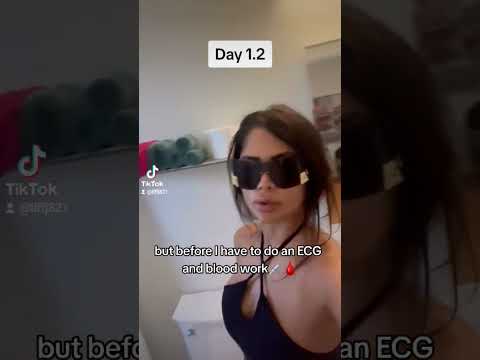
Before flying to Mexico City or Tijuana, patients submit medical history and recent ECGs. Upon arrival, a comprehensive intake is performed, including liver panel blood work and a 12-lead electrocardiogram (ECG) to rule out heart conditions like QT prolongation.
2. Stabilization & Detox
Patients are made comfortable and stabilized. IV fluids and electrolytes are administered to ensure hydration. This phase ensures the body is physically ready for the taxing experience of the flood dose.
3. The Flood Dose
Under continuous cardiac monitoring, the therapeutic dose is administered. The experience lasts 8 to 12 hours and is often described as a "waking dream" state where patients visualize past memories and trauma. Physically, withdrawal symptoms dissipate during this period.
4. The "Gray Day" & Aftercare
The day immediately following treatment is known as the "Gray Day." Patients often feel exhausted and introspective. The residual effects of Noribogaine provide a lift in mood and energy in the subsequent days. Clinics often provide coaching or integration therapy before discharge.
Cost Comparison: Mexico vs. Traditional Rehab
| Treatment Type | Location | Estimated Cost (USD) | Duration | Inclusions |
|---|---|---|---|---|
| Ibogaine Therapy (Standard) | Mexico (Tijuana/Cancun) | $6,000 – $9,000 | 7 Days | Medical detox, Ibogaine dose, ECG, housing, meals, transport. |
| Ibogaine (Fentanyl Protocol) | Mexico (Tijuana/Rosarito) | $8,500 – $12,000 | 10 – 14 Days | Extended stabilization, morphine switchover, Ibogaine, aftercare. |
| Luxury Inpatient Rehab | United States | $20,000 – $60,000+ | 30 Days | Group therapy, housing, meals (Medication-Assisted Treatment extra). |
| Rapid Detox (Anesthesia) | USA / Israel | $15,000 – $25,000 | 3 – 5 Days | Anesthesia detox only (does not treat psychological cravings). |
While Ibogaine is illegal in the US, medical tourism for Ibogaine in Mexico operates in a legal framework where clinics are licensed as alternative health centers or hospitals. This allows for open operation, safety inspections, and the employment of board-certified doctors and ACLS-trained nurses.
Safety Protocols and Risks
Ibogaine is a serious medical procedure, not a recreational trip. It can cause bradycardia (slowing of the heart) and prolong the QT interval, which can lead to fatal arrhythmias in patients with pre-existing heart conditions. Therefore, legitimate clinics in Mexico adhere to strict ACLS (Advanced Cardiac Life Support) standards.
Non-Negotiable Safety Standards Include:
- Continuous Cardiac Monitoring: Patients must be hooked up to heart monitors throughout the active phase of the drug.
- Liver Function Tests: To ensure the liver can metabolize the drug into Noribogaine.
- Exclusion Criteria: Patients with a history of heart attacks, blood clots, or certain psychiatric conditions (like schizophrenia) are generally excluded for safety reasons.
"Safety in Ibogaine therapy is directly tied to the medical infrastructure. We strongly advise patients to choose clinics that are either located inside a full-service hospital or have an ER doctor on-site 24/7. Avoid 'shamanistic' or underground providers for opioid detox; the biological complexity of long-term opioid abuse requires clinical oversight."
Frequently Asked Questions
Is Ibogaine therapy legal in Mexico?
Yes, Ibogaine is unregulated in Mexico, meaning it is legal to possess, administer, and receive treatment in medical clinics. Unlike the U.S. where it is a Schedule I substance, Mexico allows licensed clinics to offer this therapy under medical supervision.
How much does Ibogaine treatment cost in Mexico?
The average cost for Ibogaine therapy in Mexico ranges from $6,000 to $9,000 for standard opioid addiction packages. Specialized protocols for Fentanyl addiction, which require longer stabilization, typically range from $8,000 to $12,000.
Does Ibogaine work for Fentanyl addiction?
Yes, but Fentanyl requires a specific protocol. Because Fentanyl stores in fat cells, patients must undergo a "switchover" process to short-acting opiates for 5-7 days before taking Ibogaine to avoid precipitated withdrawal and ensure effectiveness.
What is the success rate of Ibogaine treatment?
While large-scale clinical trials are limited, observational studies and clinic data suggest success rates of 70-80% in eliminating acute withdrawal symptoms. Long-term sobriety rates are significantly higher than traditional rehab, especially when combined with aftercare.
Is Ibogaine treatment safe?
Ibogaine carries risks, primarily cardiac issues like QT prolongation. However, it is considered safe when administered in a hospital setting with continuous ECG monitoring, pre-treatment cardiac screening, and experienced medical staff.
How long does the treatment take?
A standard treatment plan is usually 7 days. However, for long-acting opioids like Methadone or lipophilic drugs like Fentanyl, the stay is often extended to 10-14 days to allow for proper detoxification prior to the flood dose.
What are the side effects of Ibogaine?
Common side effects during the experience include ataxia (loss of muscle coordination), nausea, vomiting, photosensitivity, and auditory hallucinations. These typically subside within 24-36 hours.
Does insurance cover Ibogaine therapy in Mexico?
No, because Ibogaine is not FDA-approved in the United States, U.S. health insurance providers generally do not cover the treatment. Most clinics accept cash, wire transfers, or credit cards.
Can I return to work immediately after treatment?
It is recommended to take at least one week off post-treatment to integrate the experience. Ibogaine resets the brain, and rushing back into a high-stress environment can hinder the psychological benefits of the therapy.
Where are the best Ibogaine clinics in Mexico located?
The primary hubs for accredited Ibogaine centers are Tijuana (Playas de Tijuana), Rosarito, Cancun, and Playa del Carmen. These locations offer proximity to international airports and established medical infrastructure.
Ready to Break Free from Addiction?
Don't let opioid dependence control your future. PlacidWay partners with the safest, medically licensed Ibogaine clinics in Mexico to provide you with a secure pathway to recovery.
Get a confidential, free quote today and speak with our care team to understand the Fentanyl and Heroin treatment protocols available to you.
Get a Free Quote for Treatment in Mexico.png)






.png)
.png)
.png)
.png)


.jpg)
.jpg)
.jpg)
.jpg)








Share this listing