
.png)
Methamphetamine addiction creates a devastating neurological cycle that traditional rehabilitation often struggles to break. For patients seeking an alternative path, Ibogaine therapy in Mexico has emerged as a leading solution, offering a "neuro-chemical reset" that interrupts severe cravings and alleviates the crushing psychological exhaustion of withdrawal. Unlike standard rehabs that manage symptoms, medical Ibogaine treatment targets the root receptor dysfunctions caused by chronic stimulant abuse.
Mexico has become the global hub for this therapy, providing a legal and medically regulated environment where JCI-accredited standards meet holistic care. From Tijuana's medical district to the serene coasts of Cancun and Rosarito, specialized clinics offer comprehensive protocols designed specifically for the unique metabolic and cardiac needs of methamphetamine users.
Key Takeaways: Ibogaine for Meth in Mexico
Before planning your medical journey, consider these critical facts about treatment packages and outcomes:
- Cost Efficiency: Treatment typically ranges from $5,500 to $12,000 USD, offering savings of 40-60% compared to non-medical luxury rehabs in the US or Europe.
- Medical Necessity: Unlike opioid protocols, meth treatment often requires a 7-10 day stabilization period to safely "flush" stimulants before the Ibogaine flood dose.
- Package Inclusions: Most comprehensive packages include airport transfers (San Diego/Tijuana), full cardiac workups (EKG/Liver Panel), 24/7 nursing care, and post-treatment integration coaching.
- Success Metrics: Clinics report that the "dopamine reset" significantly reduces PAWS (Post-Acute Withdrawal Syndrome), which is the primary cause of relapse in meth users.
The Mechanism: How Ibogaine Interrupts Meth Addiction?
Ibogaine is not a maintenance drug but a psychoactive interrupter that resets dopamine pathways and restores neuroplasticity, offering a biological window for recovery.
Chronic methamphetamine use severely damages the brain's dopamine receptors, leading to an inability to feel pleasure (anhedonia) and intense, relentless cravings. Ibogaine, a psychoactive alkaloid derived from the Tabernanthe iboga shrub, functions as a powerful interruption to this cycle. It is not a "substitution" therapy like Methadone; rather, it interacts with multiple neurotransmitter systems simultaneously.
Biologically, Ibogaine metabolizes into Noribogaine, which remains in the system to promote neurotrophic factors (GDNF). This effectively "rewires" damaged neural pathways, rapidly restoring the brain's baseline dopamine function. For meth users, this means the profound depression and fatigue typically associated with withdrawal are significantly blunted, allowing them to engage in therapy weeks or months sooner than they would in traditional rehab.
Ibogaine is often called an "oneirogen," meaning it induces a waking dream state. During the active phase of treatment, patients often experience a "life review," visualizing memories and traumas objectively without emotional pain. This psychological breakthrough is crucial for resolving the underlying trauma that often fuels methamphetamine addiction.
Why Choose Mexico for Ibogaine Treatment?
Mexico offers a legal, regulated framework for Ibogaine administration, combining advanced medical infrastructure with experienced clinical teams inaccessible in the US.
While Ibogaine remains a Schedule I substance in the United States, it is unregulated and legal to possess and administer in Mexico. This legal status has allowed a robust medical infrastructure to develop, particularly in border cities like Tijuana and resort areas like Cancun. Unlike underground providers, legitimate Mexican clinics operate under strict medical models, often employing board-certified doctors, anesthesiologists, and ACLS-trained nurses.
The proximity to the US is a major factor; many clinics in Baja California offer private transport from San Diego International Airport, making the logistics seamless for North American patients. Furthermore, the concentration of expertise in Mexico is unmatched globally—clinical teams here have performed thousands of treatments, giving them unique insight into managing complex cases involving polysubstance use and high-tolerance methamphetamine dependency.
Top Destinations for Treatment
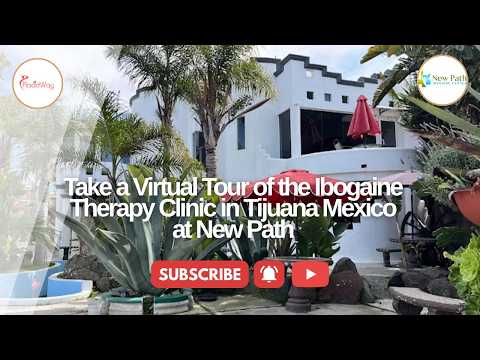
- Tijuana & Rosarito: The primary hub for medical Ibogaine. These facilities often resemble high-end hospitals or gated recovery villas, prioritizing safety and proximity to US emergency services.
- Cancun & Tulum: Known for "psychedelic retreats," these centers often combine Ibogaine with other holistic modalities like 5-MeO-DMT, set against a backdrop of tropical nature to aid integration.
Safety Protocols: The Medical Model
Safety is paramount due to cardiac risks; reputable clinics mandate 12-lead EKGs, liver panels, and continuous cardiac monitoring during the flood dose.
Ibogaine is powerful medicine and carries specific risks, primarily bradycardia (slowing of the heart) and QT interval prolongation, which can lead to fatal arrhythmias if not monitored. Therefore, the "medical model" of care is non-negotiable. Reputable clinics in Mexico adhere to strict exclusion criteria and safety protocols similar to an ICU setting.
Essential Medical Screening Includes:
- 12-Lead EKG: To rule out pre-existing heart conditions like Long QT syndrome.
- Comprehensive Blood Panel: Assessing liver enzymes (AST/ALT) and kidney function to ensure the body can metabolize the medicine.
- Stress Test: Often required for patients over a certain age or with a history of long-term stimulant abuse.
"The most critical safety factor for meth users seeking Ibogaine in Mexico is the stabilization period. Active stimulants in the blood during an Ibogaine flood can be fatal. Top-tier clinics will require a 5-7 day 'washout' period, often using short-acting protocols to ensure the patient's system is completely clear of methamphetamines before the first dose is administered."
Step-by-Step Treatment Journey
A typical 10-14 day pathway involves rigorous screening, a stabilization detox, the flood dose experience, and a critical integration phase.
1. Arrival and Intake
Upon arriving in Mexico (usually via private transport from San Diego), patients undergo an immediate medical intake. This includes a toxicology screen to verify substance levels and a repetition of cardiac tests to confirm stability after travel.
2. Stabilization (The "Washout")
For methamphetamine users, this phase is longer than for opiate users. Patients spend 3-7 days in a medically supported detox to ensure all stimulants have left the body. IV hydration and electrolyte therapy (Magnesium/Potassium) are administered to prepare the heart for the treatment.
3. The Flood Dose
Administered in a clinical room with continuous cardiac monitoring, the "flood dose" lasts 8-12 hours. Medical staff monitor vitals every 15 minutes. This is the visionary phase where the neurological reset occurs.
4. The "Gray Day" and Integration
The day immediately following treatment is known as the "Gray Day"—a time of physical exhaustion but mental clarity. The final days are spent in therapy, massage, and nutritional restoration, helping the patient integrate the insights gained before returning home.
Cost Comparison: Mexico vs. Alternative Options
Comparing the value of medical Ibogaine packages in Mexico against US luxury rehabs and other international options.
| Treatment Type | Location | Est. Cost (USD) | Inclusions | Duration |
|---|---|---|---|---|
| Medical Ibogaine (Standard) | Mexico (Tijuana) | $5,500 – $8,000 | Medical screening, flood dose, 24/7 nursing, private room. | 7 Days |
| Ibogaine + Meth Detox | Mexico (Rosarito) | $9,000 – $12,000 | Extended stabilization, pre/post IV therapy, integration coaching. | 10–14 Days |
| Luxury Holistic Retreat | Mexico (Cancun) | $12,000 – $15,500 | Resort amenities, chef, 5-MeO-DMT, massage, beach access. | 10–14 Days |
| Traditional Luxury Rehab | United States | $30,000 – $60,000+ | 30-day stay, group therapy, 12-step focus (No Ibogaine). | 30 Days |
| Ibogaine Clinic | Portugal/Spain | $8,000 – $10,000 | Similar to Mexico but higher travel costs for US patients. | 7 Days |
While the upfront cost of Ibogaine treatment in Mexico may seem significant, it is often a fraction of the cost of repeated stays in traditional US rehab centers. Because Ibogaine targets the biological root of addiction, many patients report achieving long-term sobriety after a single treatment, eliminating the "revolving door" of relapse and readmission.
Frequently Asked Questions
Is Ibogaine treatment legal in Mexico?
Yes, Ibogaine is unregulated in Mexico, which means it is not illegal to possess or administer. This legal environment allows legitimate medical clinics to operate openly, offering hospital-grade safety standards that are not possible in countries where the substance is banned.
What are the risks of Ibogaine for meth users?
The primary risks are cardiac-related. Ibogaine can prolong the QT interval of the heart, which can lead to arrhythmias. This is why it is critical to choose a clinic that performs pre-treatment EKGs and provides continuous cardiac monitoring during the session. Dehydration and electrolyte imbalance are also risks that medical teams manage via IV therapy.
How successful is Ibogaine for meth addiction?
While no treatment is a guaranteed cure, observational studies and patient reports suggest Ibogaine is highly effective at interrupting addiction. By resetting dopamine receptors, it drastically reduces the "anhedonia" (inability to feel pleasure) that drives meth relapse, giving patients a running start at recovery.
Can I fly home immediately after treatment?
No. Reputable clinics require a minimum 72-hour observation period post-treatment to ensure cardiac rhythms have returned to normal and the medicine has fully metabolized. Most packages include this recovery time in the total stay duration.
Do I need to be clean before arriving?
It is preferable, but not always required if the clinic offers a medical detox. However, you cannot have active methamphetamines in your system during the Ibogaine flood. Clinics will test you upon arrival and may require a 5-7 day stabilization period if you test positive.
What is the difference between a "Flood Dose" and Microdosing?
A "Flood Dose" is a large, psychoactive dose used to induce the visionary state and neurological reset necessary for addiction interruption. Microdosing involves taking sub-perceptual amounts and is generally used for mood enhancement, not for acute addiction detoxification.
Does insurance cover this treatment?
Generally, no. Because Ibogaine is not FDA-approved in the United States, US health insurance providers will not cover the treatment. It is almost exclusively a self-pay procedure, though some clinics accept financing.
What should I look for in a clinic?
Look for "medical model" clinics. This means they have ACLS-certified staff, a crash cart/defibrillator on-site, a direct transport plan to a local hospital, and a lead physician who screens every patient. Avoid "shamanic" retreats that lack medical equipment for addiction treatment.
Is aftercare provided?
Good clinics provide an aftercare plan or integration coaching. Ibogaine opens the door, but therapy keeps it open. Many centers partner with integration coaches who work with patients remotely for weeks after they return home.
Ready to Reset Your Life?
Breaking the cycle of methamphetamine addiction requires more than willpower—it requires a neurological reset. PlacidWay partners with the most experienced, medically certified Ibogaine clinics in Mexico to offer you a safe, dignified path to recovery.
Get a transparent, all-inclusive quote for a medical detox package tailored to your needs. Speak with our care team today to ensure you choose a facility that meets the highest standards of safety and comfort.
Get a Free Quote for Treatment in Mexico.png)





.png)
.png)
.png)
.png)

.jpg)
.jpg)
.jpg)
.jpg)








Share this listing