
Ibogaine Therapy in Mexico: Step-by-Step What to Expect
.png)
Dealing with addiction or treatment-resistant trauma is an incredibly heavy burden, and it makes sense that you are looking for alternatives that go beyond traditional rehab methods. You have likely heard about ibogaine treatment in Mexico, a psychoactive therapy that is gaining global attention for its unique ability to interrupt addiction withdrawals and reset the brain's neurochemistry.
But walking into an unknown medical environment in a foreign country can be intimidating. You probably have a dozen questions running through your mind: Is it safe? What does the "trip" actually feel like? Will I be alone? Understanding exactly what happens during ibogaine treatment is the best way to calm those nerves and make an informed decision about your health. Mexico has become the primary hub for this therapy because it operates within a legal framework that allows for medicalized, professional administration.
In this guide, we are going to walk you through the entire process step-by-step. From the moment you land at the airport to the medical screenings and the treatment day itself, we will cover everything you need to know about the ibogaine experience so you know exactly what to expect.
1. Do I need Medical Screening before Ibogaine treatment?
Safety is the absolute priority when it comes to this therapy. Before you are even approved to travel, reputable clinics will request your medical history. Once you arrive at the facility in Mexico, the physical preparation begins immediately. Ibogaine interacts directly with the cardiovascular system, specifically affecting the QT interval of the heart (the time it takes for the heart to recharge between beats).
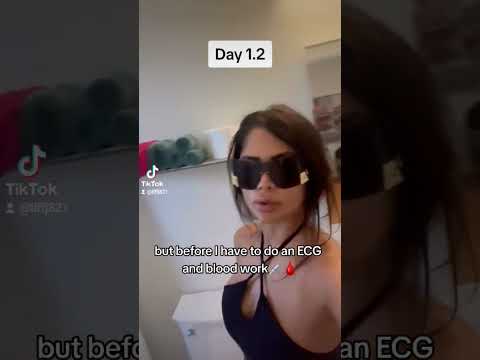
Because of this, you will undergo a rigorous 12-lead EKG (electrocardiogram) upon arrival. Doctors look for any pre-existing arrhythmias or heart conditions that could make the treatment dangerous. If your heart shows signs of instability, a responsible clinic will not proceed with the treatment. This is why "underground" or non-medical settings are strongly discouraged.
Additionally, doctors will run a full blood panel to check your liver and kidney function. Since ibogaine is metabolized through the liver, your organs need to be in good shape to handle the heavy workload of processing the substance. This screening phase ensures that you are physically cleared for the experience.
2. What happens when I arrive at the Clinic in Mexico?
Most professional centers include airport pickup in their packages. You will be greeted by a driver or staff member and taken directly to the clinic, which often resembles a comfortable retreat center or a specialized hospital wing rather than a sterile institution. The first day is usually referred to as "landing."
If you are arriving with an active dependency on opiates, you will likely be in some stage of withdrawal. The medical staff will focus on stabilizing you. They may switch you to short-acting opiates (like morphine) to ensure that long-acting substances (like Suboxone or Methadone) are out of your system before the ibogaine treatment begins. Mixing ibogaine with long-acting opiates can be dangerous, so this stabilization period is critical.
During this time, you will also meet your clinical team, including nurses and psychologists. They will explain the rules of the facility, show you to your room, and help you get comfortable. The goal is to lower your cortisol levels and get you into a calm, receptive state of mind before the treatment begins.
3. How is Ibogaine administered?
The administration of ibogaine is a highly controlled medical procedure. You won't just be handed a pill and left alone. On the morning of the treatment, you will likely be asked to fast. You will be hooked up to cardiac monitors that track your heart rate and rhythm in real-time throughout the entire session.
The process usually starts with a "test dose." This is a very small amount of the medicine used to ensure you don't have an adverse allergic reaction or unexpected sensitivity. Once the medical team confirms you are reacting normally (usually after 45 to 60 minutes), they will administer the "flood dose."
The flood dose is the large, therapeutic amount intended to saturate your opiate receptors and induce the visionary state. It is taken orally with water. From this point on, you are strictly on bed rest. Moving around becomes difficult as the medicine takes effect, causing a loss of muscle coordination known as ataxia.
4. What does the Ibogaine 'trip' feel like?
Unlike recreational psychedelics that might cause hallucinations of things that aren't there, ibogaine tends to be more introspective. Patients often describe it as watching a movie of their own life. You might see memories from childhood, interactions with family members, or moments that led to your addiction. This is often called the "oneirophrenic" phase.
The unique aspect of this "life review" is the emotional detachment. You can often view painful or traumatic events objectively, understanding them from a new perspective without the crushing guilt or shame that usually accompanies them. This allows for deep psychological healing in a very short amount of time.
Physically, you will feel heavy. A buzzing sound in the ears is very common. You will likely want to keep your eyes closed, as light can be sensitive and movement can cause nausea. The peak of these visions usually lasts between 4 to 8 hours, though the medicine remains active in your system for much longer.
5. How much does Ibogaine treatment cost in Mexico?
Cost is a major factor for most people, and it varies significantly based on the level of luxury and medical care provided. It is important to note that "cheaper" is not better when it comes to cardiac safety. You are paying for round-the-clock nursing and emergency equipment, not just the medication.
Here is a detailed breakdown of what you can expect to pay and what is typically included in these packages:
| Service Level | Estimated Cost (USD) | What is Typically Included |
|---|---|---|
| Standard Medical Clinic | $5,000 - $7,000 |
|
| Premium/All-Inclusive | $8,000 - $10,000 |
|
| Luxury/Executive | $11,000 - $15,000+ |
|
Be wary of any provider offering treatment for significantly less than $5,000. These low-cost options often cut corners on medical staff or safety equipment, which can increase the risk of complications.
6. Does Ibogaine cure addiction immediately?
It is vital to manage expectations: Ibogaine is not a magic bullet. It does not "delete" addiction from your brain forever. However, what it does is arguably miraculous for many. It resets the brain's neurotransmitters—specifically dopamine and serotonin—to a pre-addicted state. This is often referred to as an "addiction interruption."
For opiate users, this means bypassing 90% or more of the acute withdrawal symptoms. You can wake up after the treatment without the physical sickness, shakes, or intense cravings that make quitting "cold turkey" so impossible. This gives you a massive head start.
However, the psychological habits and environmental triggers that led to addiction still exist. The treatment provides a window of opportunity—a "gray day" where the brain is plastic and malleable. How you use that window determines your long-term success. This is why post-treatment planning is essential.
7. What is the 'Gray Day' in Ibogaine treatment?
After the intense visions of the flood dose subside, you enter the processing phase known as the Gray Day. You won't be having visions anymore, but the medicine is still working in your body. You will likely feel physically drained, similar to how you might feel after running a marathon or recovering from a flu.
Emotionally, this day is often described as neutral or "gray." Your brain is rebooting. It is a time for quiet reflection. Most clinics encourage you to stay in your room, rest, hydrate, and journal. You might feel a little wobbly on your feet (residual ataxia), so nurses will help you move around if needed.
This is a critical time for neuroplasticity. Your brain is forming new pathways. Avoiding overstimulation—like checking your phone, watching TV, or engaging in stressful conversations—is highly recommended during this period to let the medicine complete its work.
8. Are there risks associated with Ibogaine treatment?
We cannot gloss over the risks. Ibogaine is a powerful substance that places a load on the heart. It naturally slows down the heart rate (bradycardia). In rare cases, if a person has a pre-existing heart condition or takes contraindicated medications (like certain antidepressants or anti-fungals) close to the treatment, it can lead to fatal arrhythmias.
This is why the medical model in Mexico is so important. In a clinic, you are hooked up to a monitor. If your heart rate drops too low, doctors can intervene immediately with atropine or other stabilizing medications. In a non-medical setting, these complications can be deadly.
Dehydration is another risk, as the treatment can cause nausea and vomiting. Intravenous (IV) fluids are often used to keep patients hydrated throughout the process. When done under strict medical protocols, the risks are managed effectively, but they are never zero.
9. How long does the entire treatment take?
While the psychedelic experience itself only lasts a few hours, the protocol requires time. A typical itinerary looks like this:
- Day 1: Arrival, intake, and medical screening (EKG/Bloodwork).
- Day 2: Stabilization. Letting short-acting drugs leave the system.
- Day 3: The Treatment Day (Flood Dose).
- Day 4: The Gray Day (Rest and recovery).
- Day 5: Integration and discharge (or continued stay for aftercare).
Some patients, particularly those coming off long-acting opioids like Methadone or Suboxone, may need significantly longer stays (2 to 4 weeks) to switch to short-acting opiates before they can safely take ibogaine. Rushing this process can lead to ineffective treatment or safety hazards.
10. What is Integration Therapy?
The visions and insights you get during the treatment can be profound, but they can also be confusing. You might understand why you use drugs, but you need a plan for how to stop using them when you go home. This is where integration comes in.
Many clinics in Mexico have psychologists or integration coaches on staff. In the days following the treatment, you will sit down with them to discuss what you saw and felt. They help you "connect the dots" between your visions and your real-world behaviors.
Integration is the bridge between the treatment and your new life. Without it, the insights can fade like a dream. Good clinics will also help you set up an aftercare plan for when you return home, whether that involves outpatient therapy, 12-step meetings, or holistic practices.
11. Can I bring a companion with me?
Having a support system is valuable. Many facilities are set up to accommodate a spouse, parent, or friend. However, the dynamic changes on treatment day. To ensure the medical team has full access to you and to maintain the sterile, focused environment needed for the journey, your companion usually cannot be in the room while the medicine is active.
There is usually an extra daily fee for a guest to cover their meals and accommodation. If you plan to bring someone, discuss this with the intake coordinator beforehand. It is also important that your companion is sober and supportive of your recovery process.
12. Is Ibogaine legal in Mexico?
Unlike the United States, where ibogaine is classified as a Schedule I drug, Mexico has not scheduled it. This lack of prohibition allows medical professionals to administer it without fear of legal prosecution. This unique legal status is why Mexico has become the world center for this type of therapy.
However, "unregulated" does not mean "low standards." The best clinics voluntarily adhere to hospital-grade standards. Because the government does not strictly oversee ibogaine protocols specifically, the burden is on you to choose a clinic that self-regulates with high safety measures, emergency equipment, and licensed medical staff.
13. What happens if I relapse after treatment?
Recovery is rarely a straight line. If a patient relapses after returning home, it does not mean the treatment failed. It often means that the aftercare plan needs adjustment. Some patients find that returning for a short "tune-up" session—a smaller dose of ibogaine combined with coaching—helps reset their motivation.
Clinics approach this with compassion, not judgment. However, repeated full flood doses in a short period are generally discouraged due to the physical toll on the body. The goal is always to build tools for sobriety that don't rely on constant medical intervention.
14. Who is NOT a candidate for ibogaine?
Ibogaine is not for everyone. The medical screening is designed to filter out high-risk candidates. If you have a history of heart attacks, heart failure, or a naturally prolonged QT interval, the risk of cardiac arrest is too high.
Additionally, those with severe psychiatric conditions such as schizophrenia or acute psychosis may find that the psychoactive nature of the drug destabilizes their mental health further. Pregnant women are also excluded from treatment.
15. How do I choose the right clinic in Mexico?
With so many options, making a choice is hard. Look for transparency. A reputable clinic will readily answer questions about their medical staff's credentials. Ask if they have a defibrillator and oxygen in the treatment room. Ask how they handle emergencies—do they have a transfer agreement with a local hospital?
Read reviews from past patients, but also look for clinical accreditation where possible. Trust your gut. If a provider seems to be "selling" you a cure rather than explaining a medical procedure, that is a red flag. The right clinic will focus on your safety above all else.
Ready to Explore Your Options?
Finding the right path to recovery is a big step. If you are looking for safe, accredited medical tourism options for addiction treatment, we can help you connect with trusted providers.
Explore PlacidWay for Healthcare Solutions.png)




.png)
.png)
.png)


.jpg)
.jpg)
.jpg)
.jpg)











Share this listing