


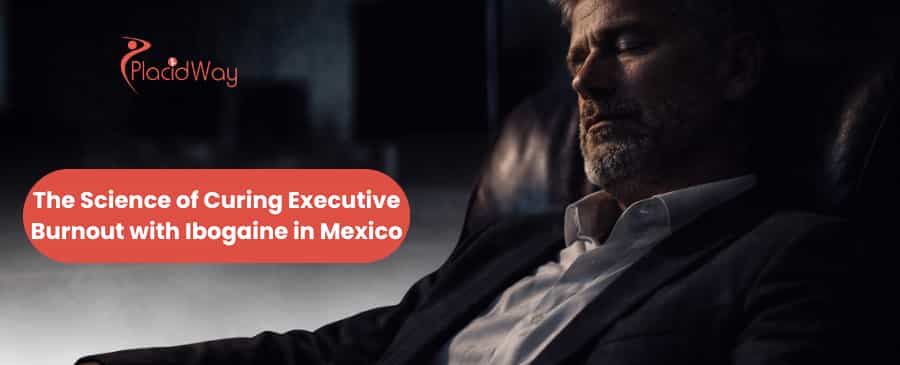
In the modern corporate landscape, executive burnout has transitioned from a buzzword to a critical physiological condition. High-performance individuals often operate in a state of chronic sympathetic nervous system activation, leading to depleted dopamine levels and cognitive exhaustion. When traditional vacations and therapy fail to provide relief, many turn to the science of Ibogaine therapy as a profound biological intervention.
Medical tourism in Mexico has seen a surge in professionals seeking an intensive "reset" for their neural pathways. Unlike traditional talk therapy, which addresses the symptoms of stress, Ibogaine treatment in Mexico targets the neurochemical imbalances caused by years of high-stakes decision-making. By navigating the complexities of the brain's reward system, this treatment offers a unique pathway for those who have reached their psychological limit.
Ibogaine is a naturally occurring alkaloid found in the Tabernanthe iboga plant, which has been used for centuries in West African spiritual practices before being researched for its modern neuro-regenerative properties.
The Science of Ibogaine Therapy for Neural Reset
The primary mechanism behind Ibogaine therapy for burnout lies in its ability to interact with multiple neurotransmitter systems simultaneously. It functions as a "remyelinator" and stimulates the production of Glial Cell-Line Derived Neurotrophic Factor (GDNF). This protein is essential for the survival and differentiation of dopaminergic neurons, essentially helping the brain "repair" itself from the damage of chronic stress.
Furthermore, Ibogaine acts as an antagonist to NMDA receptors and an agonist to sigma receptors, which facilitates a state of heightened neuroplasticity. For an executive, this means the brain becomes temporarily more malleable, allowing for the rapid deconstruction of maladaptive stress responses. Neuroplasticity and Ibogaine research suggests that this window of opportunity can be used to re-establish healthy cognitive patterns that were lost during years of corporate grind.
Clinical research indicates that a single Ibogaine session can significantly increase GDNF levels in the brain, which may contribute to a lasting "anti-addictive" and "anti-stress" effect for several weeks post-treatment.
Why Mexico is a Global Hub for Ibogaine Treatment?
Mexico has emerged as the premier destination for international medical tourism for Ibogaine due to its progressive regulatory framework. Unlike the United States or many European nations where Ibogaine is classified as a Schedule I substance, Mexico allows the therapeutic use of the alkaloid in private clinical settings. This has led to the development of sophisticated medical facilities that specialize in treating high-net-worth individuals.
The geographic proximity to the United States and Canada, combined with the presence of world-class medical professionals, makes Ibogaine clinics in Mexico highly accessible. Many of these centers are located in serene environments—ranging from coastal retreats to quiet mountain estates—providing the necessary privacy and tranquility required for a deep psychological and physiological recovery process.
Case Study: The CEO’s Restoration
A 52-year-old CEO of a tech firm presented with chronic insomnia, emotional numbness, and severe executive burnout. After a 7-day Ibogaine treatment in Mexico, he reported a "rebooted" mental state, improved focus, and a significant reduction in the desire for caffeine and alcohol as coping mechanisms.Cost of Ibogaine for Executive Burnout in Mexico
When considering affordable Ibogaine in Mexico, it is important to understand that "affordable" is relative to the high-end nature of the medical care and the potential loss of income from continued burnout. The cost typically covers a comprehensive package including medical screening, the treatment itself, luxury accommodations, and professional integration sessions. This all-inclusive approach ensures that the executive can focus entirely on recovery without logistical distractions.
Below is a general market comparison to provide perspective on the investment required for Ibogaine medical tourism in Mexico. Note that prices can vary based on the clinical oversight level and the amenities provided by the specific facility.
| Procedure/Program Name | Average Cost in Mexico (USD) | Comparison (Other Regions) |
|---|---|---|
| Standard Ibogaine Detox (7 Days) | $5,000 - $7,000 | $15,000+ (Unauthorized US Clinics) |
| Executive Burnout Program (10 Days) | $8,000 - $12,000 | $20,000+ (Global Luxury Rehabs) |
| Post-Treatment Integration Coaching | $1,500 - $3,000 | $5,000+ (Specialized Concierge) |
The cost of Ibogaine treatment in Mexico often includes 24/7 medical nursing, EKG monitoring, organic meals, and private transport, providing a value-to-care ratio that is difficult to match in other countries.
Benefits of Ibogaine Treatment for High-Performance Professionals
The primary benefit for an executive is the rapid neurological reset that Ibogaine facilitates. In a high-stakes environment, time is a luxury; traditional rehabilitation or sabbatical periods can take months to produce results. Ibogaine therapy typically offers a concentrated "interrupter" effect that allows individuals to address the root causes of their burnout in a matter of days rather than months.
Moreover, the benefits of Ibogaine for cognitive function include improved mental clarity, heightened emotional intelligence, and the restoration of a healthy sleep-wake cycle. Patients generally experience a profound shift in their perspective on work-life balance, enabling them to return to their leadership roles with renewed vigor and a more sustainable approach to productivity.
Look for clinics that provide a high staff-to-patient ratio. For an executive seeking recovery, personalized attention and a quiet, private environment are crucial for the integration of the Ibogaine experience.
Safety Protocols and Medical Supervision in Mexican Ibogaine Clinics
Safety is the most critical aspect of Ibogaine treatment in Mexico. While the substance is powerful, it carries specific cardiovascular risks, specifically the prolongation of the QT interval. To mitigate these risks, reputable clinics employ board-certified cardiologists and use advanced monitoring equipment during the entire duration of the "flood dose." Patients are typically required to undergo rigorous pre-screening, including blood work and multiple EKGs.
A professional medical team will also manage the physical "purge" or detoxification phase that often accompanies Ibogaine. Most patients experience varying degrees of nausea or ataxia, which are typical side effects of Ibogaine. Having ACLS (Advanced Cardiovascular Life Support) certified staff on-site ensures that any fluctuations in heart rate or blood pressure are managed in real-time with pharmaceutical interventions if necessary.
Never undergo Ibogaine treatment at a facility that does not perform an EKG or have a medical doctor on-site. Ibogaine can be dangerous for individuals with certain heart conditions or those taking incompatible medications.
Comparing Traditional Rehab vs. Ibogaine Therapy in Mexico
Traditional rehabilitation centers often focus on behavioral modification through group therapy and 12-step programs. While effective for some, these methods can feel slow and disconnected for an executive who needs to address the biological underpinnings of their stress. Ibogaine therapy vs. traditional rehab offers a more neuro-centric approach, focusing on the chemical "reset" of the brain's baseline before moving into behavioral integration.
In the Mexican medical tourism context, the choice often comes down to the desired outcome. Traditional centers provide long-term stability through routine, while Mexican Ibogaine centers provide a catalyst for immediate change. For the time-sensitive professional, the efficiency of an Ibogaine session followed by professional integration coaching is often the preferred route for overcoming burnout.
Case Study: The Attorney’s Turnaround
A high-pressure litigation attorney suffering from severe anxiety and dependency on stimulants used Ibogaine to "break the cycle." He found that the holistic Ibogaine approach in Mexico allowed him to process suppressed work trauma and return to his firm with a clear, drug-free mind.The Psychological Journey of Ibogaine Treatment for Executives
The psychological effects of Ibogaine are often described as a "waking dream state" or a deep introspective journey. For an executive, this can manifest as a cinematic review of their life and career choices. It allows the individual to observe their stressors from an objective perspective, often revealing where they have neglected their health, family, or personal values in pursuit of corporate success.
This introspective phase is generally where the "cure" for burnout begins. By detaching from the ego and the constant demands of the executive role, the patient can confront the subconscious drivers of their workaholism. Reputable Ibogaine providers in Mexico facilitate this process with specialized therapists who help the patient translate these insights into actionable life changes.
Many patients describe the Ibogaine experience as "ten years of therapy in ten hours," due to the high-speed processing of memories and emotions that the alkaloid facilitates in the brain.
Typical Treatment Timeline for Ibogaine in Mexico
The timeline for Ibogaine therapy usually begins long before the patient arrives in Mexico. It starts with a 2-4 week tapering period for certain medications or substances, followed by the arrival and a 24-hour stabilization period. The "flood dose" session itself lasts between 12 to 24 hours, followed by a "gray day" of physical rest and mental reflection where the patient is slowly re-introduced to light food and movement.
The final few days in Mexico are dedicated to integration and recovery. This involves physical therapies such as massage or IV nutrient drips, combined with psychological counseling. This structured timeline ensures that the patient does not return to a high-stress environment too quickly, which is essential for the "neuroplastic window" to be effectively utilized for long-term health.
Approximately 70-80% of patients report a significant reduction in cravings and stress-related anxiety within the first 72 hours following a successful Ibogaine flood dose administered in a clinical setting.
Addressing Critical Contraindications for Ibogaine Therapy
It is vital to acknowledge that Ibogaine is not for everyone. Contraindications for Ibogaine include pre-existing heart conditions like Long QT Syndrome, arrhythmia, or congenital heart defects. Furthermore, individuals with severe liver or kidney disease are generally excluded from treatment because these organs are responsible for metabolizing the alkaloid. A history of psychosis or schizophrenia also serves as a major red flag for this type of psychedelic-assisted therapy.
Most patients experience a safe journey, but only if they are completely transparent about their medical history. Safe Ibogaine treatment in Mexico relies on the honesty of the patient and the thoroughness of the clinic's screening process. Using caution when selecting a provider is the best way to ensure that you are a suitable candidate for the procedure.
Case Study: Managing Complexity
An executive with a minor heart murmur was initially seeking treatment but was redirected to a low-dose, non-flood protocol after a thorough EKG assessment by a Mexican cardiologist. This tailored approach ensured safety while still providing significant cognitive relief from burnout symptoms.Long-Term Integration and Aftercare Following Ibogaine Therapy
The real work of curing executive burnout happens after the patient leaves Mexico. The "afterglow" or neuroplastic period lasts for about 3 to 6 months post-treatment. During this time, the brain is exceptionally responsive to new habits. Successful executives often engage in weekly integration coaching, adopt a rigorous meditation practice, and implement strict boundaries regarding their work schedules to prevent a relapse into old stress patterns.
Ibogaine aftercare in Mexico often includes digital follow-ups with the clinical team. Many clinics provide a roadmap for the first 90 days, focusing on nutrition, exercise, and cognitive behavioral tools. Without this integration phase, the insights gained during the Ibogaine session risk becoming fading memories rather than the foundation for a permanent lifestyle transformation.
Schedule your return to work at least 5 days after your treatment ends. Jumping straight back into a 60-hour work week can overwhelm the sensitive nervous system and diminish the long-term benefits of the "reset."
Legal Status and Regulation of Ibogaine in Mexico
The legal status of Ibogaine in Mexico is a primary driver of the industry. Because it is not a controlled substance, doctors can prescribe and administer it within a medical context. However, this does not mean the industry is unregulated. Clinics must still comply with general health and safety standards set by COFEPRIS (Mexico's equivalent of the FDA), ensuring that facilities maintain sanitary and professional standards.
For international patients, this legal clarity provides peace of mind. You are not "breaking the law" by seeking this treatment in Mexico. This legitimacy allows for high-quality Ibogaine clinics in Mexico to operate openly, hire top-tier medical staff, and provide the level of care that high-profile executives expect when traveling abroad for their health.
Case Study: The Global Entrepreneur
A European entrepreneur chose Mexico over other underground options in Europe specifically because of the legal transparency and clinical environment. He noted that the ability to be treated in a proper hospital-grade facility reduced his anxiety significantly.How PlacidWay Assists Your Ibogaine Medical Tourism Journey in Mexico?
PlacidWay serves as a vital bridge between international patients and the most reputable medical facilities in Mexico. By providing a curated platform of vetted clinics, PlacidWay ensures that executives can find the specific level of care and privacy they require for Ibogaine burnout treatment.
- Comprehensive directory of high-rated Ibogaine clinics in Mexico.
- Assistance in comparing different treatment packages and facility amenities.
- Access to detailed clinic profiles including medical staff certifications and patient reviews.
- Facilitation of initial consultations between the patient and the medical team in Mexico.
- Transparent information regarding the different types of Ibogaine protocols available.
- Support in understanding the logistical requirements for medical travel to Mexico.
- Expert guidance on navigating the costs of medical tourism in Mexico.
- A centralized platform to manage medical records and communication with international providers.
Mexico is currently one of the few places in the world where psychedelic research and application are integrated into high-end medical hospitality, attracting patients from as far as Australia and Japan.
Frequently Asked Questions About Ibogaine for Burnout in Mexico
Yes, Ibogaine is not a scheduled substance in Mexico, allowing specialized clinics to offer these treatments legally under medical supervision. This regulatory environment makes Mexico a leading destination for alternative neural reset therapies.
Most executive programs typically last between 7 to 10 days. This duration allows for pre-treatment screening, the primary Ibogaine session, and several days of intensive integration and physical recovery.
The cost generally ranges from $5,000 to $12,000 depending on the level of luxury and medical supervision. This is significantly more affordable than comparable high-end residential treatments in the U.S. or Europe.
Yes, Ibogaine can affect the heart's electrical activity (QT interval), making medical screening essential. Reputable clinics in Mexico require EKGs and blood work to ensure patient safety during the procedure.
Most international visitors can enter on a standard tourist visa (FMM) for short-term treatments. Always check current regulations for your specific country of origin before traveling.
Ibogaine is believed to stimulate neuroplasticity by increasing levels of GDNF. Many executives report significant improvements in mental clarity and a reduction in decision fatigue following treatment.
Standard protocols in professional Mexican clinics include 24/7 medical monitoring by ACLS-certified staff. This ensures that vitals are tracked and any adverse reactions are managed immediately by healthcare professionals.
Medical tourism hubs are generally safe and cater specifically to international clients. Clinics often provide private transport from the airport to ensure a secure and seamless experience for VIP guests.
Strict contraindications apply, particularly for heart and liver conditions. Patients must undergo a rigorous medical clearance process before being accepted into an Ibogaine program in Mexico.
While clinical data on 'burnout' is growing, Ibogaine is highly regarded for its ability to interrupt stress patterns. Success typically depends on the patient's commitment to post-treatment lifestyle changes.
Ready to reset your neural pathways and reclaim your executive performance?
Explore world-class Ibogaine facilities in Mexico today.
References
- Wikipedia. Ibogaine. https://en.wikipedia.org/wiki/Ibogaine
- National Center for Biotechnology Information. Ibogaine and neuroplasticity study. https://pubmed.ncbi.nlm.nih.gov/29051050/
- Multidisciplinary Association for Psychedelic Studies (MAPS). Ibogaine Therapy Research. https://maps.org/research/ibogaine-therapy
- Healthline. Understanding Burnout and Recovery. https://www.healthline.com/health/mental-health/burnout-recovery
- International Society for Medical Publication Professionals. Trends in Medical Tourism. https://www.ismpp.org/




.png)
.png)
.png)





Share this listing