


.png)
Contents
Ibogaine Treatment for PTSD in Mexico
For individuals suffering from Post-Traumatic Stress Disorder (PTSD), traditional therapies and pharmaceutical interventions sometimes fail to provide lasting relief. Mexico has emerged as the global epicenter for Ibogaine therapy, offering a breakthrough alternative for those seeking to heal deep-seated psychological trauma. Unlike daily maintenance medications that mask symptoms, Ibogaine is a psychoactive alkaloid derived from the root bark of the Tabernanthe iboga shrub that works to reset neural pathways, potentially allowing patients to process and release trauma in a way that years of talk therapy may not achieve.
Choosing Mexico for this treatment offers a unique combination of legal accessibility and medical safety. Because Ibogaine is unregulated and legal in Mexico, specialized clinics have operated there for decades, developing sophisticated protocols that blend modern medical monitoring with holistic healing. This is particularly relevant for veterans and survivors of severe trauma who require a safe, controlled environment to undergo this intense introspection.
The treatment experience in Mexico typically takes place in retreat-style clinical settings—often located in Baja California (near the US border) or the Riviera Maya. These facilities are designed to be sanctuaries, removing the patient from the triggers of daily life. The therapy is not recreational; it is a profound medical and spiritual procedure administered under strict supervision to ensure cardiovascular safety and psychological integration.
By combining the pharmacological ability of Ibogaine to increase neuroplasticity with professional therapeutic support, Mexican clinics offer a "window of opportunity" where the brain is more malleable, and traumatic memories can be reconsolidated without the associated visceral pain.
Did You Know?
Ibogaine is known as an "oneirogen," meaning it induces a waking dream state. Patients often report reviewing their life and traumatic events like a movie, but from an objective, detached third-person perspective. This allows for the processing of painful memories without the re-traumatization that often occurs during standard recall.
Key Insights at a Glance
Ibogaine is legal in Mexico, allowing for open, medically supervised treatments in hospital-grade facilities.
The treatment boosts GDNF (Glial Cell Line-Derived Neurotrophic Factor), promoting the growth of new neurons and brain repair.
Many Mexican clinics specialize in treating combat veterans, with staff trained specifically in military-related trauma.
Top centers require rigorous cardiac screening (ECG/EKG) and blood work to rule out risks before administration.
Holistic integration coaching is standard, helping patients apply insights from the psychedelic experience to daily life.
Unlike long-term rehabs, Ibogaine treatment programs typically last just 5 to 7 days, providing rapid results.
Roots in Tradition
While modern clinics use clinical-grade Ibogaine HCl (hydrochloride), the substance originates from the Tabernanthe Iboga shrub used for centuries by the Bwiti people of Gabon, Central Africa. In their culture, it is used in initiation rites to facilitate a spiritual "rebirth," a metaphor that resonates deeply with PTSD patients seeking a fresh start.
Navigating the options for Ibogaine therapy can be complex, as protocols vary between facilities. Below, we have curated a selection of reputable providers offering comprehensive all-inclusive packages. These typically cover the pre-treatment medical screening (EKG and blood panels), the Ibogaine administration, 24/7 medical monitoring, accommodation in retreat-style settings, healthy organic meals, and post-treatment integration coaching.
Note: Most packages also include ground transportation from the nearest major airport (often San Diego or Tijuana) to the facility.

Price starting from $7,800
Ibogaine Treatment for PTSD Package in Tijuana, Mexico by New Path Ibogaine
New Path Ibogaine
- Addiction Treatment
Tijuana,Rosarito Beach, Mexico

Price starting from $11,500
Ibogaine Therapy for PTSD Package in Cancun, Mexico by Dr. David Dardashti
Ibogaine by David Dardashti
- Addiction Treatment
Cancun,Playa Del Carmen, Mexico
The cost of Ibogaine therapy reflects the intense level of medical supervision and personalized care required for safety. In the table below, you will find estimated price ranges for varying levels of treatment centers in Mexico, from clinical hospital settings to luxury holistic retreats. Investing in this therapy is an investment in your long-term mental health, and understanding these costs helps you plan effectively for a safe experience.
Tip: Be wary of "budget" providers; legitimate safety protocols including ACLS-certified staff and emergency equipment are essential and reflected in the price.
Addiction Treatment Centers Cost Comparison in Mexico
| Provider | Procedure | Price |
|---|---|---|
| Ibogaine by David Dardashti | Ibogaine Therapy, Addiction Treatment | $11500 |
Addiction Treatment Cost Comparison in Mexico
| Country | Procedure | Price |
|---|---|---|
| Canada | Drug Addiction Treatment, Addiction Treatment | $20000 |
| United States | Ibogaine Therapy, Addiction Treatment | $20000 |
Not all Ibogaine clinics are created equal. We have selected top-rated medical centers and retreats in Mexico that specialize specifically in trauma and PTSD. These facilities are characterized by their experienced medical directors, emergency preparedness, and therapeutic environment. Explore the profiles below to learn about their specific methodologies, staff credentials, and the comfort levels of their facilities.
Safety First: Ensure the center you choose has a defined medical protocol for cardiovascular monitoring during the treatment.

Ibogaine by David Dardashti
Cancun,Playa Del Carmen, Mexico
Casa Santa Isabel
Tijuana, Mexico
Ibogaine Cancun
Cancun, Mexico
New Path Ibogaine
Tijuana,Rosarito Beach, Mexico
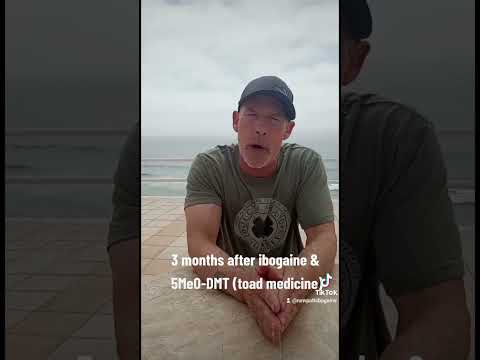
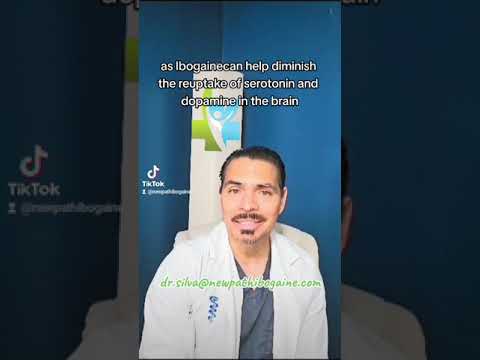
Video testimonials provide a powerful window into the transformative potential of Ibogaine. Below, you can watch real stories from veterans, first responders, and trauma survivors who traveled to Mexico for treatment. These unscripted accounts discuss their initial fears, the experience itself, and the lasting impact on their mental health and quality of life.
Insight: Listen for how patients describe the "integration" phase, as this is key to understanding the long-term benefits.
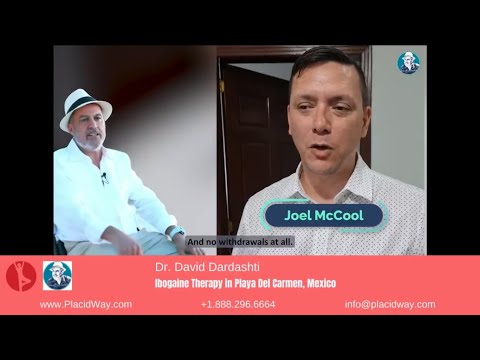
Honest feedback from past patients is essential for building trust in this alternative therapy. In this section, we present verified reviews from individuals who have undergone Ibogaine treatment in Mexico. Read about their experiences regarding staff empathy, facility safety, and the overall effectiveness of the treatment in alleviating their PTSD symptoms.
Review Tip: Look for reviews that mention the quality of pre-treatment medical screening, as this indicates a responsible provider.

PTSD Treatment in Mexico – Costs, Clinics & Recovery Options
PTSD can be overwhelming, affecting both mental and physical well-being. Traditional treatments don’t always provide lasting relief, leading many to explore PTSD treatment in Mexico, particularly ibogaine therapy. The cost of PTSD treatment in Mexico typically ranges between $6,300 and $11,500, depending on the clinic, treatment duration, and medical care provided. Compared to the U.S., where alternative treatments can cost significantly more, Mexico offers an affordable yet effective recovery option in a healing environment. Below, we’ll explore the best PTSD treatment centers in Mexico, treatment options, and costs, so you can make an informed decision for your recovery. Best PTSD Treatment Centers in Mexico Mexico is home to some of the most reputable PTSD treatment centers, offering a combination of ibogaine therapy, trauma recovery, and holistic wellness approaches. Below are some of the leading facilities specializing in PTSD treatment: 1. Experience Ibogaine Treatment Center – Tijuana, Mexico Experience Ibogaine Treatment Center in Tijuana and Rosarito Beach is recognized for its comprehensive ibogaine therapy programs designed specifically for PTSD recovery. Patients receive: A medically supervised environment ensures safety during treatment. Personalized treatment plans based on individual needs and trauma history. Aftercare support to help maintain long-term healing and stability. 2. Ibogaine by David Dardashti – Playa del Carmen, Mexico Ibogaine by David Dardashti situated in a tranquil beachfront setting, this clinic is well-known for its intensive ibogaine therapy for PTSD. The facility offers: Tailored treatment sessions for veterans and individuals with severe trauma. One-on-one counseling to enhance emotional and psychological healing. Post-therapy integration programs to ensure lasting results. 3. Ibogaine Cancun – Cancun, Mexico Ibogaine Cancun Center located in one of Mexico’s most serene destinations, this clinic offers a luxurious yet medically advanced setting for PTSD recovery. Services include: Supervised ibogaine therapy to assist with trauma processing. Medical evaluations before treatment to ensure patient suitability. Comprehensive recovery programs that include stress management and emotional healing. 4. Viraha Wellness Center – Cabo San Lucas, Mexico Viraha Wellness Center focuses on a holistic and natural approach to PTSD treatment, combining ibogaine therapy with other wellness techniques. Patients benefit from: A peaceful retreat-like setting ideal for deep emotional recovery. Therapeutic support including meditation, yoga, and nutritional counseling. Custom treatment plans address both PTSD and co-occurring conditions like depression and anxiety. 5. Genesis Ibogaine Clinic – Rosarito, Mexico Known for its dedicated PTSD and addiction recovery programs, Genesis Ibogaine Clinic offers: Expert-led ibogaine treatments designed to reset brain chemistry affected by PTSD. Pre-treatment assessments to ensure the safest and most effective therapy approach. A structured healing environment that supports long-term recovery. Each of these top PTSD treatment centers in Mexico provides a unique approach to healing, helping individuals break free from the effects of trauma while receiving high-quality care in a supportive, professional environment. Cost of PTSD Treatment in Mexico The following cost breakdown provides an estimate of PTSD treatment costs in Mexico at top clinics: Provider Location Cost in USD Details Experience Ibogaine Treatment Center Tijuana, Mexico $6,300 – $10,300 Medically supervised ibogaine therapy. Ibogaine by David Dardashti Playa del Carmen, Mexico $11,500 Holistic PTSD recovery program. Ibogaine Cancun Cancun, Mexico $9,800 Comprehensive ibogaine therapy with post-recovery care. Viraha Wellness Center Cabo San Lucas, Mexico $8,000 Integrative PTSD treatment with emotional therapy. Genesis Ibogaine Clinic Rosarito, Mexico $9,500 Safe and structured PTSD healing program. Note: Prices vary depending on treatment plans, medical care, and patient needs. How Ibogaine Therapy Helps with PTSD Ibogaine therapy is a breakthrough treatment for PTSD, offering unique benefits that traditional therapies often fail to provide. Here’s how it works: Neurochemical Reset: Ibogaine interacts with neurotransmitters like serotonin and dopamine, helping to rewire the brain’s response to trauma. Deep Emotional Healing: The treatment induces a dream-like state, allowing patients to confront and process past traumatic events. Reduction in PTSD Symptoms: Studies show ibogaine therapy can alleviate flashbacks, nightmares, and anxiety linked to PTSD. Dual Treatment for Addiction & PTSD: Many individuals with PTSD develop substance abuse disorders—ibogaine helps treat both conditions. Frequently Asked Questions (FAQs) 1. How much does PTSD treatment in Mexico cost? PTSD treatment in Mexico ranges from $6,300 to $11,500, depending on the clinic, treatment duration, and level of care provided. This is significantly more affordable than similar treatments in the U.S. 2. Is ibogaine therapy safe for PTSD? Yes, when administered in a professional clinic with medical supervision, ibogaine therapy is safe and effective. Leading Mexican clinics ensure 24/7 monitoring, pre-treatment evaluations, and structured post-care for the best outcomes. 3. How long does PTSD treatment take? Ibogaine therapy typically lasts 7–10 days, but some clinics offer longer, more holistic programs that extend up to 3 weeks for comprehensive healing. 4. What is included in the cost of PTSD treatment in Mexico? Most treatment centers offer all-inclusive packages covering: Medical assessments and health screenings. Ibogaine therapy sessions with professional supervision. Accommodation, meals, and wellness activities. Post-treatment counseling and aftercare support. 5. Why choose PTSD treatment in Mexico? Mexico offers: Lower costs than the U.S. for high-quality care. Top-rated ibogaine therapy centers with experienced specialists. A serene, healing environment away from daily stressors. Conclusion – How Much Does PTSD Treatment in Mexico Cost? The cost of PTSD treatment in Mexico typically falls between $6,300 and $11,500, making it a cost-effective yet high-quality alternative for those seeking long-term recovery. With top-tier ibogaine therapy centers, expert medical professionals, and holistic treatment approaches, Mexico continues to be a leading destination for PTSD healing. If you or a loved one is struggling with PTSD, consider Mexico’s best treatment centers and take the first step toward emotional healing and a brighter future.
How Much is Ibogaine Treatment in Mexico for PTSD? Price Details and What’s Included
The Ibogaine treatment cost in Mexico for PTSD typically ranges from $5,000 to $12,000. This price generally covers extensive medical screening, physician-supervised administration, psychological integration, and luxury accommodation for a 5 to 10-day stay. Key Takeaways: Cost and Care Details Comprehensive Packages: Costs are generally all-inclusive, covering medical, therapeutic, and hospitality needs. Medical Oversight: Prices reflect the presence of cardiologists and emergency-trained medical teams. Integration Support: Quality programs dedicate significant resources to pre- and post-session psychotherapy. Facility Tiers: Pricing varies largely based on whether the facility is a clinical hospital setting or a luxury wellness resort. Tailored Protocols: Trauma-specific dosing regimens differ from severe addiction protocols, often influencing the final cost. What exactly is included in the Ibogaine treatment cost in Mexico for PTSD? The comprehensive fee covers pre-treatment cardiological exams, the active medicine, 24-hour medical monitoring, specialized psychotherapy, private lodging, and carefully curated nutrition designed to support neurogenesis. When you invest in this profound therapeutic journey, you are not simply paying for the plant derivative itself. A reputable Ibogaine treatment clinic in Mexico structures its pricing to reflect a highly controlled, medically intensive environment. The largest portion of your fee ensures that licensed doctors, emergency responders, and experienced integration coaches are entirely dedicated to your case throughout the active experience and recovery phase. Below is a detailed breakdown of what standard luxury packages include to help you understand the value behind the investment. It is crucial to remember that cutting costs in this specific field often means compromising on vital safety measures. Service Component Cost Status Description Medical Diagnostics Included Comprehensive EKGs, liver function tests, and blood chemistry panels. Clinical Supervision Included Continuous heart rate monitoring by ACLS-certified medical staff. Psychotherapy Included Pre-session intention setting and post-session trauma integration. Hospitality & Nutrition Included Private suites and brain-boosting organic meals prepared by chefs. Why do patients choose Ibogaine treatment in Mexico for trauma and PTSD? Patients travel south because the therapy is unregulated and legally accessible, allowing world-class medical professionals to administer the treatment openly. It offers a profound neurological reset that traditional talk therapy and SSRIs often fail to achieve. Post-traumatic stress disorder creates deep, rigid neural pathways that keep the brain trapped in a state of hyperarousal and constant threat detection. Many individuals spend years trying conventional psychiatric medications and cognitive behavioral therapies with limited success. The decision to seek out Ibogaine treatment in Mexico stems from the medicine's unique ability to interrupt these rigid pathways and promote rapid neuroplasticity. The core active alkaloid interacts with multiple neurotransmitter systems simultaneously. It promotes the release of glial cell line-derived neurotrophic factor, essentially acting as a fertilizer for new, healthy neural connections. Patients frequently report that the experience allows them to view their traumatic memories objectively, stripping away the visceral emotional pain associated with the past events. Furthermore, the geographical proximity to the United States and Canada makes it highly convenient. The growing infrastructure supporting medical tourism in Mexico ensures that visiting patients have access to internationally accredited safety standards, English-speaking clinical staff, and tranquil environments highly conducive to profound emotional healing. Did You Know? Many combat veterans who suffer from treatment-resistant trauma describe the experience as packing ten years of intensive psychotherapy into a single night. The process allows them to process grief and survivor guilt from a state of deep emotional detachment. How does a standard Ibogaine treatment clinic in Mexico ensure patient safety? Top-tier clinics mandate rigorous pre-screening, employ licensed cardiologists, and utilize continuous telemetry monitoring during the active phase. Emergency protocols and advanced life support equipment are always physically present in the treatment room. Safety is the most critical component of this intensive protocol. The root alkaloid can temporarily slow the heart rate and affect the electrical rhythm of the heart. To mitigate these risks, an elite Ibogaine treatment clinic in Mexico operates more like a boutique intensive care unit than a traditional spiritual retreat. Patient safety protocols begin weeks before arrival with comprehensive medical questionnaires and local blood testing. Once on-site, the physical environment is strictly controlled. Patients are connected to continuous EKG monitors, and intravenous lines are established prior to medicine administration. This allows the medical team to maintain hydration, balance electrolytes, and have immediate access for emergency medications should the patient experience any rare cardiovascular anomalies. Additionally, psychological safety is prioritized just as highly. The altered state of consciousness can be incredibly intense. Trained psychiatric nurses and experienced sitters remain by the bedside without interruption, providing grounding techniques and emotional reassurance to prevent panic or distress while the patient navigates their traumatic memories. What medical tests are required before undergoing Ibogaine treatment in Mexico? Patients must pass a comprehensive cardiovascular and metabolic screening. Mandatory tests include a resting 12-lead EKG, a complete metabolic panel, a complete blood count, and extensive liver and kidney function tests. Electrocardiogram Evaluation: A detailed EKG is the absolute non-negotiable requirement. Doctors specifically analyze the QT interval to ensure the heart rhythm is perfectly stable before administration. Complete Metabolic Panel: This test checks crucial electrolyte levels like potassium and magnesium, which must be perfectly balanced to prevent arrhythmias during the deep therapeutic state. Hepatic Function Panel: Because the liver metabolizes the plant medicine into its active secondary metabolite, doctors must confirm optimal liver health for safe processing and clearance. Substance Screening: Patients must be completely free of certain psychiatric medications like SSRIs and specific stimulants, requiring a carefully managed tapering process prior to admission. Psychological Assessment: Clinical psychologists conduct thorough evaluations to ensure the patient possesses the mental resilience necessary for the profound introspective journey ahead. How does the price of PTSD therapy compare to traditional medical tourism in Mexico? Unlike standard dental or cosmetic tourism which focuses on singular procedures, this therapy is an intensive multi-day residential program. The higher cost reflects the continuous psychiatric care, luxury room and board, and specialized physiological monitoring. When individuals research standard medical tourism in Mexico, they often expect massive cost savings compared to northern healthcare systems. While the Ibogaine treatment cost in Mexico is certainly more accessible than private luxury rehabs in the US or Europe, it remains a significant financial investment. The fundamental difference lies in the length and intensity of the required care. A typical cosmetic procedure involves a few hours in an operating room followed by hotel recovery. In contrast, trauma healing protocols demand a highly specialized team working around the clock for a week or more. The overhead costs for maintaining emergency medical equipment, a full staff of doctors and therapists, and organic culinary teams at a private retreat center are substantial. Furthermore, because the legal status allows these clinics to operate openly, they heavily invest in creating serene, high-end environments. The price incorporates the value of a distraction-free, profoundly supportive sanctuary where patients can focus entirely on rebuilding their psychological foundations without the stress of conventional hospital environments. Expert Insight Providers often note that treating trauma requires a distinctly different dosing strategy compared to opioid detox. The therapeutic goal is deep emotional unblocking rather than chemical receptor reset, which requires highly refined medicine purity and expert clinical pacing. What is the psychological integration process like at an Ibogaine treatment clinic in Mexico? Integration involves structured therapeutic sessions where patients analyze the visions and insights gained during the experience. Counselors help translate these profound neurological shifts into sustainable, healthy behavioral changes. The active hallucinogenic phase is merely the surgical intervention; integration is the physical therapy that follows. An elite Ibogaine treatment clinic in Mexico places immense emphasis on the days immediately following the medicine administration. The brain enters a highly neuroplastic state, creating a rare window of opportunity to establish new cognitive habits and dismantle trauma triggers. During the gray day (the day of profound physical fatigue post-treatment), patients rest while processing raw emotions. The subsequent days are filled with one-on-one sessions with trauma-informed therapists. They utilize techniques like somatic experiencing and cognitive reframing to help patients make logical sense of the abstract or intensely emotional visions they encountered. Without proper integration, the afterglow effect can fade, and old neural pathways can reassert themselves. The Ibogaine treatment cost in Mexico almost always includes comprehensive post-care planning. Clinics provide tools for mindfulness, emotional regulation, and ongoing virtual support networks to ensure the profound breakthroughs achieved in the clinical setting permanently transform the patient's daily life. Are there different facility tiers affecting the Ibogaine treatment cost in Mexico? Yes, prices vary significantly between standard clinical settings ($5,000 range) and luxury resort-style sanctuaries ($10,000+ range). The variance depends entirely on accommodation lavishness, privacy levels, and holistic add-ons. Standard Medical Tier: These facilities prioritize clinical excellence over lavish decor. You receive top-tier medical safety, shared or basic private rooms, and standard therapeutic care at the lower end of the pricing spectrum. Boutique Wellness Tier: Mid-range options often provide private beachfront or mountain suites, enhanced privacy, and a more intimate staff-to-patient ratio for deeply personalized emotional support. Executive Luxury Tier: Catering to high-net-worth individuals, these centers offer massive private villas, personal chefs, equine therapy, private yoga instructors, and extended integration programs. Complementary Therapies: Premium tiers often include advanced holistic bio-hacking tools like NAD+ IV drips, hyperbaric oxygen chambers, and customized peptide therapies to accelerate brain healing. Aftercare Duration: Higher costs frequently reflect extended post-treatment virtual counseling, sometimes providing weekly integration therapy for months after returning home. How long does the therapeutic effect of Ibogaine treatment in Mexico last for PTSD? The profound neuroplastic window generally lasts for three to six months post-treatment. However, with dedicated integration work and lifestyle changes, the psychological relief from trauma symptoms can become permanent. The immediate aftermath of the therapy is often described as an afterglow phase. The active metabolite, noribogaine, remains in the body for several weeks, continuing to elevate mood and stabilize the central nervous system. During this period, patients report a drastic reduction in hypervigilance, night terrors, and intrusive trauma memories. However, the medicine is a powerful catalyst, not a magic cure. The longevity of the results depends heavily on the patient's commitment to the integration process. Because the brain is highly malleable in the months following a visit to an Ibogaine treatment clinic in Mexico, establishing healthy routines, engaging in continued talk therapy, and practicing mindfulness are essential to cementing the new neural pathways. For individuals who utilize this neuroplastic window effectively, the resolution of severe PTSD symptoms can be lifelong. Many veterans and trauma survivors consider a single profound session as the definitive turning point in their lives, finally allowing them to process the past without being emotionally hijacked by it. Why Choose PlacidWay for booking your Ibogaine treatment in Mexico? PlacidWay serves as your premier medical tourism advocate, connecting you strictly with comprehensively vetted, medically supervised centers while guaranteeing price transparency and exceptional patient communication. Navigating the complex landscape of alternative medicine abroad requires profound due diligence. PlacidWay removes the uncertainty by thoroughly evaluating facilities against strict global safety standards. Here is why patients trust our platform for their trauma healing journey: Rigorous Facility Vetting: We partner exclusively with centers that employ board-certified doctors, licensed psychotherapists, and maintain fully equipped emergency response capabilities on-site. Transparent Price Negotiation: We ensure you receive a clear, all-inclusive cost breakdown upfront, preventing any hidden fees for medical screening, therapies, or mandatory aftercare protocols. Secure Medical Record Transfer: Our platform facilitates the highly confidential and efficient exchange of your pre-treatment EKGs, blood panels, and psychological assessments directly to the lead clinicians. Dedicated Patient Advocacy: From the initial consultation request to post-treatment follow-ups, our communication team acts as a liaison, ensuring you fully understand the medical protocols and expectations. Focus on Specialized Protocols: We uniquely identify clinics that specialize specifically in complex trauma and PTSD, ensuring you receive customized psychiatric dosing rather than generalized substance recovery care. Frequently Asked Questions About PTSD Therapy in Mexico Is it legal to undergo Ibogaine therapy for PTSD in Mexico? Yes, utilizing this plant medicine is unregulated and fully legal in the country. This regulatory environment allows medical professionals to operate specialized facilities and administer the medicine legally under strict clinical supervision, unlike in many Northern countries where it remains classified as a schedule one substance. How long should I stay in the country for a complete PTSD program? For severe trauma and psychological reset, a minimum stay of seven to ten days is highly recommended. This duration ensures ample time for pre-treatment cardiovascular testing, the active medicine day, and several crucial days of psychological integration before you return to your normal environment. Does health insurance cover alternative PTSD therapies abroad? Traditional health insurance providers currently do not cover psychedelic or alternative therapies administered internationally. Patients must cover the expenses out of pocket, which is why transparent pricing and all-inclusive packages are vital when planning your therapeutic journey. What is the difference between standard retreats and medical facilities? Standard retreats often focus heavily on the spiritual aspect with minimal medical oversight. A certified clinical facility employs cardiologists, emergency response teams, and licensed psychotherapists who monitor your vital signs continuously, ensuring maximum safety alongside profound psychological healing. Can I combine other holistic therapies with my primary protocol? Absolutely. Many premier centers incorporate complementary modalities such as hyperbaric oxygen therapy, equine therapy, sound healing, and specialized nutritional infusions. These additions help stabilize the nervous system and enhance neuroplasticity following the primary intervention. Are there specialized centers focusing only on trauma rather than addiction? Yes, while many facilities focus on substance detox, a growing number of specialized centers cater exclusively to veterans, first responders, and individuals suffering from complex post-traumatic stress. These programs utilize lower dosing protocols specifically tailored for emotional processing rather than severe withdrawal management. How do cardiovascular risks impact eligibility for this therapy? The medicine naturally lowers the resting heart rate and can prolong the QT interval, making cardiovascular health the most critical eligibility factor. Comprehensive clinics require extensive pre-arrival electrocardiograms and metabolic panels to definitively rule out arrhythmias or heart conditions. What happens if I experience anxiety during the active medicine phase? It is completely normal to experience challenging emotions during the peak phase. Professional facilities have specialized psychological sitters and medical staff beside your bed the entire time to provide grounding techniques, reassurance, and if absolutely necessary, medical intervention to keep you comfortable. Is post-care counseling provided after returning home from the center? Premium centers prioritize aftercare by offering virtual integration sessions for several weeks or months post-treatment. Integration counselors help you unpack the profound realizations gained during your stay and translate them into actionable, healthy lifestyle changes in your daily routine. How has alternative healthcare impacted local wellness hubs like Tijuana and Cancun? The influx of international patients seeking alternative psychological treatments has transformed regions like Baja California and the Riviera Maya into sophisticated medical hubs. These areas now boast state-of-the-art hospitals, specialized holistic centers, and infrastructure entirely dedicated to providing world-class care to international visitors. Begin Your Path to Psychological Healing Do not let complex trauma dictate your future. PlacidWay connects you with elite, medically supervised centers dedicated to profound emotional resets. Request a free, transparent quote today to connect with clinical specialists and review premium treatment packages tailored for trauma recovery. Get Your Free Quote * Responses typically within 24 hours. Medical confidentiality strictly guaranteed.
Psychedelic Therapy in Mexico for Veterans: Understanding How Ibogaine Can Aid in PTSD Recovery
Ibogaine therapy in Mexico helps veterans overcome PTSD by resetting neural pathways and processing severe trauma. Programs range from 5 to 10 days, offering medical supervision and psychological support to ensure safe and effective recovery. Key Takeaways: Healing Combat Trauma Neurological Reset: The medicine promotes neuroplasticity, allowing the brain to bypass deeply ingrained trauma responses. Comprehensive Safety: Premium centers provide continuous EKG monitoring and ACLS-certified medical staff. Psychological Integration: Post-treatment therapy is prioritized to turn psychedelic insights into lifelong coping mechanisms. Accessible Destinations: Cross-border programs offer a legal, safe, and highly regulated environment for international patients. For thousands of military veterans, traditional pharmaceutical interventions and talk therapies fall short in treating severe Post-Traumatic Stress Disorder. The relentless cycle of hyperarousal, night terrors, and emotional numbness drives many to seek alternative healing modalities. Among these, an African root bark derivative has emerged as a groundbreaking intervention. This comprehensive guide explores how international treatment centers are utilizing this powerful alkaloid to help combat veterans reclaim their lives. How does this plant medicine specifically target PTSD symptoms in veterans? The medicine interrupts the brains default mode network and releases vital neurotrophic factors. This allows veterans to process traumatic memories objectively without triggering an overwhelming physiological panic response. Post-Traumatic Stress Disorder physically alters the brain, keeping the amygdala in a constant state of high alert. When a veteran experiences a trigger, their brain reacts as if the life-threatening event is happening in real-time. This psychoactive compound works fundamentally differently than standard SSRI medications, which merely attempt to blunt these emotional responses. Instead, it temporarily dampens the default mode network, the area of the brain responsible for our rigid, repetitive thought patterns. During the deeply introspective visionary phase, patients often report viewing their combat experiences as if watching a movie on a screen. Because the fear centers of the brain are quieted by the medicine, veterans can revisit these horrifying memories without the associated emotional agony. This objective detachment allows them to re-contextualize the trauma, process survivor guilt, and find a sense of inner forgiveness that traditional exposure therapy rarely achieves. Furthermore, clinical observations show that the compound triggers a massive release of Glial Cell Line-Derived Neurotrophic Factor. This protein stimulates neuroplasticity, essentially rewiring the brain and repairing dopamine and serotonin pathways damaged by chronic stress. This biological reset provides a crucial window of opportunity where new, healthy thought patterns can be established, offering profound and lasting relief from hypervigilance and depression. Did You Know? The indigenous Bwiti tribes of Central Africa have used this root bark for centuries in their spiritual initiation rites. Today, modern science is validating what these traditional healers have long known about the plants profound ability to heal the mind and spirit. What should patients budget for the overall ibogaine therapy cost in Mexico? The average ibogaine therapy cost in Mexico ranges from $5,000 to $12,000 depending on the length of stay and level of medical care. Comprehensive packages cover medical screening, the procedure, accommodations, and post-care therapy. Understanding the financial investment required for this specialized healing journey is vital. Because the treatment involves an intensive, multi-day clinical protocol rather than a simple outpatient visit, the pricing reflects the high level of specialized medical infrastructure needed. Cheaper options exist, but cutting corners on cardiovascular safety and psychiatric support can lead to dangerous outcomes. Service Component Estimated Cost Contribution Details Medical Screening $500 - $1,000 EKG, liver function, comprehensive blood panels. Clinical Procedure $3,000 - $6,000 The medicine, 24-hour nursing, physician oversight. Accommodation & Meals $1,000 - $3,000 7 to 10 days in a private, medically equipped suite. Integration Therapy $500 - $2,000 Post-treatment psychological counseling and coaching. When evaluating different facilities, it is crucial to ask for a fully itemized quote. High-end centers often include holistic therapies such as hyperbaric oxygen therapy, equine therapy, and acupuncture to aid in the physical recovery process. These additions push the cost toward the higher end of the spectrum but provide a much softer landing after the intense visionary experience. What factors define a reputable ibogaine therapy clinic in Mexico? A premier ibogaine therapy clinic in Mexico prioritizes cardiovascular safety above all else. They utilize comprehensive vetting, rigorous monitoring, and employ specialized psychiatric professionals. Advanced Cardiac Life Support Certification: The attending medical doctor and lead nursing staff must possess current ACLS credentials to handle any rare but serious heart rhythm abnormalities instantly. Continuous EKG Telemetry: Patients must be connected to state-of-the-art cardiovascular monitors for the entire duration of the flood dose, with alarms set to trigger at any sign of bradycardia or QT prolongation. Comprehensive Crash Carts: The treatment room must be equipped exactly like a hospital emergency room, containing defibrillators, emergency oxygen, and intravenous medications to stabilize patients if needed. Trauma-Informed Therapists: Staff should include licensed psychologists or integration coaches who specialize in military trauma, helping veterans unpack and categorize the profound visions experienced during treatment. Low Patient-to-Staff Ratio: Reputable centers treat only a handful of patients at a time. A strict one-to-one nursing ratio during the acute administration phase guarantees complete safety and immediate assistance. Why is medical tourism in Mexico the leading choice for psychedelic healing? Medical tourism in Mexico offers legal access to this plant medicine within highly sophisticated, clinical settings. The proximity to the United States makes travel logistically simple for struggling veterans. Because the federal government in the United States classifies this specific alkaloid as a Schedule I substance, domestic clinical use is completely prohibited. This legal barrier forces veterans seeking alternative trauma treatments to look internationally. South of the border, the substance is unscheduled and fully legal to administer, creating a unique environment where the treatment can be brought out of the underground shadows and into properly equipped medical facilities. Over the past decade, distinct healthcare corridors in areas like Baja California, Cancun, and Puerto Vallarta have developed world-class infrastructure specifically designed for international patients. These areas cater directly to English-speaking travelers, offering seamless transportation from major US airports, private hospital-grade recovery suites, and medical staff trained according to international safety standards. Choosing this established cross-border healthcare route ensures that veterans are not participating in unsafe jungle retreats. Instead, they receive care in pristine, clinically sterile environments. This professional atmosphere drastically reduces pre-treatment anxiety, allowing the patient to fully surrender to the psychological process knowing their physical body is being guarded by modern medical science. Expert Insight The most significant danger in psychedelic therapy is a lack of cardiovascular screening. The medicine inhibits specific potassium channels in the heart. Without a proper baseline EKG and continuous monitoring, patients with underlying congenital heart defects are placed at extreme risk. Never undergo this treatment outside of a clinical setting. What comprehensive medical tests are mandatory before starting treatment? Strict medical clearance is non-negotiable. Facilities require advanced cardiovascular imaging, comprehensive metabolic panels, and psychiatric evaluations to prevent fatal contraindications. 12-Lead Electrocardiogram: This is the most critical test. It measures the electrical activity of the heart to ensure the patient does not have a pre-existing long QT syndrome, which is an absolute contraindication for this therapy. Comprehensive Metabolic Panel: Doctors check kidney and liver function. Because the liver enzyme CYP2D6 metabolizes the medicine, poor liver function can lead to toxic build-up in the bloodstream. Complete Blood Count: Used to check for severe anemia or underlying infections that could compromise the immune system during the physically exhausting recovery days. Echocardiogram or Stress Test: For older veterans or those with a history of hypertension, an ultrasound of the heart or a treadmill test may be required to verify structural heart integrity. Psychiatric Evaluation: Patients with a history of schizophrenia, bipolar disorder, or active psychosis are screened out, as powerful hallucinogens can exacerbate these specific psychiatric conditions. How many days does a standard clinical program last for severe trauma? A safe and effective program spans seven to ten days. This timeline allows for proper medical induction, the intensive flood dose period, and crucial consecutive days dedicated to rest and mental integration. The journey begins with an arrival and stabilization period. The first two days are dedicated to physical acclimation, reviewing blood work, and engaging in intention-setting workshops with therapists. Patients are introduced to their medical team and familiarize themselves with the monitoring equipment, which drastically reduces pre-flight anxiety before the active treatment begins. The core of the experience, often called the flood dose day, involves administering the calculated medicine based on the patients body weight. The acute visionary phase lasts anywhere from eight to twelve hours, during which the patient lies in a darkened, quiet room wearing an eye mask. This is followed immediately by the gray day, a twenty-four-hour period characterized by physical exhaustion, brain fog, and intense introspection as the body slowly clears the alkaloids. The final three to four days are arguably the most important. During this post-treatment window, the patient experiences a profound afterglow. They participate in daily counseling sessions to articulate their visions, walk in nature, and receive gentle holistic treatments like massage or IV nutrient therapy to rebuild their physical strength before traveling home. Why is post-treatment psychological integration vital for lasting PTSD relief? The medicine opens a temporary window of intense neuroplasticity. Professional integration helps veterans translate abstract visions into concrete, actionable lifestyle changes to prevent trauma relapse. Many people mistakenly view psychedelic medicine as a magic bullet that instantly cures mental illness. In reality, the profound visions and emotional unblocking experienced during the flood dose are merely the foundation. The real work begins after the medicine has left the body. Without proper guidance, the profound insights gained can quickly fade as the veteran returns to the stressors of their daily civilian life. Integration therapy bridges the gap between the psychedelic realm and everyday reality. Specialists help veterans unpack complex, often confusing symbolic visions and apply them to their specific combat traumas. If a veteran experienced a vision of laying down their armor, a therapist helps them figure out what emotional armor they need to shed in their relationship with their spouse or children. Top-tier clinical programs mandate extensive follow-up care. This usually involves weekly telehealth sessions for several months post-treatment. During this highly neuroplastic window, patients find it significantly easier to adopt new habits like mindfulness meditation, regular exercise, and open communication. The coaching holds them accountable, ensuring the neurological reset is solidified into permanent behavioral change. Are there specific medication tapering requirements prior to treatment? Yes, veterans must undergo a strict tapering protocol for most psychiatric medications. Combining SSRIs or SNRIs with this plant medicine can trigger fatal serotonin syndrome. Preparation for this journey requires significant discipline, particularly regarding pharmaceutical use. Many veterans with PTSD are prescribed a heavy cocktail of antidepressants, anti-anxiety medications, and sleep aids. Because the psychedelic compound radically affects serotonin and dopamine receptors, mixing it with standard psychiatric medications creates a highly dangerous chemical collision in the brain. Patients are typically required to work with their prescribing physician at home to slowly taper off SSRIs like Sertraline or Fluoxetine over several weeks. A complete washout period of at least two to four weeks is mandatory before arriving at the clinic. Failure to fully clear these medications from the system can result in severe seizures, hyperthermia, and potentially fatal cardiac events during the flood dose. Additionally, certain blood pressure medications, stimulants like Adderall, and excessive caffeine or alcohol must be eliminated prior to intake. The goal is to present the body in its cleanest possible state so the liver can focus entirely on metabolizing the plant alkaloids. Reputable clinics will run comprehensive drug screens upon arrival to verify the patients system is completely clear before proceeding. Why Choose PlacidWay for organizing your healing journey? PlacidWay acts as an independent patient advocate, connecting veterans with thoroughly vetted, highly credentialed facilities while ensuring transparent pricing and comprehensive medical coordination. Rigorous Facility Vetting: We eliminate the guesswork by partnering exclusively with centers that mandate ACLS certifications, employ continuous EKG monitoring, and maintain pristine safety records. Transparent Financial Structures: We guarantee clear, upfront pricing for your treatment. Our network ensures you receive fully itemized quotes so there are never any surprise medical bills upon arrival. Seamless Medical Coordination: Our team facilitates the secure transfer of your complex medical records, EKG results, and psychiatric histories directly to the attending specialists before you even book your treatment. Dedicated Patient Advocacy: Navigating foreign healthcare systems can be stressful. We assign dedicated representatives to answer clinical questions, provide translation assistance, and act as your liaison throughout the entire process. Strict Privacy Protocols: We understand the sensitive nature of PTSD treatment and military service. All communications and health data are handled with the highest level of confidentiality and encrypted security. Frequently Asked Questions About Psychedelic Treatment Is the use of ibogaine legal for medical applications across Mexican states? Yes, this specific psychedelic compound is currently unscheduled and unregulated by the federal government south of the US border. This unique legal status allows licensed medical professionals and specialized facilities to administer the treatment legally. Because of this framework, a robust infrastructure for international patients has developed, ensuring that treatments are conducted in clinical settings rather than underground environments. Can veterans continue taking standard psychiatric medications during their stay? Patients absolutely cannot mix traditional psychiatric medications like SSRIs, SNRIs, or anti-anxiety drugs with this psychedelic medicine. Combining these substances creates a severe risk of serotonin syndrome and fatal cardiac arrhythmias. Attending physicians require a strict tapering and washout period, sometimes lasting several weeks, before a patient can safely receive the flood dose. What physical sensations occur during the acute phase of the psychedelic experience? During the acute phase, patients often experience intense physical heaviness, a buzzing sensation, and profound ataxia, meaning they are unable to walk or coordinate movement safely. Nausea and vomiting are also highly common as the body processes the root alkaloid. Medical staff provide continuous monitoring and often administer anti-nausea medications to keep the patient as comfortable as possible while the psychological processing occurs. Are there specialized treatment protocols in Baja California clinics tailored for combat trauma? Many facilities located in the Baja California region have developed specialized protocols specifically for combat veterans. These protocols differ from addiction treatments by focusing less on physical detox and more on psychological integration, trauma-informed care, and overcoming moral injury. They often employ therapists who have specific experience dealing with military-related psychological distress. How quickly do patients report improvements in their psychological well being? Many individuals report a significant reduction in hyperarousal, anxiety, and intrusive thoughts within forty-eight hours after the acute experience concludes. The medicine provides a profound reset of the default mode network, often described as wiping the slate clean. However, experts emphasize that this rapid relief must be supported by ongoing therapy to ensure long-term sustainability. What emergency medical certifications must the attending clinical staff possess? Top-tier facilities require their attending physicians and lead nurses to hold Advanced Cardiovascular Life Support certifications. Because the medicine can cause fluctuations in heart rhythm, particularly prolonging the QT interval, the staff must be fully trained to interpret continuous EKG readings and respond instantly to any cardiac anomalies using fully stocked emergency crash carts. Will Veterans Affairs provide reimbursement for international psychedelic treatments? The Department of Veterans Affairs does not currently cover, endorse, or reimburse any costs associated with international psychedelic programs. Because the substance remains a Schedule I drug in the United States, all related international care must be paid for out of pocket or through private charitable veteran organizations that sponsor these specific healing journeys. How does the success rate of this alternative method compare to traditional exposure therapy? While large-scale clinical trials are still limited, observational studies and patient advocacy groups report profoundly higher retention and success rates compared to traditional exposure therapies. Traditional methods often re-traumatize patients, leading to high dropout rates. This alternative allows patients to review their trauma objectively without the associated emotional panic, leading to faster and more complete cognitive processing. What specific cardiac monitoring protocols are utilized during the flood dose? Patients are connected to continuous twelve-lead electrocardiogram monitors throughout the entire duration of the acute phase. Medical staff carefully watch for any dangerous elongation of the QT interval or signs of bradycardia. Vitals such as blood pressure and oxygen saturation are also recorded every fifteen to thirty minutes to ensure absolute cardiovascular stability. Can supportive family members stay at the facility during the recovery process? Policies vary by facility, but many high-quality centers encourage a spouse or trusted family member to accompany the patient. While the family member is usually not permitted in the treatment room during the visionary phase to prevent emotional distraction, their presence during the integration days is highly beneficial for establishing a supportive home environment post-treatment. Begin Your Journey to Lasting Peace Today Do not navigate this profound medical decision alone. Let PlacidWay connect you with top-rated, medically secure centers offering specialized care. Get a free, confidential quote, receive a thorough treatment review from certified physicians, and start your path to genuine trauma recovery. Get Your Free Quote * Secure and confidential. Responses typically provided within 24 hours.
What is the cost of Psychedelic Therapy for PTSD in Mexico?
Post-traumatic stress disorder (PTSD) can be a debilitating condition, and for many, traditional treatments haven't provided the relief they desperately need. This has led to a growing interest in alternative therapies, with psychedelic PTSD treatment in Mexico emerging as a promising option. The use of substances like psilocybin and ibogaine in therapeutic settings is offering new hope for those struggling with the long-term effects of trauma. This guide will explore the ins and outs of this innovative approach, answering the most common questions people have about seeking this type of treatment in Mexico. The conversation around mental health is evolving, and so are the treatments. In Mexico, a combination of traditional ceremonial use and modern therapeutic protocols creates a unique environment for healing. For many, especially veterans and first responders, the opportunity to engage in psychedelic-assisted therapy in a legal and supportive setting is a significant draw. This comprehensive resource will delve into what you need to know about this burgeoning field of mental healthcare. What is Psychedelic PTSD Treatment? "Psychedelic PTSD treatment is a form of therapy that involves the use of psychedelic substances, such as psilocybin or ibogaine, in a controlled and supportive setting to help individuals process and heal from trauma." This therapeutic model is not simply about taking a substance. It's a structured process that includes preparation, the psychedelic experience itself, and crucial integration sessions afterward. The goal is to access and re-process traumatic memories in a way that reduces their emotional charge. The psychedelic substance is believed to increase neuroplasticity, allowing the brain to form new, healthier neural pathways and break free from the rigid patterns of thinking and feeling associated with PTSD. The therapeutic environment is paramount. A trained facilitator or therapist guides the individual through the experience, ensuring their physical and emotional safety. This supportive presence helps the person navigate the often-intense journey of confronting deeply held trauma. The aim is to emerge with a new perspective on past events and a greater sense of peace and wholeness. Why are People Traveling to Mexico for Psychedelic Therapy? "People are traveling to Mexico for psychedelic therapy primarily because certain psychedelic substances, often used in traditional indigenous ceremonies, are not illegal for therapeutic use in the same way they are in many other countries, making these treatments more accessible." Mexico has a long history of using psychedelic plants in spiritual and healing rituals. This cultural acceptance, combined with a growing number of professional retreats and clinics, has positioned the country as a key destination for psychedelic tourism. For individuals from countries where these substances are heavily restricted, Mexico offers a legal and structured environment to explore their therapeutic potential. Furthermore, many centers in Mexico have developed specialized programs for conditions like PTSD, often staffed by experienced facilitators, therapists, and medical professionals. This provides a level of care and expertise that can be difficult to find elsewhere. The opportunity to disconnect from daily life and immerse oneself in a healing-focused environment is also a significant factor for many who make the journey. What Types of Psychedelic Treatments are Available in Mexico for PTSD? "The most common types of psychedelic treatments available in Mexico for PTSD include psilocybin therapy, using 'magic mushrooms,' and ibogaine therapy, derived from the iboga plant. Ketamine-assisted therapy is also available in some clinical settings." Psilocybin, the active compound in magic mushrooms, is known for its ability to induce profound introspective experiences and facilitate emotional release. In a therapeutic context, it can help individuals confront and re-process traumatic memories from a detached and more compassionate perspective. Psilocybin retreats in Mexico often incorporate elements of traditional ceremony alongside modern therapeutic practices. Ibogaine is a psychoactive substance derived from the root bark of the Tabernanthe iboga plant. While it has gained significant attention for its use in treating addiction, it is also being explored for its potential to address deep-seated trauma. Ibogaine is known for inducing a dream-like state where individuals may revisit past experiences, offering an opportunity for resolution and healing. It's a powerful substance that requires careful medical supervision. Is Psychedelic PTSD Treatment in Mexico Legal? "The legal status of psychedelic substances in Mexico can be complex and exists in a gray area. While the recreational use and sale of many psychedelics are illegal, the traditional ceremonial use of substances like psilocybin mushrooms is often tolerated, allowing for the operation of therapeutic retreats." It's crucial to understand that while many retreats and clinics operate openly, the legal framework is not as clear-cut as in a fully regulated medical system. The use of these substances within a traditional, ceremonial context by indigenous communities is protected. Many psychedelic retreats operate under this umbrella. Before considering treatment in Mexico, it's essential to research the specific legal standing of the substance and the center you are considering. Reputable centers will be transparent about their legal status and the measures they take to ensure the safety and legality of their programs. How Much Does Psychedelic PTSD Treatment Cost in Mexico? "The cost of psychedelic PTSD treatment in Mexico can vary widely, typically ranging from $2,000 to $10,000 or more, depending on the substance, the length of the program, and the level of medical and therapeutic support provided." A multi-day psilocybin retreat, for instance, might fall in the lower to mid-range of this spectrum, while a medically supervised ibogaine treatment, which often requires more intensive care and a longer stay, will likely be at the higher end. These costs usually include the psychedelic sessions, accommodation, meals, and integration support. When evaluating the cost, it's important to consider what is included. Look for programs that offer comprehensive support, including pre-treatment screening and post-treatment integration, as these are critical components of a successful therapeutic outcome. What are the Risks of Psychedelic Therapy for PTSD? "The risks of psychedelic therapy for PTSD include the potential for challenging psychological experiences, also known as a 'bad trip,' and in rare cases, the worsening of some psychological symptoms. Medical risks can also be present, especially with a substance like ibogaine, making thorough screening and medical supervision essential." The psychological risks can often be mitigated with proper preparation and the guidance of a skilled facilitator. A challenging experience can even be therapeutically valuable if navigated correctly. However, individuals with a personal or family history of psychosis (like schizophrenia) are generally not considered suitable candidates for this type of therapy. Medically, it is vital to undergo a comprehensive screening process to identify any underlying health conditions that could pose a risk. This is particularly true for ibogaine, which can have significant effects on the heart. Always be completely honest about your medical history and any medications you are taking. How Do I Choose a Reputable Psychedelic Therapy Provider in Mexico? "To choose a reputable psychedelic therapy clinic in Mexico, look for centers with experienced and well-trained facilitators, a strong emphasis on safety and medical screening, positive and verifiable testimonials, and a comprehensive program that includes preparation and integration." Here are some key factors to consider: Experience and Credentials: Who will be guiding your experience? What is their training and background? Safety Protocols: What medical screening is required? Is there medical staff on-site? What are their emergency procedures? Therapeutic Framework: Do they offer preparation and integration support? What is their therapeutic approach? Transparency: Are they open about their legal status, costs, and what is included in their program? Reviews and Testimonials: What are past participants saying about their experiences? What is the Role of Integration After Psychedelic Therapy? "Integration is the process of taking the insights and experiences from a psychedelic journey and applying them to your daily life. It is a critical component of psychedelic PTSD treatment that helps to ensure lasting change." The psychedelic experience can be profound and revelatory, but without proper integration, the benefits can fade over time. Integration can involve talking about your experience with a therapist or a support group, journaling, meditation, or other practices that help you make sense of your journey. A good psychedelic therapy program will have a robust integration component. This might include follow-up sessions with a therapist, group sharing circles, and resources to support you as you return to your everyday life. This ongoing support is crucial for translating the powerful insights of the psychedelic experience into meaningful and lasting healing. Are there Psychedelic Retreats Specifically for Veterans with PTSD in Mexico? "Yes, there are a number of psychedelic retreats in Mexico that specifically cater to veterans with PTSD, often providing a supportive community of peers and facilitators who understand the unique challenges of military-related trauma." These retreats recognize that the shared experience of military service can create a powerful bond and a safe container for healing. Being in a group of fellow veterans can reduce feelings of isolation and make it easier to open up about traumatic experiences. Organizations like the Heroic Hearts Project have been instrumental in connecting veterans with psychedelic therapy opportunities in Mexico. These programs often have a rigorous screening process and provide a supportive framework for veterans to heal from the invisible wounds of war. The camaraderie and shared understanding in these groups can be a powerful catalyst for transformation. Ready to explore your options for healing? PlacidWay can help you connect with a global network of healthcare providers and medical tourism opportunities. Discover a world of possibilities for your health and well-being.
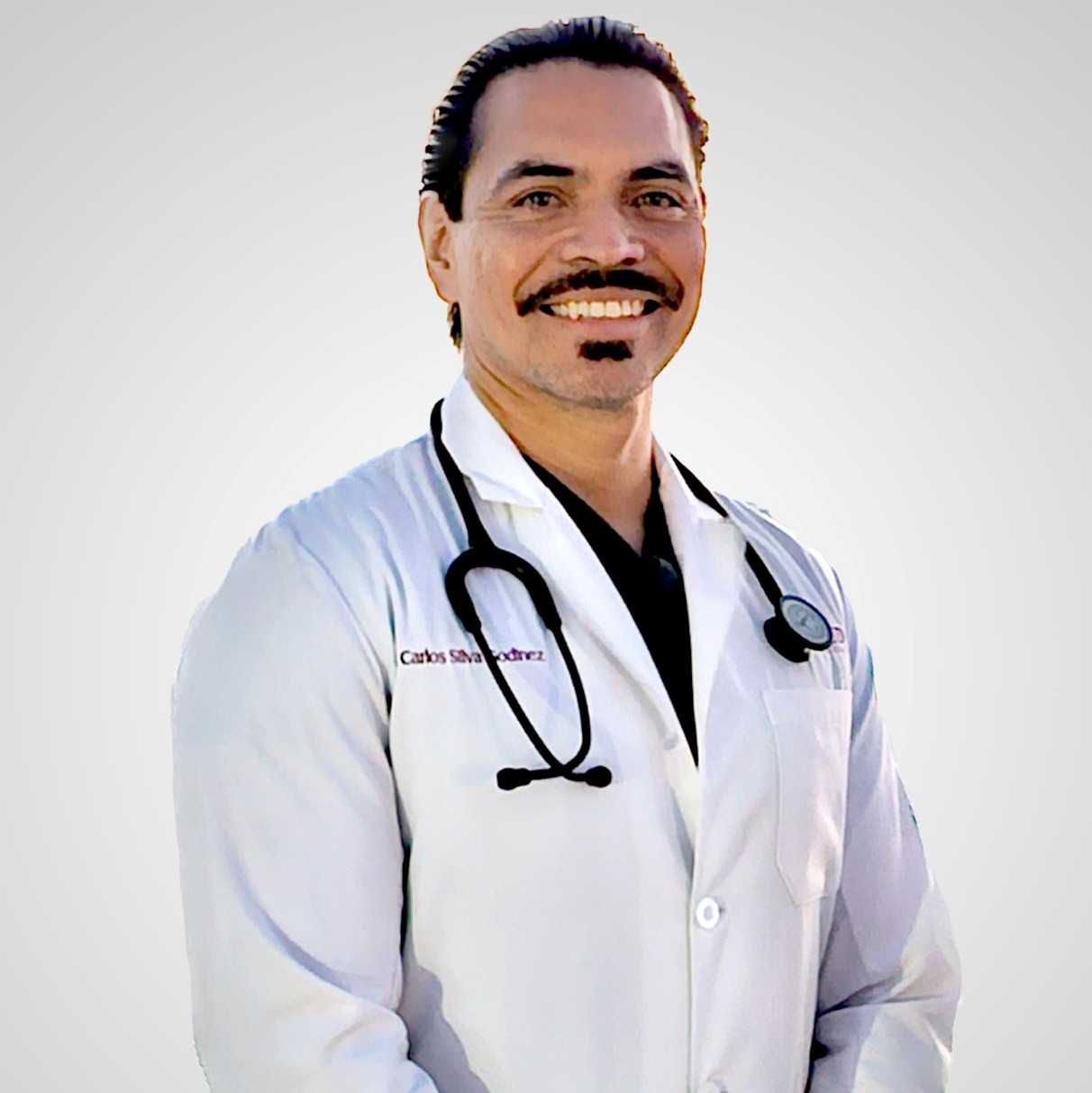
The safety of Ibogaine therapy relies heavily on the experience of the clinical team. We have compiled a list of respected specialists in Mexico who are leaders in the field of psychedelic medicine. These profiles include licensed medical doctors (MDs) and psychologists who have dedicated their careers to safe Ibogaine administration. Reviewing their credentials will help you choose a provider who prioritizes both medical safety and therapeutic support.
ACLS Certified Physicians
Specialists in Emergency Medicine & Cardiology
Top clinics employ medical directors who are certified in Advanced Cardiac Life Support (ACLS). Their primary role is to interpret EKGs, screen for contraindications, and ensure the physical safety of the patient throughout the psychoactive experience.
Trauma-Informed Psychologists
Experts in PTSD & Somatic Therapy
Effective treatment requires psychological guidance. Specialists in this field are trained in trauma-informed care, helping patients prepare their mindset before treatment and navigate the complex emotions that arise during and after the session.
Integration Coaches
Focus on Long-Term Recovery
Many top specialists function as integration coaches. They work with patients to translate the abstract visions and insights of the Ibogaine journey into concrete lifestyle changes, ensuring the relief from PTSD symptoms is sustained.
Legal & Regulated Environment
The primary reason Mexico is the preferred global destination is legality. Because Ibogaine is not a controlled substance in Mexico, treatment providers can operate in the open, subject to health regulations.
This allows for the existence of hospital-grade clinics equipped with emergency technology, rather than the "underground" operations found in countries where the substance is banned. This medical legitimacy is crucial for PTSD patients who need a secure, anxiety-free environment.
Proximity and Accessibility
For North American patients, particularly U.S. veterans, Mexico offers unmatched accessibility. Major treatment hubs in Tijuana and Rosarito are easily accessible via San Diego, with many clinics offering door-to-door transport from the San Diego airport.
This eliminates the need for long-haul flights, which can be stressful for individuals suffering from severe anxiety or PTSD. The ability to travel easily for such a profound treatment makes it a practical option for those seeking immediate help.
Holistic & Therapeutic Infrastructure
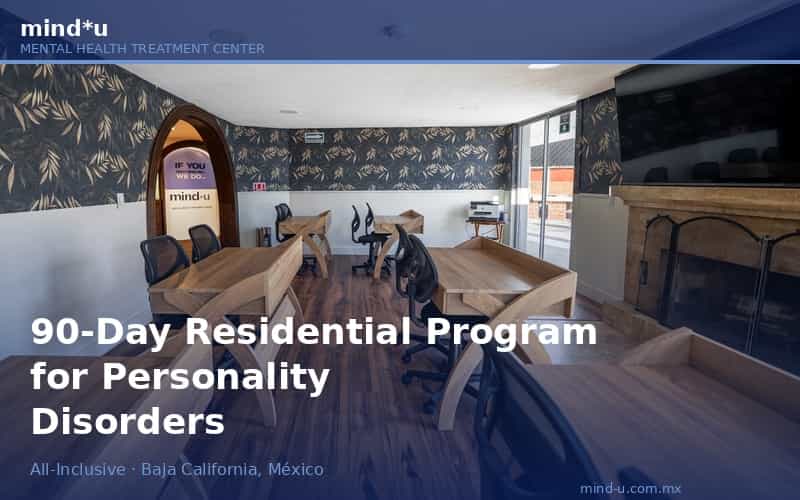
Mexico has cultivated a unique treatment culture that blends clinical safety with resort-like comfort. Facilities are often located on the coast, providing a serene atmosphere conducive to healing.
Furthermore, the concentration of providers has created a supportive network that includes yoga, nutritional support, and psychotherapy, offering a "whole person" approach to trauma that goes beyond simple drug administration.
Seeking alternative therapy abroad requires a high level of trust and verification. PlacidWay acts as your safety filter, connecting you only with accredited medical centers that adhere to strict safety protocols for Ibogaine administration.
Safety & Protocol Vetting
We prioritize your safety by partnering with clinics that demonstrate rigorous cardiac screening protocols, onsite ACLS-certified staff, and emergency preparedness.
Direct Provider Communication
We facilitate direct calls with medical directors so you can discuss your specific medical history, medications, and concerns before committing to travel.
Transparent Pricing
We help you navigate the costs, providing clear, all-inclusive quotes that cover medical fees, accommodation, and transport, ensuring no hidden surprises.
Patient Reviews & Education
Access genuine testimonials and detailed resources about the treatment process to make an informed decision based on the experiences of others.
Confidential Support
Our team provides discreet, compassionate assistance, understanding the sensitive nature of PTSD treatment and respecting your privacy throughout the process.
Take the first step toward healing and reclaiming your life. Contact PlacidWay to connect with trusted Ibogaine specialists in Mexico and receive a free, personalized evaluation.
Get Your Free Evaluation.png)




.png)
.png)
.png)
.png)














Share this listing