


Joel McCool's Powerful Testimonial: Ibogaine Therapy in Playa Del Carmen, Mexico
For countless individuals trapped in the relentless cycle of substance dependency, conventional rehabilitation often falls completely short. Joel McCool’s powerful testimonial regarding his life-saving experience with Ibogaine therapy in Playa Del Carmen, Mexico, offers an unprecedented beacon of hope. Under the expert medical care of Dr. David Dardashti, patients are discovering a radical, holistic approach to overcoming deep-rooted trauma and severe addiction.
This profound neurogenic treatment is actively transforming lives by literally resetting the brain's baseline chemistry and interrupting withdrawal symptoms. Watch to discover how this innovative medical tourism destination is completely redefining modern addiction recovery and providing lasting freedom from debilitating substance dependencies.
Video Chapters & Quick Navigation
The Vicious Cycle of Addiction and Systemic Failures
Substance use disorders have reached unprecedented epidemic levels across the globe, leaving millions of families desperate for viable solutions. Traditional rehabilitation models often rely heavily on substitution therapies like methadone or buprenorphine. While these medications prevent illicit drug use, they essentially replace one chemical dependency with another, trapping patients in an endless loop of medical management.
Many individuals undergo conventional 30-day inpatient programs only to face debilitating post-acute withdrawal syndromes (PAWS) upon discharge. This lingering physical and psychological distress is the primary driver of relapse. The inability of the Western medical paradigm to effectively heal the brain's dopamine receptors leads to distressingly low long-term success rates.
The Psychological Toll of Repeated Relapse
Each time an individual attempts to achieve sobriety and falls short, a heavy psychological burden is added to their trauma. Feelings of immense guilt, deep shame, and hopelessness become deeply ingrained in their self-identity. This emotional despair creates a massive roadblock to healing, as the mind begins to accept addiction as an inescapable permanent state.
Joel McCool’s testimony perfectly highlights this agonizing emotional journey. As noted at in his powerful interview, the sheer exhaustion of battling substance abuse for years drains the life force from a person. Seeking alternative, breakthrough therapies becomes not just a medical choice, but an urgent matter of life and death.
Understanding Ibogaine Therapy in Modern Medicine
Ibogaine is a naturally occurring psychoactive alkaloid extracted from the root bark of the Tabernanthe iboga shrub, native to West Central Africa. For centuries, indigenous Bwiti practitioners have utilized this powerful plant in spiritual initiation ceremonies and profound healing rituals. In recent decades, clinical researchers have discovered its unparalleled ability to rapidly interrupt severe chemical dependencies.
Unlike traditional psychedelics, Ibogaine interacts with a vast array of neurotransmitter systems simultaneously. It targets opioid, serotonin, and dopamine receptors, essentially rewiring the neural pathways that addiction has corrupted. This complex pharmacological action makes it a uniquely potent tool for combating severe opioid, stimulant, and alcohol use disorders.
Eradicating Physical Withdrawal Symptoms
The most immediate and highly publicized benefit of Ibogaine therapy is its astonishing ability to eliminate acute physical withdrawal symptoms. Patients heavily dependent on heroin or synthetic opioids typically face weeks of excruciating physical agony during detox. Ibogaine significantly mitigates, and often completely removes, these painful physical barriers within hours of administration.
By preventing the traumatic shock of cold-turkey withdrawal, patients can safely transition into a sober state without the physiological torture that typically guarantees relapse. This remarkable medical phenomenon is the foundation upon which true psychological healing can finally be built.
Joel McCool's Transformative Healing Journey
Joel McCool’s arrival at Dr. David Dardashti’s renowned clinic in Mexico marked the pivotal turning point in his life. Like many seeking treatment abroad, Joel had exhausted all domestic options and felt entirely broken by the traditional healthcare system. His raw account starting at reveals the initial anxiety mixed with profound hope that characterizes the medical tourism experience.
The personalized attention and deep empathy he received upon arrival instantly set the tone for his recovery. Rather than being treated as just another statistic in a crowded hospital ward, he was welcomed into a highly supportive, therapeutic sanctuary. This immediate shift in environment plays a crucial role in lowering cortisol levels and preparing the nervous system for the intense neurological work ahead.
Navigating the Introspective Phase
The Ibogaine experience is frequently described as waking dream state or a massive download of suppressed memories. During his treatment, Joel was guided through a profound internal journey that forced him to confront the root causes of his pain. This psycho-spiritual phase allows patients to view their past traumas objectively, devoid of the overwhelming emotional distress that usually accompanies them.
As Joel eloquently explains around the mark, the medicine essentially compresses years of traditional psychotherapy into a single, intensely concentrated window. By processing grief, guilt, and unresolved trauma at this accelerated rate, the psychological chains of addiction are fundamentally shattered.
The Neurological Science Behind the Brain Reset
To truly appreciate the value of an Ibogaine clinic in Mexico, one must understand the advanced science of neuroplasticity. Chronic drug abuse physically alters the brain's architecture, severely down-regulating dopamine production and damaging the prefrontal cortex. This is why willpower alone is virtually useless against late-stage addiction; the brain's very hardware has been compromised.
Ibogaine promotes the rapid expression of Glial cell line-derived neurotrophic factor (GDNF). This vital protein is responsible for the survival, maintenance, and profound regeneration of neural connections. By flooding the brain with GDNF, Ibogaine triggers a massive neurological healing event, repairing the damaged dopaminergic pathways.
Restoring the Pre-Addiction Baseline
Patients consistently report waking up from their Ibogaine session feeling as though their brain has been factory reset. The obsessive, intrusive thoughts regarding drug procurement are simply gone, replaced by a profound mental stillness. This dramatic shift allows individuals to experience natural joy and motivation for the first time in years.
This neurological reset is not a magic cure, but rather a miraculous window of opportunity. It levels the playing field, giving the patient the necessary cognitive clarity to engage in healthy habits, cognitive behavioral therapy, and robust aftercare planning without the constant, deafening noise of chemical cravings.
Medical Tourism: Why Playa Del Carmen, Mexico?
Due to outdated regulatory frameworks, Ibogaine remains a Schedule I substance in the United States, driving a massive surge in medical tourism to progressive jurisdictions. Mexico has emerged as the global epicenter for this revolutionary treatment. Playa Del Carmen, in particular, offers the perfect synthesis of advanced medical infrastructure and serene natural beauty.
Healing cannot occur in a state of high stress. The tranquil, sun-drenched environment of the Mayan Riviera actively engages the parasympathetic nervous system, promoting deep physical relaxation. This beautiful coastal setting provides an ideal backdrop for the intense emotional processing required during psychedelic therapy.
Safety, Legality, and High Medical Standards
Traveling abroad for medical care naturally raises questions regarding safety and facility standards. The top-tier clinics in Playa Del Carmen operate under rigorous medical protocols that rival any hospital in North America. These facilities are staffed by licensed physicians, cardiologists, and registered nurses who specialize in emergency medicine and psychedelic integration.
Legal access to Ibogaine in Mexico means treatments are conducted in broad daylight, free from the dangerous stigma of underground, unregulated settings. Patients receive comprehensive pre-treatment health screenings to ensure absolute physiological safety before the medicine is ever administered.
Dr. David Dardashti’s Industry-Leading Protocol
Not all Ibogaine clinics are created equal. Dr. David Dardashti has spent decades refining a highly specialized, proprietary treatment protocol that maximizes both safety and efficacy. His clinic is globally recognized for its meticulous approach to dosing, recognizing that every patient's neurological makeup is entirely unique.
Rather than using a standardized, one-size-fits-all approach, Dr. Dardashti's team conducts exhaustive metabolic and psychological testing. This allows them to precisely calculate the exact formulation and titration schedule needed to induce the therapeutic state safely. This dedication to individualized medicine significantly reduces the risk of adverse cardiac events.
The Importance of Cardiac Monitoring
Ibogaine therapy carries known cardiovascular risks, specifically the potential for prolonging the QT interval in the heart. Dr. Dardashti’s facility mitigates this risk through continuous, state-of-the-art EKG telemetry monitoring throughout the entire duration of the active experience. An emergency medical team is present in the room at all times.
This unwavering commitment to clinical excellence is precisely why patients like Joel McCool feel completely secure during their vulnerable psychological journey. As Joel highlights at , knowing that a highly trained medical team had his back allowed him to fully surrender to the healing process without lingering fear.
Comparing Ibogaine to Traditional Rehabilitation
When families are evaluating addiction treatment options, understanding the stark differences between Ibogaine therapy and conventional rehab is essential. Traditional 30-day programs focus primarily on behavioral modification and group therapy, completely ignoring the deeply compromised neurobiology of the addicted patient.
Ibogaine addresses the physical, psychological, and spiritual components of addiction simultaneously. To illustrate these critical differences, we must look at the specific outcomes and methodologies employed by both paradigms.
| Feature | Traditional 30-Day Rehab | Ibogaine Therapy (Mexico) |
|---|---|---|
| Withdrawal Management | Tapering, suboxone, prolonged physical discomfort. | Rapid interruption; symptoms often eliminated in 24 hours. |
| Neurological Impact | Relies on slow, natural brain healing over many months. | Stimulates GDNF, rapidly resetting dopamine receptors. |
| Psychological Processing | Talk therapy, 12-step meetings, cognitive behavioral tools. | Deep, accelerated psycho-spiritual processing of root trauma. |
| Treatment Duration | Typically 30 to 90 days of inpatient isolation. | 7 to 14 days of intensive medical and integration protocols. |
Long-Term Recovery and Post-Treatment Integration
A common misconception regarding psychedelic medicine is that it serves as a magical, one-and-done cure. While Ibogaine provides an unparalleled neurological reset, the real work begins after the patient returns home. The weeks following treatment are known as the integration phase, a highly sensitive period of neuroplasticity.
Dr. Dardashti’s program places a heavy emphasis on comprehensive aftercare planning. Patients must return to environments conducive to their newfound sobriety. This requires systemic changes, including severing ties with toxic social circles, implementing rigorous nutritional protocols, and engaging in ongoing integration coaching to solidify new neural pathways.
Creating a Bulletproof Aftercare Strategy
Without the constant distraction of chemical cravings, patients can finally focus on rebuilding their lives. Essential steps for successful integration include:
- Ongoing Psychotherapy: Utilizing somatic experiencing or EMDR to continue processing the insights gained during the Ibogaine journey.
- Holistic Wellness: Incorporating daily meditation, rigorous exercise, and proper sleep hygiene to support ongoing dopamine production.
- Community Support: Engaging with non-traditional recovery groups, such as integration circles or holistic wellness communities, to combat isolation.
Joel McCool’s story serves as living proof that profound, lasting recovery is entirely possible. As he mentions near the end of his powerful video at , the treatment gave him his soul back, but it is his daily commitment to healthy living that keeps him moving fiercely forward.
Ready to Reclaim Your Life from Addiction?
PlacidWay Medical Tourism connects you directly with world-class, medically supervised Ibogaine clinics in Playa Del Carmen, Mexico. Take the first step toward profound neurological healing and lasting freedom today.
REQUEST FREE INFORMATION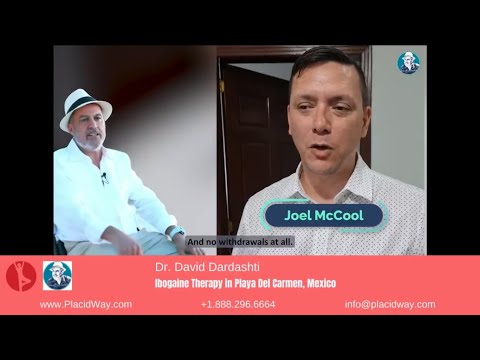






.png)
.png)
.png)








Share this listing