

Contents
People in the US and Canada dealing with severe PTSD often hit a wall with traditional therapies and daily medications. You might be spending thousands on treatments that barely scratch the surface, leaving you frustrated, exhausted, and looking for a real breakthrough. That is exactly why many are looking across the border to Tijuana for alternative options like Ibogaine. It is not just about proximity to home; it is about finding a completely different approach when the standard medical routes have repeatedly let you down.
Navigating medical travel for specialized therapies requires careful planning and a clear understanding of the landscape. You can expect the procedure cost for Ibogaine therapy in Tijuana to range between $5,500 and $8,500, depending heavily on the facility and the level of medical supervision included. When researching your options, the single most crucial step is verifying local credentials. Always look for clinics that hold a current COFEPRIS license, which is Mexico's federal regulatory body ensuring healthcare facilities meet strict sanitary and medical safety standards.
Quick Facts at a Glance
A comprehensive treatment package takes the guesswork out of your medical travel and helps you focus entirely on recovery. In Tijuana, standard treatment plans usually bundle the therapy itself with pre-treatment cardiac screenings, psychological counseling, and secure airport transfers from San Diego. Some centers also include post-treatment integration therapy, which is crucial for processing the psychological experience.
Knowing exactly what is included helps prevent unexpected expenses and ensures you have adequate support throughout your stay. Carefully review the package details below to see which option offers the most complete care and logistical assistance.

Price starting from $7,850
Ibogaine Treatment for PTSD Package in Tijuana, Mexico by New Path Ibogaine
New Path Ibogaine in Tijuana Mexico
- Addiction Treatment
Tijuana,Rosarito Beach
Understanding the financial commitment is a vital part of planning your medical trip. The cost of Ibogaine treatment for PTSD in Tijuana generally falls between $5,500 and $8,500. This estimate usually covers the rigorous medical screening, the clinical dose, and several days of inpatient monitoring.
Prices often vary based on the level of psychological support and cardiac monitoring provided during your stay. Because out-of-pocket medical expenses can add up quickly at home, this offers a structured alternative. Take your time to compare the pricing options listed below to find a facility that aligns with your budget.
Addiction Treatment Cost Comparison in Mexico
| Country | Procedure | Price |
|---|---|---|
| United States | Ibogaine Therapy, Addiction Treatment | $20000 |
Selecting the right facility is about much more than a polished waiting room or a friendly receptionist. When evaluating clinics in Tijuana for psychedelic therapies, your primary focus should be on medical infrastructure and emergency protocols. It is essential to verify their operating licenses, specifically looking for active COFEPRIS accreditation, which ensures they meet Mexico's sanitary and medical regulations.
A reputable center will gladly provide their licensing information and clearly outline their medical screening process. Review the clinic profiles below to compare credentials, facility standards, and medical oversight before making your final decision.

Casa Renacimiento
Tijuana,Mexico
Casa Santa Isabel
Tijuana,Mexico

New Path Ibogaine in Tijuana Mexico
Tijuana,Rosarito Beach
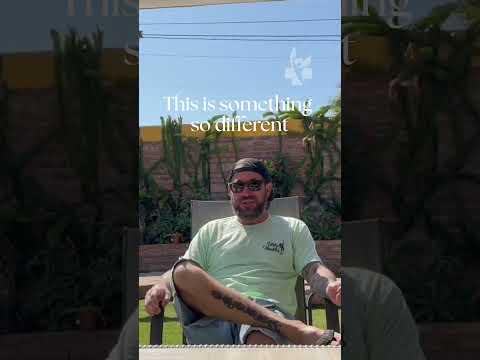
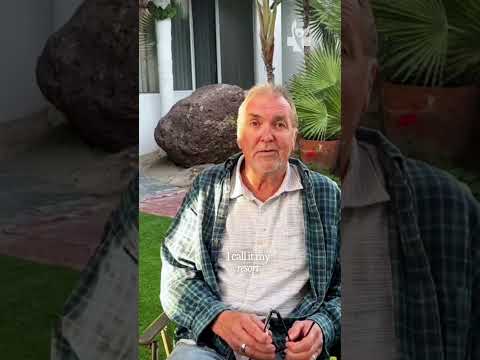
Sometimes, reading about a medical procedure is not enough to truly grasp what the experience entails. Watching facility tours and patient interviews can give you a clearer picture of the environment where you will be staying. These videos often highlight the medical team, the patient rooms, and the safety protocols in place during the therapy.
Pay close attention to how the staff interacts and the overall atmosphere of the center. Check out the videos below to get a more realistic sense of what to expect from these specific facilities in Tijuana.

Hearing directly from those who have already walked this path can provide invaluable perspective and peace of mind. Patient reviews often reveal the realities of the recovery process, the attentiveness of the medical staff, and the overall safety of the environment. Look for detailed accounts that discuss the pre-screening process and the integration support provided after the therapy.
Honest feedback helps you look past the marketing language and understand the actual patient experience. Take a moment to read through the testimonials below to help weigh your options carefully.

When considering a specialized therapy abroad, it is completely normal to have questions about safety, logistics, and medical protocols. Below are some of the most common questions patients ask about undergoing this procedure in Baja California.
Is this treatment legal in Tijuana?
Yes. While it is classified as a Schedule I substance in the United States, it is unregulated in Mexico, meaning it can be legally administered by licensed medical professionals in clinical settings.
What medical screenings are required beforehand?
Reputable clinics require an EKG (electrocardiogram), a comprehensive metabolic panel, and liver function tests to ensure your heart and body can safely handle the physical stress of the therapy.
How do I travel to the clinic from the US?
Most patients fly into San Diego International Airport (SAN). Clinics typically arrange a private, medical shuttle to pick you up at the airport and drive you directly across the border to the facility.
How long does the inpatient stay last?
While the active therapy phase lasts several hours, a standard treatment protocol requires a 5 to 7-day inpatient stay to monitor vitals, manage recovery, and begin psychological integration.
Are medical doctors present during the procedure?
Yes, accredited facilities have ACLS-certified (Advanced Cardiac Life Support) medical doctors and nurses in the room monitoring your heart rate and vitals continuously throughout the process.
What is COFEPRIS and why should I check for it?
COFEPRIS is the Mexican government authority that regulates healthcare. A clinic with this certification has passed strict safety, sanitary, and operational inspections, ensuring a higher standard of care.
Can I continue taking my current PTSD medications?
Usually, no. Many psychiatric medications, especially SSRIs, must be safely tapered off under medical supervision weeks before arrival to prevent dangerous cardiac or neurological interactions.
Is it safe to cross the border for this?
Yes, particularly when utilizing the clinic's dedicated transport. You are escorted from the US side directly to the clinic, bypassing public transit and navigating the border securely.
What happens after the clinical treatment ends?
You will undergo integration therapy with trained psychologists. This helps you process the intense psychological experience and apply those insights to managing your PTSD symptoms long-term.
Can I bring a family member for support?
Many clinics allow you to bring a support person, though they may have to stay in a separate area or nearby hotel during the active medical phases of the procedure.
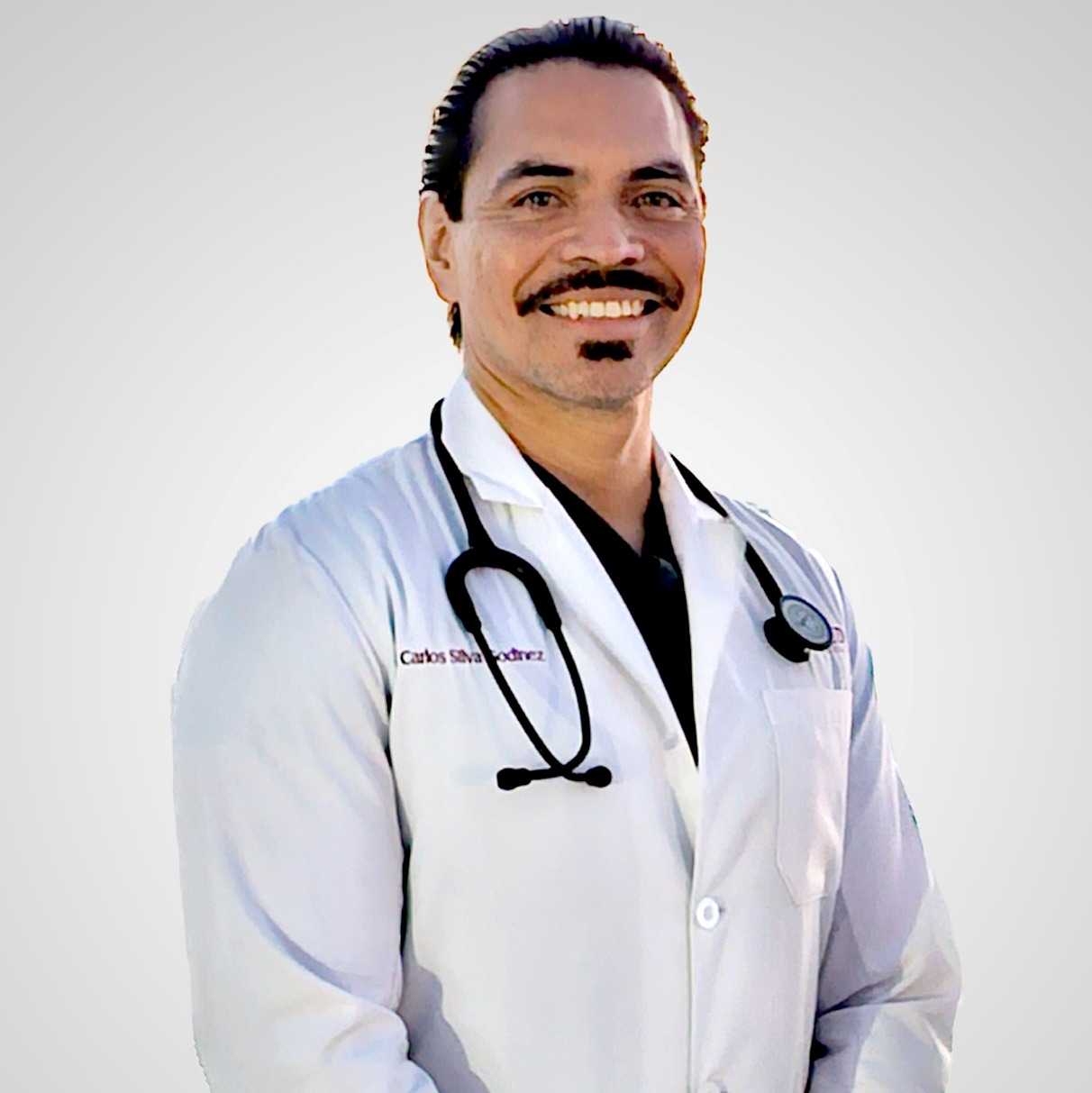
The medical professionals overseeing your therapy are the most critical factor in your safety. Administering this treatment requires specialized knowledge of cardiac function, as well as deep experience in psychological trauma and emergency response.
Do not hesitate to ask about the attending physician's credentials, their Advanced Cardiac Life Support (ACLS) certification, and their specific background with psychedelic medicines. A qualified medical team will prioritize a rigorous screening process over securing a booking. Compare the medical provider profiles below to ensure your care is managed by experienced and fully licensed professionals.
Tijuana has become a major hub for alternative and specialized medical treatments, drawing thousands of patients primarily from the United States and Canada. Its immediate proximity to the border makes it uniquely accessible for North American travelers seeking options that remain unavailable in their home countries.
| Arrival Airport | San Diego International Airport (SAN) |
| Border Crossing | San Ysidro Port of Entry |
| Distance from Airport | Approximately 20 miles |
| Standard Transport | Clinic-arranged medical shuttle |
The city offers modern medical infrastructure in designated healthcare districts. Most reputable clinics handle the logistics of crossing the border securely, meaning you will not have to navigate unfamiliar public transit or taxis. Patients are typically picked up by clinic staff directly at the San Diego airport, ensuring a seamless and stress-free transition so you can focus entirely on your health.
Taking the first step toward alternative therapies requires thorough research and a clear understanding of your options. PlacidWay can help you navigate this process by connecting you with accredited, medically supervised facilities in Mexico. Our platform allows you to evaluate different clinics, review their credentials, and understand the full scope of their treatment plans.
You can easily compare the options discussed to determine which environment aligns with your health needs and comfort level. Click the button below to request a personalized, no-obligation estimate and begin exploring your medical travel options confidently.
References
- Ibogaine Therapy Research – Multidisciplinary Association for Psychedelic Studies (MAPS)
- Safety Protocols in Psychedelic Medicine – National Institutes of Health (NIH)
- Healthcare Regulation in Mexico – COFEPRIS
- Medical Tourism Safety Guidelines – U.S. Department of State
- Patient Safety Standards – World Health Organization (WHO)
























Share this listing