


The Lifesaving Shift: Healing Combat Trauma with Psychedelic Medicine
The battle does not always end when a soldier returns home. For countless military personnel, the hardest fight begins in the quiet moments after deployment, manifesting as severe combat trauma and substance abuse. Traditional pharmacological interventions often fall drastically short, leaving our heroes trapped. However, a groundbreaking medical shift is occurring across the border. Watch to discover exactly how Mexico is leading the way in using ibogaine to help veterans with addiction and PTSD, offering a radical, scientifically backed path to genuine neurological reset and profound emotional healing.
Video Chapters & Quick Navigation
The Hidden Epidemic: Why Traditional Veteran Healthcare is Failing
The statistics surrounding veteran mental health are nothing short of a national tragedy. Every single day, countless former service members struggle with the debilitating, overlapping effects of Post-Traumatic Stress Disorder (PTSD), severe depression, and chemical dependency. As discussed at in our video, the Department of Veterans Affairs has historically relied heavily on a cocktail of Selective Serotonin Reuptake Inhibitors (SSRIs), powerful opioid painkillers, and prolonged exposure therapy to manage these complex conditions. Unfortunately, for a massive segment of the veteran population, these conventional treatments merely mask the symptoms rather than addressing the root neurological causes.
When combat veterans return to civilian life, their nervous systems are often permanently stuck in a hyper-vigilant "fight or flight" state. This chronic sympathetic nervous system activation makes daily life agonizing, leading many to self-medicate with alcohol, prescription opioids, or illicit narcotics. The current healthcare infrastructure is largely ill-equipped to handle this dual diagnosis of severe trauma and deep-rooted addiction. Patients are frequently cycled in and out of traditional 30-day rehabilitation centers, only to face devastating relapse rates upon discharge.
This endless cycle of temporary relief followed by inevitable relapse has left veterans and their families desperate for a true medical breakthrough. They are not looking for another pill to numb the pain; they are searching for a way to fundamentally reset their neurochemistry. This urgent, unmet need is precisely what has sparked a mass exodus of veterans traveling across borders to seek alternative PTSD treatments for combat trauma that are currently inaccessible in their home countries.
Unlocking the Power of Ibogaine: A Catalyst for Neuroregeneration
To understand why this specific alternative therapy is garnering so much attention, we must look at the science behind the medicine. Ibogaine is a naturally occurring psychoactive alkaloid extracted from the root bark of the Tabernanthe iboga shrub, a plant native to West Central Africa. For centuries, indigenous cultures have used this powerful plant in traditional healing and initiation ceremonies. However, its modern application in addiction medicine and trauma therapy is firmly rooted in advanced neurobiology, as highlighted at .
Unlike classic psychedelics such as psilocybin or LSD, ibogaine possesses a highly unique, multifaceted pharmacological profile. When administered in a clinical setting, it interacts simultaneously with multiple neurotransmitter systems in the brain, including serotonin, dopamine, and opioid receptors. Its most celebrated property in the medical community is its astonishing ability to completely interrupt active opioid withdrawal symptoms within hours of administration. For a veteran trapped in the agonizing grip of heroin or fentanyl addiction, this rapid detoxification process is nothing short of miraculous.
The Role of GDNF in Brain Healing
The true magic of medically supervised ibogaine detox goes far beyond merely bypassing physical withdrawal. Clinical researchers have discovered that ibogaine aggressively promotes the expression of Glial cell line-derived neurotrophic factor (GDNF) in the brain. GDNF is a specialized protein that plays a vital role in the survival, repair, and regeneration of neurons, particularly within the brain's reward circuitry.
By stimulating GDNF production, ibogaine essentially initiates a profound state of neuroplasticity. It helps to repair the microscopic brain damage caused by years of chronic substance abuse and chronic stress. This biological reset allows the brain to revert to a pre-addicted state, significantly reducing, and in many cases entirely eliminating, the intense psychological cravings that typically drive relapse.
Rewiring the Default Mode Network: Confronting PTSD Head-On
While the anti-addiction properties of this African alkaloid are well-documented, its impact on severe combat PTSD is what truly makes it a lifesaver for military veterans. The human brain utilizes a system of interacting regions known as the Default Mode Network (DMN). In individuals suffering from severe trauma or depression, the DMN becomes highly overactive, trapping the person in rigid, repetitive loops of negative thought, guilt, and fear. This neurological looping is why talk therapy alone often fails to break through the armor of severe combat trauma.
During an ibogaine treatment, the Default Mode Network is temporarily taken offline. As explained at , this disruption allows the patient to enter a deeply introspective, almost dream-like state while remaining entirely awake. Veterans frequently report experiencing an objective, third-person review of their traumatic memories and past life events. They are able to process deeply repressed grief, survivor's guilt, and moral injury without the overwhelming emotional panic that usually accompanies these memories.
This process of acute psychological processing is often described as completing ten years of intensive psychotherapy in a single night. By disconnecting the emotional fear response from the traumatic memory, veterans can finally integrate their past experiences. They awaken from the treatment not with their memories erased, but with the crippling emotional weight of those memories permanently lifted from their shoulders.
The Medical Tourism Boom: Why Mexico is the Global Hub for Psychedelic Healing
Despite the overwhelming anecdotal evidence and growing clinical data supporting its efficacy, ibogaine remains classified as a Schedule I substance in the United States, alongside heroin and LSD. This archaic scheduling dictates that it has "no currently accepted medical use," effectively banning domestic clinical trials and cutting off access to millions of suffering individuals. Consequently, a sophisticated, highly regulated medical tourism industry has rapidly evolved just across the southern border.
Mexico has taken a decidedly progressive approach to alternative medicine. In Mexico, ibogaine is an unregulated prescription substance, meaning it can be legally administered within clinical settings by licensed medical professionals. This legal framework has paved the way for the establishment of world-class, purpose-built medical sanctuaries. The best ibogaine treatment centers in Mexico are not clandestine underground operations; they are state-of-the-art medical facilities that rival private hospitals in North America.
Baja California and the Riviera Maya
The vast majority of top-tier clinics are strategically located in easily accessible, visually stunning regions such as Baja California (near San Diego) and the Riviera Maya (near Cancun). These locations offer the perfect blend of high-end medical infrastructure and tranquil, resort-like environments necessary for deep psychological healing. The proximity to major US airports makes logistical planning seamless for veterans traveling from out of state or abroad.
Organizations like PlacidWay Medical Tourism have been instrumental in bridging the gap between desperate patients and high-quality international care. By meticulously vetting these international clinics for safety, medical staffing, and ethical business practices, they remove the guesswork and anxiety associated with traveling abroad for alternative medical procedures. This curated approach ensures that veterans are placed in the hands of seasoned experts who understand the nuances of combat trauma.
Uncompromising Safety: Rigorous Medical Protocols in Mexican Clinics
A common misconception regarding psychedelic medicine medical tourism is that it lacks standard medical oversight. In reality, the top-rated ibogaine clinics in Mexico operate under incredibly strict safety protocols. Ibogaine is an incredibly powerful cardiovascular agent. It is known to cause a temporary prolongation of the QT interval in the heart, which can be dangerous for individuals with pre-existing heart conditions. Therefore, comprehensive medical screening is non-negotiable.
- Extensive Pre-Screening: Before a patient is ever approved for treatment, they must undergo rigorous diagnostic testing. This includes comprehensive metabolic panels, liver function tests, and, most importantly, a 12-lead Electrocardiogram (EKG) reviewed by a board-certified cardiologist.
- Continuous Monitoring: During the actual administration of the flood dose, patients are connected to advanced telemetry monitors. Their heart rate, oxygen saturation, and blood pressure are continuously tracked by advanced cardiac life support (ACLS) trained medical staff, ensuring immediate intervention if any anomalies arise.
- Multi-Disciplinary Teams: The best facilities employ a robust roster of professionals, including emergency room physicians, registered nurses, clinical psychologists, and experienced integration coaches. This team-based approach guarantees that both the physiological and psychological aspects of the journey are expertly managed.
As noted at in our feature, these safety standards are what differentiate reputable medical clinics from dangerous, underground retreat centers. Veterans, who have already put their lives on the line for their country, deserve nothing less than the absolute highest echelon of medical care when seeking to heal their minds.
A Transparent Look at the Cost of Ibogaine Therapy in Mexico
When evaluating alternative treatments for combat trauma, financial considerations are always a primary concern for patients and their families. Because ibogaine therapy is not FDA-approved, it is not covered by the VA or traditional health insurance providers. Patients must pay out-of-pocket for these life-saving services. However, when compared to the staggering long-term costs of chronic addiction, ongoing psychiatric care, and lost wages, the investment in psychedelic therapy is remarkably cost-effective.
The cost of ibogaine therapy in Mexico typically ranges from $5,000 to $12,000, depending heavily on the length of stay, the luxury level of the facility, and the specific medical requirements of the patient (e.g., medical detox protocols require longer stays than simple psycho-spiritual treatments). These comprehensive packages are generally all-inclusive, covering airport transfers, private accommodations, organic chef-prepared meals, all medical diagnostics, the medicine itself, and extensive post-treatment integration counseling.
Comparative Cost Analysis of Alternative Therapies
| Treatment Type | Typical Location | Average Cost Range | Medical Supervision Level |
|---|---|---|---|
| Ibogaine Therapy | Mexico | $5,000 - $12,000 | High (EKG, MDs on site) |
| Ketamine Infusions | United States | $3,000 - $6,000 (Series of 6) | High (Clinical setting) |
| Ayahuasca Retreat | Peru / Costa Rica | $1,500 - $4,000 | Low to Moderate (Shamans) |
| Traditional 30-Day Rehab | United States | $15,000 - $40,000+ | High (Psychiatric care) |
When viewing this comparative data, it becomes immediately clear why so many veterans are opting for the Mexican medical tourism route. Not only is treating opioid addiction with plant medicine highly effective, but it is also offered at a price point that is vastly more accessible than high-end stateside rehabilitation centers, which frequently yield inferior long-term results.
Addressing the Invisible Wounds: Traumatic Brain Injury (TBI)
A critical nuance in treating combat veterans is the high prevalence of Traumatic Brain Injuries (TBI). Blast exposures from improvised explosive devices (IEDs) and artillery fire cause microscopic tearing of brain tissue, leading to persistent cognitive deficits, severe mood swings, and chronic headaches. TBI and PTSD frequently exist as comorbid conditions, significantly complicating traditional recovery efforts.
Recent clinical observations in Mexican ibogaine clinics have highlighted the substance's remarkable potential for mitigating the symptoms of TBI. As mentioned at , the massive surge of neurotrophic factors (like GDNF) triggered by ibogaine administration appears to facilitate actual physical healing within the brain's white matter. Veterans with documented TBIs who undergo this therapy consistently report unprecedented improvements in mental clarity, memory retention, and a significant reduction in physiological brain fog.
This dual-action healing—addressing the psychological scarring of PTSD while simultaneously promoting the physiological repair of TBI—cements ibogaine's status as a peerless therapeutic tool for the modern warfighter. It treats the entirety of the veteran's invisible wounds rather than compartmentalizing their symptoms.
The Crucial Phase of Integration: Bridging the Gap to Civilian Life
It is vital to understand that while ibogaine is a profound catalyst for change, it is not a magic bullet. The medicine opens a massive window of neuroplasticity, essentially providing the brain with a clean slate. However, what the patient chooses to write on that blank slate dictates their long-term success. This is where the concept of "integration" becomes paramount in the safe psychedelic therapy for military veterans.
Integration refers to the structured psychological work that occurs in the days, weeks, and months following the clinical procedure. Top Mexican clinics place a heavy emphasis on this phase, utilizing specialized integration coaches who help veterans unpack the intense visions and emotional revelations experienced during their flood dose. These coaches assist in developing actionable, real-world strategies to implement these new perspectives into their daily civilian lives.
Without proper integration, patients run the risk of sliding back into old, destructive behavioral patterns once the initial neurochemical "afterglow" begins to fade. Therefore, the hallmark of a premier medical facility is its commitment to continuous, long-term aftercare support, ensuring that the veteran is never left to navigate their newfound sobriety and emotional clarity alone.
Taking the Next Step Toward Ultimate Freedom
The paradigm of mental health treatment is fundamentally shifting, and the stigma surrounding plant-based medicines is rapidly dissolving. For veterans who have exhausted every avenue the VA has to offer, who have survived the battlefield only to find themselves losing the war at home, there is genuine, tangible hope waiting just across the border. Mexico's progressive, scientifically grounded approach to treating profound trauma is saving lives every single day.
Navigating the complex landscape of international medical tourism does not have to be an overwhelming endeavor. By partnering with established medical tourism facilitators, veterans can ensure they are connected exclusively with fully accredited, highly supervised clinics that prioritize safety above all else. The journey back to a life of purpose, connection, and peace is entirely possible, and it begins with making an informed, courageous decision to seek better care.
Ready to Reclaim Your Life from Addiction and Trauma?
Do not let conventional medical limitations dictate your future. PlacidWay connects veterans with top-tier, medically supervised ibogaine clinics in Mexico, ensuring the highest standards of safety, privacy, and clinical excellence.
GET A FREE CLINIC CONSULTATION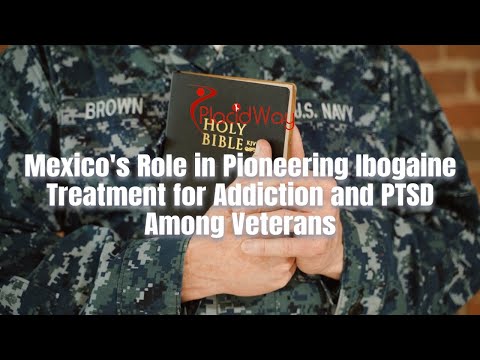







.png)
.png)
.png)








Share this listing