


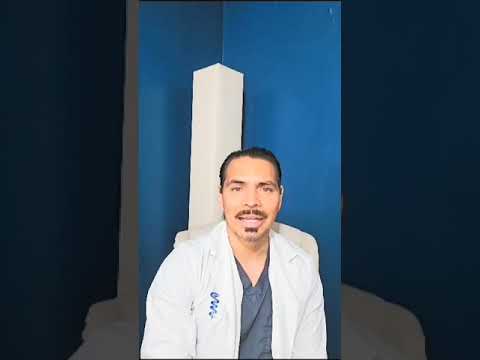
Carlos’s Transformative Medical Tourism Testimonial: A Blueprint for Global Care
Are you struggling with exorbitant local healthcare prices? Carlos’s medical tourism testimonial provides a compelling blueprint for securing affordable, high-quality medical care abroad. For years, Carlos endured immense physical discomfort and financial anxiety due to severe, deteriorating health issues that required comprehensive intervention. Faced with overwhelming medical estimates in his home country, he decided to look beyond his borders. His journey highlights how international clinics seamlessly blend advanced medical protocols with massive cost savings. By exploring Carlos's transformative experience, prospective patients can discover how accessible, top-tier international medical treatments are revolutionizing global healthcare and restoring patient confidence.
Video Chapters & Quick Navigation
The Crippling Financial Burden of Domestic Healthcare
For countless individuals residing in the United States, Canada, and parts of Europe, accessing essential medical and dental treatments has become a logistical and financial nightmare. As highlighted at in Carlos's testimonial, the initial realization of his medical needs was swiftly followed by the devastating shock of domestic healthcare pricing. Patients are frequently presented with treatment plans that resemble the cost of a luxury vehicle or a down payment on a home. This hyper-inflation in the domestic medical sector leaves hard-working individuals with agonizing choices: drain their life savings, take on high-interest medical debt, or simply live with chronic pain and declining health.
Insurance companies often exacerbate this burden rather than alleviate it. Many comprehensive treatments, particularly restorative dentistry, cosmetic surgery, and advanced orthopedic procedures, are classified as "elective" or are capped at incredibly low annual maximums. A standard dental insurance plan, for example, might cover a mere fraction of a single implant, leaving patients completely stranded if they require full-mouth restorations. The systemic failure of localized healthcare pricing models is the primary catalyst driving the massive surge in global medical tourism.
The Psychological Toll of Postponed Medical Care
Beyond the raw financial metrics, there is a profound psychological toll associated with untreated medical conditions. When a patient cannot afford a necessary procedure, their quality of life rapidly diminishes. They may withdraw from social situations, struggle with professional confidence, and experience a sharp decline in their overall mental health. Carlos’s story is a testament to this emotional struggle. The inability to smile, eat properly, or function without discomfort can fundamentally alter a person's personality and outlook on life.
Furthermore, delaying treatment inevitably leads to more severe complications down the road. What begins as a minor issue can quickly cascade into a complex medical emergency requiring far more invasive and expensive procedures. For instance, missing teeth lead to rapid bone loss in the jaw, which eventually requires costly bone grafting before implants can even be considered. By seeking affordable healthcare options abroad, patients are not merely saving money; they are actively preventing the dangerous progression of their ailments.
Breaking the Stigma: Understanding Global Healthcare Excellence
Historically, there has been a lingering stigma surrounding the concept of traveling abroad for medical treatments. Many prospective patients falsely assume that lower costs equate to lower quality care, outdated technology, or unsanitary conditions. As Carlos emphatically notes at , this outdated misconception could not be further from the truth. The international medical tourism industry has undergone a massive, technology-driven renaissance over the past two decades. Top-tier clinics in popular destinations like Mexico, Costa Rica, Colombia, and Turkey are built specifically to cater to high-expectation international patients.
These international medical hubs are often equipped with technology that surpasses standard domestic clinics. Because these facilities cater to a high volume of international patients, they heavily reinvest their revenue into acquiring the latest medical technology. From highly advanced 3D CBCT scanners and CAD/CAM milling machines for same-day dental crowns, to state-of-the-art robotic surgery suites, international clinics are at the very forefront of medical innovation. Patients are consistently amazed to find modern, aesthetically pleasing hospital environments that resemble luxury hotels rather than sterile, intimidating medical wards.
International Certifications and Board-Certified Specialists
The backbone of this global healthcare revolution is the rigorous training and certification of the medical professionals. It is incredibly common for leading international surgeons and dentists to have completed their advanced fellowships, residencies, or specialized training in the United States, the United Kingdom, or Germany. They return to their home countries armed with global best practices and a commitment to elevating local medical standards.
Moreover, top medical tourism clinics actively seek out international accreditations to prove their commitment to patient safety. Organizations like the Joint Commission International (JCI) and the International Organization for Standardization (ISO) conduct rigorous, ongoing audits of these facilities. They evaluate everything from infection control protocols and sterilization procedures to patient privacy and emergency response readiness. When a patient chooses a JCI-accredited facility abroad, they are guaranteed a level of safety and care that directly mirrors, and often exceeds, the standards mandated by Western healthcare systems.
Comprehensive Cost Analysis: Domestic vs. International Care
To truly understand the value proposition of medical tourism, one must look at the hard data. The savings are not marginal; they are exponential. A patient requiring comprehensive dental implants or major orthopedic surgery can expect to save anywhere from 50% to 80% by traveling abroad, even when factoring in the cost of flights, luxury accommodations, and local transportation. This stark contrast is driven by the lower cost of living, reduced administrative overhead, and highly favorable exchange rates in destination countries.
At , Carlos details how his initial quote in his home country was financially insurmountable. By exploring options through platforms like PlacidWay, he discovered that the exact same premium materials—such as globally recognized Straumann or Nobel Biocare titanium implants—were available internationally for a fraction of the domestic price. The savings are so substantial that patients often bring a companion along, enjoy a prolonged vacation, and still return home having spent significantly less than a localized procedure would have cost.
| Medical/Dental Procedure | Average US/Canada Cost | Average International Cost | Estimated Savings |
|---|---|---|---|
| Single Dental Implant (w/ Crown) | $3,500 - $5,000 | $700 - $1,200 | Up to 75% |
| All-on-4 Full Arch Restoration | $25,000 - $35,000 | $8,000 - $12,000 | Up to 70% |
| Gastric Sleeve Surgery | $15,000 - $20,000 | $4,000 - $6,500 | Up to 70% |
| Hip Replacement | $30,000 - $45,000 | $9,000 - $14,000 | Up to 65% |
How to Evaluate and Select the Best Global Clinics
While the benefits of medical tourism are vast, patient success heavily relies on choosing the right facility. Navigating thousands of international clinics can be overwhelming for a first-time medical tourist. This is where dedicated platforms and rigorous vetting processes become essential. Patients must look beyond flashy marketing and focus on verifiable medical credentials, transparent pricing structures, and authentic patient testimonials like the one shared by Carlos.
A crucial step in the evaluation process is the initial virtual consultation. Leading international clinics offer comprehensive telehealth appointments where patients can speak directly with their prospective surgeon before ever booking a flight. During these consultations, doctors review the patient's local medical records, analyze X-rays or MRI scans, and develop a customized, step-by-step treatment plan. This level of transparency ensures that there are no hidden fees or unexpected surgical changes upon arrival.
Key Indicators of a Trustworthy Medical Tourism Clinic
- Transparent Pre-Travel Consultations: The clinic should offer clear, written treatment plans with all-inclusive pricing prior to your departure.
- Verifiable Medical Credentials: Surgeons should have easily verifiable degrees, specialized training certificates, and active memberships in international medical boards.
- Dedicated Patient Coordinators: The facility must provide an English-speaking (or your native language) concierge to assist with all travel, logistical, and communication needs.
- Use of Global Brands: Whether it is dental implants, joint replacements, or surgical tools, the clinic should utilize internationally recognized, FDA-approved (or equivalent) materials.
- Robust Aftercare Programs: A clear protocol for post-operative care, follow-up consultations, and guarantees on the work performed.
The Patient Travel Experience: Concierge Care from Arrival to Departure
One of the most intimidating aspects of seeking healthcare abroad is the logistical challenge of navigating a foreign country. However, premium medical tourism destinations have perfected the art of the patient travel experience. As Carlos explains at , from the moment he landed at the airport, he was treated with VIP concierge service. This level of personalized care completely eliminates the stress of international travel and allows the patient to focus entirely on their upcoming procedure and subsequent healing.
Most high-quality international clinics offer all-inclusive packages that handle every detail of the trip. A dedicated, bilingual driver greets patients at the airport and transports them to a partnered luxury hotel or specialized recovery boutique. These accommodations are specifically chosen for their proximity to the clinic, accessibility, and comfort. The patient coordinator acts as a personal liaison, guiding the patient through pre-operative lab work, translating complex medical jargon if necessary, and ensuring that every emotional and physical need is met.
Overcoming the Language Barrier
A common fear among medical tourists is the potential for a language barrier to impact their care. Top-tier international hospitals and dental centers mandate that their patient-facing staff, especially the lead surgeons and nursing directors, are fluent in English. In cases where specialized medical translation is required, the clinics provide dedicated interpreters who stay by the patient's side throughout the entire clinical process. This ensures absolute clarity regarding surgical risks, aftercare instructions, and medication schedules, creating a safe and deeply reassuring environment for the traveling patient.
Advanced Surgical Protocols: Precision, Comfort, and Safety
When the day of the procedure arrives, the international clinic's commitment to excellence truly shines. Medical tourists are often struck by the unhurried, highly personalized nature of their care. Unlike domestic healthcare systems where doctors are pressured to rush through high patient quotas, international surgeons dedicate significant, uninterrupted time to their international visitors. Carlos noted at that the surgical team meticulously explained every step of the process immediately before the operation, completely alleviating his pre-surgical anxiety.
Pain management and patient comfort are prioritized using advanced anesthetic protocols. Whether a patient requires local anesthesia, conscious IV sedation, or full general anesthesia administered by a board-certified anesthesiologist, the clinics ensure a pain-free experience. The surgical suites themselves are marvels of modern medicine, featuring positive-pressure ventilation to eliminate airborne contaminants, advanced biometric monitoring, and immediate access to intensive care units should an unforeseen complication arise. This layered approach to safety guarantees that the surgical environment is as secure as any leading hospital in the world.
The Role of Digital Dentistry and Minimally Invasive Techniques
In the realm of international dental tourism, digital dentistry has revolutionized patient outcomes. Surgeons utilize computer-guided implant placement, which maps the exact density and structure of the jawbone. This allows for pinpoint precision, minimizing surgical incisions, reducing trauma to surrounding tissues, and drastically accelerating the healing timeline. Minimally invasive techniques mean less post-operative swelling, minimal discomfort, and a much faster return to normal activities—a crucial benefit for a patient recovering in a foreign country.
Post-Operative Recovery in a Healing Destination
The concept of "medical tourism" truly earns its name during the post-operative recovery phase. Instead of returning to a stressful home or work environment immediately following a major procedure, patients have the unique opportunity to heal in a beautiful, relaxing setting. Whether recuperating in a high-rise hotel overlooking a vibrant city or relaxing at a quiet coastal resort, the environment plays a massive role in reducing stress hormones and promoting faster physical healing.
During the crucial days following the surgery, patients receive comprehensive aftercare. This includes scheduled follow-up visits to monitor the healing process, adjust any prosthetics, and ensure no signs of infection are present. Clinics provide detailed aftercare kits complete with necessary medications, specialized cleaning tools, and dietary guidelines. As Carlos recounts at , having a dedicated medical team check on his progress daily gave him an unparalleled sense of security that he had never experienced with his local healthcare providers.
Combining Healthcare with Leisure
Depending on the invasiveness of the procedure, many medical tourists find time to explore their destination. While vigorous activities might be restricted, patients often enjoy mild sightseeing, experiencing local culture, and enjoying highly personalized hospitality. This unique blend of top-tier medical care and leisurely travel transforms what is typically a dreadful, painful life event into a memorable, positive, and life-affirming adventure.
Long-Term Health Benefits and Restored Quality of Life
The ultimate goal of any medical journey is a lasting, positive impact on a patient's quality of life. The long-term benefits of accessing affordable, high-quality care abroad are immeasurable. For patients receiving dental implants, it means the return of a strong, functional bite, the ability to eat highly nutritious foods without pain, and the restoration of a confident, radiant smile. For those undergoing bariatric or orthopedic procedures, it means the return of mobility, the resolution of dangerous comorbidities, and the addition of healthy, active years to their lives.
Carlos’s testimonial perfectly encapsulates this transformation. By stepping outside of his comfort zone and rejecting the limitations of his domestic healthcare system, he successfully reclaimed his health, his confidence, and his financial stability. Medical tourism is no longer a fringe alternative; it is a vital, primary healthcare strategy for millions of smart, proactive individuals worldwide. By partnering with reputable platforms and highly vetted international clinics, a healthier, happier future is entirely within your reach.
Ready to Start Your Own Medical Tourism Journey?
Don't let local healthcare costs hold you back from the life-changing treatment you deserve. PlacidWay Medical Tourism connects you with globally accredited clinics, offering top-tier care at a fraction of the cost. Get a personalized treatment plan today.
REQUEST YOUR FREE QUOTE NOW






.png)
.png)
.png)








Share this listing