
The Ultimate Guide to Veterans Road to Recovery Through Ibogaine Therapy in Mexico
Witnessing the profound veterans road to recovery through ibogaine therapy in Mexico is reshaping how the world views military mental health. For decades, combat veterans suffering from severe treatment-resistant PTSD, traumatic brain injury (TBI), and heavy substance dependency have been trapped in a relentless cycle of pharmaceutical band-aids. Traditional healthcare systems often fall short, leaving our nation’s heroes to battle their darkest demons alone.
Today, a revolutionary alternative is saving lives across the border. By utilizing advanced, medically supervised psychedelic therapy, veterans are experiencing unprecedented neurobiological healing. Watch to discover how top-tier medical tourism in Mexico is providing a definitive pathway out of trauma, restoring cognitive function, and giving veterans their lives back.
Video Chapters & Quick Navigation
The Hidden Crisis: Why Traditional Treatments Fail Our Military Veterans
The modern combat veteran faces a deeply complex set of psychological and neurological challenges upon returning home. Traditional clinical approaches rely heavily on selective serotonin reuptake inhibitors (SSRIs), powerful sedatives, and prolonged exposure therapy. Unfortunately, as noted at in the video, these conventional methods yield incredibly low success rates for combat-induced trauma.
Many veterans describe the traditional healthcare system as a "pharmaceutical treadmill." Instead of healing the root cause of the trauma, daily medications often numb the nervous system, leading to emotional blunting, severe lethargy, and an agonizing loss of personal identity. This disconnection significantly limits their ability to reintegrate into civilian life, hold down employment, or maintain healthy family relationships.
The Deadly Cycle of Opioid Dependency
Compounding the mental health crisis is the widespread prescription of opioid painkillers for physical injuries sustained in combat. Veterans suffering from chronic pain are frequently overprescribed highly addictive narcotics. When the prescriptions run out, many turn to illicit substances to stave off agonizing withdrawal symptoms, creating a secondary crisis of severe substance use disorder.
This dual diagnosis—treatment-resistant PTSD coupled with opioid dependency—creates a terrifyingly high risk of veteran suicide. The traditional medical community has struggled for decades to find a dual-action intervention that addresses both the physical addiction and the profound psychological wounding simultaneously. This glaring gap in veteran healthcare has fueled the search for alternative PTSD treatments for military veterans.
What is Ibogaine Therapy and How Does It Work?
Ibogaine is a naturally occurring psychoactive alkaloid extracted from the root bark of the Tabernanthe iboga shrub, native to West Central Africa. For centuries, indigenous Bwiti practitioners have utilized this powerful plant medicine in traditional healing and initiation rites. Today, medical science has isolated its profound capacity to reset the human brain's neurochemistry.
Unlike classical psychedelics such as psilocybin or LSD, ibogaine possesses unique pharmacological properties that directly interrupt substance dependency. As highlighted at , ibogaine resets the brain's dopamine and serotonin receptors to a pre-addiction state. It actively blocks opiate receptors, virtually eliminating the debilitating withdrawal symptoms that keep individuals trapped in the cycle of addiction.
The Oneiromimetic Phase: Waking Dreams
From a psychological standpoint, ibogaine is classified as an oneiromimetic, meaning it induces a dream-like state while the patient is fully awake. During this deeply introspective phase, veterans are able to safely navigate and process repressed combat traumas without the overwhelming emotional panic typically associated with PTSD flashbacks.
This process allows the brain to contextualize horrific memories, moving them from the active, threat-sensing amygdala into the brain's long-term storage. Veterans frequently report experiencing decades worth of psychotherapy in a single, intensely focused medical session. They are able to view their past actions and traumas with extreme objectivity, fostering profound self-forgiveness.
The Science Behind Ibogaine for Traumatic Brain Injury (TBI)
Beyond its psychological benefits, ibogaine is demonstrating groundbreaking physical healing properties for veterans suffering from Traumatic Brain Injury (TBI). TBIs caused by explosive blasts, artillery fire, or blunt force trauma result in microscopic shearing of neural pathways. This physical brain damage manifests as cognitive decline, chronic migraines, severe mood swings, and memory loss.
Groundbreaking clinical observations reveal that ibogaine stimulates the release of Glial cell line-derived neurotrophic factor (GDNF). GDNF is a highly specialized protein that promotes the survival of neurons and actually stimulates the regrowth of damaged neural pathways. The neuroplasticity induced by psychedelic therapy for traumatic brain injury is entirely unprecedented in modern neurology.
Restoring Cognitive Function
As the GDNF floods the brain following an ibogaine treatment, veterans often report an immediate clearing of the "brain fog" that has plagued them for years. At , the video explains how speech patterns improve, memory recall sharpens, and the chronic physical exhaustion associated with TBI begins to dissipate.
The promotion of this extreme neuroplasticity essentially allows the brain to rewire itself around the physically damaged areas. While traditional medicine offers no known cure for TBI, the introduction of neurotrophic factors via ibogaine therapy is offering the first tangible physical healing protocol for combat-induced brain trauma.
| Feature | Traditional VA Pharmaceuticals (SSRIs) | Ibogaine Therapy Protocol |
|---|---|---|
| Mechanism of Action | Daily chemical suppression of symptoms | Direct neurological reset and trauma processing |
| Treatment Duration | Often lifelong daily dependency | Short-term clinical stay (7-14 days) |
| Impact on TBI | None; may worsen cognitive fog | Promotes GDNF release to repair neural pathways |
| Addiction Profile | High risk with accompanying pain meds | Anti-addictive; actively stops opioid withdrawal |
Why Veterans are Choosing Ibogaine Treatment Centers in Mexico
Despite the overwhelming clinical evidence supporting its efficacy, ibogaine remains a Schedule I substance in the United States. This archaic legal classification prevents American doctors from prescribing the medicine and blocks the VA from funding these life-saving treatments. Consequently, medical tourism for veteran mental health has skyrocketed, with Mexico emerging as the global hub for this specific care.
In Mexico, ibogaine is an unregulated prescription substance, meaning it can be legally administered by licensed medical professionals within clinical settings. Regions such as Baja California, Tijuana, and Cancun have developed highly sophisticated medical infrastructures dedicated specifically to psychedelic-assisted psychotherapy.
A Sanctuary for Healing
Top-tier ibogaine treatment centers in Mexico are not makeshift facilities; they operate as luxury medical sanctuaries. They employ state-of-the-art medical technology, highly trained emergency physicians, psychologists, and specialized holistic care teams. These clinics are explicitly designed to create a secure, tranquil environment that is essential for deep psychological healing.
Furthermore, the geographic proximity of Mexico to the United States makes it an incredibly convenient option for veterans. Short flights or simple border crossings allow patients to access world-class alternative care without the immense stress of long-haul international travel to destinations like Costa Rica or Africa.
The Medical Screening and Safety Protocols for Ibogaine
While ibogaine is profoundly healing, it is an incredibly powerful cardiovascular medicine. It temporarily alters the electrical pathways of the heart, specifically lengthening the QT interval. Because of this, rigorous medical screening and safety protocols are absolutely mandatory. High-quality clinics will never administer ibogaine without exhaustive pre-treatment medical clearances.
The medical screening process typically begins weeks before the veteran ever crosses the border. A multi-disciplinary team of doctors will review the patient's comprehensive medical history, combat service records, current pharmaceutical load, and history of substance dependency. As discussed at , this ensures that only physically capable candidates undergo the treatment.
Mandatory Pre-Treatment Testing
- Comprehensive 12-Lead EKG: To verify absolute heart health and ensure there are no pre-existing arrhythmias or QT interval abnormalities.
- Full Metabolic Blood Panels: To check liver and kidney function, ensuring the body can safely metabolize the ibogaine alkaloids.
- Psychiatric Evaluations: To screen out individuals with histories of schizophrenia or active psychosis, which are contraindications for psychedelic therapy.
- Toxin Titration: Safely tapering veterans off exclusionary medications, such as specific SSRIs or heavy stimulants, prior to the flood dose.
The Holistic Recovery Process at Top Mexican Clinics
The actual ibogaine treatment is just one component of a much broader holistic recovery framework. When veterans arrive at a premium Mexican clinic, they are greeted by a specialized team that understands military culture. The initial days are spent in preparation, engaging in somatic therapies, nutritional balancing, and building trust with the clinical facilitators.
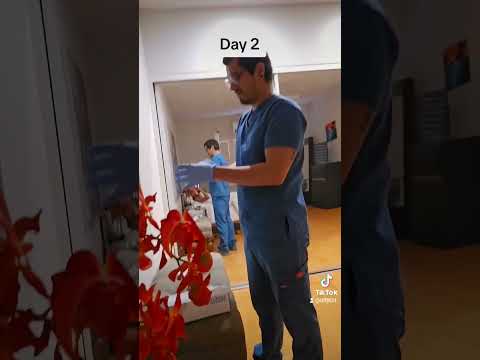
On the day of the treatment, the veteran is situated in a highly monitored, comfortable clinical suite. An IV is established, and heart monitors are attached to track vital signs continuously throughout the experience. An emergency physician and trained psychopomp (guide) remain in the room for the entire duration of the 12 to 24-hour journey.
Navigating the "Gray Day"
Following the intense visionary phase of the ibogaine flood dose, patients enter what is universally referred to as the "Gray Day." As the intense psychoactive effects wear off, the brain is actively rewiring itself. This day is characterized by extreme physical exhaustion and emotional vulnerability.
During this critical window, the clinics provide gentle supportive care. Therapists work delicately with the veteran to begin unpacking the visions and insights gained during the treatment. This is where the true foundational work of overcoming treatment-resistant depression with ibogaine begins, translating profound visions into actionable behavioral changes.
The Importance of Post-Care Integration and Coaching
One of the biggest misconceptions about psychedelic medicine is that it is a magic bullet. While ibogaine provides a massive neurological reset and eliminates withdrawal symptoms, the long-term success of the veteran relies heavily on post-care integration. Returning to the same stressful home environment without a solid plan can lead to rapid relapse.
The best ibogaine treatment centers in Mexico mandate comprehensive aftercare programs. Before the veteran is discharged, they work with integration coaches to develop robust lifestyle plans. This includes setting new routines, finding local veteran support groups, and continuing cognitive behavioral therapy.
Harnessing the Window of Neuroplasticity
Ibogaine opens a unique window of heightened neuroplasticity that lasts for roughly three to six months post-treatment. During this time, the brain is incredibly receptive to new habit formation. Veterans are encouraged to take up new physical activities, engage in meditation, and adopt healthier nutritional habits.
Integration specialists, often veterans themselves, conduct weekly telemedicine check-ins. As detailed at , this ongoing accountability ensures that the profound healing achieved in Mexico translates into permanent, life-long sobriety and mental stability back home.
How to Finance and Plan Your Psychedelic Therapy Journey
Understanding the cost of ibogaine therapy in Mexico is a crucial step in the planning process. Because the treatment involves multiple days of intensive care, specialized medical staff, and luxury accommodations, it requires a financial investment. High-quality, medically supervised packages typically range between $5,000 and $10,000.
While this may seem daunting, it is a fraction of the cost associated with long-term conventional rehab centers in the US, which frequently fail. Moreover, the veteran community has rallied around this cause. Several non-profit organizations, such as VETS (Veterans Exploring Treatment Solutions) and Heroic Hearts Project, offer substantial grants to help finance psychedelic therapy for combat veterans.
Taking the First Step Toward Healing
When planning your medical tourism journey, utilizing a trusted facilitator is essential. Agencies specialized in medical travel ensure that you are paired with fully vetted, globally accredited clinics that adhere to the strictest safety standards. They handle the complex logistics of medical record translation, secure transport across the border, and specialized dietary accommodations.
The veterans road to recovery through ibogaine therapy in Mexico represents a paradigm shift in mental healthcare. By stepping outside the broken traditional system, veterans are reclaiming their autonomy, healing their brains on a cellular level, and returning to their families whole again. The battle does not have to last forever; profound, lasting peace is entirely possible.
Take the First Step Toward Profound Healing
Are you or a veteran you love struggling with treatment-resistant PTSD, TBI, or dependency? PlacidWay Medical Tourism connects you with fully vetted, globally accredited Ibogaine treatment centers in Mexico. Let our experts handle the logistics while you focus entirely on your healing journey.
GET A FREE CLINIC CONSULTATION







.png)
.png)
.png)
.png)



.jpg)
.jpg)
.jpg)
.jpg)








Share this listing