


Transformative Ibogaine Therapy in Mexico for Addiction and Mental Health
Seeking effective Ibogaine Therapy in Mexico has become a primary strategy for individuals battling severe substance dependence and treatment-resistant mood disorders. This powerful psychedelic plant medicine offers an alternative approach when conventional rehabilitation and pharmaceutical interventions fall short. Patients worldwide are turning to specialized clinics south of the border to access this unique alkaloid.
Understanding the clinical application of this substance requires a deep dive into its pharmacological mechanisms and psychological effects. By targeting specific neuroreceptors, this therapy interrupts the cycle of chemical dependency while simultaneously addressing underlying trauma. Proper medical protocols ensure a safe environment for physical detoxification and profound cognitive shifts.
Video Chapters
- Origins of the African Psychedelic Plant
- The Science of Opioid Detoxification
- Managing Treatment-Resistant Depression
- Necessity of Experienced Medical Supervision
- Neurological Impact on Dopamine and Serotonin
- Treating Complex PTSD with Plant Medicine
- Comparing Traditional Rehab vs Alternative Therapy
- Preparation and Aftercare Protocols
Understanding the Origins of the African Psychedelic Plant
The journey of this unique substance begins deep within the dense rainforests of Central West Africa, particularly in countries like Gabon and Cameroon. As the video explains, [00:00] ibogaine is an alkaloid extracted from an African psychedelic plant known scientifically as Tabernanthe iboga. Indigenous Bwiti practitioners have utilized the root bark of this shrub for centuries in their spiritual initiation rites and healing ceremonies.
Modern medical science began analyzing the plant's properties in the mid-20th century, seeking to isolate its active compounds. Researchers discovered that the alkaloid possessed remarkable properties that could temporarily rewrite neural pathways and reset the brain's baseline chemical state. This isolation process allows modern clinicians to administer exact, calculated dosages tailored to a patient's specific metabolic profile and medical history.
Today, the extraction and purification process results in pharmaceutical-grade ibogaine hydrochloride. This refined formulation provides a predictable therapeutic index compared to raw root bark, maximizing safety and efficacy. By transitioning from traditional ceremonial use to clinical application, medical professionals can harness its profound psychological benefits while closely monitoring the physiological response.
The Evolution from Shamanic Ritual to Medical Detoxification
The translation of Bwiti traditions into clinical protocols represents a significant milestone in addiction medicine. Early pioneers noticed that individuals participating in these ceremonies often lost their desire to consume alcohol or chemical narcotics afterward. This anecdotal evidence sparked rigorous pharmacological studies to understand the physiological mechanisms at play.
Clinical observation confirmed that the compound acts as a potent oneirogen, producing a dream-like state while the patient remains awake. This state allows individuals to vividly recall past memories, analyze their traumas objectively, and process suppressed emotions. It is this unique combination of physical neurological reset and profound psychological insight that makes the treatment so highly regarded.
The Science of Opioid Detoxification and Withdrawal Management
One of the most challenging aspects of overcoming addiction to substances like heroin, fentanyl, or prescription painkillers is the severe physical withdrawal phase. As noted in the clinical presentation, [00:26] in patients with addiction, it binds to opioid receptor sites to significantly mitigate physical distress. Standard detoxification methods often involve tapering down with synthetic substitutes, which simply prolongs the dependency cycle rather than breaking it.
When the extracted alkaloid enters the bloodstream, it immediately targets the mu-opioid receptors, effectively blocking the agonizing symptoms of physical withdrawal. By occupying these receptor sites, the compound prevents patients from going into immediate physical withdrawal and diminishes cravings from opioid addiction and other drugs. This mechanism provides a critical window of comfort that allows the patient's central nervous system to recalibrate.
Furthermore, the substance promotes the expression of glial cell line-derived neurotrophic factor (GDNF). This protein encourages the growth and survival of neurons, actively repairing the brain damage caused by long-term substance abuse. Through this neurorestorative process, individuals awaken from the therapy without the debilitating physical sickness that typically drives immediate relapse.
Eradicating Post-Acute Withdrawal Syndrome (PAWS)
Even after the initial physical detox, recovering individuals face months of psychological fatigue, insomnia, and anhedonia known as Post-Acute Withdrawal Syndrome. The persistent nature of PAWS is a primary catalyst for relapse in traditional recovery models. The targeted medical intervention provided by this African alkaloid actively shortens the duration of these post-acute symptoms.
By effectively resetting the brain's reward circuitry to a pre-addicted state, patients frequently report an immediate return of their natural energy levels and emotional stability. The accelerated neurological healing removes the heavy burden of constant cravings, allowing individuals to focus entirely on their behavioral rehabilitation. This immediate relief is why many addiction specialists consider the treatment to be a true interrupter of chemical dependency.
Exploring Ibogaine Therapy for Treatment-Resistant Depression
Beyond its well-documented application in addiction recovery, researchers are highly focused on the efficacy of plant medicine in the psychiatric field. Clinical protocols dictate that [00:05] it is used under experienced medical supervision to treat both psychiatric disorders and chemical addiction. Conventional antidepressants, such as selective serotonin reuptake inhibitors (SSRIs), often take weeks to demonstrate efficacy and carry a host of unwanted side effects.
Individuals suffering from major depressive disorder often experience a chronic imbalance in their neurochemistry and rigid, negative thought patterns. The alkaloid disrupts these entrenched cognitive loops by acting on multiple neurotransmitter systems simultaneously. This comprehensive neurological reset provides immediate relief from the heavy, persistent fog of clinical depression.
During the active psychedelic phase, patients frequently encounter a deep sense of emotional clarity and self-forgiveness. They are able to dissect the root causes of their depression from a detached, non-judgmental perspective. This profound psychological journey often achieves what years of traditional talk therapy and daily pharmaceutical use struggle to accomplish.
Neurological Impact on Dopamine and Serotonin Receptors
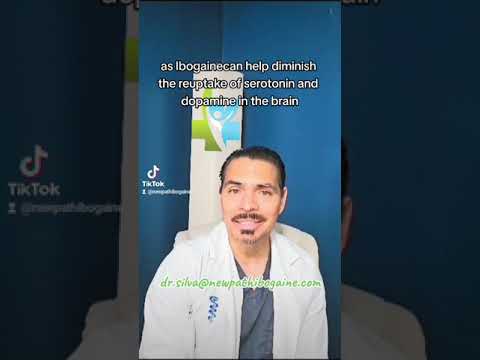
The biochemical interactions inside the brain during therapy are incredibly complex and multifaceted. The medical analysis highlights how [00:12] ibogaine can help diminish the reuptake of serotonin and dopamine in the brain. By keeping these vital neurotransmitters active in the synaptic cleft for longer periods, the brain experiences a sudden and sustained elevation in mood and motivation.
Dopamine is directly responsible for our internal reward system, drive, and sense of pleasure, all of which are severely depleted during clinical depression or after prolonged drug abuse. Serotonin regulates our overall mood, sleep architecture, and emotional stability. By modulating both pathways concurrently, the treatment effectively jump-starts the brain's natural ability to produce and utilize these essential chemicals.
This dual-action mechanism is fundamentally different from traditional psychiatric medications, which typically target only one specific neurotransmitter pathway. The holistic neurochemical recalibration explains why patients often feel a profound sense of rejuvenation and emotional equilibrium immediately following their treatment session.
The Absolute Necessity of Experienced Medical Supervision
Administering this potent psychedelic compound is not a casual endeavor and carries significant physiological demands on the human body. As emphasized by clinical experts, [00:05] it must be used under experienced medical supervision to safely treat both psychiatric disorders and addiction. The cardiovascular system, in particular, undergoes substantial stress during the onset of the active phase.
The primary medical risk associated with the treatment is a condition known as QT interval prolongation, an irregularity in the heart's electrical cycle that can lead to dangerous arrhythmias. Reputable treatment centers mandate extensive pre-screening, including comprehensive blood panels, liver function tests, and resting electrocardiograms (EKGs). Patients with pre-existing heart conditions or severe liver impairments are generally disqualified to ensure absolute safety.
During the actual administration of the flood dose, a team of medical professionals continuously monitors the patient's vital signs. Advanced telemetry equipment tracks the patient's heart rate, blood pressure, and oxygen saturation levels throughout the entire duration of the experience. Should any cardiac irregularities arise, an experienced medical staff is fully equipped to intervene immediately with advanced life support protocols.
Standardizing Safety Protocols in Alternative Clinics
Because the substance remains unscheduled or heavily regulated in many Western nations, patients actively seek out specialized clinical facilities abroad. The best treatment centers adhere strictly to the protocols established by the Global Ibogaine Therapy Alliance (GITA). These standardized guidelines dictate proper dosing algorithms, emergency response procedures, and comprehensive patient screening.
A legitimate clinical setting will never rush the administration of the alkaloid. Patients typically spend several days stabilizing on short-acting medications to ensure all conflicting substances are completely cleared from their system. This meticulous stabilization phase significantly reduces the risk of adverse physiological reactions and maximizes the overall efficacy of the neurological reset.
Treating Complex PTSD Symptoms with Plant Medicine
Post-Traumatic Stress Disorder fundamentally alters the brain's architecture, leaving individuals trapped in a state of hypervigilance and severe emotional dysregulation. The clinical overview asserts that the treatment [00:12] can help diminish symptoms of psychiatric disorders such as depression, anxiety, and PTSD. By engaging the default mode network (DMN), the medicine helps break the obsessive trauma loops that characteristic this condition.
During the visionary phase of the treatment, the amygdala—the brain's fear center—is temporarily suppressed. This suppression allows the patient to navigate highly traumatic memories without experiencing the accompanying physiological panic and terror. The individual can effectively process the trauma as a neutral observer, rewriting the emotional weight attached to the memory.
This process of reconsolidation is vital for long-term recovery from complex trauma. Instead of merely masking the symptoms with daily sedatives or anti-anxiety medications, the therapy addresses the root psychological injury. Patients frequently emerge from the session with a renewed sense of peace and a dramatic reduction in flashbacks and night terrors.
Comparing Traditional Rehab vs Alternative Therapy Approaches
Evaluating treatment options requires a clear understanding of how different modalities address the core issues of chemical dependency. Traditional rehabilitation relies heavily on behavioral modification over extended periods. In contrast, this alternative clinical approach provides rapid neurological stabilization.
| Treatment Feature | Traditional Rehabilitation | Ibogaine Therapy in Mexico |
|---|---|---|
| Physical Detoxification | Prolonged tapering, highly uncomfortable. | Rapid blockage of opiate receptors, minimal pain. |
| Cravings Management | Requires daily willpower, substitute medications. | Neurological reset, eliminates physical cravings. |
| Psychological Processing | Months of traditional talk therapy and group sessions. | Intense visionary state processes years of trauma in hours. |
| Treatment Duration | Typically 30, 60, or 90 days inpatient. | Usually a 7 to 14-day intensive clinical stay. |
The fundamental distinction lies in the timeline of neurological repair. Traditional methods wait for the brain to slowly heal itself over many months of total abstinence. The rapid intervention of plant alkaloids accelerates this healing curve dramatically.
By bypassing the most excruciating elements of withdrawal, patients avoid the trauma of the detox process itself. This allows them to allocate their full mental and physical energy toward building a sustainable, healthy lifestyle immediately upon returning home.
Preparation and the Vital Integration Phase
Achieving successful long-term outcomes depends heavily on the work done both before and after the actual clinical administration. Pre-care requires patients to stabilize their physical health, abstain from contraindicated substances like stimulants or long-acting opiates, and undergo rigorous psychological preparation. Setting clear, actionable intentions prior to the therapy maximizes the psychological insights gained during the visionary phase.
The period immediately following the treatment is known as the integration phase. The medicine opens a unique window of heightened neuroplasticity, allowing the patient to rapidly adopt new behaviors and perspectives. During this time, the brain is remarkably receptive to positive lifestyle changes, cognitive behavioral therapy, and the establishment of healthy routines.
Key Components of Successful Aftercare
Failing to implement a structured aftercare plan significantly increases the risk of returning to old behavioral patterns. The profound spiritual and chemical reset provided by the therapy must be supported by ongoing environmental changes.
- Continued Psychological Support: Engaging with a specialized integration coach or therapist to unpack the complex visions and emotions experienced during the flood dose.
- Environmental Restructuring: Removing triggers from the home environment, cutting ties with active substance users, and establishing a secure support network.
- Holistic Wellness Practices: Incorporating daily exercise, mindful meditation, and strict nutritional protocols to support ongoing neurogenesis and dopamine regulation.
- Ongoing Medical Monitoring: Regular check-ins with healthcare providers to monitor mood stability, sleep patterns, and overall physical recovery.
Patients who view the treatment not as a magical cure, but as a powerful catalyst for change, experience the highest rates of sustained recovery. The alkaloid effectively opens the door to a new life, but the individual must actively choose to walk through it and build a solid foundation.
Navigating Medical Tourism and Clinic Selection
Due to the complex regulatory status of psychedelic alkaloids in the United States and parts of Europe, patients actively engage in medical tourism to access this life-saving intervention. Mexico has emerged as the premier destination for these services, offering legal, regulated clinics staffed by highly trained emergency medicine physicians and specialized psychiatrists.
When selecting a facility, prospective patients must demand complete transparency regarding the clinic's medical credentials. Top-tier centers employ full-time cardiologists, utilize advanced ICU-grade monitoring equipment, and boast a high staff-to-patient ratio. Verifying the specific purity of the hydrochloride used and understanding the exact protocols for emergency intervention are non-negotiable steps in the selection process.
Ultimately, the financial investment in traveling for this specialized therapy reflects a commitment to a highly advanced, clinically sound approach to severe mental health challenges and dependency. By choosing a reputable, medically supervised environment, individuals secure the best possible opportunity to safely reclaim their physical health and mental clarity.
Ready to Begin Your Healing Journey?
Discover safely regulated, medically supervised Ibogaine Therapy centers in Mexico. Get expert guidance and customized treatment plans for addiction recovery and mental health optimization.
Get Free QuoteView Full Video Transcript
[00:00] Ibogaine is an alkaloid that is extracted from an African psychedelic plant.
[00:05] It is used under experienced medical supervision to treat both psychiatric disorders as well as addiction.
[00:12] As ibogaine can help diminish the reuptake of serotonin and dopamine in the brain, it can help diminish symptoms of psychiatric disorders such as depression, anxiety, PTSD.
[00:26] As well as in patients with addiction, as it binds to opioid receptor sites, it can prevent patients from going into physical withdrawal and diminish cravings from opioid addiction as well as other drugs.








.png)
.png)
.png)
.png)















Share this listing