


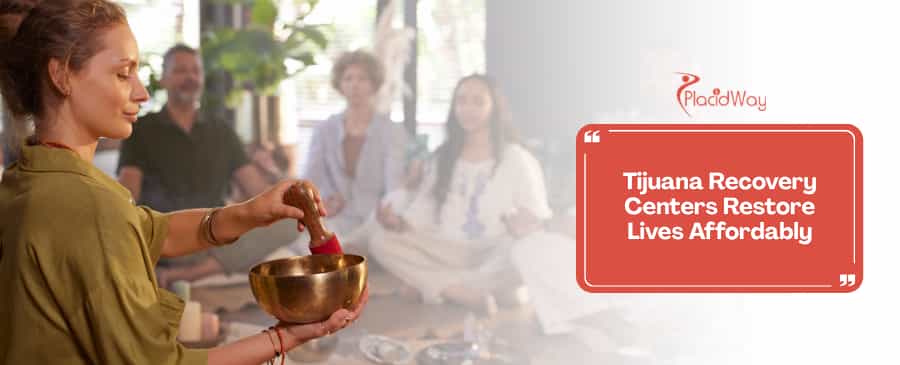
Overcoming severe substance dependency requires dedicated effort and specialized medical care that addresses both the body and the mind. Meth addiction treatment in Tijuana typically involves comprehensive interventions designed to guide individuals through the complexities of withdrawal and psychological recovery. Because methamphetamines deeply alter brain chemistry, patients generally require intensive, structured support to safely manage the physical and emotional turbulence of early sobriety.
Long-term recovery is generally more successful when individuals remove themselves from triggering environments and focus entirely on their healing. Seeking care across borders allows patients to break free from daily stressors and access highly focused therapeutic interventions. By immersing themselves in a new, supportive environment, individuals are given the necessary mental space to unlearn destructive behaviors and establish new, healthier coping mechanisms.
Methamphetamine affects the central nervous system by releasing high levels of dopamine, which is why supervised medical detox is often critical. Safe withdrawal protocols help mitigate intense psychological distress during the initial days of abstinence.
- Supervised medical management of acute withdrawal symptoms.
- Continuous behavioral monitoring to ensure patient safety.
- Initial psychological assessments to tailor personalized recovery plans.
- Integration of nutritional support to repair physical damage.
Why Choose Medical Tourism in Tijuana for Rehab
Choosing an international destination for healthcare has become increasingly common for individuals seeking quality, affordable interventions. The rise of medical tourism in Tijuana is largely due to the combination of its immediate proximity to the United States border and the availability of world-class medical professionals. Patients traveling from North America find the logistics of crossing the border straightforward, making it an accessible option for urgent care needs.
Beyond geographical convenience, the destination is renowned for offering highly compassionate, patient-centric care models. Treatment facilities in this region often emphasize a warmer, more personalized approach to healthcare, which is highly beneficial for vulnerable individuals in recovery. This welcoming culture, combined with stringent medical standards, creates an ideal environment for rebuilding one's life.
Tijuana welcomes over 1 million medical tourists annually, with behavioral health and addiction treatment sectors seeing steady growth due to internationally accredited standards of care.
Evaluating Long-Term Residential Care Facilities in Tijuana
Selecting the right therapeutic environment is a crucial step in the recovery journey, demanding careful research and consideration. Quality long-term residential care facilities focus on comprehensive healing, providing secure campuses that prioritize patient confidentiality and safety. When evaluating options, it is vital to look for centers that possess proper licensing, employ multidisciplinary medical teams, and maintain clear emergency medical protocols.
The duration of care is another critical factor to assess during your evaluation process. While short-term detox is necessary, long-term programs—typically ranging from 30 to 90 days—allow for the deep psychological work required to address chronic addiction. Facilities should offer transparent schedules, detailing the daily balance of group therapy, individual counseling, and recreational activities that make up their rehabilitative curriculum.
Not all facilities are created equal. It is vital to verify that the chosen clinic utilizes evidence-based medical practices rather than unproven experimental treatments. Always consult with independent healthcare professionals before committing to a program.
Affordable Meth Addiction Treatment Cost in Tijuana
Financial barriers often prevent individuals from accessing the intensive, long-term help they desperately need to achieve sobriety. Exploring the cost of meth rehab in Tijuana reveals substantial savings, making premium care accessible to a broader demographic. These reduced costs are generally attributed to lower administrative overhead and differences in regional economic structures, rather than a compromise in the quality of clinical care.
When budgeting for an international rehab stay, patients should consider the comprehensive nature of the pricing packages. Most affordable rehab in Mexico encompasses accommodation, daily meals, intensive therapy sessions, and 24/7 medical monitoring within a single fee structure. Below is an estimated cost comparison to illustrate the potential financial advantages of cross-border medical travel.
| Treatment Phase / Program | Average Cost in Tijuana (USD) | Estimated Cost in US/Canada (USD) |
|---|---|---|
| Medical Detoxification (7-10 Days) | $2,500 - $4,500 | $6,000 - $12,000 |
| 30-Day Residential Rehab Program | $6,000 - $12,000 | $20,000 - $45,000 |
| 60-Day Extended Care Program | $11,000 - $20,000 | $40,000 - $80,000 |
| 90-Day Comprehensive Recovery | $15,000 - $28,000 | $60,000 - $120,000+ |
Core Components of Residential Rehab in Tijuana
A structured environment is vital for individuals rebuilding their lives after chaotic periods of substance abuse. The daily routine inside top-tier facilities is meticulously designed to eliminate idle time while fostering a sense of responsibility and self-worth. These schedules typically integrate clinical care with wellness activities, helping patients develop a balanced rhythm of living.
Furthermore, these programs typically integrate continuous medical supervision with peer-supported community building. Surrounding oneself with individuals who share similar struggles reduces feelings of isolation and promotes mutual accountability. The core curriculum focuses on equipping patients with practical life skills that are essential for maintaining independence and sobriety outside the facility.
When reviewing program schedules, look for a balance between intense therapeutic interventions and designated periods for personal reflection. Overtaxing the mind during early recovery can lead to burnout.
Detoxification Protocols at Tijuana Rehab Clinics
The initial phase of recovery generally requires medically supervised detoxification to rid the body of toxic substances safely. Because withdrawing from stimulants can induce severe depression, anxiety, and extreme fatigue, abrupt cessation without medical support is highly discouraged. Leading Tijuana rehab clinics employ evidence-based protocols to manage these acute symptoms, ensuring the patient's physical stability.
During detox, clinical teams continuously monitor vital signs, hydration levels, and psychiatric well-being. Medications may be administered cautiously to alleviate discomfort and reduce the intensity of cravings, paving the way for the next phase of treatment. This crucial foundational step is handled with utmost dignity and compassion, acknowledging the immense physical toll the addiction has taken.
Medical detox is only the first step in the continuum of care. Extensive research indicates that detoxification alone, without subsequent psychological therapy, rarely leads to long-term abstinence.
Psychological Therapies for Meth Recovery in Mexico
Addressing the root psychological causes of addiction is fundamental to achieving and maintaining lasting recovery. Patients undergoing addiction treatment in Tijuana usually participate in intensive therapeutic sessions that challenge destructive thought patterns. Cognitive Behavioral Therapy (CBT) and Dialectical Behavior Therapy (DBT) are frequently utilized to help individuals identify the emotional triggers that lead to substance use.
In addition to individual counseling, group therapy plays a pivotal role in the psychological healing process. Guided by licensed psychotherapists, group sessions provide a safe space for emotional expression and the sharing of coping strategies. Dual-diagnosis treatments are also common, ensuring that co-occurring mental health disorders, such as anxiety or depression, are treated simultaneously with the addiction.
Methamphetamine abuse significantly alters the brain's reward system. Evidence-based therapies focus heavily on "rewiring" the brain, helping patients find joy and satisfaction in natural, healthy activities over time.
Holistic Approaches in Tijuana Addiction Treatment Centers
Comprehensive healing extends beyond clinical detoxification and standard behavioral counseling to address the whole person. Many modern Tijuana addiction treatment centers incorporate holistic modalities that nurture physical vitality and spiritual well-being. These integrative approaches recognize that chronic substance abuse depletes the body of vital nutrients and disrupts emotional equilibrium.
Patients often have access to programs that include specialized nutrition plans, yoga, guided meditation, and fitness therapy. By engaging in these activities, individuals typically experience improved sleep quality, reduced stress, and enhanced emotional regulation. Holistic care encourages a lifestyle shift, replacing self-destructive habits with practices that promote long-term vitality and inner peace.
Studies suggest that facilities incorporating holistic therapies alongside traditional clinical treatments report higher patient retention rates and improved overall emotional stability during the initial 90 days of recovery.
Relapse Prevention Planning at Facilities in Tijuana
Securing sobriety requires a strategic, forward-looking approach to handling future temptations and life stressors. Counselors at long-term residential care facilities work closely with patients to identify specific personal triggers and map out detailed response plans. Education on the stages of relapse—emotional, mental, and physical—is a core component of empowering patients to intervene before a slip occurs.
A robust relapse prevention plan typically includes establishing a reliable support network and outlining actionable steps to take when cravings arise. Role-playing scenarios are often utilized in therapy to practice refusal skills and emotional boundary-setting. The ultimate goal is to ensure patients leave the protective environment of the rehab center feeling confident and thoroughly prepared for the real world.
Relapse is often viewed by addiction specialists not as a complete failure, but as a temporary setback that indicates a need to adjust the treatment plan. Continuous skill-building reduces the likelihood of returning to substance use.
Preparing for Your Medical Travel to Tijuana for Rehab
Planning an international trip for medical purposes requires careful organization, especially when dealing with the sensitive nature of addiction recovery. Patients participating in medical tourism in Tijuana should gather all necessary medical records, including psychiatric histories and current medication lists, to ensure a seamless admission process. Clear communication with the chosen facility prior to arrival is essential for aligning expectations.
Logistical preparation also involves ensuring travel documents, such as a valid passport, are up to date. Many reputable clinics provide dedicated patient coordinators to assist with the intake process and answer questions regarding what items are permitted on campus. Setting personal affairs in order back home can significantly alleviate anxiety, allowing the patient to focus entirely on their recovery journey.
Pack comfortable, modest clothing and personal hygiene items that do not contain alcohol. Leave high-value items, electronics, and cash at home, as facilities usually restrict external distractions to maximize therapeutic focus.
Aftercare and Transition Support Following Tijuana Rehab
Returning home after an extended stay in a residential facility can be a highly vulnerable time, requiring robust transitional support. Quality programs typically offer extensive aftercare planning, recognizing that recovery is a lifelong commitment rather than a temporary fix. Continuing care strategies generally include regular remote counseling sessions, alumni group check-ins, and coordination with local therapists in the patient's home country.
For some individuals, stepping down into a sober living environment before fully returning to their previous living situation is a recommended strategy. This gradual transition provides ongoing accountability while reintroducing personal freedoms. Maintaining strict adherence to the aftercare plan is one of the strongest predictors of long-term success following meth addiction treatment in Tijuana.
Engagement in continuing care programs, such as weekly 12-step meetings or ongoing outpatient therapy, drastically lowers the risk of relapse in the first critical year of recovery.
How PlacidWay Assists Your Meth Rehab Journey in Tijuana
Navigating international healthcare options can feel overwhelming for patients and their families during a time of crisis. Trusting a reliable medical tourism facilitator simplifies the research phase and connects you directly with established, accredited care centers. We streamline the process by connecting you with vetted healthcare providers who specialize in comprehensive addiction recovery.
Our goal is to empower patients to make informed, confident decisions regarding their health and future. By providing transparent information and dedicated support, we help bridge the gap between patients seeking help and top-tier facilities offering compassionate care.
- Providing access to a carefully curated network of accredited international rehabilitation centers.
- Facilitating secure and direct communication between patients and clinical admission teams.
- Supplying detailed profiles of medical staff, treatment methodologies, and facility credentials.
- Offering personalized assistance to help match patients with programs suited to their specific medical needs.
- Assisting with the secure transfer of medical histories and preliminary intake assessments.
Patient Experiences with Addiction Treatment in Tijuana
Hearing from those who have successfully navigated recovery provides immense hope and practical insight into the treatment experience. Testimonials offer a glimpse into the daily reality of life inside these centers and the profound transformations that are possible. These summaries reflect the general experiences of individuals who sought affordable rehab in Mexico to overcome severe dependencies.
While every journey is deeply personal and results may vary, the overarching theme among successful patients is gratitude for the compassionate, non-judgmental care received. Below are summarized experiences from individuals who have committed to rebuilding their lives through residential treatment.
Overcoming the Darkest Days
After struggling with severe dependency for years, James found the structured medical detox in Tijuana to be a lifesaver. The continuous medical supervision helped him through intense withdrawal safely, allowing him to transition smoothly into the 60-day therapeutic program.
A Compassionate Environment
Sarah traveled from Canada seeking affordable care and was overwhelmed by the empathy of the bilingual staff. She noted that the holistic therapies, particularly guided meditation and nutritional repair, were pivotal in restoring her physical and mental clarity.
Rebuilding Family Trust
Michael engaged in a 90-day program that included intensive family therapy sessions via secure video calls. This intervention not only addressed his personal triggers but also educated his family on how to create a supportive environment upon his return home.
Empowered by Aftercare
David credits his ongoing sobriety to the robust relapse prevention plan developed during his stay. The weekly alumni telehealth check-ins provided the accountability he needed during his first six months of independent living.
Frequently Asked Questions About Meth Rehab in Tijuana
Making an informed decision is paramount when considering international medical care for severe substance use disorders. It is completely normal for patients and their loved ones to have numerous inquiries regarding safety, treatment protocols, and logistics. Seeking clear, authoritative answers is the first step toward a successful intervention.
Below are common inquiries from individuals considering meth addiction treatment in Tijuana. These answers are designed to provide clarity on the medical tourism process and the standards of care expected at top residential facilities.
Is medical tourism in Tijuana safe for addiction treatment?
Medical tourism in Tijuana is generally safe when patients select internationally accredited and heavily vetted facilities. These designated clinics typically offer secure, private campuses and adhere to strict patient safety protocols.
How long is the typical residential rehab program in Tijuana?
Most patients experience the best outcomes with programs lasting between 30 to 90 days. However, long-term residential care facilities can accommodate extended stays depending on individual recovery needs.
Are the medical staff at Tijuana rehab clinics qualified?
Yes, reputable centers employ board-certified physicians, licensed psychiatrists, and credentialed addiction counselors. Many specialists working in these facilities have received training or certifications internationally.
What therapies are included in meth addiction treatment in Tijuana?
Treatment usually encompasses cognitive behavioral therapy (CBT), group counseling, family therapy, and holistic modalities like art and fitness therapy. Programs are highly customized to address the psychological impacts of dependency.
Do I need a passport to travel to Tijuana for medical care?
Yes, international patients traveling from the United States, Canada, and other countries require a valid passport to enter Mexico. It is also required for re-entry into your home country.
Will I experience language barriers at long-term residential care facilities in Mexico?
Top-tier facilities dedicated to medical tourists generally employ bilingual staff who speak fluent English. This ensures clear communication during complex psychological therapies and medical consultations.
How much does meth addiction treatment cost in Tijuana compared to the US?
Patients typically save between 50% to 70% on the cost of care when choosing affordable rehab in Mexico compared to North American averages. These savings apply to both detoxification and long-term residential programs.
Can my family visit me during my stay at a Tijuana rehab clinic?
Family visitation policies vary by facility, but many clinics incorporate structured family therapy sessions after the initial detox phase. This is generally designed to rebuild trust and educate loved ones on supportive aftercare.
What happens after I complete my residential rehab program in Tijuana?
Quality programs typically provide comprehensive discharge planning, including remote counseling and local support group recommendations. Transition support is a crucial component of relapse prevention.
Does affordable rehab in Mexico mean a compromise in quality?
Lower costs are primarily due to the lower cost of living and administrative overhead in Mexico, not a reduction in medical quality. Vetted facilities strictly adhere to international healthcare standards and evidence-based practices.
Take the First Step Toward Rebuilding Your Life with PlacidWay
Medical Disclaimer: This article is for informational purposes only and is not medical advice. Always consult a qualified healthcare provider before any medical decisions. Results may vary. Read Full Disclaimer here.
References
- National Institute on Drug Abuse (NIDA). Methamphetamine Research Report: What treatments are effective for people who misuse methamphetamine? https://nida.nih.gov/publications/research-reports/methamphetamine/what-treatments-are-effective-people-who-misuse-methamphetamine
- Medical Tourism Association. Mexico Healthcare and Medical Tourism Guidelines. https://www.medicaltourism.com/destinations/mexico
- National Library of Medicine. Behavioral Interventions for Methamphetamine Use Disorder. https://pmc.ncbi.nlm.nih.gov/articles/PMC9185770/
- World Health Organization (WHO). Clinical Guidelines for Withdrawal Management and Treatment of Drug Dependence in Closed Settings. https://www.ncbi.nlm.nih.gov/books/NBK310652/







.png)
.png)
.png)













Share this listing