


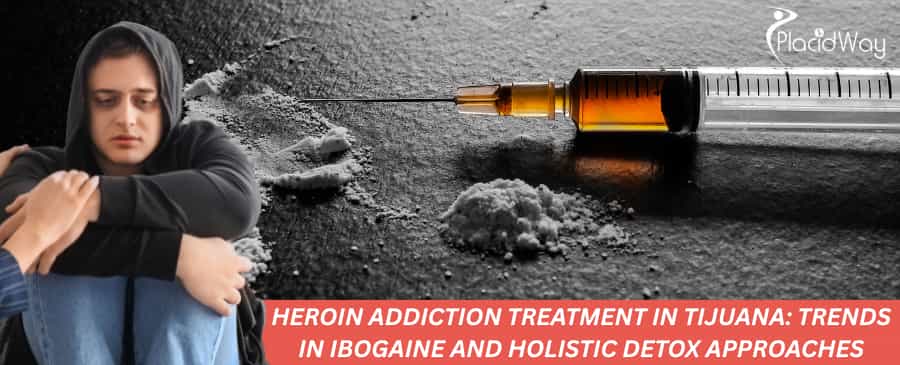
The global demand for effective addiction recovery solutions has led many individuals to seek heroin addiction treatment in Tijuana. Situated just across the border from the United States, this destination has developed a robust medical tourism infrastructure specifically tailored for substance abuse recovery. Facilities in this region typically combine internationally recognized medical standards with alternative therapies that may not be accessible in the patient's home country. This integration aims to provide a comprehensive approach to overcoming opiate dependency, focusing on both the intense physical withdrawal symptoms and the underlying psychological factors.
Navigating the complex journey of recovery generally requires more than just standard clinical observation. In recent years, Tijuana rehab centers have embraced advanced detox methods designed to minimize withdrawal discomfort while actively supporting neurological healing. Most patients experience significant physical and emotional distress during the initial detox phase, making innovative and carefully monitored environments essential. By incorporating a diverse array of therapies, these centers endeavor to create a stable, supportive foundation for long-term sobriety.
- Medically Supervised Tapering: Utilizing gradual reduction protocols under strict physician oversight to manage severe physical withdrawal symptoms safely.
- Psychedelic-Assisted Therapy: Administering regulated plant-based medicines to potentially interrupt deeply ingrained addiction pathways in the brain.
- Nutritional Intravenous (IV) Therapy: Replenishing depleted vitamins and minerals rapidly to restore physical strength and accelerate cellular repair.
- Bio-chemical Restoration: Employing targeted amino acids and supplements to assist in the natural recalibration of the brain's neurotransmitters.
The Rise of Ibogaine Therapy for Heroin Addiction in Mexico
One of the most significant trends drawing international patients across the border is the availability of ibogaine therapy for opiate dependency. Ibogaine is a naturally occurring psychoactive alkaloid extracted from the root bark of the West African Tabernanthe iboga plant. While classified as a restricted substance in several nations, including the United States, it remains legal and accessible in clinical settings throughout Mexico. This legal framework has allowed specialized medical practitioners in Tijuana to develop extensive experience in administering the substance to individuals struggling with severe substance use disorders.
Advocates and medical researchers note that affordable heroin detox in Mexico using ibogaine typically targets the brain's opiate receptors to significantly diminish physical withdrawal symptoms and cravings. Most individuals report that the treatment induces a profound, dream-like introspective state, allowing them to process deeply rooted emotional trauma associated with their addiction. Although results can never be guaranteed, the therapeutic window created by this treatment generally offers patients a unique opportunity to engage more effectively in post-detox psychological therapies.
Ibogaine does not serve as a substitute drug like methadone or buprenorphine. Instead of replacing the dependency, it is generally believed to reset the brain's neurochemistry, temporarily eliminating opioid cravings and allowing the patient to focus entirely on psychological rehabilitation.
Holistic Detox Approaches for Substance Abuse Recovery in Tijuana
In addition to advanced pharmacological interventions, holistic addiction treatment in Mexico has gained substantial recognition for treating the entire person—mind, body, and spirit. Recognizing that addiction fundamentally fractures an individual's overall well-being, facilities integrate complementary practices alongside traditional medicine. These holistic approaches are typically designed to lower stress hormones, improve emotional regulation, and foster a peaceful internal environment conducive to sustained healing. Most patients find that engaging in these diverse modalities helps rebuild their self-esteem and physical vitality.
The integration of these practices signifies a shift away from purely punitive or highly clinical rehabilitation models. When patients travel for medical tourism in Tijuana, they generally encounter programs that feature daily yoga, meditation, art therapy, and sound healing. These holistic strategies are not intended to replace medical care; rather, they serve as crucial supportive pillars that empower patients to manage anxiety and depression naturally during their vulnerable early days of recovery.
Research indicates that combining traditional medical detoxification with structured holistic therapies generally reduces early dropout rates in rehabilitation programs. Patients participating in mindfulness and physical wellness routines often report higher satisfaction and better emotional stability during withdrawal.
Affordable Heroin Addiction Treatment Cost in Tijuana vs US Prices
The financial burden of comprehensive substance abuse recovery is often a monumental barrier for individuals in North America. Seeking heroin addiction treatment in Tijuana provides a highly viable economic alternative without necessarily compromising the quality of medical care. Because the cost of living, administrative overhead, and malpractice insurance rates are notably lower in Mexico, private clinics can offer extensive, multi-disciplinary inpatient programs at a fraction of standard North American prices. This affordability allows many patients to access specialized treatments that would otherwise be entirely out of their financial reach.
When evaluating the cost of heroin rehab in Mexico, it is crucial to understand that pricing generally reflects an all-inclusive residential model. These packages typically cover pre-treatment medical diagnostics, the detoxification procedure, holistic therapies, continuous medical monitoring, and accommodation. Below is a comparative overview of what patients might typically expect to pay for various addiction recovery services.
| Procedure / Treatment Name | Average Cost in Tijuana (USD) | Estimated Cost in US/Canada (USD) |
|---|---|---|
| Standard Medical Detox (7-10 Days) | $2,500 - $4,500 | $8,000 - $15,000 |
| Ibogaine Therapy Protocol (7-14 Days) | $5,000 - $8,500 | Not Legally Available / $15,000+ (Underground) |
| 30-Day Residential Holistic Rehab | $6,000 - $12,000 | $20,000 - $50,000+ |
| Outpatient Aftercare & Therapy (Per Month) | $500 - $1,500 | $2,000 - $5,000 |
Why Choose Medical Tourism in Tijuana for Addiction Recovery
Opting for medical tourism in Tijuana presents unique advantages beyond sheer cost savings. The geographical proximity to major United States travel hubs, particularly San Diego, California, makes Tijuana an incredibly accessible destination for international patients facing urgent medical crises. This ease of travel is highly beneficial for individuals suffering from active addiction, as minimizing transit time generally reduces the likelihood of complications or the patient changing their mind before admission. Furthermore, the anonymity provided by crossing an international border often gives patients the privacy they desire during a highly sensitive time in their lives.
Moreover, the influx of international health travelers has driven exceptional growth in the quality of Tijuana rehab centers. Facilities competing on a global stage typically invest heavily in state-of-the-art medical equipment, luxurious amenities, and internationally trained clinical staff. Most reputable centers employ bilingual healthcare professionals who understand the cultural and medical expectations of American and Canadian patients, ensuring a seamless, comforting, and highly professional treatment experience.
When arranging your travel, inquire if your chosen facility offers private transportation services directly from the San Diego International Airport. Most premier clinics provide medically supervised shuttle services across the border to ensure your arrival is safe, discreet, and stress-free.
The Science Behind Ibogaine Treatment for Opiate Dependency
Understanding the clinical mechanics of ibogaine therapy for opiate dependency requires looking at how the substance interacts with the brain's complex neurochemistry. Ibogaine typically processes through the liver to become noribogaine, a potent compound that binds to various neuroreceptors, including the mu-opioid receptors, serotonin transporters, and NMDA receptors. By simultaneously interacting with multiple receptor sites, the therapy generally works to block the painful physical symptoms of opiate withdrawal while returning the brain's dopamine pathways to a pre-addiction baseline. This neurological reset is what most patients credit for their sudden cessation of intense cravings.
Additionally, the psychoactive properties of the treatment facilitate a deep, REM-like state while the patient remains entirely awake. During this phase, individuals typically experience vivid visualizations of past memories, traumas, and the root causes of their behavioral patterns. While the experience can be intensely challenging, it is generally considered a vital component of holistic addiction treatment in Mexico. The profound psychological insights gained during this window often serve as a catalyst for long-term behavioral change when paired with professional psychotherapy.
Observational studies published in specialized medical journals suggest that over 70% of individuals undergoing medically supervised ibogaine therapy for opiate use disorder reported a significant reduction in withdrawal symptoms and cravings within the first 48 hours post-treatment.
Evaluating Candidate Suitability for Holistic Addiction Treatment in Mexico
While the prospect of rapid detoxification is appealing, it is critical to recognize that not every individual is an ideal candidate for heroin addiction treatment in Tijuana, specifically regarding psychedelic therapies. Reputable facilities prioritize comprehensive medical screenings to determine physical and psychological suitability before admitting any patient. A thorough evaluation typically includes advanced blood panels, liver and kidney function tests, and extensive cardiovascular assessments. Because advanced detox medicines can temporarily alter heart rhythms, strict contraindications exist to protect patient safety.
Individuals with a history of severe cardiac arrhythmias, prolonged QT intervals, decompensated liver disease, or active psychiatric disorders such as schizophrenia are generally disqualified from certain treatments. The clinical team must carefully review a patient’s complete medical history and current substance use profile to formulate a safe protocol. When seeking affordable heroin detox in Mexico, a facility's rigorous prescreening process should be viewed as a strong indicator of their commitment to high-level medical standards.
Ibogaine therapy carries inherent, potentially severe cardiovascular risks, particularly the prolongation of the QT interval which can lead to fatal arrhythmias. Full EKG screenings and continuous heart monitoring by certified medical professionals are absolutely mandatory. Never attempt self-administration or seek treatment at unverified underground clinics.
What to Expect During the Ibogaine Detox Process in Tijuana
The journey through ibogaine therapy for heroin addiction is a meticulously structured process that typically spans several days to ensure maximum safety and efficacy. The initial phase generally consists of medical stabilization, where patients are temporarily transitioned to short-acting opiates and carefully monitored to prepare their body for the primary treatment. Once medically cleared, the administration phase begins in a quiet, darkened room under the continuous supervision of advanced life support-certified nurses and physicians. Patients are typically attached to cardiac monitors throughout the entire duration of the active medicine.
Most patients experience the active phase lasting between 12 to 24 hours, categorized into visionary, introspective, and residual stimulation stages. Following this intense period, the focus shifts entirely to physical and emotional recovery. This integration phase is a cornerstone of holistic addiction treatment in Mexico, where patients work with therapists to process their psychological breakthroughs. Adequate rest, specialized nutrition, and gentle holistic therapies are utilized to help the nervous system recalibrate safely.
The hallucinogenic properties of ibogaine are classified by researchers as "oneirogenic," meaning they produce waking dreams. Unlike other psychedelics that alter the perception of reality, patients generally remain acutely aware of their surroundings and understand that the visions they are experiencing are internal psychological projections.
Comprehensive Aftercare Programs for Long-Term Heroin Recovery
Successfully completing heroin addiction treatment in Tijuana is a monumental achievement, but medical experts unanimously agree that detox is merely the first step in a lifelong journey. The absence of physical cravings must be supported by robust behavioral changes to prevent relapse once the patient returns to their usual environment. Therefore, premier clinics generally emphasize the development of personalized, comprehensive aftercare plans before the patient is discharged. These post-treatment protocols are critical for sustaining the neurological and psychological gains achieved during the residential stay.
Aftercare typically involves a seamless transition back to the patient’s home country, armed with specific therapeutic strategies and support networks. Recognizing that medical tourism in Tijuana temporarily removes individuals from their triggers, facilities aim to equip them with the resilience needed for everyday life. Most patients achieve better long-term outcomes when they commit to continuous psychological support and community integration.
- Continuous Psychotherapy: Engaging in weekly Cognitive Behavioral Therapy (CBT) or Dialectical Behavior Therapy (DBT) sessions in the patient's home city.
- Virtual Integration Counseling: Utilizing telehealth services provided by the Mexican clinic to process the ongoing emotional aftermath of the treatment.
- Sober Living Arrangements: Transitioning into a structured, substance-free residential community to build healthy daily routines.
- Support Group Participation: Regularly attending local or online recovery groups, such as NA or SMART Recovery, to maintain social accountability.
Addressing Safety and Medical Protocols in Tijuana Rehab Centers
Safety is understandably the primary concern for any patient contemplating traveling abroad for complex medical procedures. The leading Tijuana rehab centers operate under strict regulations governed by Mexican health authorities (COFEPRIS) and often voluntarily adhere to international medical standards. These elite facilities typically function like boutique hospitals, equipped with advanced diagnostic labs, emergency crash carts, and dedicated Intensive Care Unit (ICU) beds. This infrastructure ensures that in the rare event of an adverse reaction, immediate, life-saving interventions are readily available on-site.
Furthermore, transparency regarding medical staffing is a hallmark of trustworthy clinical operations. Patients seeking affordable heroin detox in Mexico should expect to be treated by a multidisciplinary team comprising licensed cardiologists, toxicologists, emergency medicine physicians, and specialized clinical psychologists. The presence of this comprehensive medical team generally provides international patients with the peace of mind necessary to fully surrender to the intense physical and emotional demands of the recovery process.
Always request a virtual consultation with the lead medical physician before booking your trip. Use this time to ask detailed questions regarding emergency protocols, the presence of an on-site cardiologist, and the clinic’s specific licensing and accreditations.
Integrating Alternative Therapies into Traditional Addiction Detox
To maximize the efficacy of pharmacological detox methods, specialized centers increasingly weave complementary alternative therapies into their daily schedules. The philosophy behind holistic addiction treatment in Mexico is that physical detox removes the toxins, but holistic therapies heal the emotional damage left behind. These modalities typically aim to stimulate the parasympathetic nervous system, guiding the patient out of the chronic 'fight or flight' state that accompanies prolonged substance abuse. As a result, patients generally experience improved sleep patterns, reduced anxiety, and a heightened sense of self-awareness.
Integrating these practices provides patients with a versatile toolkit of healthy coping mechanisms they can utilize long after they leave the clinic. Those undergoing heroin addiction treatment in Tijuana often participate in therapies they may never have previously considered. This exposure to diverse healing modalities typically fosters a renewed sense of hope and a more profound connection to one's physical body during the delicate early stages of sobriety.
Acupuncture and biofeedback are frequently used in holistic detox settings to help manage pain and regulate involuntary physiological functions. Studies suggest that specific acupuncture points can encourage the natural release of endorphins, generally easing the severity of opiate withdrawal symptoms.
Patient Experiences and Success Stories in Mexican Rehab Facilities
Hearing directly from individuals who have navigated the complex path of international addiction treatment often provides crucial comfort and clarity. The landscape of medical tourism in Tijuana is filled with diverse stories of patients who sought alternative avenues when traditional methods in their home countries fell short. While it is imperative to remember that personal outcomes vary greatly and results can never be guaranteed, these narratives generally highlight the transformative potential of combining modern medical protocols with deeply empathetic care.
Many individuals credit the non-judgmental, comprehensive approach of Tijuana rehab centers for their successful transition into long-term recovery. The following summaries represent the typical emotional arcs and experiences commonly reported by international patients who have undergone specialized opiate detox therapies in Mexico.
Overcoming a Decade of Dependency
A 32-year-old patient from Canada struggled with severe opioid use for over ten years, facing multiple relapses in standard rehabs. After seeking ibogaine therapy in Tijuana, they reported a profound reduction in immediate withdrawal symptoms, allowing them to finally engage meaningfully in psychological counseling. They typically attribute their current continuous sobriety to the intensive emotional reset provided by the treatment.
Finding Balance Through Holistic Care
A patient from the United States traveled to Mexico specifically for a more integrated healing approach. They noted that the combination of medically supervised detox with daily yoga, nutritional IV therapy, and meditation significantly reduced their anxiety levels. Most importantly, the supportive environment generally equipped them with practical mindfulness tools to manage daily triggers back home.
Breaking the Cycle of Chronic Relapse
Facing severe professional and personal consequences, a 45-year-old executive opted for specialized opiate treatment in Tijuana. They experienced a highly structured preparatory phase followed by continuous cardiac monitoring during therapy. They generally recount the experience as the most challenging yet rewarding medical intervention of their life, fostering a complete perspective shift regarding their self-worth.
Reclaiming Physical Vitality
A patient heavily dependent on synthetic opiates sought an affordable detox solution across the border. They were particularly impressed by the rigorous prescreening and advanced medical care they received. The integration of specialized bio-chemical restoration therapies generally helped them regain their physical strength rapidly, allowing for an energetic and optimistic return to their family.
How PlacidWay Assists Your Heroin Addiction Treatment Journey in Tijuana
Making the decision to seek international healthcare for severe substance abuse requires careful planning, deep trust, and verified information. Navigating the myriad of heroin addiction treatment in Tijuana options can be overwhelming for patients and their families during a crisis. Partnering with a specialized medical tourism facilitator ensures that you are connected with highly reputable, rigorously vetted medical facilities that prioritize patient safety and clinical excellence above all else.
PlacidWay provides comprehensive, value-based assistance tailored specifically to the unique needs of international medical tourists. By utilizing an extensive global network, the platform streamlines the research and connection process, empowering patients to make informed, secure decisions regarding their affordable heroin detox in Mexico.
- Providing immediate access to detailed profiles of internationally accredited and highly reviewed medical detox facilities in Tijuana.
- Facilitating secure, direct communication and preliminary virtual consultations between the patient and specialized Mexican medical teams.
- Assisting with the secure transfer of extensive medical records, EKGs, and pre-screening documents to ensure clinical suitability before travel.
- Offering transparent, comprehensive cost estimates for various medical protocols, allowing for accurate financial planning.
- Guiding patients through the complex landscape of alternative therapies by providing educational resources and verified facility credentials.
Frequently Asked Questions About Heroin Detox Clinics in Tijuana
When preparing for international medical intervention, patients and their loved ones naturally have numerous concerns regarding safety, legality, and logistics. Seeking out medical tourism in Tijuana requires a thorough understanding of what the journey realistically entails. Addressing these common inquiries is vital for establishing trust and alleviating pre-treatment anxiety.
The following frequently asked questions provide clear, medically aligned insights into the operational standards and expectations associated with Tijuana rehab centers. This information is generally designed to help prospective patients make educated and confident healthcare decisions.
Is ibogaine treatment legal in Tijuana, Mexico?
Yes, ibogaine is currently unregulated and legally administered in specific clinical settings across Mexico. Medical tourists frequently visit Tijuana because facilities there can legally offer this alternative therapy under medical supervision. It is vital to choose properly vetted centers that adhere to strict healthcare protocols.
How much does heroin addiction treatment cost in Tijuana?
The overall cost generally ranges from $4,000 to $10,000, depending on the chosen therapies and length of stay. This typically represents a savings of 50% to 70% compared to equivalent residential rehab programs in the United States or Canada. Pricing usually covers medical detox, holistic therapies, and accommodation within the facility.
What are the main risks associated with ibogaine therapy?
Ibogaine therapy carries potential cardiovascular risks, particularly the prolongation of the QT interval, which can lead to severe heart arrhythmias. Pre-treatment electrocardiograms (EKGs) and comprehensive blood work are strictly required to assess patient suitability. Continuous cardiac monitoring during administration is generally standard in reputable clinics.
Do I need a passport or visa to travel to Tijuana for medical detox?
International patients traveling from the United States or Canada typically need a valid passport to cross the border into Mexico. A visa is generally not required for short medical visits lasting under 180 days. Patients should always verify current travel and border crossing requirements before planning their trip.
How long does the ibogaine detox process usually take?
The active ibogaine experience typically lasts between 12 to 24 hours, followed by a necessary recovery and integration period. Most patients stay at the treatment facility for 7 to 14 days to complete the full preparatory and aftercare phases safely. A longer residential stay is generally recommended for optimal holistic stabilization.
Is aftercare included in Tijuana addiction treatment programs?
While initial residential care is comprehensive, long-term aftercare plans vary significantly among different treatment facilities. Most clinics provide a structured transition plan, counseling recommendations, or remote follow-up sessions. Patients are generally advised to arrange local therapeutic support in their home country for ongoing recovery.
Are the medical staff at Tijuana rehab centers fluent in English?
The majority of medical tourism facilities in Tijuana cater directly to international patients, and most clinical and support staff are highly fluent in English. Bilingual communication is generally standard to ensure patients fully understand their medical care, risks, and recovery protocols. This helps reduce anxiety and fosters a supportive healing environment.
What makes a patient unsuitable for ibogaine treatment?
Individuals with pre-existing heart conditions, severe liver or kidney disease, or certain psychiatric disorders are typically disqualified from receiving ibogaine. The presence of certain psychiatric medications or other substances in the system can also create dangerous interactions. A rigorous medical prescreening is crucial to determine absolute safety.
Can holistic therapies replace traditional medical detox?
Holistic therapies are generally used to complement, rather than completely replace, traditional medical detoxification protocols. While holistic methods improve mental and emotional well-being, opiate withdrawal typically requires specialized medical oversight to manage physical symptoms safely. Integrating both approaches is usually the most effective strategy for sustainable recovery.
How safe is it to travel to Tijuana for medical tourism?
Hundreds of thousands of international patients safely visit Tijuana annually for various medical treatments, including addiction recovery. Reputable clinics often assist with safe border crossings and provide secure, private transportation directly to the medical facility. Patients are advised to stay within designated medical districts and follow standard travel safety precautions.
References
- National Institute on Drug Abuse (NIDA). Heroin Research Report: Treatment for Heroin Use Disorder. https://nida.nih.gov/publications/research-reports/heroin/what-are-treatments-heroin-use-disorder
- National Center for Biotechnology Information (NCBI). Clinical evaluation of the safety and efficacy of ibogaine for the treatment of opioid use disorder. https://www.ncbi.nlm.nih.gov/pmc/articles/PMC5996271/
- Multidisciplinary Association for Psychedelic Studies (MAPS). Ibogaine Therapy and Research. https://maps.org/ibogaine-therapy/
- World Health Organization (WHO). Guidelines for the Psychosocially Assisted Pharmacological Treatment of Opioid Dependence. https://www.who.int/publications/i/item/9789241547543






.png)
.png)
.png)








Share this listing