
Contents
People in the US and Canada dealing with cocaine addiction often hit a frustrating wall: exorbitant rehab costs, long waitlists, and insurance policies that barely cover a fraction of the necessary care. You finally find the courage to seek help, only to discover that checking into a local inpatient facility might drain your entire life savings. It is an exhausting cycle of wanting to start your recovery but feeling completely priced out of a safe, structured medical environment.
That is exactly why many individuals are looking south of the border for a more accessible path to sobriety. Cocaine addiction treatment in Tijuana, Mexico, offers comprehensive inpatient care without the crushing financial burden. A standard 28-day program here typically costs around $5,500, a stark contrast to the massive price tags back home. When evaluating your options in Tijuana, the most crucial step is verifying local credentials. Always look for facilities accredited by Mexican health authorities like CONADIC (National Commission Against Addictions) and COFEPRIS to ensure strict safety and clinical standards are met.
What You Should Know
Navigating rehab options is much easier when you know exactly what is included in your stay. Comprehensive addiction treatment packages in Tijuana are designed to cover all aspects of recovery so you can focus entirely on healing. Most standard packages include medical detoxification, daily individual and group therapy sessions, comfortable accommodation, and nutritious meals. Some programs even integrate holistic therapies, family counseling, and crucial aftercare planning. Knowing what is covered upfront prevents unexpected expenses during a highly vulnerable time. Please explore and compare the treatment packages listed below to understand what each program offers.

Price starting from $8,250
Ibogaine Treatment for Cocaine & Crack Dependency Package in Tijuana, Mexico by New Path Ibogaine
New Path Ibogaine in Tijuana Mexico
- Addiction Treatment
Tijuana,Rosarito Beach, Mexico
The financial strain of getting sober should not be another obstacle on your road to recovery. On average, a comprehensive 28-day cocaine addiction treatment program in Tijuana costs between $4,500 and $7,000. This is significantly lower than the $20,000 to $30,000 you might be quoted at a comparable inpatient facility in the US or Canada. The lower price reflects regional differences in the cost of living, property overhead, and healthcare administration, rather than a drop in the quality of clinical care. Transparent pricing allows you to plan your recovery without taking on massive debt. Compare the pricing options listed below to find a program that fits your budget.
Cocaine Addiction Treatment Centers Cost Comparison in Tijuana, Mexico
| Provider | Procedure | Price |
|---|---|---|
| New Path Ibogaine in Tijuana Mexico | Cocaine Addiction Treatment, Addiction Treatment | $11500 |
Finding the right rehab facility is a deeply personal decision, and you should never rely on polished marketing brochures alone. When looking into rehab clinics in Tijuana, your main priority must be verifying their legal and medical standing. A reputable recovery center will be completely transparent about their operating licenses and staff credentials. Always check that the facility holds active certifications from health authorities like COFEPRIS and CONADIC. You want a place that prioritizes medical safety during detox and offers structured, evidence-based psychological support. Please take your time to review and compare the clinic profiles below to see which facility aligns best with your recovery goals.

Clinica Nuevo Ser Centro de Rehabilitacion contra las Adicciones
Tijuana, Mexico
Casa Renacimiento
Tijuana, Mexico
Casa Santa Isabel
Tijuana, Mexico
New Path Ibogaine in Tijuana Mexico
Tijuana,Rosarito Beach, Mexico
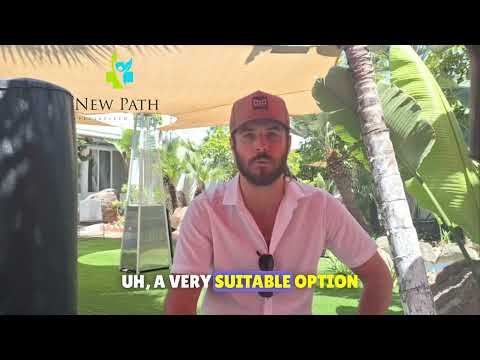
It is completely normal to feel anxious about traveling for rehab when you have not seen the facility in person. Watching video tours and patient testimonials can help bridge that gap and ease your mind. Videos give you an unfiltered look at the living conditions, therapy rooms, dining areas, and the overall atmosphere of the center. Listening to former patients share their recovery stories can also provide genuine insight into the staff's empathy and the program's daily routine. Take a few moments to watch and compare the videos below to get a better feel for the healing environment.
Nothing speaks louder about a rehab facility than the honest experiences of people who have walked through its doors. Reading patient reviews is an essential step in choosing the right recovery center in Tijuana. Look beyond the simple star ratings; pay close attention to how former patients describe the detox process, the attentiveness of the medical staff, and the quality of the therapy sessions. Consistent feedback about a clean environment, respectful counselors, and strong aftercare support is a very positive indicator of a reliable clinic. Review the patient experiences detailed below to help guide your final decision.

When considering traveling to another country for addiction recovery, it is entirely natural to have a lot of questions regarding safety, treatment protocols, and logistics. Below, we have answered some of the most common questions patients ask about undergoing cocaine addiction treatment in Tijuana.
Is it safe to travel to Tijuana for addiction treatment?
Yes, medical tourism in Tijuana is highly regulated and catered toward international patients. Reputable rehab centers provide secure, private transportation directly from the San Diego airport to their gated facilities, minimizing any safety concerns.
How does a medical detox for cocaine work in Mexico?
Medical detox in Tijuana follows internationally recognized protocols. Patients are monitored 24/7 by medical professionals who manage withdrawal symptoms using supportive care, ensuring the patient is physically stable before beginning intensive therapy.
What kind of therapies are used in Tijuana rehab centers?
Facilities typically utilize evidence-based approaches like Cognitive Behavioral Therapy (CBT), Dialectical Behavior Therapy (DBT), trauma-informed care, and 12-step or non-12-step support groups. Many also offer holistic options like art therapy and mindfulness.
Are the doctors and therapists in Tijuana certified?
Yes, legitimate rehab centers employ licensed psychiatrists, psychologists, and medical doctors registered with Mexican medical boards. Many have also trained internationally and hold cross-border credentials.
Do I need a passport to enter Mexico for rehab?
Yes, a valid passport is required for US and Canadian citizens to cross the border into Mexico and to return home after treatment.
Can my family visit me during treatment in Tijuana?
Most rehab centers have specific family visitation policies. Early in the program, contact may be limited to allow you to focus on detox, but family therapy and weekend visits are often encouraged later in the recovery process.
Do rehab centers in Tijuana speak English?
The facilities that cater to medical tourists from the US and Canada employ bilingual doctors, nurses, and therapists to ensure clear communication and effective psychological care.
How long does a typical inpatient cocaine program last?
While shorter detox programs exist, a standard comprehensive inpatient program lasts between 28 and 30 days. Some patients opt for 60- or 90-day stays depending on the severity of their addiction.
What happens after I finish the program?
Quality centers in Tijuana provide robust aftercare planning. This may include scheduling virtual therapy sessions, recommending local support groups back home, or helping you transition into a sober living environment.
Are the rehab facilities private and confidential?
Yes, established recovery centers operate with strict patient confidentiality protocols. The facilities themselves are often secluded, gated, and specifically designed to protect the privacy of those undergoing treatment.
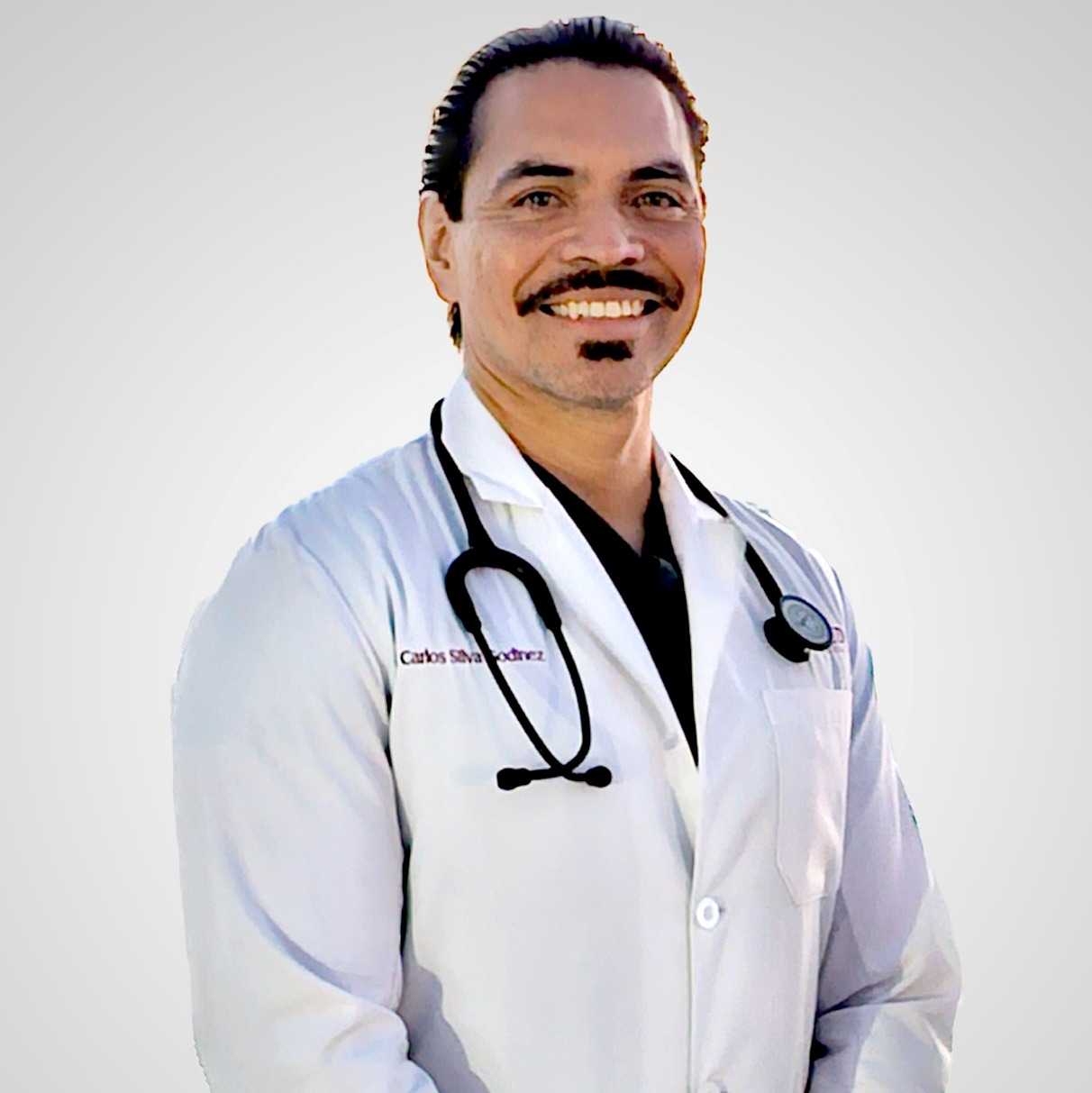
Beating addiction requires a dedicated team of compassionate and highly qualified medical professionals. In Tijuana, your treatment team will typically include licensed psychiatrists, addiction medicine physicians, and experienced clinical psychologists. When evaluating specialists, look for professionals who have specific experience in stimulant use disorders and dual diagnosis, as underlying mental health issues often accompany addiction. Many top doctors in this region have trained internationally and hold cross-border certifications, ensuring they follow modern, evidence-based practices. Please browse the specialist profiles below to learn more about the experts who will guide your recovery journey.
Tijuana has become a major hub for medical tourism, offering a practical and accessible destination for North Americans seeking addiction recovery. Located just minutes across the US-Mexico border from San Diego, California, it completely removes the stress of complicated international travel. Most patients fly into the San Diego International Airport, where reputable rehab centers arrange private, secure shuttle services directly to their facilities. This seamless transition is a huge relief for patients and their families during a stressful time.
| Primary Airport | San Diego International Airport (SAN) |
| Border Crossing | San Ysidro Port of Entry |
| Primary Languages | Spanish, English (in medical facilities) |
| Travel Requirement | Valid Passport |
| Flight Time (Avg US) | 3 to 5 hours to San Diego |
Beyond accessibility, Tijuana offers modern medical infrastructure within its private healthcare sector. While the city itself is a bustling urban center, the recovery centers are intentionally tucked away in quiet, secure residential areas. These facilities are designed for maximum privacy, often featuring ocean views, peaceful gardens, and comprehensive security to ensure you have a tranquil environment focused solely on your healing and rehabilitation.
Taking the first step toward sobriety is monumental, and you do not have to figure out the logistics alone. Navigating international healthcare options can feel overwhelming, but gathering the right information makes the process straightforward and manageable. Whether you need help comparing clinic credentials, understanding package details, or arranging travel logistics, professional guidance is available to ensure a safe transition into care. Take your time to review the options, and when you are ready to explore the next steps for cocaine addiction treatment in Tijuana, we are here to provide clear, unbiased information.
References
- Effective Treatments for Cocaine Abuse – National Institute on Drug Abuse (NIDA)
- Treatment and Recovery Standards – Substance Abuse and Mental Health Services Administration (SAMHSA)
- Traveler's Health: Mexico – Centers for Disease Control and Prevention (CDC)
- Clinical Guidelines for Addiction Medicine – American Society of Addiction Medicine (ASAM)
- Mexico International Travel Information – U.S. Department of State
- Cross-Border Healthcare and Medical Tourism Dynamics – National Institutes of Health (NIH)





















Share this listing