
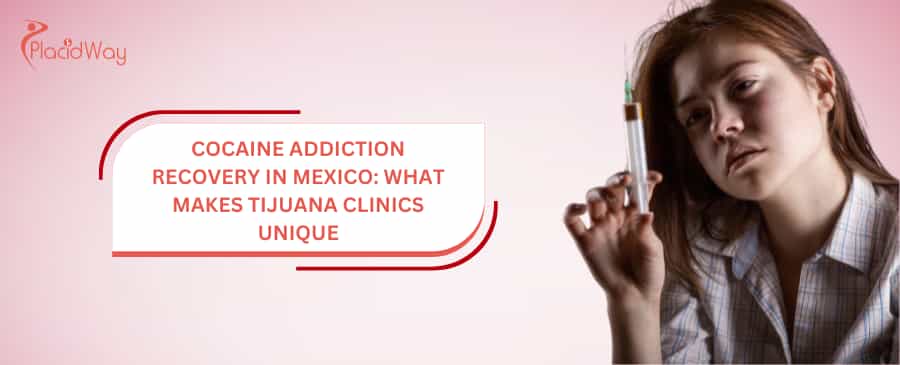
The global landscape of healthcare is shifting, and seeking cocaine addiction recovery in Mexico has become an increasingly viable option for international patients. Many individuals facing substance use disorders look beyond their home borders to find discrete, high-quality care that aligns with their financial and clinical needs. This geographic shift highlights a growing recognition of international medical standards and the specialized therapies available abroad.
Facilities catering to international patients typically emphasize a balanced environment that promotes physical healing and psychological wellness. By integrating culturally compassionate care with evidence-based medicine, these centers offer a unique restorative experience. Patients generally find that stepping away from their usual environment minimizes daily triggers, allowing for a deeper focus on comprehensive rehabilitation.
- Privacy and Confidentiality: Seeking care internationally naturally limits exposure to personal and professional circles during the vulnerable initial stages of recovery.
- Culturally Competent Care: Treatment centers often employ bilingual staff trained to understand the diverse backgrounds of global patients.
- Integrated Methodologies: Programs frequently combine standard psychiatric care with complementary therapies that might be less accessible in traditional domestic facilities.
- Immediate Availability: Medical tourism often allows patients to bypass lengthy waitlists commonly experienced in national healthcare systems.
According to recent medical travel insights, North Americans account for a substantial percentage of international patients seeking specialized behavioral health and substance abuse therapies abroad each year.
Why Medical Tourists Choose Addiction Treatment in Tijuana
The decision to pursue addiction treatment in Tijuana is often driven by a combination of geographical convenience and access to specialized therapeutic protocols. Situated just across the border from San Diego, California, this region has developed a robust infrastructure specifically designed for international healthcare seekers. Patients benefit from proximity to major international airports while transitioning into a therapeutic environment removed from their everyday stressors.
Centers in this region are recognized for offering highly individualized treatment plans rather than a one-size-fits-all approach. Medical professionals here generally prioritize a low patient-to-staff ratio, which facilitates personalized attention during critical phases of recovery. This high level of dedicated care supports the intricate process of behavioral change required for long-term sobriety.
- Geographic Proximity: Easily accessible via short flights or ground transport from major North American cities.
- Favorable Climate: The mild, coastal weather provides an encouraging atmosphere for outdoor therapeutic activities.
- Focus on Individualized Care: Treatment protocols are typically tailored to the patient’s specific medical history and psychological profile.
- Family Involvement: The location allows for structured family therapy sessions, making it feasible for loved ones to visit during appropriate phases of treatment.
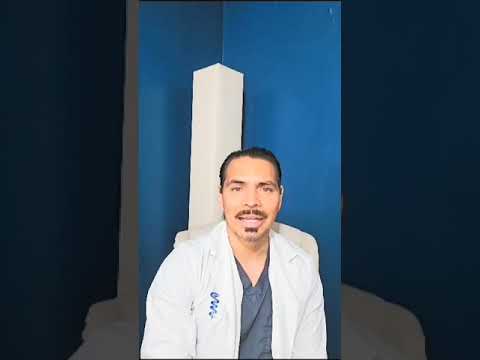
Many therapeutic centers in border regions employ medical directors and psychiatrists who have been trained or credentialed in both their home country and the United States.
Comprehensive Approaches to Substance Abuse Recovery
Addressing a complex condition requires a multifaceted strategy, and substance abuse recovery programs abroad are designed to treat the whole person, not just the addiction. These programs typically integrate biological, psychological, and social interventions to support the patient through all stages of healing. By recognizing that addiction alters brain chemistry and behavioral patterns, medical teams create structured routines to establish healthier habits.
A comprehensive strategy generally begins with a thorough medical and psychological evaluation upon arrival. This assessment guides the creation of a daily schedule that balances intensive therapy with necessary periods of rest and reflection. Most patients experience a blend of traditional counseling, nutritional rehabilitation, and skill-building workshops tailored to foster long-term resilience.
| Treatment Component | Primary Objective | Typical Frequency |
|---|---|---|
| Cognitive Behavioral Therapy (CBT) | Identify and alter negative thought patterns | 3-5 times per week |
| Group Counseling | Build peer support and share coping strategies | Daily |
| Nutritional Rehabilitation | Restore physical health and manage cravings | Ongoing daily diet |
| Psychoeducation | Understand the neuroscience of addiction | Weekly workshops |
When researching international facilities, always request a sample daily schedule to ensure the program provides a healthy balance of structured therapy and personal reflection time.
Cocaine Addiction Rehab Cost in Mexico Compared to the US
Financial considerations are frequently a primary factor when exploring international healthcare, and the cocaine addiction rehab cost in Mexico is notably competitive. High overhead costs, administrative fees, and expensive domestic pharmaceutical prices in the United States often put comprehensive residential treatment out of reach for many uninsured or underinsured patients. In contrast, international destinations leverage lower operational costs to provide equivalent, or sometimes more extensive, care at a fraction of the price.
While the exact pricing will vary based on the duration of stay and the specific amenities provided, the financial savings do not generally indicate a compromise in medical quality. Patients typically find that their financial resources stretch further, allowing for extended stays that are crucial for deep-rooted recovery. Below is a realistic market range comparison for various phases of treatment.
| Procedure / Treatment Phase | Average Cost in Mexico (USD) | Cost Comparison in the US (USD) |
|---|---|---|
| Medical Detoxification (7-10 Days) | $1,500 - $3,000 | $5,000 - $10,000 |
| Standard 30-Day Residential Rehab | $4,000 - $8,000 | $15,000 - $35,000 |
| Luxury 30-Day Executive Rehab | $8,000 - $15,000 | $40,000 - $80,000 |
| Intensive Outpatient Program (Monthly) | $1,000 - $2,500 | $3,000 - $10,000 |
By engaging in medical tourism, patients can typically save between 50% and 70% on residential addiction treatment programs compared to domestic private-pay alternatives.
Holistic and Medical Therapies for Cocaine Dependence
Addressing chemical dependency requires more than just stopping the substance use; it requires rewiring the brain’s reward pathways. Holistic addiction treatment approaches have gained significant traction because they view the patient as an interconnected system of mind, body, and spirit. These programs seamlessly blend modern psychiatric methodologies with traditional wellness practices to support comprehensive healing.
International facilities excel in providing a wide array of alternative therapies alongside conventional medicine. These modalities aim to reduce stress, improve emotional regulation, and provide healthy avenues for dopamine release, which is heavily depleted in individuals recovering from stimulant use. Most patients experience a profound benefit from participating in activities that promote physical wellness and emotional stability.
- Mindfulness and Meditation: Techniques designed to help patients manage anxiety and observe cravings without acting upon them.
- Art and Music Therapy: Non-verbal outlets for processing trauma and expressing complex emotions during the recovery process.
- Equine-Assisted Therapy: Interacting with horses to build trust, empathy, and improve interpersonal communication skills.
- Yoga and Somatic Experiencing: Physical practices that help release stored physical tension and reconnect patients with their bodily sensations safely.
Cocaine acts primarily by preventing the reabsorption of dopamine in the brain. Holistic therapies like rigorous exercise and meditation naturally support the gradual restoration of these vital neurotransmitter levels.
The Importance of Medical Detoxification in Tijuana
The journey to sobriety must begin with clearing the substance from the body, a process that can be physically and emotionally taxing. Medical detoxification is the critical first step in addiction recovery, establishing a safe foundation for subsequent psychological therapies. Attempting to cease heavy stimulant use abruptly without medical supervision can lead to severe psychological withdrawal symptoms, including profound depression and intense cravings.
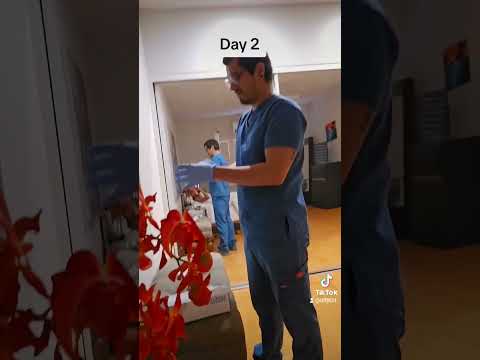
In specialized therapeutic environments, clinical staff closely monitor vital signs and manage patient comfort around the clock. Physicians may utilize targeted medications to alleviate acute distress and ensure the patient remains hydrated and nourished. This supervised environment typically requires an initial focus on physical stabilization before intensive psychological work can effectively begin.
- 24/7 Monitoring: Continuous observation by nursing staff to quickly address any medical complications that arise during withdrawal.
- Symptom Management: Utilization of non-addictive medications to ease sleep disturbances, agitation, and depressive episodes.
- Nutritional Intravenous Support: Replenishing essential vitamins and minerals that have been severely depleted by prolonged substance use.
- Psychiatric First Aid: Immediate therapeutic interventions to manage the intense emotional volatility common in early abstinence.
Detoxification from heavy stimulant use can induce severe psychiatric symptoms, including paranoia and suicidal ideation. It is strictly advised never to attempt detox without licensed medical supervision.
Safety and International Healthcare Standards in Mexico
For individuals considering international care, the safety and quality of medical facilities are paramount concerns. Reputable facilities participating in medical tourism in Mexico adhere to rigorous healthcare standards that parallel those found in the United States and Canada. Many of these centers voluntarily undergo independent audits to maintain their standing within the global healthcare community.
Patients are strongly encouraged to research accreditations and verifiable credentials before selecting a destination. Clinical excellence is generally ensured by employing board-certified medical directors, licensed psychologists, and registered nursing staff. A commitment to patient safety encompasses not only clinical protocols but also secure, monitored physical environments for vulnerable individuals in recovery.
- International Certifications: Look for facilities accredited by recognized global health organizations or local governmental health ministries.
- Experienced Multidisciplinary Teams: Care is provided by fully licensed professionals trained specifically in addiction medicine and behavioral health.
- Secure Environments: Campuses are typically gated and monitored to ensure the physical safety and strict privacy of all residents.
- Evidence-Based Protocols: Adherence to internationally recognized clinical guidelines for the treatment of substance use disorders.
Mexico remains one of the top destinations globally for medical tourism, hosting over a million international patients annually seeking various specialized healthcare services, including behavioral rehabilitation.
Dual Diagnosis and Mental Health Support in Addiction
Substance use disorders rarely exist in isolation; they are frequently accompanied by underlying mental health conditions. Comprehensive rehabilitation requires an integrated approach that addresses these co-occurring disorders simultaneously, a practice commonly referred to as dual diagnosis treatment. Failing to treat underlying anxiety, depression, or trauma generally results in a higher likelihood of relapse once the patient returns home.
Clinical teams in premier international facilities conduct deep psychiatric evaluations to uncover any hidden behavioral health challenges. Treatment plans are then meticulously crafted to manage psychiatric symptoms alongside addiction therapies. This simultaneous approach supports a more resilient recovery, as patients learn to manage their mental health without resorting to self-medication.
- Psychiatric Evaluation: Comprehensive diagnostic assessments upon intake to identify conditions like PTSD, bipolar disorder, or severe anxiety.
- Integrated Medication Management: Careful prescribing and monitoring of psychiatric medications that do not trigger substance dependency.
- Trauma-Informed Care: Therapeutic frameworks designed to address past trauma safely without re-traumatizing the patient.
- Specialized Support Groups: Peer sessions tailored for individuals managing multiple mental health and substance abuse challenges.
Clinical studies suggest that over half of individuals diagnosed with a severe substance use disorder also meet the diagnostic criteria for a co-occurring mental health condition.
The Role of Environment in Successful Cocaine Rehabilitation
The physical and emotional atmosphere in which a patient heals plays a crucial role in the overall success of their rehabilitation journey. A serene, non-judgmental environment minimizes external stressors and allows patients to channel their energy entirely into their recovery. Removing oneself from the specific geographic locations and social circles associated with substance use is a recognized strategy for disrupting the cycle of addiction.
International clinics are often purposefully designed to provide a tranquil oasis, integrating nature and peaceful architecture into the recovery experience. Facilities commonly feature landscaped gardens, meditation spaces, and comfortable, home-like accommodations. Most patients experience a significant reduction in anxiety when placed in an environment that actively promotes relaxation and introspection.
- Removal of Environmental Triggers: Distance from familiar stressors and enablers aids in early abstinence.
- Restorative Architecture: Facilities designed with natural light, open spaces, and comforting aesthetics to promote psychological well-being.
- Community Atmosphere: Fostering a supportive, family-like dynamic among peers and clinical staff.
- Connection to Nature: Access to outdoor spaces supports holistic healing modalities and physical exercise.
When preparing for residential recovery, embrace the disconnect from technology. Many facilities limit smartphone and internet access to help patients remain fully present in their therapeutic journey.
Aftercare and Relapse Prevention Strategies for International Patients
Completing a residential program is a monumental achievement, but the transition back to daily life presents new challenges. Robust aftercare and relapse prevention strategies are essential components of a successful long-term recovery plan. International facilities recognize that patients will be returning to their home countries and therefore design highly specific transition plans to bridge this gap.
Effective aftercare typically involves establishing a solid local support network before the patient even leaves the international facility. Clinical teams often coordinate with domestic therapists, set up telehealth follow-ups, and outline clear protocols for managing future cravings. Recovery timelines vary significantly, making continuous outpatient engagement vital for maintaining the coping mechanisms developed abroad.
- Telehealth Counseling: Continued virtual sessions with the primary therapist from the international facility to ensure continuity of care.
- Local Support Network Integration: Assistance in locating domestic support groups (such as NA or SMART Recovery) in the patient's hometown.
- Personalized Relapse Prevention Plans: Written strategies identifying specific triggers and the actionable steps required to mitigate them.
- Alumni Programs: Access to virtual networks of former patients for ongoing peer encouragement and accountability.
Research consistently shows that patients who actively participate in structured aftercare programs for at least one year post-rehab have significantly higher long-term sobriety retention rates.
Preparing for Your Medical Travel for Addiction Treatment
Logistical preparation is key to ensuring a smooth and stress-free entry into an international rehabilitation program. Organizing travel for medical purposes requires careful coordination of documentation, transportation, and medical records. Dedicated international patient coordinators are typically assigned to help patients and their families navigate these essential administrative steps.
Gathering comprehensive medical histories and coordinating with primary care physicians ensures that the receiving facility is fully prepared for the patient's arrival. Clear communication regarding travel itineraries, dietary restrictions, and current medications helps the clinical team tailor the intake process. Taking these proactive steps generally alleviates anxiety and allows the patient to focus solely on their healing upon arrival.
- Documentation Readiness: Ensure passports are valid for at least six months and gather all relevant personal identification.
- Medical Record Transfer: Provide the international clinic with recent physical exams, psychiatric evaluations, and a list of current prescriptions.
- Packing Appropriately: Follow the facility’s specific packing guidelines, focusing on comfortable clothing and leaving valuables or prohibited items at home.
- Financial Arrangements: Confirm payment schedules, international transfer limits, and any necessary travel insurance coverage prior to departure.
Patient Experiences with Cocaine Rehab in Mexico
Hearing from individuals who have successfully navigated international rehabilitation can provide invaluable encouragement for those considering the journey. Patient experiences frequently highlight the compassionate care, deep structural healing, and profound personal transformations achieved during their stay. These narratives offer a glimpse into the day-to-day realities of holistic healing in a supportive environment.
While every individual's journey is deeply personal and results may vary, common themes of restored dignity and renewed hope emerge from these accounts. Reading about the challenges and triumphs of others often helps demystify the process of seeking care abroad. Below are brief summaries reflecting the experiences of international patients.
A Journey to Clarity
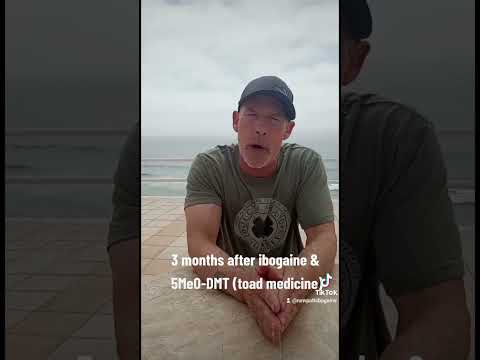
After struggling with stimulant use for over five years, one patient from Canada found the comprehensive medical detox abroad to be a lifesaver. The continuous medical supervision eased their intense withdrawal anxiety, allowing them to transition smoothly into the behavioral therapy phase of the program.
Finding Balance Through Holistic Care
An executive from the US noted that the integration of mindfulness and somatic therapy provided tools they had never encountered in domestic outpatient programs. The peaceful environment away from corporate pressures was cited as critical to their emotional regulation and ongoing recovery.
Overcoming Co-occurring Disorders
A patient dealing with both severe anxiety and chemical dependency shared how the dual-diagnosis approach completely changed their perspective. By finally receiving appropriate psychiatric care alongside addiction counseling, they were able to understand and manage their triggers effectively.
Support Beyond Borders
Transitioning back home was a major fear for a young adult patient. However, they reported that the robust telehealth aftercare program kept them deeply connected to their primary counselor, providing crucial stability during their first few months of independent sobriety.
How PlacidWay Assists Your Cocaine Rehab Medical Tourism Journey in Mexico
Navigating the global healthcare landscape can be complex, especially when dealing with behavioral health needs. Engaging with a trusted medical tourism facilitator streamlines the process of finding appropriate, accredited care tailored to your specific clinical requirements. Expert guidance supports patients and families in making informed, confident healthcare decisions.
PlacidWay serves as a crucial bridge between international patients and premier healthcare providers. By focusing on transparency, clinical excellence, and patient-centered service, the platform ensures that your journey toward wellness is organized and supported from the initial inquiry.
- Providing access to a rigorously vetted network of internationally accredited medical centers and behavioral health facilities.
- Facilitating direct communication and initial virtual consultations between patients and specialized clinical teams.
- Offering comprehensive information regarding procedure details, treatment methodologies, and realistic medical timelines.
- Assisting patients in comparing detailed cost estimates and treatment plans to align with personal financial and healthcare goals.
- Delivering educational resources and dedicated support to empower patients in making secure, informed medical tourism choices.
Frequently Asked Questions About Cocaine Addiction Recovery in Mexico
When considering international medical travel for substance abuse recovery, prospective patients naturally have numerous questions regarding safety, logistics, and clinical protocols. Clear, transparent answers are essential for building trust and ensuring that individuals feel secure in their healthcare decisions. Understanding the specifics of cross-border care helps set realistic expectations for the therapeutic journey.
Below are some of the most common inquiries related to seeking recovery services abroad. These answers provide foundational knowledge, though patients are always encouraged to discuss their unique circumstances directly with clinical coordinators during the intake process.
Is it safe to travel to Mexico for addiction treatment?
Medical tourism in Mexico is generally safe when patients coordinate with accredited and internationally recognized healthcare facilities. Facilities in Tijuana often provide secure transportation directly from the airport to ensure patient safety and privacy.
How much does cocaine addiction rehab cost in Mexico?
The cocaine addiction rehab cost in Mexico typically ranges from $4,000 to $12,000 per month, depending on the level of care and included therapies. This generally represents a savings of 50% to 70% compared to equivalent treatment centers in the United States.
How long is a standard cocaine rehabilitation program?
Most international patients enroll in comprehensive programs lasting between 30 to 90 days. Recovery timelines vary significantly, but extended stays are generally recommended to ensure adequate time for medical detox and behavioral therapy.
Will I experience a language barrier during my recovery in Tijuana?
Accredited addiction treatment centers in Tijuana catering to international patients typically employ fully bilingual medical staff and therapists. This ensures that English-speaking patients can comfortably participate in individual and group counseling without communication issues.
What type of therapies are included in a holistic addiction treatment?
Holistic addiction treatment generally includes a combination of evidence-based psychological counseling and complementary therapies. Patients typically participate in cognitive behavioral therapy alongside yoga, art therapy, mindfulness meditation, and nutritional counseling.
Do Mexican rehab facilities offer medical detoxification?
Yes, reputable centers provide medically supervised detoxification to manage withdrawal symptoms safely. This initial phase is crucial and is monitored around the clock by licensed physicians and specialized nursing staff.
Can I use my health insurance for rehab in Mexico?
While traditional domestic insurance policies may not cover international treatment, some private global health insurance plans offer partial reimbursement for out-of-network overseas care. Patients are advised to consult directly with their insurance providers regarding international medical tourism benefits.
How do Tijuana clinics handle dual diagnosis?
Facilities treating international patients usually employ multidisciplinary teams consisting of psychiatrists and addiction counselors. They typically treat co-occurring disorders, such as anxiety or depression, simultaneously with substance abuse to support long-term recovery.
What kind of aftercare is provided for international patients?
Aftercare programs for international patients commonly utilize telehealth platforms for continued counseling and check-ins once the patient returns home. These strategies are vital for preventing relapse and maintaining the coping mechanisms developed during residential treatment.
Do I need a special visa for medical treatment in Mexico?
Citizens of the United States, Canada, and the UK generally do not need a special visa for stays under 180 days; a valid passport is typically sufficient. However, medical tourists should always verify current immigration requirements before planning their journey.
Ready to take the first step toward lasting recovery? Let PlacidWay guide you to accredited, compassionate care.
Medical Disclaimer: This article is for informational purposes only and is not medical advice. Always consult a qualified healthcare provider before any medical decisions. Results may vary. Read Full Disclaimer here.
References
- National Institute on Drug Abuse (NIDA). Cocaine DrugFacts. https://nida.nih.gov/publications/drugfacts/cocaine
- National Center for Biotechnology Information (NCBI). Medical Tourism: A Review of the Literature. https://www.ncbi.nlm.nih.gov/pmc/articles/PMC6215167/
- World Health Organization (WHO). Management of Substance Abuse. https://www.who.int/docs/default-source/substance-use/who-psa-93-10.pdf
- Wikipedia. Addiction Psychiatry. https://en.wikipedia.org/wiki/Addiction_psychiatry






.png)
.png)
.png)
.png)

.jpg)
.jpg)
.jpg)
.jpg)








Share this listing