
Contents
For individuals struggling with opioid addiction, PTSD, or severe depression, traditional rehab methods sometimes fall short. Mexico has emerged as the global center for Ibogaine therapy—a psychoactive substance derived from the Tabernanthe iboga shrub found in West Africa. Unlike in the United States where it remains a Schedule I substance, Ibogaine is unregulated in Mexico, allowing specialized clinics to offer this therapy legally within a medically supervised environment.
Ibogaine is renowned for its unique ability to "interrupt" addiction. Patients often report a complete cessation of withdrawal symptoms and a significant reduction in cravings within hours of administration. This "hard reset" of the brain's neurochemistry provides a critical window of opportunity for long-term psychological healing. However, it is a powerful treatment that affects the heart, making rigorous medical supervision non-negotiable.
Top-tier centers in locations like Rosarito, Tijuana, and Cancun combine hospital-grade safety protocols (including continuous cardiac monitoring) with holistic therapies like psychotherapy and yoga. This dual approach addresses both the physical dependency and the underlying emotional trauma.
Choosing Mexico for Ibogaine treatment offers a legal, safe, and compassionate pathway to reclaiming your life from the grip of addiction.
Did You Know?
Ibogaine works on a mechanism different from standard maintenance drugs like methadone or suboxone. It is believed to reset the brain's dopamine reward pathways to a pre-addicted state while simultaneously facilitating a dream-like state that allows patients to process past trauma without emotional pain. This is often referred to as "ten years of therapy in one night."
Key Insights at a Glance
Ibogaine is legal to possess and administer in Mexico, allowing for open, regulated medical practice.
Known for eliminating up to 90% of acute withdrawal symptoms from opioids, stimulants, and alcohol.
Reputable clinics employ ACLS-certified doctors and nurses to monitor cardiac activity 24/7 during treatment.
Treatment is often paired with psychotherapy, nutritional support, and coaching to ensure lasting results.
Unlike 90-day rehabs, Ibogaine treatment programs typically last between 7 to 10 days.
Highly effective for PTSD and dual-diagnosis patients by addressing the root psychological causes of addiction.
A Serendipitous Discovery
The anti-addictive properties of Ibogaine were discovered accidentally in 1962 by Howard Lotsof. A heroin addict at the time, Lotsof took Ibogaine for its psychedelic effects and was astonished to find that when the trip ended 30 hours later, he had no withdrawal symptoms and no desire to use heroin. He spent the rest of his life advocating for its medical use.
Finding a reputable clinic is the most critical step in this journey. We have curated a list of medically focused centers that offer comprehensive all-inclusive packages. These typically include airport transfers (often from San Diego for Baja clinics), private accommodation in a retreat-style setting, pre-treatment medical screening (EKG/blood work), the Ibogaine flood dose, booster doses if needed, and post-treatment integration coaching.
Note: Legitimate packages ALWAYS include a pre-treatment EKG to rule out heart conditions like Long QT syndrome.

Price starting from $11,500
Ibogaine Treatment for Addiction Mexico by Dr. David Dardashti in Playa Del Carmen
Ibogaine by David Dardashti
- Addiction Treatment
Cancun,Playa Del Carmen, Mexico

Price starting from $9,800
Heroin Addiction Treatment Package in Cancun, Mexico by Ibogaine Cancun
Ibogaine Cancun
- Addiction Treatment
Cancun, Mexico
Ibogaine treatment is an investment in safety and professional care. While prices vary, a standard 7-day medically supervised program typically costs between $5,000 and $9,000 USD. Luxury facilities offering extensive aftercare and holistic amenities may range from $10,000 to $15,000. Beware of "cheap" providers; proper medical staffing and emergency equipment are costly but essential for your safety.
Tip: The cost usually reflects the level of medical staffing (MDs vs. technicians) and the ratio of staff to patients.
Addiction Treatment Centers Cost Comparison in Mexico
| Provider | Procedure | Price |
|---|---|---|
| Ibogaine Cancun | Heroin Addiction Treatment, Addiction Treatment | $9800 |
| Ibogaine by David Dardashti | Addiction Treatment, Addiction Treatment | $11500 |
We feature only clinics that adhere to strict safety protocols, often established by the Global Ibogaine Therapy Alliance. These centers are located primarily in Baja California (Rosarito, Ensenada, Tijuana) and the Riviera Maya (Cancun, Tulum). They are equipped with emergency medical equipment, have doctors on-site during treatment, and offer comfortable, private environments conducive to healing.
Safety First: Ensure the clinic has a direct transfer protocol to a nearby hospital in case of emergency.

Ibogaine by David Dardashti
Cancun,Playa Del Carmen, Mexico
Casa Santa Isabel
Tijuana, Mexico
Ibogaine Cancun
Cancun, Mexico

New Path Ibogaine in Tijuana Mexico
Tijuana,Rosarito Beach, Mexico
The transformation stories from Ibogaine treatment are often profound. In this section, watch testimonials from individuals who have successfully interrupted years of addiction to heroin, fentanyl, and alcohol. They describe the experience of the "flood dose," the lack of withdrawal pain, and the renewed sense of purpose they found after treatment. These stories offer a glimpse into the potential for radical change.
Insight: Listen for patients describing the "integration" phase, which is key to maintaining sobriety.

Read verified reviews from patients and families who have experienced Ibogaine therapy in Mexico. This section highlights feedback on the staff's compassion, the comfort of the facilities, and the feeling of safety provided during the vulnerable treatment state. Positive reviews often emphasize the life-saving nature of the treatment when traditional rehabs have failed.
Review Tip: Look for reviews that mention the clinic's follow-up support or coaching programs.

Ibogaine Treatment in Cancun: Top Clinics & What to Expect
Ibogaine treatment in Cancun involves using a plant-based psychoactive alkaloid to help manage substance withdrawal and cravings. Treatment typically requires a 7 to 10-day stay and strict cardiac screening, with costs averaging $5,000 to $10,000. Navigating the complex landscape of alternative therapies for substance use can be overwhelming. In recent years, an increasing number of individuals have looked outside their home countries for options that are heavily restricted or unavailable domestically. A prominent destination for this specific care is the Yucatan Peninsula, where medical facilities offer specialized protocols for addiction management. Key Takeaways Medical screening is mandatory: Extensive cardiac (EKG) and blood testing must be completed prior to treatment due to significant heart risks. Not a magic cure: The therapy may pause acute withdrawal symptoms, but long-term success relies on dedicated aftercare and psychotherapy. Safety varies by facility: Treatment should only occur in clinical settings with ACLS-certified doctors and continuous heart monitoring. Preparation is critical: Patients must often safely detox from certain substances or taper off specific medications weeks before administration. Cost expectations: Comprehensive medical packages usually include accommodation, nursing, and therapy, operating as self-pay services. What is ibogaine and how is it used for substance use disorders? Ibogaine is a naturally occurring psychoactive alkaloid derived from the root bark of the African Tabernanthe iboga shrub, utilized in some regions to help interrupt chemical dependence and manage withdrawal symptoms. In medical contexts outside the United States, this substance is primarily researched and utilized for its potential to alter the brain's neurochemistry in relation to addiction. It is most commonly sought by individuals struggling with opioid use disorders, though some facilities also offer protocols for alcohol, stimulants, or severe depression. The therapy is thought to work by binding to multiple receptor sites in the brain, including those involved in the reward pathway. Many patients report that a carefully administered dose significantly reduces or temporarily eliminates the intense physical withdrawal symptoms associated with opioids. Additionally, the visionary state induced by the substance often prompts deep psychological introspection, which some find helpful in processing underlying trauma. Important Consideration: Medical professionals strictly warn that this treatment is an "interrupter," not a cure. Without comprehensive behavioral therapy and lifestyle changes following the procedure, the risk of relapse remains high. Why do patients travel for ibogaine therapy? Due to its classification as a Schedule I substance in the United States, patients travel abroad to access this treatment in regions where it is not legally prohibited. The legal status of the substance creates a strong driver for medical tourism in Cancun. In Mexico, the alkaloid is currently unregulated, meaning it is not explicitly illegal, which allows dedicated facilities to operate openly. The coastal city has developed a concentration of these specialized wellness centers due to its international airport, established hospitality infrastructure, and proximity to North America. Traveling for this care allows individuals to step away from their daily triggers and stressful environments. However, because the industry lacks strict government oversight in Mexico, the burden falls entirely on the patient to verify the safety protocols, medical credentials, and emergency preparedness of their chosen facility. What should I look for in an ibogaine treatment clinic in Cancun? A reputable facility must prioritize patient safety by maintaining a fully staffed medical team, continuous cardiac monitoring, and clear emergency transfer protocols. When researching an ibogaine treatment clinic in Cancun, aesthetic appeal and luxury accommodations should always take a back seat to clinical safety. The physical toll of the treatment requires an environment that functions like a medical ward during the acute phase. Essential factors to verify before booking include: On-site Physicians: Doctors should be present 24/7 during the administration and acute recovery phases. ACLS Certification: The medical staff must hold current Advanced Cardiovascular Life Support certifications. Emergency Equipment: The clinic must have a fully stocked crash cart, automated external defibrillator (AED), and supplemental oxygen. Pre-treatment Screening: A responsible clinic will demand comprehensive blood panels, liver function tests, and an EKG well before arrival. Hospital Proximity: The center should be located within a short, manageable distance from a major hospital, with an established emergency transport plan in place. How much does ibogaine treatment cost in Cancun? The ibogaine treatment cost in Cancun generally ranges from $5,000 to $10,000, varying based on the length of the program, medical staff-to-patient ratio, and included therapies. Because this therapy is not approved by the FDA or recognized by major health insurance companies, patients must pay out-of-pocket. The pricing reflects the intensive nature of the care, which requires round-the-clock medical supervision, specialized sourcing of the alkaloid, and extended inpatient stays. Cost Component Typical Inclusions Medical & Nursing Care 24/7 doctor availability, EKG monitoring, IV fluids, and medication management. The Medicine Sourcing and dosing of purified ibogaine hydrochloride or total alkaloid extract. Accommodation Private rooms, meals customized to recovery needs, and facility amenities for 7-14 days. Psychological Support Pre-treatment counseling, integration therapy, and sometimes holistic therapies (e.g., massage). *Note: Costs are estimates and can fluctuate. Extremely low-priced options may compromise on life-saving medical staffing and should be approached with high caution. Am I a candidate for ibogaine therapy? Suitable candidates are typically stable adults seeking help for substance dependence who can pass stringent cardiovascular and psychological health evaluations. This therapy is not appropriate for everyone. Due to the intense physical strain it places on the body, rigorous medical vetting is required. An individualized assessment by a qualified healthcare professional is necessary to determine if the potential benefits outweigh the serious risks. Certain conditions act as strict contraindications. Patients are usually disqualified if they have a history of heart disease, irregular heartbeats, impaired liver or kidney function, or severe psychiatric conditions such as schizophrenia or bipolar disorder. Furthermore, individuals taking specific medications—including psychiatric drugs, methadone, or Suboxone—often require supervised, lengthy tapering protocols before they can safely undergo the procedure. What are the cardiovascular risks and safety concerns? The most severe risk associated with this treatment is cardiotoxicity, specifically the prolongation of the QT interval, which can lead to fatal cardiac arrhythmias. Safety cannot be overstated when discussing this psychoactive substance. The alkaloid is known to affect the electrical channels in the heart. Prolongation of the QT interval means the heart muscle takes longer than normal to recharge between beats. If left unmonitored or if administered to someone with an underlying heart defect, this can trigger a dangerous arrhythmia called Torsades de Pointes, which can be fatal. Other physical risks include extreme bradycardia (dangerously slow heart rate), severe ataxia (inability to coordinate voluntary muscle movements), and respiratory issues. This is precisely why treatment must never be attempted in a non-clinical setting, and why continuous electrocardiogram (EKG) monitoring and the presence of emergency-trained medical staff are non-negotiable requirements. What happens during the actual ibogaine experience? The procedure involves an acute, dream-like visionary phase lasting roughly 8 to 12 hours, followed by a prolonged period of deep psychological reflection and physical recovery. Administration usually takes place in a quiet, darkened room while the patient is connected to a heart monitor. An IV line is often placed for hydration. After ingesting the dose, the onset of effects typically begins within 45 minutes to two hours. The experience is broadly divided into two main phases: The Visionary Phase: Patients often experience a waking dream state where they may view past memories, traumas, or symbolic visions. This phase can be highly emotional and is often accompanied by intense physical side effects like nausea, vomiting, a loud buzzing sound in the ears, and sensitivity to light. The Processing Phase: As the intense visions subside, the patient enters a cognitive, reflective state. During this time, they often process the meaning of the visions they experienced. The body remains physically exhausted, and patients may have difficulty moving or sleeping for up to 24 hours. How long is the recovery process after taking ibogaine? Initial physical recovery requires several days of rest at the clinic, while the psychological and neurological integration of the experience can take weeks or months. The immediate days following a "flood dose" are focused entirely on physical stabilization. Patients commonly experience a "gray day" immediately after treatment—a day marked by extreme fatigue, sleeplessness, and emotional vulnerability as the brain's neurotransmitters recalibrate. Medical staff will monitor vital signs and slowly reintroduce solid foods. Most clinical protocols require patients to remain on-site for at least 5 to 7 days post-treatment. Attempting to travel or fly too soon can be dangerous due to the residual effects of the medication on the cardiovascular system and the patient's depleted physical state. Once physical strength returns, the focus shifts to mental health integration. Why is aftercare critical following treatment? While the therapy can provide a powerful reset and pause cravings, long-term sobriety is rarely achieved without structured aftercare, local therapy, and major lifestyle adjustments. One of the most dangerous misconceptions about this therapy is that the patient will return home completely "cured" of their substance use disorder. In reality, the procedure only offers a window of opportunity. The physical withdrawal may be managed, and cravings may be temporarily quieted, but the deeply ingrained psychological habits of addiction remain. Patients are strongly encouraged to have a solid aftercare plan established before they even board a plane. This typically includes transitioning into a sober living environment, engaging in regular cognitive behavioral therapy (CBT), joining local support groups, and avoiding social circles associated with prior substance use. If emotional struggles or physical complications arise after returning home, patients should seek immediate support from their local healthcare providers. Why Choose PlacidWay for Medical Tourism in Cancun? Researching international medical treatments can be highly complex. PlacidWay serves as a global medical resource platform designed to help patients navigate their healthcare options abroad. Global Provider Network: PlacidWay connects patients with a wide directory of international healthcare facilities and wellness centers. Information Access: The platform allows users to view facility profiles, read about medical protocols, and check the stated credentials of medical teams. Cost Transparency: Patients can access estimated pricing structures to compare the financial requirements of treatments across different regions. Direct Communication: The service facilitates initial contact between the patient and the international clinic, allowing for direct medical inquiries. Educational Focus: PlacidWay provides comprehensive guides, articles, and resources to help patients make informed choices regarding medical tourism. Frequently Asked Questions Is ibogaine legal in Mexico? Ibogaine is not explicitly scheduled as an illegal substance in Mexico, allowing clinics to operate legally. However, the industry remains largely unregulated, making it essential for patients to heavily research the medical standards of individual facilities. Does ibogaine cure opioid addiction? No, ibogaine is not a cure for addiction. It may temporarily interrupt withdrawal symptoms and reduce cravings, providing a window of opportunity for individuals to engage in long-term psychological therapy and rehabilitation. Can I take ibogaine if I am on antidepressants? Taking ibogaine while on certain antidepressants, particularly SSRIs, can be highly dangerous and may lead to serotonin syndrome or severe cardiac issues. Doctors typically require patients to safely taper off specific medications under supervision long before treatment. What is a "flood dose"? A "flood dose" refers to the primary, high milligram-per-kilogram dose of ibogaine given to induce the deep psychoactive and neurochemical effects intended to interrupt substance dependence. How long does the hallucinogenic effect last? The acute visionary or hallucinogenic phase of a flood dose typically lasts between 8 to 12 hours, followed by a longer processing and reflective phase that can last another 12 to 24 hours. Do I need an EKG before taking ibogaine? Yes, a comprehensive 12-lead EKG is an absolute requirement before treatment to check for QT prolongation or other arrhythmias. Continuous cardiac monitoring during the procedure is also a standard safety protocol. Is ibogaine therapy painful? The experience is not typically described as physically painful, but it can be physically exhausting. Patients often experience severe nausea, ataxia (loss of motor coordination), and intense psychological distress during the active phase. Can I travel home immediately after treatment? It is strongly advised against traveling immediately. Most protocols require patients to rest at the facility for at least 5 to 7 days after the flood dose to ensure medical stability and regain physical strength before flying. Are there age limits for this procedure? While there is no universal legal age limit, reputable clinics generally only treat adults over 18. Older adults (typically over 60) may face stricter cardiovascular screening due to the increased risk of heart complications. What happens if there is a medical emergency during treatment? Reputable clinics have ACLS-certified medical staff on site with emergency equipment (such as crash carts and defibrillators) and established protocols to transport patients to a nearby hospital immediately if life-threatening complications arise. Compare Treatment Options and Gather Information If you are exploring international wellness centers and require detailed information regarding facility protocols and availability, take the next step in your research process. Request Treatment Information References Ibogaine Therapy Research – Multidisciplinary Association for Psychedelic Studies (MAPS) Psychedelic and Dissociative Drugs – National Institute on Drug Abuse (NIDA) Clinical Guidelines for Ibogaine-Assisted Detoxification – National Center for Biotechnology Information (NCBI) Cardiovascular Safety of Ibogaine – PubMed Central Clinical Guidelines for Ibogaine Providers – Global Ibogaine Therapy Alliance (GITA) Ibogaine Treatment Outcomes: A Longitudinal Study – Journal of Psychoactive Drugs Medical Disclaimer: The information provided in this article is for educational and informational purposes only and does not constitute medical advice, diagnosis, or treatment recommendations. Ibogaine is a powerful psychoactive substance with severe, potentially fatal cardiovascular risks. It is not approved by the FDA for any medical use in the United States. Treatment outcomes vary significantly by individual, and success is never guaranteed. Always consult with a licensed, appropriately qualified healthcare provider regarding addiction treatment options, medical suitability, and potential interactions with existing medications or health conditions before considering treatment abroad.
What is Cost of Ibogaine Treatment in Mexico? Pricing, Factors & Best Clinics
Ibogaine treatment in Mexico has become a leading choice for those seeking an alternative and effective approach to overcoming addiction. The cost of ibogaine treatment in Mexico generally ranges between $5,000 and $12,000, making it a significantly more affordable option compared to the U.S., where costs often exceed $15,000-$20,000. Mexico has emerged as a top destination for ibogaine therapy due to its high success rates, lower costs, and relaxed legal environment, allowing for safe and professional addiction treatment. Many clinics in Tijuana, Cancun, Playa del Carmen, and Los Cabos offer medically supervised ibogaine detox programs that focus on long-term recovery. This guide breaks down the cost of ibogaine treatment in Mexico, factors that influence pricing, and the best ibogaine treatment centers to help you make an informed decision. How Much Does Ibogaine Treatment Cost in Mexico? The cost of ibogaine treatment in Mexico varies depending on the clinic, location, level of medical supervision, and additional wellness services. Below is a general breakdown of ibogaine treatment costs: Cost Breakdown of Ibogaine Treatment in Mexico Treatment Type Estimated Cost (USD) Details Standard Ibogaine Detox (5-7 days) $5,000 – $8,000 Includes medical monitoring, accommodation, and ibogaine detox treatment. Luxury Ibogaine Retreat (7+ days) $8,000 – $12,000 Private rooms, holistic therapies, and premium wellness services. Extended Detox & Rehabilitation (10-21 days) $9,000 – $15,000 Comprehensive recovery programs including therapy and mental health support. Mental Health & PTSD Ibogaine Therapy $6,000 – $10,000 Specialized treatment for trauma, anxiety, and depression. Veterans & First Responder Discounts $4,500 – $7,500 Some clinics provide special discounts for military personnel. Factors That Influence the Cost of Ibogaine Treatment in Mexico Several factors determine the price of ibogaine treatment in Mexico: Clinic Location: Cities like Tijuana and Rosarito Beach offer cost-effective options, while Cancun and Playa del Carmen provide more luxury retreats that cost more. Medical Supervision: Facilities with 24/7 monitoring, licensed doctors, and emergency response teams charge higher fees for added safety. Treatment Duration: Short detox programs (5-7 days) are generally less expensive than long-term rehabilitation programs (10-21 days) that include therapy and relapse prevention. Additional Services: Clinics offering yoga, meditation, psychotherapy, and nutritional support have higher costs due to enhanced recovery outcomes. Best Ibogaine Treatment Centers in Mexico Mexico is home to some of the most reputable ibogaine treatment clinics, known for their expert medical supervision, personalized detox programs, and high safety standards. Here are the top ibogaine clinics in Mexico: 1. Experience Ibogaine Treatment Center – Tijuana, Mexico Experience Ibogaine Treatment Center located in Tijuana and Rosarito Beach, Experience Ibogaine Treatment Center is recognized for its high success rates and medical supervision. Provides 24/7 patient monitoring with on-site medical staff. Offers comprehensive post-treatment care for long-term sobriety. Incorporates nutritional counseling, psychotherapy, and holistic healing. 2. Genesis Ibogaine Clinic – Rosarito Beach, Mexico Genesis Ibogaine Clinic specializes in medically supervised ibogaine treatment for opioid, alcohol, and stimulant addiction. One-on-one counseling and personalized detox programs. Located in a peaceful, coastal environment for relaxation. Provides mental health support for patients with anxiety, PTSD, and trauma. 3. Casa Santa Isabel – Tijuana, Mexico Casa Santa Isabel offers a private, tranquil setting for ibogaine therapy, focusing on emotional well-being and relapse prevention. Medically monitored ibogaine detox to ensure patient safety. Provides therapy, meditation, and nutritional support for recovery. Staffed by experienced addiction treatment professionals. 4. Renovación de Vida – Tijuana, Mexico Renovación de Vida specializes in long-term addiction recovery programs tailored to each patient’s needs. Includes individual therapy, group counseling, and wellness programs. Helps patients transition back into daily life through support networks and relapse prevention programs. Focuses on comprehensive post-treatment care for sustained recovery. 5. Ibogaine Cancun – Cancun, Mexico Ibogaine Cancun provides high-quality addiction treatment for opioids, alcohol, and stimulants in a luxury beachfront setting. Advanced medical assessments and cardiac screening before treatment. Custom detox plans based on individual health conditions. Post-treatment integration support for long-term recovery success. 6. Viraha Wellness Center – Los Cabos, Mexico Viraha Wellness Center integrates traditional ibogaine therapy with holistic healing techniques. Uses Tomatis® Method, Access Bars®, and emotional detox therapy for complete rehabilitation. Located in a serene environment, promoting mental clarity and relaxation. Provides ongoing counseling and wellness support post-treatment. 7. Ibogaine by David Dardashti – Playa del Carmen, Mexico Ibogaine by David Dardashti clinic with over 15 years of experience, this clinic is known for personalized ibogaine detox protocols. Combines spiritual, psychological, and medical approaches to healing. Offers tailored ibogaine dosing for optimal treatment results. Provides extensive post-treatment support and counseling. FAQs About Ibogaine Treatment in Mexico 1. How much does ibogaine treatment cost in Mexico? The cost varies from $5,000 to $12,000, depending on factors like medical supervision, clinic reputation, and additional wellness services. 2. Is ibogaine treatment safe? When administered in a medically supervised setting, ibogaine treatment is considered safe. Top clinics in Mexico offer pre-treatment health assessments, cardiac monitoring, and emergency support to ensure patient safety. 3. How long does ibogaine treatment take? A standard ibogaine detox program lasts 5-7 days, but extended programs (10-21 days) offer therapy, counseling, and aftercare support for long-term recovery. 4. Why is ibogaine treatment more affordable in Mexico than in the U.S.? Mexico has lower medical costs and fewer regulatory restrictions, allowing clinics to offer high-quality treatment at a fraction of the U.S. price. 5. What should I consider when choosing an ibogaine clinic? When selecting a clinic, consider: Medical Supervision – Ensure 24/7 monitoring and emergency care. Reputation – Check for positive patient testimonials and high success rates. Post-Treatment Support – Choose clinics that offer long-term counseling and relapse prevention. Transparency in Pricing – Confirm there are no hidden costs. 6. Is ibogaine treatment legal in Mexico? Yes, ibogaine treatment is legal in Mexico, making it one of the safest places to undergo this therapy with professional medical support. Final Thoughts: Is Ibogaine Treatment in Mexico Worth It? Ibogaine treatment in Mexico offers a cost-effective, safe, and professional path to recovery. With clinics offering medically supervised detox, holistic therapies, and post-treatment support, Mexico remains a top choice for individuals seeking freedom from addiction. If you’re considering ibogaine therapy, research your options and choose a trusted clinic that aligns with your recovery goals. Start your journey today!
How much is an ibogaine treatment in Tijuana, Mexico?
Ibogaine treatment is a form of alternative therapy sought by individuals primarily for addiction, particularly opioid addiction. It involves the use of ibogaine, a psychoactive substance derived from the Tabernanthe iboga plant, which is native to West Africa. Many people travel to Tijuana, Mexico, for this treatment due to its availability and the comprehensive programs offered by various clinics. This therapy is believed to help interrupt addiction by reducing withdrawal symptoms and cravings, and often providing psychological insights. The allure of ibogaine therapy in Tijuana often comes down to a combination of accessibility, the holistic approach many clinics take, and the cost compared to potential long-term addiction expenses. While not a universally recognized or legal treatment in all countries (it's a Schedule I substance in the US), Mexico has become a prominent destination for those seeking this alternative path to recovery. Understanding the nuances of this treatment, especially its financial aspects, is crucial for anyone considering it. How much is an ibogaine treatment in Tijuana, Mexico? "The cost of an ibogaine treatment in Tijuana, Mexico, typically ranges from $5,000 to $10,000 USD, though some extended or luxury programs can be higher." This price can fluctuate significantly based on several factors. Standard clinics might offer packages at the lower end of this spectrum, focusing on the core treatment and essential medical supervision. More comprehensive or luxury facilities, offering additional therapies, private accommodations, and extended stays, can command prices upwards of $15,000 or even $20,000. It's vital to get a clear breakdown of what is included in the quoted price from any clinic you are considering. What factors influence the cost of ibogaine treatment in Tijuana? "Several factors influence the price of ibogaine therapy in Tijuana, including the clinic's reputation and level of medical supervision, the duration of the program, the inclusiveness of aftercare services, and the standard of accommodation and amenities provided." The expertise of the medical staff, including doctors and nurses experienced in administering ibogaine and managing potential complications, plays a significant role. Longer programs, which might include pre-treatment detox and more extensive post-treatment support, will naturally cost more. Some clinics bundle services like nutritional support, psychological counseling, and complementary therapies (yoga, meditation) into their packages, affecting the overall ibogaine treatment cost. The quality of the facility itself – whether it’s a basic clinical setting or a more resort-like environment – also impacts the price. What is ibogaine treatment used for? "Ibogaine treatment is primarily used to address substance use disorders, especially addiction to opioids (like heroin, fentanyl, and prescription painkillers), and it's also explored for conditions like alcohol and cocaine dependence, and even some psychological conditions like PTSD and depression." The core appeal of ibogaine lies in its reported ability to significantly reduce or eliminate acute withdrawal symptoms from opiates. Many individuals also report a drastic reduction in cravings for weeks or months post-treatment. Beyond addiction, some research and anecdotal reports suggest potential benefits for mood disorders and trauma, attributing this to the deep psychological insights that can occur during the psychoactive experience. Is ibogaine treatment legal in Mexico? "Yes, ibogaine treatment is not prohibited in Mexico, which allows clinics to operate, particularly in border cities like Tijuana. However, it's important to note that it is not a federally regulated medical treatment in the same way as conventional pharmaceuticals." While legal to administer, the regulatory landscape means the quality and safety standards can vary between clinics. This makes thorough research by prospective patients absolutely essential. Unlike countries where it might be under strict medical trial protocols or completely banned (like the United States, where it is a Schedule I drug), Mexico's stance allows for greater accessibility. How safe is undergoing ibogaine treatment in Tijuana? "The safety of ibogaine treatment in Tijuana largely depends on the chosen clinic's medical screening, protocols, and the experience of their staff; while many clinics operate safely, ibogaine carries inherent risks, including cardiac complications." Ibogaine can affect heart rhythm (specifically QT interval prolongation), which can be dangerous, especially for individuals with pre-existing heart conditions. Reputable clinics conduct thorough pre-treatment medical evaluations, including EKGs, to assess a candidate's suitability. Continuous medical monitoring during and immediately after the ibogaine administration is crucial. Choosing a clinic with qualified medical personnel and emergency protocols is paramount to mitigating risks. How long does an ibogaine treatment program in Tijuana typically last? "A typical ibogaine treatment program in Tijuana can range from 5 to 12 days, with some clinics offering shorter intensive sessions and others providing more extended programs that can last several weeks, including detox and aftercare planning." The shortest programs usually focus on the ibogaine session itself and immediate recovery, often lasting around 7-10 days. Longer programs may incorporate a medically supervised detoxification period before the ibogaine, especially for substances like methadone or Suboxone, which require a transition. Extended stays also allow for more in-depth aftercare planning and integration of the experience. What is generally included in the cost of ibogaine treatment in Tijuana? "The cost of ibogaine treatment in Tijuana typically includes the ibogaine session itself, pre-treatment medical screening, 24/7 medical supervision during and immediately after the session, accommodation, and meals. Some clinics also include aftercare planning and initial follow-up support." More comprehensive packages might also offer: Psychological counseling or therapy sessions Nutritional support and specialized diets Complementary therapies (e.g., yoga, meditation, massage) Airport pick-up and drop-off Post-treatment booster doses, if deemed necessary It's crucial to confirm exactly what services are covered to avoid unexpected additional expenses. What are the success rates of ibogaine treatment in Tijuana? "Defining success rates for ibogaine treatment in Tijuana is complex as 'success' can be subjective; however, studies and anecdotal reports suggest that a significant percentage of individuals experience a reduction in withdrawal symptoms and cravings, with some achieving long-term abstinence, though relapse can still occur." One study on patients treated in Mexico (between 2012-2015) showed 80% reported ibogaine eliminated or drastically reduced withdrawal symptoms, and 50% reported reduced cravings. Thirty percent reported never using opioids again after treatment. However, 70% did report relapse at some point, though many of those still experienced decreased use. Success is often tied to the individual's commitment to aftercare and lifestyle changes. How do I choose a reputable ibogaine clinic in Tijuana? "To choose a reputable ibogaine clinic in Tijuana, thoroughly research their medical staff's credentials, safety protocols, emergency procedures, request to see lab tests for ibogaine purity, read patient testimonials, and ensure they operate transparently from a proper medical facility." Look for clinics with experienced medical doctors and nurses. Inquire about their pre-treatment screening process and what medical equipment they have on-site. Ask for testimonials or if you can speak to former patients. Be wary of clinics making unrealistic guarantees or using high-pressure sales tactics. Transparency about their ibogaine source and purity (e.g., via mass spectrometry tests) is also a good sign. What are the potential risks and side effects of ibogaine treatment? "Potential risks of ibogaine treatment include cardiac arrhythmias (irregular heartbeat), seizures, low blood pressure, ataxia (loss of muscle control), nausea, vomiting, and psychological distress such as anxiety or prolonged hallucinations. In rare cases, fatalities have occurred." Ibogaine is a powerful psychoactive substance with significant physiological effects. Pre-existing heart conditions, certain medications, and incorrect dosing can increase these risks. Common side effects during the experience can include nausea, vomiting, and difficulty with coordination. The psychoactive experience itself can be intense and sometimes challenging. Thorough medical screening and experienced medical supervision are critical to minimize these risks. What kind of aftercare and support is available post-treatment in Tijuana? "Many ibogaine clinics in Tijuana offer aftercare planning, which may include referrals to therapists or sober living environments, and some provide a limited number of follow-up therapy sessions or booster doses. However, long-term aftercare is typically the patient's responsibility." Ibogaine aftercare is considered crucial for long-term success. While the treatment can interrupt addiction, it doesn't "cure" it. Aftercare plans often involve lifestyle changes, ongoing therapy (individual or group), support groups (like SMART Recovery or 12-step programs), and strategies to avoid triggers. Some clinics help facilitate these plans or partner with aftercare providers. How should I prepare for an ibogaine treatment journey in Mexico? "Preparing for an ibogaine treatment journey in Mexico involves thorough medical checks, being honest with the clinic about your substance use and health history, arranging travel and finances, and setting clear intentions for your recovery. It's also advisable to plan for post-treatment support." Clinics will usually provide a list of medical tests required beforehand. It's vital to abstain from certain substances for a specified period before treatment, as instructed by the clinic. Mentally preparing for an intense experience and being open to change is also important. Logistically, ensure your passport is valid and you understand any travel advisories for Mexico. Are there alternative treatments to ibogaine? "Yes, there are many alternatives to ibogaine treatment for addiction, including conventional medical detox, medication-assisted treatment (MAT) with drugs like methadone, buprenorphine, or naltrexone, behavioral therapies (CBT, DBT), 12-step programs, SMART Recovery, and other psychedelic-assisted therapies being researched (e.g., psilocybin, ketamine)." The best treatment approach varies by individual. Conventional treatments often have more extensive scientific backing and regulatory approval. Exploring all available options and discussing them with healthcare professionals is recommended before deciding on a course of action for addiction treatment. What do patient reviews and testimonials say about ibogaine treatment in Tijuana? "Patient reviews for ibogaine treatment in Tijuana are often mixed but frequently highlight profound experiences, significant reduction in withdrawal and cravings, and a "reset" feeling. Negative reviews, when they appear, can relate to unmet expectations, facility conditions, or insufficient medical oversight at less reputable clinics." Many testimonials describe the experience as life-changing and a pivotal moment in their recovery. Patients often speak of gaining new perspectives on their addiction and life. However, it's important to approach testimonials with a critical eye, looking for patterns and verifying sources where possible. The intensity of the experience is a common theme, as is the importance of the clinic's staff and environment. What are the logistics of traveling to Tijuana for ibogaine treatment? "Traveling to Tijuana for ibogaine therapy typically involves flying into San Diego International Airport (SAN), as it's very close to the border. Most clinics offer pick-up services from San Diego. Ensure you have a valid passport and check current visa requirements for Mexico if applicable." Many clinics assist with coordinating travel from the San Diego airport to their facility in Tijuana. It's advisable to communicate clearly with the clinic about your travel plans. Consider travel insurance and be aware of customs regulations. The ease of crossing the border can vary, so allow ample time. Ready to explore your healthcare options further? PlacidWay can help you connect with various medical tourism opportunities and healthcare services worldwide. Discover solutions tailored to your needs today!
What is the average cost of Ibogaine Therapy in Mexico compared to other countries?
"The average cost of a comprehensive, 7-to-10-day Ibogaine therapy program in Mexico ranges from $7,500 to $15,500 USD, which is often more affordable than in other countries with legal frameworks." Ibogaine therapy, a powerful treatment derived from the root bark of the African iboga plant, has gained significant attention for its potential to interrupt substance addiction and facilitate deep psychological insight. As this therapy is not legal in many countries, including the United States, individuals seeking this transformative experience often look abroad. Mexico has emerged as a primary destination, offering a unique combination of experienced providers, therapeutic settings, and competitive pricing. This guide will compare the average cost of Ibogaine therapy in Mexico to other countries and explore the factors that determine the price. What is the Average Cost of Ibogaine Therapy in Mexico? "Cost of Ibogaine Therapy in Mexico typically ranges between $7,500 and $15,500 USD for an all-inclusive treatment program. This price generally covers a 7-to-10-day stay with extensive medical supervision and supportive therapies." This price range in Mexico is designed to be comprehensive, ensuring patient safety and comfort throughout the intensive process. A standard package at a reputable Mexican clinic usually includes a full medical intake, pre-treatment evaluations (like EKGs and lab work), the Ibogaine session(s) itself, 24/7 medical monitoring by doctors and nurses, and post-treatment integration support. Many centers are located in serene, resort-like environments in places like Cancun, Playa Del Carmen, and Rosarito, incorporating the healing environment into the overall cost. How Does the Cost in Mexico Compare to Other Countries? "Ibogaine therapy in Mexico is generally more cost-effective than in European countries like Portugal and can be comparable to or slightly more than clinics in other parts of Central and South America." A direct cost comparison highlights why Mexico is a leading choice for many. Here’s a general overview: Canada: While some clinics operate in a legal gray area, prices can be comparable to Mexico, often starting around $5,000 to $10,000 USD. However, these programs may be less comprehensive. Costa Rica: Treatment centers in Costa Rica offer Ibogaine in wellness retreat settings, with prices often ranging from $7,000 to $15,000+ USD, similar to Mexico's more premium options. Portugal: In Europe, Portugal is a known destination for this therapy. A 5-to-6-day program can cost around €6,500 (approximately $7,000 USD), but this often covers a shorter stay with potentially fewer included therapies than a standard Mexican package. Why is Ibogaine Treatment Cheaper in Mexico? "The primary reasons for the lower cost in Mexico are the country's lower overhead expenses for medical facilities and professional staff, and a favorable regulatory environment for alternative therapies." The cost of running a medical facility, including rent, utilities, and staffing, is significantly lower in Mexico than in North America or Europe. This allows treatment centers to offer high-quality, medically supervised programs at a more accessible price point. The legal and regulatory landscape in Mexico is also more accommodating to alternative and plant-based therapies, which reduces administrative and legal burdens that can drive up costs in other regions. What Factors Influence the Final Cost of Ibogaine Therapy? "The final cost is determined by the duration of the stay, the level of medical supervision, the inclusivity of the program (e.g., additional therapies), and the amenities of the facility." Not all Ibogaine treatments are created equal. Key factors affecting the price include: Program Length: A standard 7-day program will cost less than an extended 14-day or 21-day program that includes more in-depth aftercare and integration. Medical Staffing: Centers with 24/7 on-site physicians, cardiologists, and emergency-trained nurses will have higher costs to ensure maximum patient safety, which is crucial for Ibogaine. Therapeutic Add-Ons: The inclusion of services like psychotherapy, yoga, massage, sound healing, nutritional coaching, and other holistic treatments will be reflected in the price. Luxury vs. Standard: A clinic in a luxurious beachfront villa with private suites and gourmet chefs will naturally cost more than a standard, no-frills facility focused purely on the medical procedure. Is Ibogaine Therapy Legal and Safe in Mexico? "Yes, Ibogaine is not a controlled substance in Mexico, making it legal to administer in a clinical setting. Reputable centers prioritize safety with rigorous medical screening and 24/7 monitoring." Unlike in the U.S., where Ibogaine is a Schedule I substance, Mexico's legal framework allows for its use in therapeutic contexts. This has enabled experienced doctors and therapists to establish high-quality treatment centers. Safety is paramount, as Ibogaine can pose risks, particularly to the heart. Top-tier Mexican clinics mitigate these risks by conducting thorough pre-screening, including an EKG to check heart health, and by having a full medical team present during the entire experience. Are There All-Inclusive Ibogaine Packages in Mexico? "Yes, the vast majority of Ibogaine treatment centers in Mexico offer all-inclusive package of Ibogaine treatment in Mexico specifically designed for international clients." These packages are created to provide a seamless and stress-free experience. A typical all-inclusive package will cover: Airport pickup and drop-off Private accommodations All meals, often prepared by a private chef Pre-treatment medical evaluation The Ibogaine treatment itself 24/7 nursing and medical supervision Supportive therapies and integration sessions This model allows patients to focus entirely on their healing journey without worrying about logistical details. Ready to explore a path to profound healing and recovery? Explore PlacidWay to connect with Ibogaine therapy providers and find solutions tailored to your journey.
Can international patients receive Ibogaine therapy in Mexico
Yes, international patients can receive ibogaine therapy in Mexico. Because the substance remains unregulated rather than prohibited there, specialized facilities offer this alternative treatment to foreign visitors, primarily for medical addiction interruption and targeted mental health care. Seeking alternative treatments abroad often requires navigating a complex landscape of differing medical regulations and safety standards. For those exploring plant-based medicines to address substance use disorders or psychological trauma, Mexico has become a primary destination. While the legal environment makes access possible, the potent medical and psychological nature of this treatment demands rigorous preparation, comprehensive screening, and an unwavering focus on patient safety. Key Takeaways The treatment is unregulated in Mexico, allowing foreign patients to access care at private retreat centers and specialized clinics. The therapy carries severe cardiovascular risks, making comprehensive prior medical screening absolutely essential. It is primarily utilized as an addiction interrupter, not a standalone permanent cure. Finding a facility with certified medical staff, continuous cardiac monitoring, and emergency protocols is critical for patient survival and well-being. Comprehensive post-treatment integration and local aftercare are vital for sustaining any positive outcomes achieved abroad. Is ibogaine legal and regulated in Mexico? Ibogaine is not classified as a controlled substance in Mexico, meaning it operates in a legal gray area where it is neither expressly permitted as a registered medicine nor prohibited by law. Because the government has not formally scheduled the substance, clinics can administer it without breaking local drug enforcement laws. However, this lack of specific regulation means the government does not oversee the quality of the ibogaine used, the training of the facilitators, or the specific protocols followed during administration. The responsibility for ensuring safety falls entirely on the patient and the facility. Reputable centers mitigate this lack of oversight by operating under general medical licenses and employing certified doctors and nurses. They import or source laboratory-tested ibogaine hydrochloride (HCL) or total alkaloid extracts to ensure dosing accuracy. When considering this treatment, you must carefully evaluate how a facility self-regulates its medical standards in the absence of strict government mandates. What medical screenings are necessary before treatment? Extensive medical vetting is required before treatment, most notably comprehensive electrocardiograms (EKG) and thorough blood panels to assess liver and kidney function. The psychoactive alkaloid places significant stress on the cardiovascular system and the liver. Before you are even accepted into a responsible program, physicians will review a detailed medical history. A 12-lead EKG is mandatory to measure the QT interval of your heart. If your QT interval is already prolonged, or if you have a history of arrhythmias or structural heart disease, you will typically be disqualified from treatment due to the high risk of fatal cardiac events. Additionally, liver function tests (AST/ALT) are crucial because the liver metabolizes the substance into noribogaine, its active metabolite. Poor liver function can lead to toxic build-up in the body. You should expect to provide these test results from your local physician before traveling, followed by a secondary confirmation screening upon arrival at the facility. What does ibogaine therapy cost in Mexico? The estimated ibogaine therapy cost in Mexico typically ranges between $5,000 and $12,000 USD, depending heavily on the duration of stay, the medical infrastructure, and the level of personalized psychological care provided. Pricing structures vary significantly from one facility to another. Lower-cost options may offer shared accommodations and rely more on lay facilitators rather than a dedicated medical team. Higher-end centers, which often cluster around the upper end of the estimate, usually include private suites, continuous medical monitoring by specialized physicians, pre-treatment stabilization, and extensive integration counseling. When budgeting for this treatment, consider that the base price rarely covers travel expenses, pre-trip medical screenings in your home country, or long-term aftercare upon your return. Because health insurance plans do not cover experimental or unregulated treatments abroad, patients must be prepared to pay entirely out-of-pocket. Important Consideration Never choose a facility based solely on a lower price tag. The cost of a medically supervised environment with emergency equipment and ACLS-certified staff is higher for a reason—it is fundamentally necessary for patient safety. How do clinics monitor patient safety during the procedure? Qualified medical teams use continuous cardiac telemetry, pulse oximetry, and frequent blood pressure checks to monitor a patient's vital signs throughout the duration of the intense psychoactive phase. During the administration of the "flood dose" (the primary therapeutic dose), the patient remains in a darkened, quiet room while hooked up to medical monitors. Because the alkaloid slows the heart rate and can alter electrical pathways in the heart, an onsite medical doctor and registered nurses must closely watch the telemetry screens for any signs of dangerous arrhythmias, such as Torsades de Pointes. Intravenous (IV) access is typically established prior to dosing. This allows the medical team to administer emergency medications or intravenous fluids instantly if complications arise or if the patient becomes severely dehydrated from nausea and vomiting, which are common side effects of the medicine. What addictions and conditions is this treatment typically used for? The treatment is most commonly sought by individuals seeking to interrupt dependencies on short-acting opioids, though it is also utilized for stimulant addiction and certain treatment-resistant mental health conditions. The substance has a unique pharmacological mechanism that interacts with multiple neurotransmitter systems, effectively "resetting" neural pathways. For patients struggling with heroin, fentanyl, or prescription painkiller addiction, it may significantly reduce acute physical withdrawal symptoms and suppress post-treatment cravings. This creates a critical, albeit temporary, window where the patient can focus on psychological recovery without the immediate physical agony of detoxification. Beyond opioids, some seek the therapy for cocaine or methamphetamine dependence, while others pursue it for complex PTSD or severe depression. However, it is vital to understand that the treatment is not magic. Outcomes vary drastically, and without a solid plan for ongoing therapy and lifestyle changes upon returning home, relapse remains a strong possibility. What are the severe medical risks associated with the treatment? The most severe risks involve life-threatening cardiac arrhythmias, extreme bradycardia (dangerously slow heart rate), ataxia (loss of motor control), and psychological distress. The medical community frequently highlights the drug's propensity to prolong the QT interval on an EKG. If this interval stretches too far, it can trigger fatal ventricular arrhythmias. Several fatalities have been documented globally in settings where patients had pre-existing heart conditions, were improperly screened, or took the substance alongside contraindicated medications or illicit drugs. In addition to cardiac concerns, patients experience severe ataxia, making walking difficult or impossible for several hours or days. This increases the risk of serious injury from falls, necessitating constant supervision. Nausea, vomiting, and tremors are also highly prevalent. The psychological intensity of the trip can sometimes induce temporary paranoia or panic, requiring skilled therapeutic intervention to keep the patient grounded. How long does the treatment and recovery process take? A standard clinical stay ranges from 7 to 10 days, allowing adequate time for medical stabilization, the acute psychedelic experience, and the initial physical and psychological recovery phase. Upon arrival, the first one to three days are dedicated to medical evaluation, settling in, and, if treating addiction, managing early withdrawal safely. The administration day itself involves a profound psychoactive state lasting anywhere from 12 to 24 hours. Patients remain largely immobile during this period, deep in introspection. The immediate 24 to 48 hours following the dose are often referred to as the "gray day" or processing phase. Patients frequently feel physically exhausted, emotionally raw, and may experience lingering sleeplessness (insomnia is a very common side effect). The remaining days at the facility are spent resting, restoring nutritional balance, and beginning psychological integration therapy before being cleared for travel. What should patients look for in an ibogaine therapy clinic in Mexico? When selecting an ibogaine therapy clinic in Mexico, prioritize verifiable medical credentials, comprehensive emergency protocols, continuous cardiac monitoring, and the presence of licensed doctors. Because the industry lacks central regulation, patients must act as their own advocates. Ask detailed questions about the staff: Are the attending physicians trained in Advanced Cardiac Life Support (ACLS)? Does the facility have a fully equipped crash cart on-site? How close is the nearest traditional hospital in the event of an emergency transfer? Additionally, inquire about their screening process. A reputable clinic will decline patients with complex medical contraindications. If a facility quickly approves your admission without requiring independent bloodwork and an EKG, view it as a major red flag. Finally, consider the psychological support available. Facilities that employ licensed psychotherapists to aid in preparation and integration generally provide a safer, more comprehensive healing environment. How does medical tourism in Mexico facilitate alternative treatments? The robust infrastructure of medical tourism in Mexico provides international patients with accessible pathways to treatments that are unavailable in their home countries, backed by specialized logistical and clinical support. Mexico has long been a global hub for cross-border healthcare, serving millions of patients seeking everything from dentistry to complex surgeries. This established infrastructure extends to alternative medicine. Clinics located in popular destinations like Baja California, Quintana Roo, and Nayarit often feature English-speaking staff, arrange safe cross-border transportation, and understand the cultural expectations of international visitors. However, engaging in medical travel for a potent psychedelic requires more diligence than a typical cosmetic procedure. The profound vulnerability experienced during treatment means patients must ensure their chosen facility is secure, private, and capable of handling complex medical and psychiatric needs away from the patient’s home healthcare system. Why Choose PlacidWay for Medical Tourism in Mexico? Navigating international healthcare options can be overwhelming. PlacidWay assists patients in exploring medical facilities abroad through a structured, educational approach. Facility Connections: Connects individuals with registered medical facilities and alternative treatment centers across Mexico. Information Access: Provides access to detailed clinic profiles, transparent service descriptions, and available provider credentials. Educational Resources: Offers extensive articles and guides to help patients understand the landscape of international healthcare. Comparative Tools: Allows you to compare multiple treatment centers, programs, and estimated costs in one centralized platform. Direct Communication: Facilitates initial consultations and communication between patients and their chosen medical providers. Frequently Asked Questions Does ibogaine cure addiction permanently? No, ibogaine is not a permanent cure for addiction. It serves as an addiction interrupter that may reduce withdrawal symptoms and cravings temporarily, giving patients a window of opportunity to engage in long-term psychological therapy and rehabilitation. Can I take my regular medications before treatment? Many medications, especially antidepressants, anti-anxiety drugs, and certain heart medications, severely interact with ibogaine. You must disclose all medications to your clinical team, as they will likely require you to safely taper off specific prescriptions prior to treatment. What does an ibogaine experience feel like? The experience typically involves a waking dream state characterized by intense visual and emotional introspection. Patients often review past life events and traumas, which can be psychologically exhausting and challenging, yet is often described as therapeutic. Are there age limits for this treatment? While there is no strict legal age limit, most reputable medical facilities only treat adults aged 18 and older. Additionally, older adults face stricter medical scrutiny due to the increased risk of underlying cardiovascular conditions. Why is ibogaine illegal in the US but available in Mexico? In the United States, ibogaine is classified as a Schedule I controlled substance due to its psychoactive properties and safety risks. Mexico has not scheduled the substance, creating an unregulated legal environment where clinics can offer the treatment to visiting patients. Do Mexican clinics provide post-treatment aftercare? Aftercare offerings vary widely among facilities. While some centers include integration coaching and temporary remote follow-up, patients are strongly encouraged to arrange local counseling and long-term support groups in their home country before traveling. What happens if there is a medical emergency during treatment? If a complication such as cardiac arrhythmia occurs, a medically equipped facility will use on-site emergency crash carts and Advanced Cardiac Life Support (ACLS) protocols to stabilize the patient before transferring them to a nearby traditional hospital for emergency care. Can patients with alcohol use disorder safely take ibogaine? Treating alcohol use disorder with ibogaine requires extreme caution due to the risk of severe alcohol withdrawal, including seizures and delirium tremens. Patients typically require medical detox from alcohol before safely undergoing ibogaine administration. Is ibogaine therapy effective for depression or PTSD? Some patients report relief from depression and PTSD symptoms following treatment, as the psychoactive experience may help process trauma. However, clinical evidence remains limited, and individual responses vary significantly. How soon after treatment can I travel back home? Most medical professionals recommend waiting at least three to five days after the final dose before flying or undertaking long travel. The body requires time to stabilize, and patients often experience residual fatigue or physical weakness. Compare Treatment Options in Mexico Discover specialized medical facilities, review provider credentials, and request detailed information to make an informed decision about your healthcare journey abroad. Request Treatment Information References Ibogaine Therapy Research – Multidisciplinary Association for Psychedelic Studies (MAPS) Psychedelic and Dissociative Drugs – National Institute on Drug Abuse (NIDA) Cardiovascular Toxicity of Ibogaine – National Center for Biotechnology Information (PubMed) Ibogaine Safety Guidelines – International Center for Ethnobotanical Education, Research, and Service (ICEERS) Travelers' Health: Mexico – Centers for Disease Control and Prevention (CDC) Clinical Studies on Ibogaine – ClinicalTrials.gov Wellness Tourism and Alternative Therapies Data – Global Wellness Institute Medical Disclaimer: The information provided in this article is for educational and informational purposes only and does not constitute medical advice, diagnosis, or treatment recommendations. Ibogaine is a potent, experimental, and unapproved substance in many jurisdictions, carrying severe and potentially fatal cardiovascular and neurotoxic risks. Always consult with a qualified, licensed healthcare provider before making any decisions regarding your medical care or traveling abroad for alternative treatments. Individual eligibility, medical suitability, and treatment outcomes vary significantly.
Where to Get Ibogaine Treatment in Mexico
You can get ibogaine treatment in Mexico primarily in coastal medical tourism hubs such as Baja California (Tijuana, Rosarito, Ensenada) and Quintana Roo (Cancun, Tulum, Playa del Carmen). These regions host specialized retreats and medical facilities. If you are researching alternative therapies for addiction interruption or mental health, you might be looking into ibogaine treatment in Mexico. Because this psychoactive substance is restricted in many countries—including being a Schedule I substance in the United States—individuals often travel abroad to access it. While Mexico offers numerous specialized facilities, finding the right location requires careful consideration of medical safety, clinical protocols, and regional accessibility. Ibogaine is a powerful alkaloid derived from the root bark of the Tabernanthe iboga plant. It is primarily researched for its potential to interrupt substance dependence, particularly opioid use. However, it is not a cure, and it carries severe, potentially life-threatening medical risks. Choosing to undergo this therapy requires rigorous medical screening, an understanding of the legal landscape, and a commitment to long-term aftercare. Key Takeaways Ibogaine facilities in Mexico are concentrated in Baja California and Quintana Roo. The therapy requires rigorous, mandatory cardiovascular and hepatic medical screening. Ibogaine carries severe cardiac risks, making 24/7 medical supervision essential. Estimated costs range widely based on the level of medical care and length of stay. It is an experimental therapy that may interrupt addiction but requires ongoing psychological support. What regions offer ibogaine therapy in Mexico? Most ibogaine facilities in Mexico are located in Baja California, particularly near Tijuana and Rosarito, as well as in Quintana Roo destinations like Cancun and Tulum. Baja California is highly popular among North American patients due to its immediate proximity to the United States border. Cities like Tijuana, Rosarito, and Ensenada have robust medical tourism infrastructures. Patients flying into San Diego can often cross the border via dedicated medical transport arranged by the facilities. The high density of clinics in this region often means more options and easier travel logistics. Conversely, Quintana Roo, located on the Caribbean coast, appeals to patients seeking a more tranquil, retreat-like environment. Locations around Cancun, Playa del Carmen, and Tulum offer secluded settings that some patients prefer for psychological recovery. While travel may involve an international flight to Cancun International Airport, the region provides established tourism infrastructure and comfortable accommodations. What is the average ibogaine treatment cost in Mexico? The estimated ibogaine treatment cost in Mexico typically ranges from $5,000 to $12,000 or more, depending heavily on the length of stay and the level of medical supervision provided. Because ibogaine administration requires extensive medical monitoring, the costs reflect much more than just the substance itself. A comprehensive package usually includes pre-treatment medical screening (bloodwork and EKGs), the presence of medical doctors and nurses during the active phase, psychiatric evaluation, accommodations, meals, and specialized counseling. Facilities that charge toward the lower end of the spectrum may offer shorter stays or minimal medical staffing, which can severely compromise patient safety. Higher-tier programs often provide extended integration periods, advanced cardiac monitoring, and holistic therapies to aid in the recovery process. When comparing prices, it is crucial to evaluate exactly what medical resources and emergency protocols are included in the fee. How should I choose a safe ibogaine clinic in Mexico? Selecting an ibogaine clinic in Mexico requires verifying that the facility has continuous medical supervision, advanced cardiac monitoring equipment, and an established emergency response protocol. Because ibogaine is not federally regulated in Mexico the way conventional medicines are, the burden of due diligence falls heavily on the patient. Patient safety should always override aesthetics or location. You should look for facilities that employ licensed medical professionals who hold Advanced Cardiac Life Support (ACLS) certifications. There must be a clear protocol for handling medical emergencies. Furthermore, safe clinics enforce strict exclusion criteria. If a facility promises to treat anyone regardless of their medical history or offers a treatment without requiring extensive prior medical screening, this is a major red flag. Reputable facilities will openly discuss their screening processes, monitoring equipment, and their proximity to modern hospitals in case emergency transfer is required. Important Consideration: Never prioritize cost over medical safety. The risks associated with unmonitored ibogaine administration can be fatal. What medical screening is required before taking ibogaine? Before treatment, patients must undergo rigorous medical screening, including comprehensive liver panels and an electrocardiogram (ECG/EKG), to rule out pre-existing conditions. Proper screening is non-negotiable. Ibogaine is metabolized by the liver, meaning healthy liver function is necessary to process the alkaloid safely. Comprehensive blood panels are required to check for liver enzyme abnormalities, kidney function, and overall metabolic health. Patients with a history of severe hepatic impairment are usually excluded from treatment. Even more critically, an electrocardiogram (ECG or EKG) must be performed. This test measures the electrical activity of the heart. Clinicians use this to verify that the patient does not have a prolonged QT interval or other hidden arrhythmias. Psychological screening is also vital to rule out active psychosis, schizophrenia, or severe psychiatric disorders that the psychoactive nature of ibogaine could exacerbate. What are the main medical and cardiovascular risks? Ibogaine carries significant, potentially life-threatening risks, including fatal cardiac arrhythmias (specifically QT prolongation), dangerous bradycardia, and severe psychological distress. The medical literature identifies cardiac toxicity as the primary danger associated with ibogaine. The substance is known to prolong the QT interval in the heart, which can lead to a specific type of abnormal heart rhythm known as Torsades de Pointes. If left untreated, this condition can quickly escalate to ventricular fibrillation and sudden cardiac death. This is why continuous heart monitoring during the active phase of the experience is mandatory. In addition to cardiac risks, patients may experience severe ataxia (loss of voluntary muscle control), nausea, vomiting, and extreme physical fatigue. Psychologically, the experience is described as intense and sometimes distressing. It can surface traumatic memories and cause acute anxiety or temporary paranoia. The presence of trained psychotherapists and medical personnel helps mitigate these acute psychological risks. Is ibogaine legal and regulated in Mexico? Ibogaine occupies a legal gray area in Mexico; while it is not a scheduled, illegal substance, the clinics operating there are not strictly regulated by a centralized federal medical protocol. In Mexico, ibogaine is not classified on the list of prohibited substances by the country's federal health authorities. Because it is not explicitly criminalized, independent clinics and wellness retreats can administer it. However, this lack of specific regulation means there is no standardized, government-enforced clinical protocol for how the substance should be handled, dosed, or monitored. Because oversight is decentralized, the quality of care varies drastically from one facility to another. Some clinics voluntarily adhere to rigorous clinical guidelines published by independent psychedelic research organizations, while others operate more like unregulated holistic retreats. Patients must verify the credentials of the medical staff themselves and confirm that the facility follows evidence-based safety guidelines. How does ibogaine work for addiction interruption? Ibogaine is thought to interact with multiple neurotransmitter systems, which may help reduce acute withdrawal symptoms and cravings in some individuals, particularly those struggling with opioid use. Pharmacologically, ibogaine is complex. It affects multiple sites in the brain, including serotonin and dopamine receptors, as well as nicotinic and NMDA receptors. Researchers believe this multifaceted interaction may help "reset" neural pathways associated with substance dependence. In suitable patients, this can significantly diminish the severe physical withdrawal symptoms typically associated with stopping opioid use. Beyond the physical interruption, the substance produces an "oneirogenic" or dream-like state. Patients often report experiencing a waking dream where they review past memories, traumas, and the root causes of their behavioral patterns. This profound psychological insight can provide a window of opportunity for individuals to engage in long-term therapy without the immediate distraction of physical cravings. However, results vary greatly by patient, and it is not a guaranteed cure. How long does the typical treatment program last? A standard ibogaine program usually lasts between 7 and 14 days, allowing necessary time for medical intake, stabilization, the treatment itself, and a supervised recovery period. A safe protocol cannot be rushed. The first few days of a program are generally dedicated to stabilization, physical rest, and extensive medical and psychological evaluations. Patients transitioning from certain substances may require medical tapering or short-acting transition medications before ibogaine can be safely administered. The actual administration and acute experience generally last 24 to 36 hours. Following this, patients enter the integration phase. This involves resting, restoring physical strength, and beginning psychological therapy to process the intense experience. Rushing a patient out of a facility too quickly after treatment increases the risk of immediate relapse and psychological distress. How does medical tourism in Mexico facilitate access? The established infrastructure of medical tourism in Mexico provides international patients with accessible airports, specialized border transport, and facilities tailored to English-speaking individuals. Mexico has spent decades building a robust medical tourism industry, catering to international patients seeking dentistry, bariatric surgery, and alternative therapies. This infrastructure makes traveling for ibogaine highly structured. Many facilities employ bilingual staff, from medical directors to nursing teams and integration counselors, ensuring clear communication regarding medical symptoms and emotional needs. Additionally, the proximity to the US allows for streamlined travel arrangements. Clinics often assist with border logistics, airport pickups, and local transportation. This level of organization helps reduce the stress of international travel for patients who may already be in a fragile physical or mental state. What aftercare is essential following treatment? Ibogaine is an interrupter, not a cure; successful long-term outcomes require ongoing psychological therapy, support groups, and a comprehensive aftercare plan upon returning home. One of the most critical misunderstandings about ibogaine is that it fixes addiction permanently in a single session. Medical professionals stress that the treatment only provides a temporary window of clarity and diminished cravings. Once a patient returns to their normal environment, they face the same social and psychological triggers as before. A comprehensive aftercare plan is vital. This typically includes ongoing cognitive behavioral therapy (CBT), participation in support groups, continuous psychiatric care, and lifestyle modifications. Patients should also follow up with their local primary care physician to monitor their physical health after returning home. If complications arise post-treatment, prompt medical attention in the patient’s home country is necessary. Why Choose PlacidWay for Medical Tourism in Mexico? Planning international healthcare requires access to reliable information and options. Here are five factual ways PlacidWay can assist patients exploring medical tourism in Mexico: Extensive Directory: PlacidWay offers a wide-ranging directory of medical centers and alternative therapy facilities across Mexico. Informational Resources: Patients can access detailed profiles about facility amenities, specialized treatments, and clinical focuses. Comparison Tools: The platform allows users to compare estimated pricing structures and program durations among different providers. Direct Communication: PlacidWay facilitates initial contact, allowing patients to ask specific clinical and protocol questions directly to the facilities. Global Network: Beyond Mexico, PlacidWay connects patients to healthcare and wellness options worldwide to help individuals explore all available choices. Frequently Asked Questions Does health insurance cover ibogaine therapy in Mexico? No. Because ibogaine is an experimental therapy and often classified as an unapproved or restricted substance in many countries (including the US), traditional health insurance policies do not cover treatments received in Mexico. Can anyone take ibogaine? No. Ibogaine has strict contraindications. People with preexisting heart conditions, prolonged QT intervals, liver disease, or certain psychiatric disorders (such as schizophrenia) are generally not candidates due to severe health risks. Is ibogaine a hallucinogen? Ibogaine is classified as an oneirogen, meaning it produces a dream-like state while awake. While it shares some characteristics with classic hallucinogens, its psychological effects are uniquely introspective and often involve intense memory recall. What is the difference between ibogaine and iboga? Tabernanthe iboga is a shrub native to Central West Africa, traditionally used in its raw root-bark form. Ibogaine is the primary psychoactive alkaloid extracted and synthesized from that root bark for clinical dosing. Do I need a passport to travel to Mexico for this treatment? Yes. International patients traveling to Mexico by air, land, or sea must carry a valid passport and meet standard entry requirements for medical tourism. Can I fly home immediately after taking ibogaine? No. The immediate post-treatment period requires significant physical and mental rest. Medical protocols usually require patients to remain at the facility for several days for monitoring before they are cleared for air travel. Are there dietary or medication restrictions before treatment? Yes. Certain foods, supplements, and many medications (especially psychiatric drugs, methadone, and certain cardiovascular meds) can interact dangerously with ibogaine. A medically supervised tapering plan is required prior to administration. What happens if there is a medical emergency during treatment? Reputable facilities maintain Advanced Cardiac Life Support (ACLS) protocols, keep emergency crash carts on-site, employ trained medical staff, and have established transfer plans with nearby general hospitals. Can I bring a family member with me to the facility? This depends entirely on the facility. Some allow companions to stay on-site or nearby for moral support, while others restrict access to minimize outside distractions during the intensive psychological process. How soon do the effects of ibogaine begin? The onset of effects typically begins between 45 minutes to two hours after ingestion. The most intense phase usually lasts between 4 and 8 hours, followed by a prolonged period of introspection and physical fatigue. Explore Your Medical Options Safely Compare facilities, gather information, and make an informed decision regarding alternative treatments abroad. Request Treatment Information References Psychedelic and Dissociative Drugs – National Institute on Drug Abuse (NIDA) Cardiac Toxicity of Ibogaine: A Systematic Review – PubMed / National Institutes of Health Ibogaine Therapy Research – Multidisciplinary Association for Psychedelic Studies (MAPS) Ibogaine in the Treatment of Substance Dependence – PubMed / National Institutes of Health Clinical Trials Involving Ibogaine – ClinicalTrials.gov Drug Fact Sheet: Ibogaine – Drug Enforcement Administration (DEA) Medical Disclaimer: The information provided in this article is for educational and informational purposes only and should not be construed as medical advice, diagnosis, or a recommendation for treatment. Ibogaine is an experimental, potentially dangerous substance that carries severe cardiovascular risks and is unapproved for medical use in many jurisdictions. Always consult with a licensed, qualified healthcare provider before considering any alternative therapy or making decisions about addiction treatment.
Ibogaine treatment requires a unique blend of emergency medical skills and psychological support. The top specialists in Mexico are fully licensed medical doctors (MDs) with specific training in ACLS (Advanced Cardiovascular Life Support) and experience in administering Ibogaine. They work alongside psychologists and integration coaches to provide whole-person care.
Emergency Medicine Physicians
Experts in Cardiac Safety & Stabilization
The safest clinics are led by doctors with backgrounds in ER or ICU medicine. They are experts at reading EKGs and managing hemodynamics, ensuring that the physical side of the treatment is handled with the highest level of competence.
Addiction Psychologists
Facilitating Emotional Breakthroughs
Top teams include psychologists who specialize in trauma and addiction. They help prepare patients mentally for the experience and assist in processing the often intense emotional imagery that arises during the session.
Holistic Integration Coaches
Guiding the Post-Treatment Journey
Recovery doesn't end when the treatment stops. Coaches work with patients to develop aftercare plans, including diet, exercise, and mindfulness practices, helping to translate the Ibogaine "reset" into permanent lifestyle changes.

Legal Framework
The primary reason is legality. Because Ibogaine is unregulated in Mexico, clinics can operate openly, purchase pharmaceutical-grade Ibogaine HCl (rather than untested root bark), and hire licensed medical staff without fear of legal persecution.
Proximity to the US
Baja California is just a 30-minute drive from the San Diego border. This accessibility allows US patients to receive treatment and return home easily, often with the clinic handling all cross-border logistics.
Healing Environment
The serene coastal settings of Rosarito or Cancun provide a sharp contrast to sterile clinical environments. The calming ocean views and peaceful atmosphere play a significant role in the psychological healing process during the sensitive integration phase.
Safety is paramount when choosing an Ibogaine provider. PlacidWay connects you with vetted, medically supervised clinics that adhere to strict safety protocols, ensuring you are in capable hands for your recovery journey.
Safety Vetting
We only partner with clinics that mandate pre-treatment EKGs, have ACLS-certified staff on site, and possess emergency transfer protocols.
Personalized Matching
We help match you with a clinic that specializes in your specific needs, whether it's opioid detox, PTSD trauma work, or alcohol cessation.
Direct Communication
Speak directly with the clinic's intake coordinators and medical directors to ask questions and discuss your medical history confidentially.
Transparent Pricing
Receive clear, all-inclusive quotes so you know exactly what is covered, from the treatment itself to accommodation and meals.
Travel Logistics
We assist in coordinating your arrival, including arranging the clinic's driver to pick you up from the airport or border crossing.
Confidential Support
Your journey is private. We ensure your information is handled with the utmost discretion throughout the entire process.
A new life is possible. Contact PlacidWay today for a confidential, no-obligation consultation to explore safe Ibogaine treatment options in Mexico.
Get Confidential Help Today







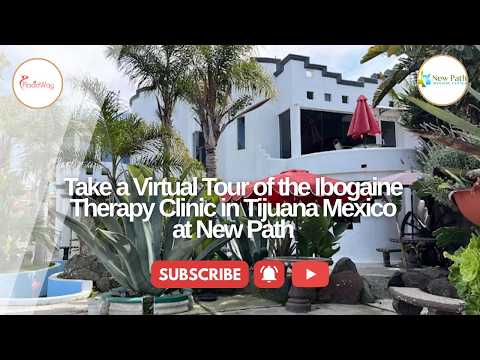

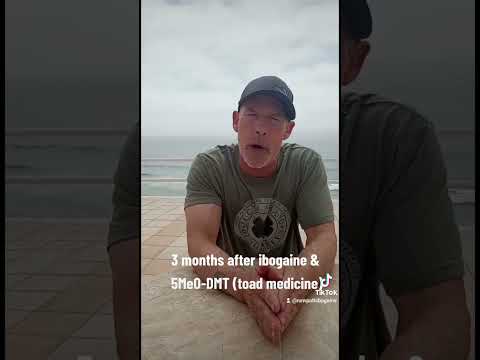













Share this listing