

For many Canadians struggling with deep-rooted dependency, finding effective interventions can feel like an insurmountable challenge. The journey from chronic substance reliance to mental and physical clarity requires interventions that address both the physiological cravings and the psychological triggers. In recent years, an increasing number of individuals have turned to alternative medicinal approaches, specifically exploring ibogaine therapy in Mexico. This naturally occurring psychoactive alkaloid, derived from the roots of the African Tabernanthe iboga plant, has gained international attention for its unique potential to interrupt severe addiction cycles.
The transition from cocaine addiction to sustained sobriety involves complex neurological healing, which traditional rehab models sometimes struggle to facilitate efficiently. Ibogaine typically acts as a powerful neuro-reset, interacting with multiple neurotransmitter systems to help mitigate severe withdrawal symptoms and post-acute withdrawal syndrome (PAWS). While it is not a magic cure, most patients experience a profound visionary phase that allows them to process deep-seated trauma, providing a unique window of clarity to begin long-term therapeutic work. Safety protocols and structured environments remain the cornerstone of these successful interventions.
Ibogaine was first isolated in 1901, but its potential as an addiction interrupter wasn't widely recognized until the early 1960s when scientific observation began linking it to diminished opioid and stimulant cravings.
Why Canadians Choose Medical Tourism in Mexico for Addiction Recovery
The regulatory landscape in North America strictly limits the availability of certain alternative therapies, prompting many seeking recovery to look beyond their borders. In Canada, ibogaine is classified as a controlled substance, making clinical administration largely inaccessible for those who might benefit from its addiction-interrupting properties. Consequently, the trend of medical tourism in Mexico has surged, as the country permits the use of ibogaine in regulated clinical settings. Tijuana, located just across the southern US border, has emerged as a central hub for these specialized medical facilities.
Choosing to travel internationally for healthcare is a significant decision driven by the desire for comprehensive, compassionate, and medically sound care. Patients traveling south are not merely seeking a change of scenery; they are pursuing structured environments staffed by seasoned medical professionals who specialize in psychedelic-assisted detoxification. The combination of accessibility, specialized expertise, and a regulated framework makes this cross-border journey a vital lifeline for individuals who have exhausted standard treatment avenues in their home country.
According to medical travel industry reports, behavioral health and alternative detox programs account for a rapidly growing segment of cross-border healthcare, with thousands of North Americans traveling annually for specialized holistic treatments.
The Science Behind Ibogaine Treatment in Mexico
To understand why this plant-derived compound is utilized for intense stimulant dependency, one must look at how cocaine alters the brain's reward pathways. Chronic cocaine use overstimulates dopamine receptors, eventually causing the brain to reduce its natural dopamine production, leading to severe depression, anxiety, and insurmountable cravings upon cessation. Ibogaine generally helps by interacting directly with these compromised neural pathways, promoting the expression of glial cell line-derived neurotrophic factor (GDNF), a protein that supports the survival and regeneration of neurons.
During a carefully monitored session, the alkaloid essentially resets the brain's neurochemistry, returning it to a pre-addiction state. Most patients experience a significant, rapid reduction in physical cravings, which is often cited as the most challenging barrier to early recovery. However, it is essential to remember that this physiological reset must be paired with extensive psychological counseling. The medical community emphasizes that while the science highlights a profound interruption in the addiction cycle, true recovery relies heavily on the patient's dedication to post-treatment integration.
Ibogaine interacts with multiple neurotransmitter systems simultaneously, including serotonin, dopamine, and opioid receptors, making it uniquely equipped to handle complex poly-substance dependencies compared to single-target medications.
Comprehensive Cost of Ibogaine Therapy in Mexico
Financial considerations play a crucial role when planning international medical travel, especially for intensive inpatient care. The ibogaine cost in Tijuana is notably lower than what equivalent acute inpatient psychiatric and detox care would cost in North American private facilities, without compromising the quality of medical supervision. Treatment packages typically include the pre-screening diagnostics, the clinical stay, medical staffing, psychological counseling, and the specialized medication itself.
It is vital to understand that cheaper is not always better when dealing with potent psychoactive substances and medical detoxification. A reliable clinic invests heavily in continuous cardiac monitoring equipment, licensed emergency physicians, and robust psychological support staff. Below is an estimated comparative breakdown of costs associated with comprehensive rehabilitation programs, illustrating why affordable ibogaine therapy in Mexico is highly sought after by international patients.
| Procedure / Service Component | Average Cost in Mexico (USD) | Comparable Private Care in Canada (USD) |
|---|---|---|
| Comprehensive Ibogaine Detox Package (7-10 Days) | $6,500 - $9,500 | N/A (Substance Illegal) / Alt Rehab $20,000+ |
| Advanced Cardiac & Medical Pre-Screening | Included in Package | $1,000 - $2,500 |
| Psychological Evaluation & Integration Therapy | Included in Package | $150 - $300 per session |
Exploring Ibogaine Clinics in Mexico for Safe Recovery
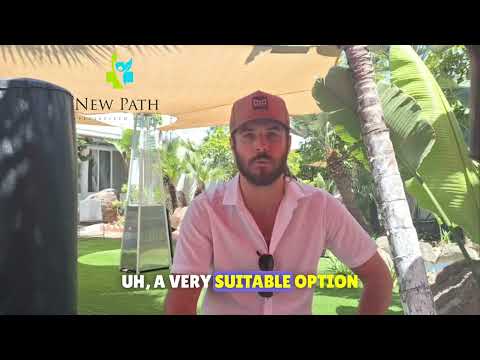
Selecting the right facility is the most critical step for anyone embarking on this therapeutic journey. The landscape of ibogaine clinics in Mexico varies widely, and patients must prioritize centers that operate under strict medical protocols rather than functioning solely as retreat centers. High-quality clinics employ multidisciplinary teams consisting of cardiologists, emergency medicine doctors, clinical psychologists, and experienced integration coaches. Patients seeking structured and professionally monitored care often explore specialized facilities like New Path Ibogaine Tijuana. Choosing to undergo comprehensive ibogaine treatment in Tijuana allows individuals to recover in environments designed specifically for intensive medical detox.
When evaluating options, prospective patients should inquire extensively about the staff-to-patient ratio and the emergency response protocols. A legitimate clinic will never rush a patient into treatment; instead, they will require extensive medical history documentation and conduct on-site diagnostics before administering any substance. The integration of modern allopathic medicine with this traditional plant medicine is what differentiates a safe, successful medical tourism experience from a potentially hazardous one.
What to Expect During Ibogaine Detox in Mexico
The clinical experience of undergoing this therapy is deeply profound and requires significant mental and physical preparation. Upon arrival, the initial phase involves settling into the clinical environment, completing final medical checks, and stabilizing any immediate withdrawal symptoms through conventional medical means if necessary. The actual administration of the medicine usually occurs in a darkened, quiet room, with constant heart monitoring and an attending physician present to ensure physiological stability throughout the peak effects.
The acute visionary phase typically lasts between 12 to 24 hours, during which patients often experience vivid, dream-like introspection regarding their past traumas, behavioral patterns, and the root causes of their cocaine dependency. Following this intense period, patients enter a reflective 'grey zone' where the brain continues to process the experience. Most patients experience physical exhaustion combined with a profound sense of mental clarity, requiring several days of rest, nutritional replenishment, and guided therapy to make sense of their visions.
Approach the experience with an open mind and minimal expectations. Every individual's visionary phase is unique; trying to control the narrative of the experience can lead to unnecessary anxiety during the treatment.
Pre-Treatment Medical Screening for Ibogaine in Mexico
Safety cannot be overstated when it comes to potent psychoactive interventions. Because the medicine can significantly affect heart rhythms—specifically prolonging the QT interval—rigorous cardiac screening is an absolute mandate. Reputable clinics will require an electrocardiogram (EKG), comprehensive metabolic blood panels, and liver function tests prior to accepting a patient. These tests are generally reviewed by a licensed cardiologist who clears the patient for the procedure.
If a clinic does not request comprehensive medical records or fails to conduct on-site physical evaluations, it is a massive red flag for any medical traveler. In addition to physical health, psychiatric evaluations are conducted to rule out severe underlying mental health conditions like schizophrenia or bipolar disorder, which can be exacerbated by the treatment. Transparent risk disclosure and thorough screening ensure that the environment remains secure for profound healing.
Ibogaine administration is strictly contraindicated for individuals with pre-existing heart conditions, prolonged QT intervals, severe liver or kidney disease, and active severe psychiatric disorders. Never attempt to bypass medical screening.
The Psychological Journey of Ibogaine Treatment in Tijuana
Cocaine addiction is rarely just a physical dependency; it is often intertwined with deep emotional distress, trauma, and maladaptive coping mechanisms. The psychological component of this therapy is often described by patients as years of psychotherapy compressed into a single night. The medicine facilitates a state of waking REM sleep, allowing individuals to view their past actions and traumas from an objective, detached perspective. This emotional detachment helps patients process grief and guilt without being overwhelmed by the associated pain.
Post-treatment, the brain enters a state of high neuroplasticity, which is an optimal time for behavioral modification and therapeutic intervention. During the stay in Tijuana, integration coaches work closely with patients to anchor the insights gained during the visionary phase into actionable life changes. While the medicine generally helps eliminate the physical compulsion to use cocaine, the psychological clarity achieved must be nurtured through ongoing, dedicated therapeutic work.
Risks and Strict Contraindications of Ibogaine in Mexico
While the potential benefits of this therapy are vast, it carries profound medical risks that must be managed by highly trained professionals. The most significant danger is cardiotoxicity; without proper medical oversight, the medication can induce fatal cardiac arrhythmias. Additionally, combining the medicine with certain foods, other medications, or residual drugs of abuse in the system can result in severe adverse reactions. This is why a medically supervised detox period is often required before the actual administration.
Patients must understand that outcomes are never guaranteed, and the treatment is not a magic wand that cures addiction instantly. Those with liver impairment, respiratory issues, or a history of specific psychiatric disorders are typically deemed unfit for the procedure. By strictly adhering to these medical contraindications, leading clinics maintain a high standard of patient safety, drastically reducing the likelihood of medical emergencies.
The liver converts ibogaine into noribogaine, a metabolite that stays in the body for several weeks to months. This is believed to be the reason why patients experience a prolonged absence of cravings post-treatment.
Post-Care After Affordable Ibogaine Therapy in Mexico
The true work of recovery begins after the patient leaves the clinic and returns home to Canada. The physical detox and neurological reset provided by the therapy create a vital "window of opportunity," but without a solid aftercare plan, the risk of relapse remains. High-quality centers assist patients in developing a comprehensive post-care strategy before discharge, which typically includes establishing connections with local therapists, support groups, and sometimes continued virtual integration coaching.
Transitioning back into daily life can be overwhelming due to the newfound emotional sensitivity and clarity. Patients are encouraged to make significant lifestyle changes, such as altering their social circles, adopting new stress-management techniques, and avoiding environments associated with past drug use. Sustained success relies heavily on the patient's willingness to engage in continuous personal growth and therapeutic follow-up.
Arrange your post-care psychological support before you travel to Mexico. Having a scheduled appointment with a therapist within days of your return home drastically improves long-term integration success.
Real Stories of Ibogaine Therapy Success in Mexico
Hearing the experiences of those who have navigated the difficult path of cocaine recovery can provide profound hope for prospective patients. While individual results vary and success is never guaranteed, the anecdotal evidence pointing toward deep, transformative healing is substantial. The following case summaries represent generalized experiences of medical tourists who sought clarity and healing south of the border.
These stories highlight the importance of medical safety, emotional surrender, and rigorous post-care. They underscore that while the procedure is a powerful catalyst, the dedication of the individual is what ultimately solidifies a life of sobriety and mental wellness.
A Journey to Mental Freedom
After struggling with cocaine dependency for over a decade, a patient traveled from Toronto to a specialized clinic in Tijuana. The structured medical environment allowed them to safely undergo the procedure, resulting in a complete cessation of cravings. Through dedicated aftercare, they have maintained their sobriety and rebuilt strained family relationships.
Overcoming Deep-Rooted Trauma
A medical tourist from Vancouver utilized the therapy to address not just addiction, but the severe anxiety underlying it. The visionary phase provided profound insights into childhood trauma. Returning home, the patient engaged in cognitive behavioral therapy with a newfound clarity, effectively maintaining long-term recovery.
Breaking the Cycle of Relapse
Having failed traditional rehab programs multiple times, a patient sought alternative care. The intensive cardiac screening ensured safety, and the treatment successfully interrupted the cycle of chronic relapse. With ongoing integration coaching, the individual has secured stable employment and a healthy lifestyle.
Finding Peace and Clarity
A patient facing severe post-acute withdrawal symptoms found relief through the medical detox process in Mexico. The compassionate care and psychological support helped mitigate the deep depression associated with cocaine withdrawal, allowing the patient to transition smoothly into a local support group back home.
Preparing for Your Medical Travel to Mexico for Ibogaine
Preparation goes far beyond packing a suitcase; it requires mental, emotional, and logistical readiness. Ensure your passport is valid for at least six months beyond your intended travel dates and familiarize yourself with standard cross-border travel requirements. From a medical standpoint, be entirely transparent with your chosen clinic regarding your complete substance use history, as honesty is critical for formulating safe medication protocols.
Mentally preparing for affordable ibogaine therapy in Mexico involves setting clear intentions for your recovery while letting go of rigid expectations regarding the visionary experience. Many clinics recommend specific dietary changes, mindfulness practices, and a gradual reduction of certain non-essential medications (under a doctor's supervision) in the weeks leading up to the trip. Proper preparation lays the groundwork for a safe, effective, and transformative medical journey.
Tijuana is home to some of the most advanced medical tourism infrastructure in Latin America, featuring bilingual medical staff, modern diagnostic equipment, and specialized clinics dedicated to international patient care.
Over 1.2 million international patients travel to Mexico annually for various medical treatments, reflecting the high level of trust and established protocols within the country's private healthcare sector.
How PlacidWay Assists Your Ibogaine Therapy Medical Tourism Journey in Mexico
Navigating international healthcare options can be complex, particularly when seeking specialized treatments for sensitive behavioral health issues. It is crucial to have access to transparent, verified information to make informed decisions about your physical and mental well-being. Finding the right facility requires careful consideration of medical accreditations, doctor qualifications, and clinical safety records.
PlacidWay serves as a dedicated facilitator in the medical tourism industry, connecting patients with globally vetted healthcare centers. By focusing on transparency and comprehensive information, patients are empowered to focus entirely on their healing journey.
- Provides access to a curated network of accredited international clinics specializing in alternative detox therapies.
- Offers detailed profiles of medical professionals, including their certifications, experience, and clinical background.
- Facilitates direct communication between prospective patients and medical teams for comprehensive pre-screening discussions.
- Supplies objective clinic comparisons to help patients evaluate healthcare standards and specific medical protocols.
- Delivers comprehensive educational resources regarding the chosen procedure, associated medical risks, and international healthcare standards.
- Supports patients with transparent, value-based healthcare information tailored to complex medical needs.
Frequently Asked Questions About Ibogaine Therapy in Mexico
Making the decision to undergo alternative detoxification in another country requires comprehensive knowledge and clear answers to pressing concerns. International patients frequently have questions regarding the legality, safety, and logistics of receiving care across borders. Understanding these factors is essential for ensuring a secure and focused healing environment.
Below are some of the most common inquiries from individuals considering this path to recovery. These answers provide a foundational understanding of what to expect when planning your medical travel for addiction treatment.
Is ibogaine therapy legal in Mexico?
Yes, ibogaine therapy is legally administered in specific regions of Mexico under medical supervision. Many international patients travel to specialized clinics where the treatment is conducted within regulated medical frameworks.
How does ibogaine help with cocaine addiction?
Ibogaine generally helps by interacting with neurotransmitter systems to reset neural pathways associated with habit and reward. Most patients experience a significant reduction in cravings and withdrawal symptoms, providing a window for psychological therapy.
Are there medical risks associated with ibogaine?
Yes, there are significant medical risks, primarily concerning cardiovascular health, such as heart arrhythmias. This is why strict pre-treatment medical screenings, including EKGs and blood tests, are mandatory before any procedure.
How long does the recovery process take in Tijuana?
The primary clinical stay typically lasts between 7 to 10 days, encompassing pre-screening, the treatment day, and acute recovery. However, long-term psychological integration and aftercare can take several months upon returning home.
Will I need a visa to travel from Canada to Mexico for treatment?
Canadian citizens typically do not require a visa for short medical trips to Mexico, usually entering with a tourist permit. It is highly recommended to verify current travel requirements and ensure your passport is valid for at least six months.
What is the success rate of ibogaine for cocaine users?
Success rates vary widely depending on the individual's commitment to aftercare and integration therapy. While it provides a powerful interruption to chemical dependency, long-term success requires sustained lifestyle changes and ongoing psychological support.
Can anyone undergo ibogaine therapy?
No, ibogaine has strict contraindications, particularly for individuals with pre-existing heart conditions, liver disease, or severe psychiatric disorders. Comprehensive medical evaluations determine if a patient is a safe candidate for the therapy.
What type of follow-up care is required?
Follow-up care is crucial and typically involves cognitive behavioral therapy, support groups, and ongoing psychiatric evaluation. The treatment provides a reset, but continuous psychological care maintains the clarity achieved during the medical trip.
Why is treatment more affordable in Mexico?
The lower cost of living and different healthcare operational costs in Mexico allow clinics to offer comprehensive treatment packages at lower rates. Despite the affordability, top clinics maintain high standards of medical monitoring and staffing.
How do I choose the right clinic for my safety?
Focus on facilities that prioritize emergency medical protocols, employ licensed cardiologists and medical doctors, and conduct rigorous pre-screening. International platforms can assist in verifying clinic credentials to ensure a secure medical tourism experience.
References
- Multidisciplinary Association for Psychedelic Studies (MAPS). Ibogaine Therapy Research. https://maps.org/research/ibogaine-therapy/
- National Institute on Drug Abuse (NIDA). Cocaine Research Report. https://nida.nih.gov/publications/research-reports/cocaine
- Wikipedia. Medical Tourism. https://en.wikipedia.org/wiki/Medical_tourism







.png)
.png)

.png)


.jpg)
.jpg)
.jpg)
.jpg)








Share this listing