


Comprehensive Guide to the Day 3 Experience of Ibogaine Treatment in Mexico
If you are exploring alternative options for addiction recovery, understanding the realities of ibogaine treatment in Mexico is absolutely essential. Many individuals who struggle with severe chemical dependencies find themselves looking beyond traditional rehabilitation centers. They seek therapies that address the root neurological causes of their condition. This powerful plant medicine has gained immense international recognition for its ability to interrupt active addiction and reset neural pathways.
The journey through this therapy is intense, highly structured, and medically complex. By the third day of a clinical protocol, patients often find themselves in a profound state of physical exhaustion paired with emotional clarity. This specific phase is a critical window for healing. It marks the transition from the acute psychedelic experience to the deep, integrative work necessary for long-term sobriety. Understanding what happens during this crucial timeline helps patients and their families prepare for the road ahead.
Video Chapters
Understanding the Post-Treatment Phase at an Alternative Clinic
The timeline of a clinical recovery protocol follows a very predictable trajectory. As noted at [00:00], reaching day three means the patient is approximately 28 hours post-treatment. This specific window is often referred to as the integration or "gray" phase by clinicians. The acute flood dose of the medicine has run its course, leaving the individual in a highly sensitive state.
During this period, patients rarely leave their beds. The central nervous system has just undergone a massive recalibration, demanding total physical rest. Medical staff encourage patients to remain horizontal, hydrate constantly, and process the internal shifts occurring within their minds. Pushing the body too hard during this sensitive window can lead to dizziness or temporary ataxia.
Being bedridden is not a sign of complications, but rather a standard physiological response to neurological rewiring. Facilities like New Path design their environments to support this necessary downtime. Rooms are kept dimly lit, quiet, and highly monitored to ensure the patient feels safe while their brain begins to normalize its chemistry without the presence of addictive substances.
What is Ibogaine Therapy and How Does It Work for Addiction?
This powerful naturally occurring alkaloid is extracted from the root bark of the Tabernanthe iboga shrub native to Central Africa. For decades, researchers have studied its unique ability to interrupt substance use disorders. Unlike typical psychedelics, this substance targets multiple neurotransmitter systems simultaneously. It effectively blocks the brain's addiction receptors while promoting a surge of neuroplasticity.
The Role of Noribogaine in Long-Term Recovery
Once ingested, the liver metabolizes the primary alkaloid into a secondary compound called noribogaine. This specific metabolite is highly lipophilic, meaning it stores itself within the body's fat cells. Noribogaine acts as a prolonged-release anti-depressant and anti-craving mechanism. It slowly releases over the course of several weeks to months, providing a vital window for psychological therapy.
This prolonged presence in the system acts as a protective shield against immediate relapse. Patients report feeling a distinct lack of physical cravings, which is almost unheard of in standard detox environments. The noribogaine effect gives the individual breathing room to establish new, healthy habits without the constant neurological demand for drugs.
Breaking the Cycle of Substitution Therapy
Traditional medicine often relies on substituting one chemical for another. Opioid dependents are frequently placed on maintenance programs using methadone or buprenorphine. While these programs reduce harm, they maintain the physical dependency. This alternative plant therapy operates on a completely different paradigm by aiming for total chemical independence.
The goal is an absolute interruption of the addiction loop. The medicine cleanses the opioid receptors and resets them to a pre-addicted state. This allows the patient to bypass the need for lifetime maintenance medications, offering a definitive break from the pharmaceutical cycle of dependence.
The Physical and Emotional Impact: Navigating Vivid Dreams and Memories
One of the defining characteristics of this procedure is the intense visionary phase. At [00:08], the patient explicitly mentions experiencing a lot of vivid dreams, encompassing both happy and sad old memories. Clinically, this is known as the oneirophrenic state, which translates directly to a waking dream.
During the peak of the treatment, patients often describe watching their lives play out on an internal movie screen. The medicine brings suppressed subconscious material to the surface for conscious review. This is not a recreational hallucination, but a deeply therapeutic psychological review. It forces the individual to confront the underlying traumas that initially fueled their substance abuse.
Processing Deep-Rooted Trauma Safely
Trauma processing is central to sustained addiction recovery. The waking dream state provides a unique emotional detachment. Patients report viewing highly traumatic past events without feeling the corresponding emotional pain or panic. This objective viewpoint allows the brain to process and file away the trauma safely.
By untangling the emotional charge from painful memories, the psychological triggers for substance abuse are dismantled. The happy and sad memories mentioned in the video represent the brain cataloging a lifetime of experiences. This rapid psychological processing is often compared to years of intensive psychotherapy condensed into a single night.
Why Medical Monitoring is Crucial During Your Ibogaine Experience
Undergoing this procedure is a serious medical event that requires strict professional oversight. At [00:14], the patient highlights that she was monitored throughout the entire night. Even though she was alone in her room, the entire medical staff was just a few steps away, as confirmed at [00:20].
The pharmacology of the substance naturally lowers heart rates and blood pressure. Continuous monitoring ensures that the patient remains stable while their body processes the heavy medicinal load. Facilities must be equipped with emergency protocols, IV fluids, and cardiac support medications to handle any rare adverse reactions immediately.
Cardiovascular Risks and EKG Monitoring
The primary medical risk associated with this therapy is QT prolongation. This refers to the time it takes for the heart muscle to recharge between beats. If the QT interval becomes too long, it can lead to dangerous arrhythmias. Continuous EKG monitoring is a non-negotiable safety standard for any legitimate clinic operating in Mexico or elsewhere.
Nurses and specialized doctors watch the EKG readouts constantly from a central station. If a patient's heart rhythm begins to show signs of stress, medical interventions can be deployed instantly. This level of cardiac oversight is exactly why attempting to consume this root bark outside of a clinical setting is incredibly dangerous.
Managing Exhaustion and Post-Treatment Recovery After Ibogaine
The sheer physical toll of the treatment cannot be understated. The patient clearly states at [00:05] that it was an intense night and she feels very exhausted. This extreme fatigue is a universal symptom during the immediate 48 hours post-treatment. The brain has essentially run a marathon of neural rewiring.
During the flood phase, central nervous system stimulation prevents normal sleep patterns. Patients remain awake but deep in their internal processes for up to 12 hours. Once the stimulation fades, the body crashes. The exhaustion is compounded by the fact that the brain is rapidly adjusting to the absence of the addictive substances it previously relied upon.
Recovery during this gray phase requires patience. Clinics provide nutrient-dense foods, electrolyte hydration, and supplementary vitamins to help the physical body recover. Patients are encouraged to sleep as much as possible, though residual stimulation sometimes makes deep REM sleep difficult for the first few days.
Navigating Withdrawal Symptoms: The Ibogaine Advantage
Perhaps the most remarkable aspect of this alternative therapy is its impact on physical dependency. At [00:24], the patient confirms she is experiencing zero withdrawal symptoms, noting only a bit of yawning. For someone recovering from an opioid dependency, avoiding acute physical withdrawal is considered a medical breakthrough.
Standard opiate detox involves a grueling array of symptoms including severe bone pain, nausea, restless leg syndrome, and uncontrollable tremors. These horrific physical hurdles are precisely why relapse rates are so high in standard detox facilities. By circumventing this painful physical barrier, the medicine allows the patient to focus entirely on mental healing rather than sheer physical survival.
How the Medicine Binds to Receptors
The mechanism behind this painless detox lies in receptor binding. The active alkaloids bind directly to the mu-opioid and kappa-opioid receptors in the brain. They act as antagonists, effectively blocking the physical symptoms of opioid withdrawal while simultaneously healing the damaged receptor sites. This rapid healing process compresses what would normally be weeks of physical agony into a single night.
While acute withdrawal is mitigated, minor residual symptoms like the yawning mentioned in the video are common. Yawning, mild lethargy, and slight temperature fluctuations are signs of the autonomic nervous system stabilizing itself. These minor inconveniences are highly manageable and represent a massive improvement over traditional cold-turkey symptoms.
Comparing Ibogaine Therapy to Traditional Addiction Treatment Methods
When evaluating recovery options, it is helpful to compare alternative plant therapies against standard Western rehabilitation protocols. Traditional methods focus heavily on behavioral therapy combined with long-term maintenance drugs. Alternative clinical therapies prioritize rapid neurological reset and immediate chemical independence.
| Feature | Traditional Treatment (Rehab/MAT) | Ibogaine Clinical Therapy |
|---|---|---|
| Withdrawal Management | Gradual tapering using replacement drugs. Physical discomfort is common. | Rapid receptor reset. Mitigates 80-95% of acute physical withdrawal symptoms instantly. |
| Psychological Approach | Months of cognitive behavioral therapy to uncover deep-rooted trauma. | Immediate, profound confrontation of trauma through the oneirophrenic state. |
| Duration of Treatment | Typically requires 30 to 90 days in an inpatient residential facility. | Acute phase takes 7 to 10 days, followed by extensive remote integration coaching. |
| Medication Philosophy | Maintains dependency via substitution (Methadone, Suboxone) to prevent illicit use. | Aims for complete cessation of all chemical dependencies, including pharmaceuticals. |
This comparison highlights why many families consider traveling abroad for specialized care. The traditional model works for some, but those who chronically relapse often require the intensive neurological intervention that only specific plant-based therapies can provide.
Preparing for Your Journey at an Alternative Ibogaine Clinic
Deciding to pursue treatment at an alternative recovery center is a major life decision that requires extensive preparation. Patients cannot simply arrive and receive treatment immediately. Strict medical protocols must be followed to ensure the safety and efficacy of the procedure. Pre-treatment screening is rigorous and absolutely mandatory.
Facilities will require full blood panels, EKG results, and a comprehensive review of the patient's substance history. Certain substances, particularly long-acting opioids like methadone or psychiatric medications like SSRIs, pose dangerous contraindications. Patients must often switch to short-acting opiates or carefully taper off antidepressants under medical supervision prior to their arrival.
The Importance of Aftercare and Integration Strategies
While the physical detoxification is miraculous, it is only the first step. The treatment provides a window of opportunity, not a magical cure. True healing occurs in the months following the procedure. Establishing a solid aftercare plan before traveling to the clinic is a critical component of success.
Integration coaching helps patients navigate their new, chemically-free reality. Returning to the same stressful environment without professional support drastically increases the risk of relapse. Successful patients utilize the clarity gained during their therapy to build completely new lifestyle habits, engage in regular therapy, and build strong community support networks.
Ready to Start Your Recovery Journey?
Discover certified clinics, review treatment protocols, and connect with top-rated medical facilities offering innovative addiction recovery programs worldwide.
Get Free QuoteView Full Video Transcript
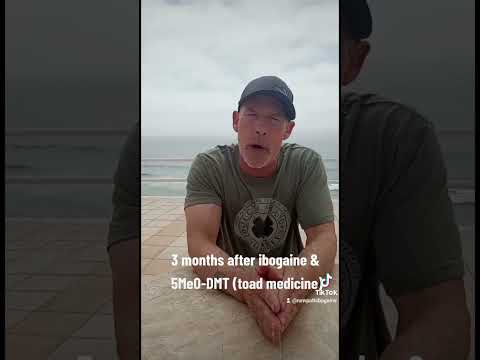
[00:00] Day 3 of my Ibogaine experience in New Path. I haven't gotten out of bed, it's been 28 hours post-ibogaine treatment.
[00:05] It was an intense night. I feel very exhausted.
[00:08] A lot of vivid dreams and old memories, happy and sad memories.
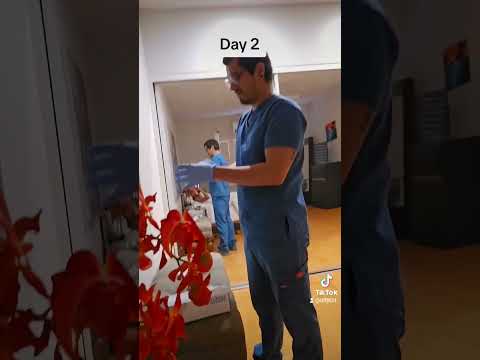
[00:14] I was monitored throughout the night, even though I was by myself in the room.
[00:20] Thank you for being there for me. The whole staff was just a few steps away.
[00:24] No withdrawal symptoms for now, just yawning. Stay tuned for my recovery and follow for more.








.png)
.png)















Share this listing