


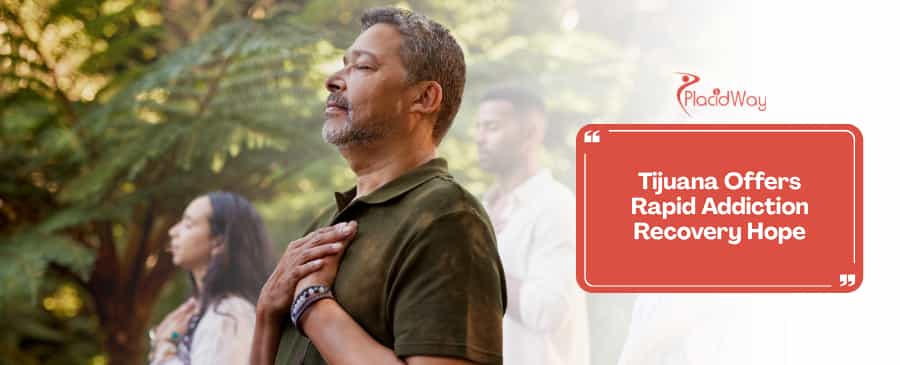
Substance use disorders require timely clinical intervention, as waiting weeks for admission can be physically and psychologically dangerous for individuals ready for recovery. For many Californians, accessing immediate medical support is an ongoing challenge due to heavily impacted local healthcare infrastructure. This barrier has catalyzed the growth of specialized urgent addiction care in Tijuana, located just minutes across the southern border. Opting for a rapid-admission medical pathway ensures that patients generally receive the clinical attention they critically require without unnecessary delays.
The primary focus of these immediate cross-border programs is safely mitigating physical withdrawal symptoms while mentally preparing the patient for long-term rehabilitation. Healthcare teams typically leverage evidence-based pharmacological protocols to continuously monitor vital signs and administer therapies that ease severe physical distress. Fast-track options are meticulously designed to bypass the administrative bottlenecks commonly encountered in domestic treatment facilities. Ultimately, this swift stabilization model is increasingly recognized as a vital intervention strategy for patients experiencing an acute crisis.
Tijuana is home to one of the most advanced medical tourism infrastructures globally, drawing millions of international patients annually for various treatments, including addiction care medical tourism.
Why Californians Are Choosing Addiction Care in Tijuana
The geographical proximity of the border makes accessing international healthcare an incredibly viable alternative for residents across the American West Coast. By driving or taking a short flight to the border, patients can seamlessly transition from their home environment into a secure clinical setting. Many families are discovering that opting for substance abuse detox in Mexico provides a unique blend of privacy, urgency, and high-quality care. This cross-border transition generally allows patients to physically distance themselves from toxic environments that may trigger immediate relapse.
Beyond geographical convenience, the integrated approach to patient wellness is a significant driving factor for international medical travelers. Facilities generally boast high staff-to-patient ratios, meaning individuals receive highly personalized, round-the-clock monitoring during their most vulnerable stages. Furthermore, the combination of traditional medicine and compassionate psychosocial support typically results in a more comfortable recovery experience. Most patients experience a profound sense of relief knowing they have access to immediate, structured clinical support.
Medical tourism data indicates that nearly 1.2 million Americans travel to Mexico annually for healthcare services, with behavioral health and rehabilitation seeing consistent year-over-year growth.
The Rising Demand for Urgent Drug Detox in Tijuana
In recent years, the urgency surrounding synthetic substances and complex behavioral health issues has significantly escalated. Public health networks in California often face severe capacity constraints, leaving individuals on waiting lists during narrow windows of willingness to accept help. Consequently, the demand for fast-track detox in Tijuana has surged as families urgently seek immediate placement. Bypassing domestic delays is generally considered a critical step in preventing overdose and managing severe dependency issues safely.
This growing demand has pushed international clinics to continually elevate their protocols to meet rigorous global standards. The result is a highly competitive, patient-focused healthcare market that prioritizes rapid assessment, seamless intake, and immediate medical intervention. Administrators at these facilities typically understand the urgency of addiction crises and have streamlined their cross-border logistics to accommodate sudden arrivals. This evolving landscape generally benefits the patient by offering responsive, high-tier care exactly when it is needed most.
Urgent medical detox centers focus primarily on the physical stabilization of the patient, which is generally the required first step before deep psychological therapies can effectively begin.
Affordable Addiction Treatment Cost in Tijuana
One of the most profound barriers to entering recovery within the United States is the exorbitant out-of-pocket expense associated with private residential care. Even with insurance coverage, domestic deductibles and uncovered holistic therapies can financially devastate families seeking quality interventions. As a result, securing affordable addiction treatment in Tijuana has become a highly practical solution for those seeking premium care without insurmountable debt. The lower cost of living and operational overhead in Mexico generally translates to substantial savings for international patients.
Financial accessibility does not typically equate to compromised medical standards; rather, patients often receive access to luxury amenities and diverse therapeutic modalities that would be cost-prohibitive at home. Transparent pricing structures are a hallmark of reputable international facilities, helping families plan their medical journey effectively. When comparing the average expenses, the financial relief provided by cross-border healthcare is undeniably significant. Most patients experience a higher value-to-cost ratio when opting for international treatment pathways.
| Treatment Phase / Procedure | Average Cost in Tijuana (USD) | Average Cost in California (USD) |
|---|---|---|
| Medical Detox (5-7 Days) | $2,500 - $4,500 | $7,000 - $12,000 |
| Standard Inpatient Rehab (30 Days) | $6,000 - $12,000 | $20,000 - $45,000 |
| Luxury Residential Care (30 Days) | $15,000 - $25,000 | $50,000 - $90,000+ |
| Holistic Therapy Add-ons (e.g., NAD+) | $500 - $1,500 | $2,000 - $4,000 |
While cost savings are significant, lower prices do not guarantee specific medical outcomes. Addiction recovery is a complex medical and psychological process, and results generally vary based on patient commitment and biological factors.
Comprehensive Types of Detox Programs in Tijuana
Addiction is a highly individualized disease, meaning that a universally applied clinical approach is generally ineffective. Specialized centers understand this and typically offer a diverse spectrum of programs tailored to the specific chemical dependency of the patient. Providing comprehensive addiction treatment in Tijuana requires a multidisciplinary approach encompassing addiction medicine, psychiatry, and internal medicine. By accurately identifying the chemical profile of the patient, medical teams can effectively mitigate life-threatening withdrawal complications.
From central nervous system depressants to powerful synthetic opioids, the clinical response must be precise and scientifically grounded. Doctors generally utilize specialized weaning schedules and comfort medications to stabilize the nervous system safely. This targeted medical strategy typically ensures that the physical trauma of early recovery is kept to an absolute minimum. Common specialized detox tracks generally include the following areas of focus:
- Alcohol Detoxification: Requires strict vital sign monitoring to prevent severe complications like delirium tremens or seizures.
- Opiate and Opioid Detox: Typically involves medically assisted treatments (MAT) utilizing specific medications to block receptors and ease severe physical cravings.
- Benzodiazepine Tapering: Focuses on a slow, medically supervised reduction of dosage to avoid dangerous neurological side effects.
- Polysubstance Management: Highly complex medical protocols designed for patients struggling with dependencies on multiple chemical substances simultaneously.
The Admission Process for Rehab Centers in Tijuana
Navigating international admission procedures might initially seem daunting to families in the midst of a crisis. However, the intake process for fast-track detox in Tijuana is generally designed to be exceptionally streamlined and stress-free. Most reputable facilities employ dedicated intake coordinators whose sole purpose is to manage the logistics of cross-border transfers. These professionals generally ensure that all clinical, financial, and travel requirements are swiftly organized before the patient arrives.
A typical intake process begins with a comprehensive, confidential pre-assessment conducted via phone or video consultation. During this phase, medical professionals typically evaluate the patient's substance history, underlying health conditions, and immediate physical risks. This information allows the clinic to prepare a customized medical protocol before the patient even steps foot inside the facility. Most patients experience a smooth, guided transition from their home in California directly to the receiving clinic.
Always gather and digitize relevant medical records, current prescriptions, and a detailed substance use history to provide to your international intake coordinator for a more accurate medical assessment.
Safety and Medical Standards for Addiction Care in Tijuana
A common apprehension regarding medical tourism involves questions surrounding clinical safety, hygiene, and overall medical standards. Fortunately, top-tier facilities offering urgent addiction care in Tijuana are typically fully licensed by Mexican health authorities and frequently pursue international accreditations. These regulatory frameworks generally ensure that clinics maintain rigorous standards in patient safety, emergency preparedness, and pharmacological management. Investing heavily in modern medical infrastructure is standard practice for clinics catering to the international market.
Medical teams working in these environments are generally composed of highly credentialed bilingual professionals, including board-certified addictionologists, registered nurses, and licensed therapists. Continuous education and adherence to global best practices are typically mandated to maintain competitive international standing. Furthermore, facilities are generally equipped with emergency response equipment akin to standard intensive care protocols. Most patients experience a profound sense of security when interacting with these highly professional clinical teams.
Many leading addiction specialists and physicians in Mexican medical tourism sectors have received parts of their medical training or board certifications in the United States or Europe.
Holistic and Alternative Addiction Therapies in Tijuana
While clearing the body of toxins is the critical first step, long-term stabilization generally requires treating the mind and spirit alongside the physical body. Comprehensive rehab centers in Tijuana typically excel at integrating evidence-based medicine with innovative holistic modalities. This dual-pronged approach is generally designed to repair neurological pathways, reduce lingering anxiety, and promote overall cellular health. By addressing the root causes of distress, holistic therapies typically enhance the efficacy of traditional treatments.
Because regulatory environments differ, international clinics sometimes have the flexibility to offer safe, globally recognized wellness therapies that are harder to access domestically. These supplementary treatments are generally intended to alleviate protracted withdrawal symptoms and elevate the patient's mood. Most patients experience a significant improvement in energy and mental clarity when traditional detox is paired with holistic support. Common integrative therapies typically include:
- Intravenous (IV) Nutritional Therapy: Rapidly replenishing depleted vitamins, minerals, and amino acids to restore physical vitality.
- NAD+ Amino Acid Therapy: Generally used to repair cellular damage, boost metabolic function, and potentially reduce substance cravings.
- Acupuncture and Massage: Traditional techniques typically utilized to naturally manage pain, reduce muscle tension, and lower cortisol levels.
- Mindfulness and Biofeedback: Equipping patients with critical neurological tools to manage stress triggers and regulate their own emotional responses.
Aftercare and Relapse Prevention Planning in Tijuana
Completing a medical detoxification program is an incredible achievement, but it represents only the genesis of a much longer recovery journey. Proper clinical protocols dictate that discharge from substance abuse detox in Mexico must include a comprehensive and realistic aftercare strategy. Returning to California without a structured plan generally leaves a patient highly vulnerable to relapse due to familiar environmental triggers. Therefore, clinical teams typically begin conceptualizing discharge plans almost immediately upon a patient's arrival.
A robust aftercare plan typically serves as a transitional bridge back into daily life. This generally involves organizing ongoing outpatient therapy, identifying local support groups, and sometimes arranging sober living accommodations back in the United States. Furthermore, some clinics provide alumni support networks and telehealth check-ins to maintain accountability. Most patients experience higher long-term success rates when they strictly adhere to a documented relapse prevention strategy.
Before completing your program, ensure that your international medical team has forwarded your discharge summary and treatment notes to your primary care physician or local therapist in California.
Legal and Travel Guidelines for Addiction Treatment in Tijuana
Organizing a cross-border medical trip requires attention to basic travel logistics and legal compliance to ensure a stress-free experience. Fortunately, crossing into Mexico for healthcare purposes is a highly common and legally straightforward process for US citizens. Seeking addiction care medical tourism typically involves utilizing specialized medical lanes at the border, which significantly expedites transit times. Coordinating these logistics in advance generally prevents unnecessary anxiety during an already stressful situation.
While the process is generally simple, maintaining proper documentation is strictly required by border authorities on both sides. Patients and accompanying family members must possess valid travel documents to facilitate smooth entry and re-entry. Clinics often provide formal letters of medical necessity, which typically assist in verifying the purpose of the trip. To ensure a seamless journey, patients are generally advised to prepare the following items:
- A valid, unexpired US Passport or Passport Card.
- Official admission documentation or appointment confirmations from the destination medical facility.
- A comprehensive list of legally prescribed, non-narcotic medications currently being taken (in original pharmacy bottles).
- Emergency contact information for family members back in California.
Overcoming the Stigma of Medical Tourism in Tijuana
Despite the millions of individuals who successfully utilize global healthcare, lingering misconceptions about international medical standards sometimes deter families from seeking necessary help. The stigma often revolves around outdated stereotypes suggesting that foreign care is inherently inferior to domestic options. However, those researching affordable addiction treatment in Tijuana quickly discover a highly sophisticated ecosystem designed entirely around international patient safety and satisfaction. Dispelling these myths is typically the first step toward embracing accessible, life-saving care.
The reality is that globalization has standardized medical education and technology across borders. Leading facilities generally utilize the exact same diagnostic equipment and pharmacological interventions as top-tier Californian hospitals. Transparency in facility reviews, international accreditations, and open communication with clinical staff generally serve to alleviate these unfounded fears. Most patients experience a paradigm shift upon arrival, realizing the standard of care often exceeds their initial expectations.
Medical tourism is a multi-billion dollar global industry heavily regulated by local governments to protect the region's reputation and ensure the safety of international health travelers.
Evaluating Success Rates for Substance Abuse Detox in Tijuana
When investing time and resources into recovery, families naturally want to understand the efficacy and historical success rates of the programs they are considering. It is crucial to note that measuring success in addiction medicine is highly nuanced, as substance use disorders are chronic, relapsing conditions. Successful fast-track detox in Tijuana is generally defined by the safe, complete clearance of physical dependencies without severe medical complications. Securing physical stability is typically the foundational metric of a successful acute care phase.
Long-term sobriety, however, relies heavily on variables outside the immediate control of the detox facility. A patient's willingness to engage in follow-up psychiatric care, environmental stability back home, and biological predispositions all play critical roles in long-term outcomes. International clinics generally boast high success rates for the initial stabilization phase due to strict protocols and 24/7 monitoring. Most patients experience profound physical improvements, setting a solid baseline for the subsequent psychological work required.
Studies generally indicate that patients who complete a medically supervised withdrawal program followed by structured residential therapy have significantly lower rates of relapse in their first year compared to those attempting unassisted withdrawal.
Real Patient Experiences with Fast-Track Detox in Tijuana
Connecting with the stories of others who have successfully navigated the cross-border medical journey can provide immense comfort and perspective. Reading about actual outcomes regarding urgent drug detox in Mexico typically helps demystify the process for anxious families. While every recovery trajectory is inherently unique, observing common threads of professional care, compassion, and profound change is highly encouraging. These narratives generally highlight the human element behind the clinical protocols.
It is important to remember that these summaries reflect individual encounters, and results generally vary based on personal health and commitment to the process. However, the themes of regaining control, experiencing compassionate nursing, and enjoying financial feasibility are frequently repeated. Most patients experience a renewed sense of hope after completing their initial stabilization. Below are summarized experiences from individuals who embarked on this medical tourism pathway:
A Timely Intervention
After waiting weeks on a list in California, a patient’s family organized a fast-track admission across the border. They reported that the immediate medical response and seamless intake process typically provided the urgent intervention necessary to prevent a severe health crisis.
Compassionate Medical Care
A professional seeking privacy utilized an international clinic for medication tapering. They noted that the bilingual medical staff was exceptionally empathetic, and the constant vital monitoring generally made the difficult physical transition feel incredibly safe and managed.
Financial Relief and Quality
An individual without comprehensive domestic health insurance found that cross-border treatment allowed them to access luxury-level care they otherwise could not afford. They experienced an integrated approach with holistic therapies that generally enhanced their early recovery.
Structured Path Forward
A young adult struggling with complex dependencies completed a 7-day program and noted the immense value of the facility’s discharge planning. The clinical team typically coordinated directly with an outpatient therapist back home, resulting in a smooth continuum of care.
How PlacidWay Assists Your Addiction Care Medical Tourism Journey in Tijuana
Embarking on a medical journey during a health crisis requires precision, trusted information, and dedicated support. Choosing the right facility for addiction treatment in Tijuana is a critical decision that should not be made through guesswork. PlacidWay serves as a premier medical tourism platform, connecting international patients with globally recognized healthcare providers. Our objective is to ensure that patients generally find accredited, transparent, and high-quality clinical options tailored to their specific medical requirements.
Navigating international healthcare systems can be complex, but utilizing a structured platform typically mitigates anxiety and streamlines the administrative process. PlacidWay empowers patients by providing essential data, facilitating direct communication, and ensuring safety standards are prioritized. We assist your journey by offering the following value-based support:
- Providing access to a curated network of accredited and heavily vetted behavioral health centers.
- Facilitating direct, secure communication between patients and international medical teams.
- Assisting with the secure transfer of medical histories and preliminary assessments to expedite the clinical review process.
- Offering transparent overviews of clinical protocols, facility accreditations, and provider credentials.
- Delivering comprehensive educational resources to help patients make highly informed healthcare decisions.
Frequently Asked Questions
Is it safe to travel to Tijuana for addiction treatment?
Medical facilities catering to international patients typically implement rigorous security and patient safety protocols. Most patients experience a secure environment when utilizing certified medical tourism pathways.
How quickly can I be admitted for detox in Tijuana?
Many facilities specialize in urgent admissions, meaning patients can generally be admitted within 24 to 48 hours. This fast-track process helps individuals bypass the long waiting lists often found in California.
What types of substance withdrawal are treated in Tijuana?
Clinics generally offer comprehensive medical detox for alcohol, opioids, prescription medications, and synthetic substances. Each treatment plan is typically customized based on the specific substance and the patient's medical history.
Do doctors in Tijuana speak English?
Yes, healthcare professionals working in international medical tourism sectors are generally bilingual. Effective communication in English is typically prioritized to ensure patients fully understand their care plans.
Are the detox protocols in Tijuana medically supervised?
Yes, reputable centers typically utilize 24/7 medical supervision to safely manage withdrawal symptoms. Licensed physicians and nurses generally oversee the entire physical stabilization process.
What documentation do I need to cross the border for treatment?
A valid passport is generally required for land border crossings into Mexico and re-entry into the United States. Patients are also typically advised to carry medical records and documentation from the admitting facility.
Can I bring a family member with me during detox?
Many centers typically allow or even encourage family involvement during specific phases of the rehabilitation process. However, during the acute medical detox phase, visitation rules generally depend on the clinic's specific clinical protocols.
How long does the initial detox phase last?
The length of medical detox generally varies based on the substance used and the individual's metabolic health. Most patients experience acute withdrawal management lasting anywhere from five to ten days.
Is aftercare support provided once I return to California?
Reputable programs generally include structured aftercare planning before a patient is discharged. This typically involves connecting patients with continued therapy, support groups, or outpatient resources back home.
Will my medical information remain confidential?
Certified international clinics generally adhere to strict international privacy standards comparable to HIPAA. Your medical records and treatment details typically remain strictly confidential throughout your care journey.
Ready to explore fast, comprehensive, and affordable addiction care options? Let PlacidWay guide you toward reputable, accredited detox centers across the border. Take the first step toward a healthier future today.
Medical Disclaimer: This article is for informational purposes only and is not medical advice. Always consult a qualified healthcare provider before any medical decisions. Results may vary. Read Full Disclaimer here.
References
- National Institute on Drug Abuse (NIDA). Principles of Drug Addiction Treatment: A Research-Based Guide. https://nida.nih.gov/sites/default/files/podat-3rdEd-508.pdf
- Centers for Disease Control and Prevention (CDC). Medical Tourism: Travel to Another Country for Medical Care. https://wwwnc.cdc.gov/travel/page/medical-tourism
- World Health Organization (WHO). Management of Substance Abuse. https://www.who.int/docs/default-source/substance-use/who-psa-93-10.pdf
- Wikipedia. Medical tourism in Mexico. https://en.wikipedia.org/wiki/Medical_tourism_in_Mexico





.png)
.png)
.png)











Share this listing