Ibogaine Treatment for Parkinson’s Disease in Tijuana, Mexico

Experience Price

$0 Price starting from
Ibogaine Treatment for Parkinson’s Disease in Tijuana, Mexico

Contents

Ibogaine Therapy for Parkinson’s Disease in Tijuana, Mexico

For individuals living with Parkinson’s Disease, the search for treatments that go beyond merely masking symptoms is constant. Tijuana, Mexico, has established itself as a global sanctuary for alternative and regenerative medicine, specifically offering medical Ibogaine therapy. While Ibogaine is widely known for addiction interruption, emerging research and clinical observations suggest it may have profound neurotrophic properties beneficial for neurodegenerative disorders like Parkinson's.

The treatment centers in Tijuana operate legally, as Ibogaine is not a scheduled substance in Mexico. This allows specialized medical clinics to administer low, sub-psychedelic, or full therapeutic doses in a hospital-grade environment. The primary mechanism of interest is Ibogaine's potential to stimulate the release of Glial Cell Line-Derived Neurotrophic Factor (GDNF), a protein that promotes the survival and regeneration of dopamine neurons—the very cells that deteriorate in Parkinson's patients.

Patients travel to Tijuana not just for legality, but for the expertise of medical teams who combine rigorous cardiac monitoring with holistic care. Located just minutes from the San Diego border, these clinics offer a bridge to therapies currently unavailable in the United States or Canada.

Discover a medical community dedicated to exploring neuroplasticity and restoring quality of life through integrative science.

!

Did You Know?

Ibogaine is derived from the root bark of the Tabernanthe iboga shrub native to West Africa. Unlike standard pharmaceuticals that work on a single receptor, Ibogaine has a "dirty drug" profile (in pharmacological terms), meaning it interacts with multiple neurotransmitter systems simultaneously, which researchers believe is key to its "reset" capabilities.

Key Insights at a Glance

1
Neuroregeneration:

Focuses on stimulating GDNF production to protect and potentially regrow damaged dopamine neurons.

2
Strict Safety:

Legitimate clinics mandate comprehensive cardiac screening (ECG/EKG) and 24/7 medical supervision.

3
Low Dosage:

Treatments for Parkinson's often use smaller, cumulative doses ("micro-dosing") rather than one large flood dose.

4
Legal Access:

Available legally in Tijuana, offering a safe alternative to the unregulated underground market.

5
Holistic Care:

Programs often integrate physical therapy, nutrition, and counseling for a comprehensive approach.

6
Convenience:

Located 20 minutes from San Diego International Airport, with clinics providing private border transportation.

FUN FACT

The Accidental Discovery

The potential of Ibogaine for neurological conditions was largely discovered by accident. In the 1960s, Howard Lotsof, a heroin addict, took Ibogaine for recreation and found his withdrawal symptoms vanished. This sparked decades of research that eventually revealed Ibogaine's interaction with GDNF, opening doors for its application in Parkinson’s treatment today.

Cost is a significant factor, especially since this treatment is not covered by US insurance. The table below outlines the price range for medically supervised Ibogaine therapy in Tijuana. Unlike underground providers, these costs reflect hospital overhead, medical staff salaries, and emergency safety equipment. While prices vary based on the length of stay (usually 5-10 days), they remain a fraction of what specialized neurological rehabilitation might cost elsewhere.

Tip: Avoid "cheap" providers; in Ibogaine therapy, the cost pays for the medical safety net which is non-negotiable.

`

Navigating alternative therapy requires a trusted provider. Below, we highlight medical centers in Tijuana that offer comprehensive all-inclusive packages designed specifically for patients with neurodegenerative conditions. These packages typically include airport pickup from San Diego, extensive cardiac pre-screening, private hospital-grade accommodation, 24/7 nursing care, the Ibogaine treatment protocol, and post-treatment integration coaching.

Note: Legitimate packages will always mandate a cardiac stress test and blood panel before any treatment begins.

Ibogaine Therapy Centers Cost Comparison in Tijuana, Mexico

Provider Procedure Price
New Path Ibogaine Ibogaine Therapy, Addiction Treatment $7700

Not all Ibogaine clinics are equipped for Parkinson's patients. We have selected centers that specialize in neurodegenerative disorders rather than just addiction. These facilities employ medical doctors (MDs) and cardiologists on-site, use pure pharmaceutical-grade Ibogaine HCl (rather than root bark which is harder to dose accurately), and have established protocols for managing interactions with Parkinson's medications.

Safety First: Ensure the clinic has ACLS (Advanced Cardiac Life Support) certified staff and equipment on-site.

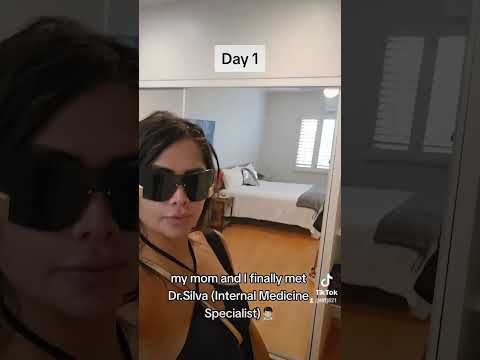
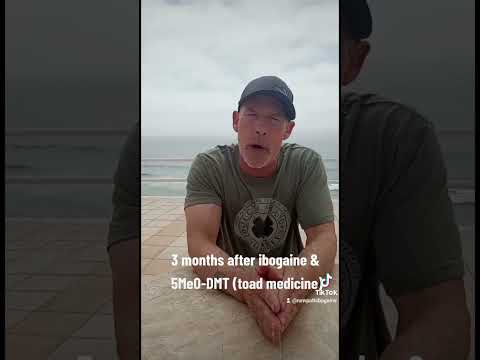
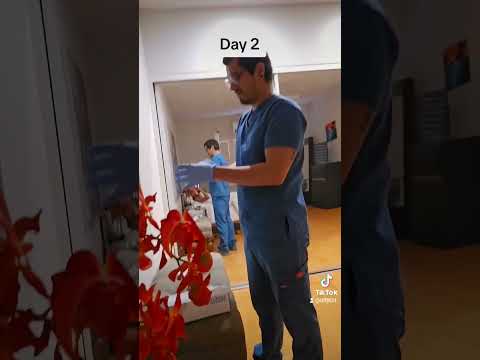
Personal stories are powerful indicators of potential outcomes. The video testimonials below feature Parkinson's patients who have undergone Ibogaine therapy in Tijuana. Watch their accounts to hear about their improvements in tremors, rigidity, and mood, as well as their honest descriptions of the treatment experience itself. These stories provide a realistic view of the potential benefits and the supportive environment provided.

Insight: Look for testimonials that discuss "quality of life" improvements, such as better sleep and reduced brain fog.

Verified reviews help distinguish professional medical centers from informal providers. In this section, read feedback from patients and their families who chose Tijuana for this specialized care. Their reviews often highlight the professionalism of the medical staff, the comfort of the facilities, and the level of post-treatment support—crucial factors when undergoing such a unique therapy.

Review Tip: Pay attention to comments regarding the "preparation phase" and how well the clinic communicated medical requirements.

Is Ibogaine treatment safe?

Ibogaine carries specific risks, primarily cardiac (QT prolongation), which can cause irregular heartbeats. It is only safe when administered in a medical setting with continuous cardiac monitoring, electrolytes support, and a team of doctors ready to intervene. Legitimate clinics in Tijuana perform rigorous pre-screening (EKG, stress tests, blood work) to ensure you are a safe candidate before administering any dosage.

Is it legal to receive Ibogaine in Mexico?

Yes. Unlike the United States where it is a Schedule I substance, Ibogaine is unscheduled and legal in Mexico. This allows medical professionals to administer it in clinical settings without legal risk. However, it is illegal to transport Ibogaine back into the United States. All treatment must be concluded within the facility in Mexico.

How does Ibogaine help with Parkinson's Disease?

Research suggests Ibogaine stimulates the expression of GDNF (Glial Cell Line-Derived Neurotrophic Factor) in the brain. GDNF supports the survival and regeneration of dopaminergic neurons, which are lost in Parkinson's. Patients often report "resetting" their tolerance to Parkinson's medications (like Levodopa), reducing dyskinesia, and improving mood and motor function for months after treatment.

Does it cure Parkinson's Disease?

No, currently there is no known cure for Parkinson's. Ibogaine is considered a symptom management and regenerative therapy. The goal is to improve quality of life, reduce medication dependency, and potentially slow progression by stimulating neurotrophic factors. Results vary by individual, and it should be viewed as a complementary therapy, not a total cure.

How much does the treatment cost?

The average cost for a medical Ibogaine program in Tijuana ranges from $5,000 to $9,000 USD. This price reflects the intense medical resources required: 24/7 nursing, board-certified doctors, cardiac monitoring, hospital accommodation, and post-care support. Be wary of significantly cheaper options, as they likely lack the necessary safety equipment.

Are there side effects?

Yes. Common acute side effects during the treatment include ataxia (loss of coordination), nausea/vomiting, light sensitivity, and intense dream-like visions (the "psychedelic" phase). Patients are confined to bed during the active phase for safety. Lingering effects like fatigue or "glow" (elevated mood) can last for days. The medical team manages nausea and hydration throughout the process.

How long do I need to stay at the clinic?

Most Parkinson's protocols require a stay of 5 to 10 days. This is longer than addiction protocols because Parkinson's patients often require a "low dose" cumulative approach rather than one large "flood dose" to ensure safety and stability. This duration allows for pre-treatment stabilization, the treatment itself, and adequate recovery time before traveling.

Do I need to stop my Parkinson's medication?

This is a critical medical decision. Generally, some medications may need to be tapered or timed specifically to avoid interactions. However, you should never stop medication without direct instruction from the clinic's medical director. The doctors will create a customized plan for you based on your specific medication regimen to ensure safety.

What are the exclusion criteria?

Patients with certain pre-existing heart conditions (like prolonged QT interval, history of heart attack, or arrhythmia), severe liver kidney impairment, or active psychosis are typically excluded for safety reasons. This is why the pre-screening process, including EKG and comprehensive blood panels, is non-negotiable at reputable clinics.

Why Tijuana instead of other locations?

Tijuana offers the unique combination of legality, proximity to the US (easy travel via San Diego), and advanced medical infrastructure. Clinics here have years of experience specifically with medical Ibogaine, adhering to hospital standards that are difficult to find in other countries where the substance might be legal but unregulated.

How much is an ibogaine treatment in Tijuana, Mexico?

Ibogaine treatment is a form of alternative therapy sought by individuals primarily for addiction, particularly opioid addiction. It involves the use of ibogaine, a psychoactive substance derived from the Tabernanthe iboga plant, which is native to West Africa. Many people travel to Tijuana, Mexico, for this treatment due to its availability and the comprehensive programs offered by various clinics. This therapy is believed to help interrupt addiction by reducing withdrawal symptoms and cravings, and often providing psychological insights. The allure of ibogaine therapy in Tijuana often comes down to a combination of accessibility, the holistic approach many clinics take, and the cost compared to potential long-term addiction expenses. While not a universally recognized or legal treatment in all countries (it's a Schedule I substance in the US), Mexico has become a prominent destination for those seeking this alternative path to recovery. Understanding the nuances of this treatment, especially its financial aspects, is crucial for anyone considering it. How much is an ibogaine treatment in Tijuana, Mexico? "The cost of an ibogaine treatment in Tijuana, Mexico, typically ranges from $5,000 to $10,000 USD, though some extended or luxury programs can be higher." This price can fluctuate significantly based on several factors. Standard clinics might offer packages at the lower end of this spectrum, focusing on the core treatment and essential medical supervision. More comprehensive or luxury facilities, offering additional therapies, private accommodations, and extended stays, can command prices upwards of $15,000 or even $20,000. It's vital to get a clear breakdown of what is included in the quoted price from any clinic you are considering. What factors influence the cost of ibogaine treatment in Tijuana? "Several factors influence the price of ibogaine therapy in Tijuana, including the clinic's reputation and level of medical supervision, the duration of the program, the inclusiveness of aftercare services, and the standard of accommodation and amenities provided." The expertise of the medical staff, including doctors and nurses experienced in administering ibogaine and managing potential complications, plays a significant role. Longer programs, which might include pre-treatment detox and more extensive post-treatment support, will naturally cost more. Some clinics bundle services like nutritional support, psychological counseling, and complementary therapies (yoga, meditation) into their packages, affecting the overall ibogaine treatment cost. The quality of the facility itself – whether it’s a basic clinical setting or a more resort-like environment – also impacts the price. What is ibogaine treatment used for? "Ibogaine treatment is primarily used to address substance use disorders, especially addiction to opioids (like heroin, fentanyl, and prescription painkillers), and it's also explored for conditions like alcohol and cocaine dependence, and even some psychological conditions like PTSD and depression." The core appeal of ibogaine lies in its reported ability to significantly reduce or eliminate acute withdrawal symptoms from opiates. Many individuals also report a drastic reduction in cravings for weeks or months post-treatment. Beyond addiction, some research and anecdotal reports suggest potential benefits for mood disorders and trauma, attributing this to the deep psychological insights that can occur during the psychoactive experience. Is ibogaine treatment legal in Mexico? "Yes, ibogaine treatment is not prohibited in Mexico, which allows clinics to operate, particularly in border cities like Tijuana. However, it's important to note that it is not a federally regulated medical treatment in the same way as conventional pharmaceuticals." While legal to administer, the regulatory landscape means the quality and safety standards can vary between clinics. This makes thorough research by prospective patients absolutely essential. Unlike countries where it might be under strict medical trial protocols or completely banned (like the United States, where it is a Schedule I drug), Mexico's stance allows for greater accessibility. How safe is undergoing ibogaine treatment in Tijuana? "The safety of ibogaine treatment in Tijuana largely depends on the chosen clinic's medical screening, protocols, and the experience of their staff; while many clinics operate safely, ibogaine carries inherent risks, including cardiac complications." Ibogaine can affect heart rhythm (specifically QT interval prolongation), which can be dangerous, especially for individuals with pre-existing heart conditions. Reputable clinics conduct thorough pre-treatment medical evaluations, including EKGs, to assess a candidate's suitability. Continuous medical monitoring during and immediately after the ibogaine administration is crucial. Choosing a clinic with qualified medical personnel and emergency protocols is paramount to mitigating risks. How long does an ibogaine treatment program in Tijuana typically last? "A typical ibogaine treatment program in Tijuana can range from 5 to 12 days, with some clinics offering shorter intensive sessions and others providing more extended programs that can last several weeks, including detox and aftercare planning." The shortest programs usually focus on the ibogaine session itself and immediate recovery, often lasting around 7-10 days. Longer programs may incorporate a medically supervised detoxification period before the ibogaine, especially for substances like methadone or Suboxone, which require a transition. Extended stays also allow for more in-depth aftercare planning and integration of the experience. What is generally included in the cost of ibogaine treatment in Tijuana? "The cost of ibogaine treatment in Tijuana typically includes the ibogaine session itself, pre-treatment medical screening, 24/7 medical supervision during and immediately after the session, accommodation, and meals. Some clinics also include aftercare planning and initial follow-up support." More comprehensive packages might also offer: Psychological counseling or therapy sessions Nutritional support and specialized diets Complementary therapies (e.g., yoga, meditation, massage) Airport pick-up and drop-off Post-treatment booster doses, if deemed necessary It's crucial to confirm exactly what services are covered to avoid unexpected additional expenses. What are the success rates of ibogaine treatment in Tijuana? "Defining success rates for ibogaine treatment in Tijuana is complex as 'success' can be subjective; however, studies and anecdotal reports suggest that a significant percentage of individuals experience a reduction in withdrawal symptoms and cravings, with some achieving long-term abstinence, though relapse can still occur." One study on patients treated in Mexico (between 2012-2015) showed 80% reported ibogaine eliminated or drastically reduced withdrawal symptoms, and 50% reported reduced cravings. Thirty percent reported never using opioids again after treatment. However, 70% did report relapse at some point, though many of those still experienced decreased use. Success is often tied to the individual's commitment to aftercare and lifestyle changes. How do I choose a reputable ibogaine clinic in Tijuana? "To choose a reputable ibogaine clinic in Tijuana, thoroughly research their medical staff's credentials, safety protocols, emergency procedures, request to see lab tests for ibogaine purity, read patient testimonials, and ensure they operate transparently from a proper medical facility." Look for clinics with experienced medical doctors and nurses. Inquire about their pre-treatment screening process and what medical equipment they have on-site. Ask for testimonials or if you can speak to former patients. Be wary of clinics making unrealistic guarantees or using high-pressure sales tactics. Transparency about their ibogaine source and purity (e.g., via mass spectrometry tests) is also a good sign. What are the potential risks and side effects of ibogaine treatment? "Potential risks of ibogaine treatment include cardiac arrhythmias (irregular heartbeat), seizures, low blood pressure, ataxia (loss of muscle control), nausea, vomiting, and psychological distress such as anxiety or prolonged hallucinations. In rare cases, fatalities have occurred." Ibogaine is a powerful psychoactive substance with significant physiological effects. Pre-existing heart conditions, certain medications, and incorrect dosing can increase these risks. Common side effects during the experience can include nausea, vomiting, and difficulty with coordination. The psychoactive experience itself can be intense and sometimes challenging. Thorough medical screening and experienced medical supervision are critical to minimize these risks. What kind of aftercare and support is available post-treatment in Tijuana? "Many ibogaine clinics in Tijuana offer aftercare planning, which may include referrals to therapists or sober living environments, and some provide a limited number of follow-up therapy sessions or booster doses. However, long-term aftercare is typically the patient's responsibility." Ibogaine aftercare is considered crucial for long-term success. While the treatment can interrupt addiction, it doesn't "cure" it. Aftercare plans often involve lifestyle changes, ongoing therapy (individual or group), support groups (like SMART Recovery or 12-step programs), and strategies to avoid triggers. Some clinics help facilitate these plans or partner with aftercare providers. How should I prepare for an ibogaine treatment journey in Mexico? "Preparing for an ibogaine treatment journey in Mexico involves thorough medical checks, being honest with the clinic about your substance use and health history, arranging travel and finances, and setting clear intentions for your recovery. It's also advisable to plan for post-treatment support." Clinics will usually provide a list of medical tests required beforehand. It's vital to abstain from certain substances for a specified period before treatment, as instructed by the clinic. Mentally preparing for an intense experience and being open to change is also important. Logistically, ensure your passport is valid and you understand any travel advisories for Mexico. Are there alternative treatments to ibogaine? "Yes, there are many alternatives to ibogaine treatment for addiction, including conventional medical detox, medication-assisted treatment (MAT) with drugs like methadone, buprenorphine, or naltrexone, behavioral therapies (CBT, DBT), 12-step programs, SMART Recovery, and other psychedelic-assisted therapies being researched (e.g., psilocybin, ketamine)." The best treatment approach varies by individual. Conventional treatments often have more extensive scientific backing and regulatory approval. Exploring all available options and discussing them with healthcare professionals is recommended before deciding on a course of action for addiction treatment. What do patient reviews and testimonials say about ibogaine treatment in Tijuana? "Patient reviews for ibogaine treatment in Tijuana are often mixed but frequently highlight profound experiences, significant reduction in withdrawal and cravings, and a "reset" feeling. Negative reviews, when they appear, can relate to unmet expectations, facility conditions, or insufficient medical oversight at less reputable clinics." Many testimonials describe the experience as life-changing and a pivotal moment in their recovery. Patients often speak of gaining new perspectives on their addiction and life. However, it's important to approach testimonials with a critical eye, looking for patterns and verifying sources where possible. The intensity of the experience is a common theme, as is the importance of the clinic's staff and environment. What are the logistics of traveling to Tijuana for ibogaine treatment? "Traveling to Tijuana for ibogaine therapy typically involves flying into San Diego International Airport (SAN), as it's very close to the border. Most clinics offer pick-up services from San Diego. Ensure you have a valid passport and check current visa requirements for Mexico if applicable." Many clinics assist with coordinating travel from the San Diego airport to their facility in Tijuana. It's advisable to communicate clearly with the clinic about your travel plans. Consider travel insurance and be aware of customs regulations. The ease of crossing the border can vary, so allow ample time. Ready to explore your healthcare options further? PlacidWay can help you connect with various medical tourism opportunities and healthcare services worldwide. Discover solutions tailored to your needs today!

Safety in Ibogaine therapy is entirely dependent on the medical team. We have identified top specialists in Tijuana who are licensed Medical Doctors (MDs), not just facilitators. These professionals have specific training in ACLS (Advanced Cardiac Life Support) and extensive experience in administering Ibogaine for complex medical conditions. Reviewing these profiles will help you find a doctor who prioritizes safety above all else.

1

Board-Certified Physicians

Specializing in Emergency Medicine & Toxicology

Top clinics are led by doctors with backgrounds in emergency medicine. This expertise is crucial for interpreting cardiac data in real-time and managing any physiological responses during the treatment session.

2

Integrative Neurologists

Focused on Neuroregeneration

Some centers collaborate with neurologists to track patient progress. These specialists focus on the long-term benefits of GDNF stimulation and help design post-treatment protocols to maximize the "window of neuroplasticity" opened by Ibogaine.

3

Clinical Psychologists

Supporting the Psychological Journey

The Ibogaine experience can be psychologically intense. Skilled therapists or psychologists are on staff to help patients integrate the experience, processing any emotional release or insights gained during the treatment to improve overall mental well-being.

1

Legal & Regulated Environment

The primary driver is legality. Because Ibogaine is unregulated in Mexico, it can be administered in licensed hospitals rather than underground settings. This allows for a level of medical safety—including IV fluids, cardiac monitors, and emergency meds—that is impossible in countries where it is banned.

Patients get the benefit of a potent therapy without the legal risk or safety compromise.

2

Accessibility from the US

Tijuana is effectively a suburb of San Diego for medical tourists. Patients can fly domestically into San Diego (SAN) and take a short 20-minute private shuttle directly to the clinic.

This eliminates the need for long-haul international flights, which can be difficult for patients with mobility issues related to Parkinson's.

3

Experienced Clinical Teams

Tijuana has the highest concentration of Ibogaine clinics in the world. This means the medical teams here have accumulated more clinical hours and experience managing complex cases than almost anywhere else.

This depth of experience is vital for tailoring dosages specifically for neurodegenerative conditions, which differ significantly from addiction protocols.

Considering alternative therapy requires careful research and safety assurances. PlacidWay connects you with vetted, medically responsible Ibogaine clinics in Tijuana to ensure your treatment is safe, legal, and professionally managed.

Safety Vetting

We only work with clinics that have on-site ACLS-certified medical staff, continuous cardiac monitoring, and proper emergency protocols in place.

Direct Medical Quotes

Get transparent, itemized quotes from top clinics, detailing costs for medical assessment, the treatment protocol, and accommodation.

Doctor Consultations

We facilitate initial calls with the medical director so you can discuss your specific Parkinson's history and medication list before traveling.

Logistics Coordination

Our partners handle the logistics, including private, secure transport from San Diego Airport across the border directly to the facility.

Patient Advocacy

We support you throughout the process, ensuring communication with the clinic is clear and that your safety and comfort are the top priority.

Explore the potential of regenerative medicine safely. Contact PlacidWay today for a free, confidential consultation and quote for Ibogaine therapy in Tijuana.

Get Your Free Personalized Quote

Ibogaine Treatment for Parkinson’s Disease in Tijuana, Mexico thumbnail

About Experience