
.png)
Contents
Mexico has emerged as a leading destination for individuals seeking privacy, dignity, and effective care for substance abuse and mental health challenges. Particularly in the Baja California region (Rosarito, Ensenada) and resort areas like Cancun, luxury rehabilitation centers offer a level of comfort and personalized attention that is often prohibitively expensive in the United States or Europe. These facilities combine evidence-based medicine (medical detox, CBT, DBT) with holistic therapies to treat the whole person, not just the addiction.
The approach in Mexico is often more flexible and integrative than strict 12-step programs found elsewhere. Centers here specialize in Dual Diagnosis treatment, addressing underlying mental health issues such as anxiety, depression, or PTSD alongside the addiction. This comprehensive care is delivered by multidisciplinary teams of board-certified psychiatrists, addictionologists, and nutritionists, many of whom are US-trained.
Privacy is a cornerstone of the Mexican rehab experience. Facilities are typically located in gated, oceanfront estates or secluded haciendas, providing a sanctuary away from the triggers of daily life. The cost-effectiveness of treatment in Mexico allows patients to extend their stay—often crucial for long-term sobriety—without the financial strain associated with US luxury rehabs.
Choosing addiction treatment in Mexico means embarking on a journey of healing in a supportive, culturally warm, and therapeutic environment where your recovery is the sole priority.
Did You Know?
Many rehab centers in Mexico pioneered "Integrative Medicine" for addiction long before it became a trend globally. This involves combining traditional clinical detox with restorative practices like Equine Therapy, Yoga, Meditation, Art Therapy, and nutrient-rich organic diets to repair the body's neurochemistry naturally.
Key Insights at a Glance
Luxury inpatient treatment costs 60-80% less than comparable facilities in Malibu or Florida.
Expertise in treating co-occurring disorders (anxiety, depression) alongside substance use.
Locations in private, gated communities ensure anonymity for professionals and high-profile clients.
Top centers operate entirely in English with staff who understand North American cultural nuances.
Access to innovative therapies like NAD+ IVs, hyperbaric oxygen, and extensive nutritional support.
Many programs offer family therapy weeks or workshops to heal relationships and build a support system.
Healing by the Sea
The Baja California coastline, just south of San Diego, is home to a concentration of luxury rehab centers known as the "Recovery Riviera." The soothing sound of the ocean and the consistent sunshine are considered active components of the therapeutic process, helping to regulate sleep patterns and boost serotonin levels naturally.
Recovery is best achieved when you don't have to worry about the details. Leading rehab centers in Mexico offer 30, 60, or 90-day all-inclusive packages. These typically cover medically supervised detox, individual and group therapy sessions, psychiatric evaluation, luxury accommodation, chef-prepared organic meals, and recreational activities. Many also include holistic extras like massage, acupuncture, and weekend excursions. Review the options below to find a sanctuary that fits your needs.
Note: Look for packages that include a detailed "Aftercare Plan" to support your transition back home.

Price starting from $11,500
Ibogaine Treatment for Addiction Mexico by Dr. David Dardashti in Playa Del Carmen
Ibogaine by David Dardashti
- Addiction Treatment
Cancun,Playa Del Carmen, Mexico
In the US, luxury inpatient rehab can cost upwards of $30,000 to $60,000 per month. In Mexico, you can access comparable luxury facilities and clinical expertise for $5,000 to $15,000 for a 30-day program. This significant price difference allows many patients to pay out-of-pocket for high-quality care that insurance might not fully cover at home, or to extend their stay for better long-term outcomes.
Tip: Some clinics accept US PPO insurance policies; always ask about reimbursement options.
Addiction Treatment Centers Cost Comparison in Mexico
| Provider | Procedure | Price |
|---|---|---|
| Ibogaine by David Dardashti | Addiction Treatment, Addiction Treatment | $11500 |
We partner with fully licensed and accredited rehabilitation centers, primarily in Baja California and other safe resort zones. These facilities range from intimate, boutique-style homes to larger, resort-like campuses. They are staffed by licensed psychologists, psychiatrists, and medical doctors who specialize in addiction medicine. Explore the profiles below to see the amenities, therapy options, and staff credentials.
Standard: Choose centers accredited by CONADIC (National Council Against Addictions) in Mexico for assured quality standards.

Ibogaine by David Dardashti
Cancun,Playa Del Carmen, Mexico
Ibogaine Cancun
Cancun, Mexico
Recovery stories are powerful. The video testimonials below feature individuals who found sobriety and a new lease on life through treatment in Mexico. They discuss the compassionate nature of the staff, the beauty of the facilities, and how the holistic approach helped them break the cycle of addiction. These authentic voices provide hope and insight into what you can expect.
Insight: Listen for comments about the "individualized attention" which is often higher due to lower staff-to-patient ratios.
Verified reviews from alumni highlight the effectiveness of the programs and the caring environment. Many former patients emphasize the dignity with which they were treated and the quality of the medical detox process. High ratings for facility comfort, food quality, and therapist expertise are consistent themes in reviews for our partner centers.
Review Tip: Look for reviews that mention long-term sobriety success, as this is the ultimate measure of a program's quality.

PTSD Treatment in Mexico – Costs, Clinics & Recovery Options
PTSD treatment in Mexico typically includes intensive psychotherapy, medication management, and residential wellness programs. Costs generally range from $4,000 to $12,000 per month, offering a more affordable option for international patients seeking professional psychiatric care in a focused, away-from-home environment. Post-Traumatic Stress Disorder (PTSD) is a complex mental health condition that requires specialized, compassionate, and evidence-based care. For individuals seeking intensive therapy, stepping away from daily triggers can be a crucial part of the healing process. In recent years, many patients have looked beyond their local healthcare systems to explore residential and outpatient programs abroad. Navigating the options for trauma recovery requires careful consideration of facility standards, therapy modalities, and individual medical needs. This guide explores what you can expect when considering treatment south of the border, focusing on clinical standards, estimated expenses, and how to approach recovery safely and responsibly. Key Takeaways Treatment typically combines evidence-based therapies, such as Cognitive Behavioral Therapy (CBT) and EMDR, with holistic recovery practices. Residential programs often estimate costs at roughly 40% to 60% less than equivalent facilities in the US or Canada. Many specialized clinics cater specifically to English-speaking international patients, providing bilingual medical staff. Treatment durations usually range from 14 to 90 days, depending on the severity of symptoms and psychiatric recommendations. Comprehensive aftercare planning and local follow-up are critical for maintaining long-term recovery upon returning home. What exactly does a PTSD treatment program involve? A comprehensive PTSD treatment program involves psychological evaluation, individualized psychotherapy, coping skill development, and sometimes medication management, all delivered in a structured environment. When you enter a reputable clinical program, the process begins with an in-depth psychiatric and medical assessment. This evaluation helps the medical team understand your specific trauma history, identify any co-occurring conditions (such as depression, anxiety, or substance use disorders), and tailor a treatment plan specifically for you. Daily routines in a residential setting are highly structured. Patients typically participate in individual therapy sessions, group counseling, and psychoeducation classes. Evidence-based therapies focus on helping the brain process traumatic memories, reducing hyperarousal, and managing the physical and emotional responses to stress triggers. Additionally, medical staff will review any current psychiatric medications. Depending on your symptoms, a psychiatrist may adjust dosages, introduce new medications to help manage severe anxiety or sleep disturbances, or help you safely taper off medications that are no longer serving you well. How much does a PTSD treatment cost in Mexico? Residential PTSD treatment in Mexico typically costs between $4,000 and $12,000 per month, depending on the facility's amenities, geographical location, and the intensity of clinical care provided. Cost is frequently a primary factor for individuals exploring international healthcare options. In North America, a 30-day stay at a private residential mental health facility can easily range from $15,000 to over $40,000, often placing it out of reach for those without extensive insurance coverage. The lower cost of living, reduced administrative overhead, and different healthcare economics in Mexico allow facilities to offer similar clinical services at a reduced price. However, prices vary widely. A basic clinical setting will fall on the lower end of the spectrum, while luxury facilities offering private suites, gourmet meals, and extensive holistic therapies will be priced at the higher end. Treatment Type (30 Days) Estimated Cost in US/Canada Estimated Cost in Mexico Standard Residential Program $15,000 - $25,000 $4,000 - $7,000 Luxury/Executive Residential $30,000 - $60,000+ $8,000 - $12,000+ Intensive Outpatient (IOP) $3,000 - $8,000 $1,500 - $3,500 Note: The prices listed above are estimates. Actual costs vary based on individualized treatment plans, medication needs, and specific facility fee structures. What types of therapies are available for trauma in Mexico? Facilities generally offer a blend of traditional evidence-based modalities, such as EMDR and CBT, alongside holistic therapies designed to regulate the nervous system. Effective trauma recovery requires a multifaceted approach. Reputable clinics will focus heavily on recognized psychotherapeutic modalities: Eye Movement Desensitization and Reprocessing (EMDR): A highly regarded therapy that helps patients reprocess traumatic memories, reducing their lingering emotional impact. Cognitive Behavioral Therapy (CBT): Focuses on identifying and changing negative thought patterns and behaviors linked to trauma. Dialectical Behavior Therapy (DBT): Often used to teach emotional regulation, distress tolerance, and mindfulness, which are critical for trauma survivors. Somatic Experiencing: A body-focused therapy that helps release trauma energy trapped in the nervous system. Because trauma affects both the mind and the body, many programs also incorporate supplementary approaches such as art therapy, equine therapy, and somatic movement. These should complement, rather than replace, clinical psychological care. How do I choose a reputable PTSD treatment clinic in Mexico? Selecting a trusted clinic requires verifying the credentials of the psychiatric staff, confirming facility accreditations, and ensuring the program employs evidence-based, trauma-informed care. Not all facilities offer the same level of care. When researching options, it is vital to distinguish between a "wellness retreat" and a licensed clinical facility. A true mental health treatment center will be licensed by Mexican health authorities, such as COFEPRIS (Federal Commission for the Protection against Sanitary Risk). Ask prospective clinics direct questions about their staff. You should confirm that therapy is provided by licensed psychologists and that medical care is overseen by board-certified psychiatrists. Request information on staff-to-patient ratios, emergency protocols, and their specific experience in treating complex trauma rather than just general mental health or addiction. Important Consideration Be wary of facilities promising rapid "cures" or heavily promoting experimental therapies without appropriate psychiatric supervision. True trauma recovery is a gradual process that requires professional, evidence-based management. Are mental health facilities in Mexico safe for international patients? Reputable clinics catering to international patients generally maintain high safety standards, secure private environments, and 24/7 medical supervision to ensure patient well-being. Patient safety is a natural concern when traveling abroad for healthcare. High-quality residential centers in popular medical destinations (such as Baja California, Jalisco, or Quintana Roo) are typically located in secure, gated environments designed to provide a peaceful setting for recovery. Clinically, safety means having nurses available around the clock, psychiatric oversight for medication management, and strict protocols for mental health crises. Before committing to a program, verify that the facility has direct partnerships with local hospitals in case of physical medical emergencies. Will language barriers affect my therapy sessions in Mexico? Many private mental health centers focused on international patients employ bilingual or native English-speaking therapists and psychiatrists to ensure clear communication. Psychotherapy relies entirely on nuance, emotional expression, and deep communication. Undertaking trauma therapy with a language barrier would be highly ineffective and potentially frustrating. Fortunately, clinics that specialize in treating Americans and Canadians proactively staff their facilities with fluent English speakers. During your initial consultation, you will likely speak with the intake coordinator or lead therapist. This is an excellent time to gauge their communication skills and ensure you feel comfortable and understood. All medical documents, consent forms, and treatment plans should also be provided in your native language. How long should I stay at a residential trauma center? Most mental health professionals recommend a minimum stay of 28 to 30 days for residential treatment, though intensive outpatient options or longer 90-day programs may be suggested based on individual needs. Trauma recovery is not an overnight process. A 30-day program is often the baseline required to complete a thorough psychiatric evaluation, safely adjust medications, and begin the intensive work of processing trauma in a stabilized environment. For individuals with complex PTSD, long-standing symptoms, or co-occurring substance use disorders, a 60- to 90-day stay may be more appropriate. Longer stays provide the time necessary to practice emotional regulation skills and build resilience before returning to the stresses of daily life. Can I combine psychiatric care with alternative wellness therapies? Yes, a major appeal of seeking care in Mexico is the availability of integrated programs that combine clinical psychiatry with supportive holistic practices like yoga, meditation, and nutritional counseling. Many patients find that clinical therapy alone can feel overwhelming. Integrated treatment centers blend traditional medical care with wellness practices designed to soothe the nervous system. You may participate in morning yoga, mindfulness meditation, breathwork classes, or acupuncture alongside your daily psychotherapy sessions. It is important to remember that these wellness practices are supplementary. While they can greatly enhance your overall well-being and help manage anxiety symptoms, they do not replace the need for professional psychiatric care and evidence-based trauma processing. How does medical tourism in Mexico work for mental health? Traveling for mental healthcare involves coordinating treatment plans in advance, arranging secure transport, and committing to an intensive away-from-home healing environment. Unlike traveling for a brief dental procedure, mental health tourism requires significant planning and commitment. The process usually begins with virtual consultations, where you will discuss your medical history and treatment goals with the facility's clinical team. Once accepted into a program, the clinic will guide you through the preparation process. Reputable clinics often assist with logistics, such as arranging private, secure transportation from the nearest international airport directly to the facility. This ensures a smooth, stress-free transition from the moment you arrive in the country until you are settled into your therapeutic environment. What happens when I return home after residential PTSD treatment? Returning home requires a robust aftercare plan, including continued outpatient therapy, local psychiatric follow-ups, and support group integration to maintain the progress achieved abroad. Discharge from a residential program is a transition, not a finish line. The clinical team in Mexico should work with you during your final weeks to develop a comprehensive aftercare strategy. Returning to the environment where the trauma occurred or where stress triggers exist can be challenging. Before you leave, you should have appointments scheduled with a local therapist and a psychiatrist in your home country. Some facilities in Mexico offer virtual step-down programs or alumni support groups, allowing you to stay connected with your primary therapist via telehealth while you transition back to daily life. Why Choose PlacidWay for Medical Tourism in Mexico? Researching international mental healthcare options can be complex. PlacidWay serves as a resource for patients exploring treatments abroad by offering the following educational services: Global Network Access: PlacidWay connects patients with a wide directory of international healthcare facilities, including mental health and wellness centers in Mexico. Facility Information: The platform provides details on clinic accreditations, available treatments, and staff credentials to help you research options. Comparison Tools: Patients can review different programs side-by-side to understand variations in amenities, therapeutic approaches, and estimated costs. Consultation Facilitation: PlacidWay helps initiate direct communication between you and international healthcare providers to discuss your specific needs. Multilingual Resources: Information and support resources are available to help international patients navigate their healthcare journey clearly. Frequently Asked Questions Is EMDR available at Mexican mental health clinics? Yes, many reputable mental health clinics in Mexico offer Eye Movement Desensitization and Reprocessing (EMDR) therapy, as it is a globally recognized, evidence-based treatment for trauma and PTSD. Do Mexican rehabs treat complex PTSD (C-PTSD)? Many residential facilities in Mexico specialize in treating complex trauma and dual-diagnosis conditions. However, patients should verify that a clinic has licensed psychiatric staff experienced specifically with C-PTSD before enrolling. Can I use my health insurance for mental health treatment in Mexico? Most international patients pay out-of-pocket for treatment in Mexico. While some specific PPO insurance plans may offer partial reimbursement for out-of-network international care, this is rare and requires pre-approval from your provider. What is the difference between a wellness retreat and a clinical PTSD program? A clinical program is overseen by licensed medical professionals, psychiatrists, and psychologists providing evidence-based therapies and medication management. A wellness retreat focuses on relaxation and holistic practices (like yoga and meditation) but does not provide clinical psychiatric care. Are psychiatric medications prescribed in Mexico the same as in the US? The active pharmaceutical ingredients are generally the same, though medications may be sold under different brand names. A licensed psychiatrist in Mexico will review your current prescriptions and manage your medication during your stay. How quickly can I be admitted to a treatment program? Admission timelines vary by facility. Once an initial virtual assessment and medical clearance are completed, patients can often be admitted within a few days to a few weeks, depending on bed availability. Can family members accompany me during treatment? This depends on the facility's policies. Some inpatient programs require patients to focus entirely on themselves initially, while others offer designated family therapy weeks or allow loved ones to stay nearby in outpatient settings. What if I experience a mental health crisis while traveling? Reputable clinical facilities are equipped with 24/7 medical and psychiatric staff to handle crises. If an emergency occurs during transit, patients should seek immediate help at the nearest emergency room or contact local emergency services. Do I need a visa to enter Mexico for a 30-day treatment? Citizens of the United States and Canada typically do not need a visa for stays up to 180 days. They are usually granted a tourist permit (FMM) upon arrival, which covers short-term medical travel. How do I transition back to work after a residential program? A successful return to work usually involves a comprehensive aftercare plan. This often includes stepping down to an intensive outpatient program (IOP), engaging in regular therapy, and sometimes requesting workplace accommodations or a phased return. Compare Treatment Options Explore facility options, compare estimated costs, and gather the information you need to make an informed decision about your mental healthcare. Request Treatment Information References Clinical Practice Guideline for the Treatment of Posttraumatic Stress Disorder (PTSD) – American Psychological Association (APA) Post-Traumatic Stress Disorder – National Institute of Mental Health (NIMH) Medical Tourism: Travel for Medical Care – Centers for Disease Control and Prevention (CDC) Mental Health and Trauma – World Health Organization (WHO) About EMDR Therapy – EMDR International Association Post-Traumatic Stress Disorder (PTSD) and Complementary Health Approaches – National Center for Complementary and Integrative Health (NCCIH) Medical Disclaimer: The information provided in this article is for educational and informational purposes only and does not constitute medical or psychiatric advice. Mental health treatment, including psychotherapy and psychiatric medication management, requires careful evaluation by a qualified healthcare professional. Outcomes, recovery timelines, and suitability for treatment abroad vary significantly depending on the individual's specific condition and medical history. Never disregard professional medical advice or delay in seeking it because of something you have read here. Always consult with a licensed psychiatrist or physician to discuss your options, risks, and required aftercare before making decisions regarding mental health treatment.
How Much is Ibogaine Treatment in Mexico for PTSD? Price Details and What’s Included
The Ibogaine treatment cost in Mexico for PTSD typically ranges from $5,000 to $12,000. This price generally covers extensive medical screening, physician-supervised administration, psychological integration, and luxury accommodation for a 5 to 10-day stay. Key Takeaways: Cost and Care Details Comprehensive Packages: Costs are generally all-inclusive, covering medical, therapeutic, and hospitality needs. Medical Oversight: Prices reflect the presence of cardiologists and emergency-trained medical teams. Integration Support: Quality programs dedicate significant resources to pre- and post-session psychotherapy. Facility Tiers: Pricing varies largely based on whether the facility is a clinical hospital setting or a luxury wellness resort. Tailored Protocols: Trauma-specific dosing regimens differ from severe addiction protocols, often influencing the final cost. What exactly is included in the Ibogaine treatment cost in Mexico for PTSD? The comprehensive fee covers pre-treatment cardiological exams, the active medicine, 24-hour medical monitoring, specialized psychotherapy, private lodging, and carefully curated nutrition designed to support neurogenesis. When you invest in this profound therapeutic journey, you are not simply paying for the plant derivative itself. A reputable Ibogaine treatment clinic in Mexico structures its pricing to reflect a highly controlled, medically intensive environment. The largest portion of your fee ensures that licensed doctors, emergency responders, and experienced integration coaches are entirely dedicated to your case throughout the active experience and recovery phase. Below is a detailed breakdown of what standard luxury packages include to help you understand the value behind the investment. It is crucial to remember that cutting costs in this specific field often means compromising on vital safety measures. Service Component Cost Status Description Medical Diagnostics Included Comprehensive EKGs, liver function tests, and blood chemistry panels. Clinical Supervision Included Continuous heart rate monitoring by ACLS-certified medical staff. Psychotherapy Included Pre-session intention setting and post-session trauma integration. Hospitality & Nutrition Included Private suites and brain-boosting organic meals prepared by chefs. Why do patients choose Ibogaine treatment in Mexico for trauma and PTSD? Patients travel south because the therapy is unregulated and legally accessible, allowing world-class medical professionals to administer the treatment openly. It offers a profound neurological reset that traditional talk therapy and SSRIs often fail to achieve. Post-traumatic stress disorder creates deep, rigid neural pathways that keep the brain trapped in a state of hyperarousal and constant threat detection. Many individuals spend years trying conventional psychiatric medications and cognitive behavioral therapies with limited success. The decision to seek out Ibogaine treatment in Mexico stems from the medicine's unique ability to interrupt these rigid pathways and promote rapid neuroplasticity. The core active alkaloid interacts with multiple neurotransmitter systems simultaneously. It promotes the release of glial cell line-derived neurotrophic factor, essentially acting as a fertilizer for new, healthy neural connections. Patients frequently report that the experience allows them to view their traumatic memories objectively, stripping away the visceral emotional pain associated with the past events. Furthermore, the geographical proximity to the United States and Canada makes it highly convenient. The growing infrastructure supporting medical tourism in Mexico ensures that visiting patients have access to internationally accredited safety standards, English-speaking clinical staff, and tranquil environments highly conducive to profound emotional healing. Did You Know? Many combat veterans who suffer from treatment-resistant trauma describe the experience as packing ten years of intensive psychotherapy into a single night. The process allows them to process grief and survivor guilt from a state of deep emotional detachment. How does a standard Ibogaine treatment clinic in Mexico ensure patient safety? Top-tier clinics mandate rigorous pre-screening, employ licensed cardiologists, and utilize continuous telemetry monitoring during the active phase. Emergency protocols and advanced life support equipment are always physically present in the treatment room. Safety is the most critical component of this intensive protocol. The root alkaloid can temporarily slow the heart rate and affect the electrical rhythm of the heart. To mitigate these risks, an elite Ibogaine treatment clinic in Mexico operates more like a boutique intensive care unit than a traditional spiritual retreat. Patient safety protocols begin weeks before arrival with comprehensive medical questionnaires and local blood testing. Once on-site, the physical environment is strictly controlled. Patients are connected to continuous EKG monitors, and intravenous lines are established prior to medicine administration. This allows the medical team to maintain hydration, balance electrolytes, and have immediate access for emergency medications should the patient experience any rare cardiovascular anomalies. Additionally, psychological safety is prioritized just as highly. The altered state of consciousness can be incredibly intense. Trained psychiatric nurses and experienced sitters remain by the bedside without interruption, providing grounding techniques and emotional reassurance to prevent panic or distress while the patient navigates their traumatic memories. What medical tests are required before undergoing Ibogaine treatment in Mexico? Patients must pass a comprehensive cardiovascular and metabolic screening. Mandatory tests include a resting 12-lead EKG, a complete metabolic panel, a complete blood count, and extensive liver and kidney function tests. Electrocardiogram Evaluation: A detailed EKG is the absolute non-negotiable requirement. Doctors specifically analyze the QT interval to ensure the heart rhythm is perfectly stable before administration. Complete Metabolic Panel: This test checks crucial electrolyte levels like potassium and magnesium, which must be perfectly balanced to prevent arrhythmias during the deep therapeutic state. Hepatic Function Panel: Because the liver metabolizes the plant medicine into its active secondary metabolite, doctors must confirm optimal liver health for safe processing and clearance. Substance Screening: Patients must be completely free of certain psychiatric medications like SSRIs and specific stimulants, requiring a carefully managed tapering process prior to admission. Psychological Assessment: Clinical psychologists conduct thorough evaluations to ensure the patient possesses the mental resilience necessary for the profound introspective journey ahead. How does the price of PTSD therapy compare to traditional medical tourism in Mexico? Unlike standard dental or cosmetic tourism which focuses on singular procedures, this therapy is an intensive multi-day residential program. The higher cost reflects the continuous psychiatric care, luxury room and board, and specialized physiological monitoring. When individuals research standard medical tourism in Mexico, they often expect massive cost savings compared to northern healthcare systems. While the Ibogaine treatment cost in Mexico is certainly more accessible than private luxury rehabs in the US or Europe, it remains a significant financial investment. The fundamental difference lies in the length and intensity of the required care. A typical cosmetic procedure involves a few hours in an operating room followed by hotel recovery. In contrast, trauma healing protocols demand a highly specialized team working around the clock for a week or more. The overhead costs for maintaining emergency medical equipment, a full staff of doctors and therapists, and organic culinary teams at a private retreat center are substantial. Furthermore, because the legal status allows these clinics to operate openly, they heavily invest in creating serene, high-end environments. The price incorporates the value of a distraction-free, profoundly supportive sanctuary where patients can focus entirely on rebuilding their psychological foundations without the stress of conventional hospital environments. Expert Insight Providers often note that treating trauma requires a distinctly different dosing strategy compared to opioid detox. The therapeutic goal is deep emotional unblocking rather than chemical receptor reset, which requires highly refined medicine purity and expert clinical pacing. What is the psychological integration process like at an Ibogaine treatment clinic in Mexico? Integration involves structured therapeutic sessions where patients analyze the visions and insights gained during the experience. Counselors help translate these profound neurological shifts into sustainable, healthy behavioral changes. The active hallucinogenic phase is merely the surgical intervention; integration is the physical therapy that follows. An elite Ibogaine treatment clinic in Mexico places immense emphasis on the days immediately following the medicine administration. The brain enters a highly neuroplastic state, creating a rare window of opportunity to establish new cognitive habits and dismantle trauma triggers. During the gray day (the day of profound physical fatigue post-treatment), patients rest while processing raw emotions. The subsequent days are filled with one-on-one sessions with trauma-informed therapists. They utilize techniques like somatic experiencing and cognitive reframing to help patients make logical sense of the abstract or intensely emotional visions they encountered. Without proper integration, the afterglow effect can fade, and old neural pathways can reassert themselves. The Ibogaine treatment cost in Mexico almost always includes comprehensive post-care planning. Clinics provide tools for mindfulness, emotional regulation, and ongoing virtual support networks to ensure the profound breakthroughs achieved in the clinical setting permanently transform the patient's daily life. Are there different facility tiers affecting the Ibogaine treatment cost in Mexico? Yes, prices vary significantly between standard clinical settings ($5,000 range) and luxury resort-style sanctuaries ($10,000+ range). The variance depends entirely on accommodation lavishness, privacy levels, and holistic add-ons. Standard Medical Tier: These facilities prioritize clinical excellence over lavish decor. You receive top-tier medical safety, shared or basic private rooms, and standard therapeutic care at the lower end of the pricing spectrum. Boutique Wellness Tier: Mid-range options often provide private beachfront or mountain suites, enhanced privacy, and a more intimate staff-to-patient ratio for deeply personalized emotional support. Executive Luxury Tier: Catering to high-net-worth individuals, these centers offer massive private villas, personal chefs, equine therapy, private yoga instructors, and extended integration programs. Complementary Therapies: Premium tiers often include advanced holistic bio-hacking tools like NAD+ IV drips, hyperbaric oxygen chambers, and customized peptide therapies to accelerate brain healing. Aftercare Duration: Higher costs frequently reflect extended post-treatment virtual counseling, sometimes providing weekly integration therapy for months after returning home. How long does the therapeutic effect of Ibogaine treatment in Mexico last for PTSD? The profound neuroplastic window generally lasts for three to six months post-treatment. However, with dedicated integration work and lifestyle changes, the psychological relief from trauma symptoms can become permanent. The immediate aftermath of the therapy is often described as an afterglow phase. The active metabolite, noribogaine, remains in the body for several weeks, continuing to elevate mood and stabilize the central nervous system. During this period, patients report a drastic reduction in hypervigilance, night terrors, and intrusive trauma memories. However, the medicine is a powerful catalyst, not a magic cure. The longevity of the results depends heavily on the patient's commitment to the integration process. Because the brain is highly malleable in the months following a visit to an Ibogaine treatment clinic in Mexico, establishing healthy routines, engaging in continued talk therapy, and practicing mindfulness are essential to cementing the new neural pathways. For individuals who utilize this neuroplastic window effectively, the resolution of severe PTSD symptoms can be lifelong. Many veterans and trauma survivors consider a single profound session as the definitive turning point in their lives, finally allowing them to process the past without being emotionally hijacked by it. Why Choose PlacidWay for booking your Ibogaine treatment in Mexico? PlacidWay serves as your premier medical tourism advocate, connecting you strictly with comprehensively vetted, medically supervised centers while guaranteeing price transparency and exceptional patient communication. Navigating the complex landscape of alternative medicine abroad requires profound due diligence. PlacidWay removes the uncertainty by thoroughly evaluating facilities against strict global safety standards. Here is why patients trust our platform for their trauma healing journey: Rigorous Facility Vetting: We partner exclusively with centers that employ board-certified doctors, licensed psychotherapists, and maintain fully equipped emergency response capabilities on-site. Transparent Price Negotiation: We ensure you receive a clear, all-inclusive cost breakdown upfront, preventing any hidden fees for medical screening, therapies, or mandatory aftercare protocols. Secure Medical Record Transfer: Our platform facilitates the highly confidential and efficient exchange of your pre-treatment EKGs, blood panels, and psychological assessments directly to the lead clinicians. Dedicated Patient Advocacy: From the initial consultation request to post-treatment follow-ups, our communication team acts as a liaison, ensuring you fully understand the medical protocols and expectations. Focus on Specialized Protocols: We uniquely identify clinics that specialize specifically in complex trauma and PTSD, ensuring you receive customized psychiatric dosing rather than generalized substance recovery care. Frequently Asked Questions About PTSD Therapy in Mexico Is it legal to undergo Ibogaine therapy for PTSD in Mexico? Yes, utilizing this plant medicine is unregulated and fully legal in the country. This regulatory environment allows medical professionals to operate specialized facilities and administer the medicine legally under strict clinical supervision, unlike in many Northern countries where it remains classified as a schedule one substance. How long should I stay in the country for a complete PTSD program? For severe trauma and psychological reset, a minimum stay of seven to ten days is highly recommended. This duration ensures ample time for pre-treatment cardiovascular testing, the active medicine day, and several crucial days of psychological integration before you return to your normal environment. Does health insurance cover alternative PTSD therapies abroad? Traditional health insurance providers currently do not cover psychedelic or alternative therapies administered internationally. Patients must cover the expenses out of pocket, which is why transparent pricing and all-inclusive packages are vital when planning your therapeutic journey. What is the difference between standard retreats and medical facilities? Standard retreats often focus heavily on the spiritual aspect with minimal medical oversight. A certified clinical facility employs cardiologists, emergency response teams, and licensed psychotherapists who monitor your vital signs continuously, ensuring maximum safety alongside profound psychological healing. Can I combine other holistic therapies with my primary protocol? Absolutely. Many premier centers incorporate complementary modalities such as hyperbaric oxygen therapy, equine therapy, sound healing, and specialized nutritional infusions. These additions help stabilize the nervous system and enhance neuroplasticity following the primary intervention. Are there specialized centers focusing only on trauma rather than addiction? Yes, while many facilities focus on substance detox, a growing number of specialized centers cater exclusively to veterans, first responders, and individuals suffering from complex post-traumatic stress. These programs utilize lower dosing protocols specifically tailored for emotional processing rather than severe withdrawal management. How do cardiovascular risks impact eligibility for this therapy? The medicine naturally lowers the resting heart rate and can prolong the QT interval, making cardiovascular health the most critical eligibility factor. Comprehensive clinics require extensive pre-arrival electrocardiograms and metabolic panels to definitively rule out arrhythmias or heart conditions. What happens if I experience anxiety during the active medicine phase? It is completely normal to experience challenging emotions during the peak phase. Professional facilities have specialized psychological sitters and medical staff beside your bed the entire time to provide grounding techniques, reassurance, and if absolutely necessary, medical intervention to keep you comfortable. Is post-care counseling provided after returning home from the center? Premium centers prioritize aftercare by offering virtual integration sessions for several weeks or months post-treatment. Integration counselors help you unpack the profound realizations gained during your stay and translate them into actionable, healthy lifestyle changes in your daily routine. How has alternative healthcare impacted local wellness hubs like Tijuana and Cancun? The influx of international patients seeking alternative psychological treatments has transformed regions like Baja California and the Riviera Maya into sophisticated medical hubs. These areas now boast state-of-the-art hospitals, specialized holistic centers, and infrastructure entirely dedicated to providing world-class care to international visitors. Begin Your Path to Psychological Healing Do not let complex trauma dictate your future. PlacidWay connects you with elite, medically supervised centers dedicated to profound emotional resets. Request a free, transparent quote today to connect with clinical specialists and review premium treatment packages tailored for trauma recovery. Get Your Free Quote * Responses typically within 24 hours. Medical confidentiality strictly guaranteed.
Ibogaine Treatment Myths vs. Facts: What You Need to Know Before Heading to Cancun Mexico
Ibogaine treatment in Mexico addresses addiction through supervised programs in Cancun. The ibogaine treatment cost in Mexico ranges from $5,000 to $10,000 for a 7 to 14-day stay, ensuring clinical safety and comprehensive withdrawal management. Navigating the landscape of alternative addiction therapies can be overwhelming. Many individuals seeking profound healing look toward destinations like Cancun to break free from chemical dependencies. However, separating internet rumors from scientific reality is crucial before making a health decision. This comprehensive guide will dispel common myths and provide factual, medically grounded information to help you understand exactly what this procedure entails. Key Takeaways: Healing and Recovery in Cancun Clinical Supervision is Mandatory: This is a serious medical procedure requiring continuous EKG monitoring and ACLS-certified staff. Not a Magic Cure: It resets brain chemistry and stops physical withdrawals, but long-term success requires dedicated psychological aftercare. Comprehensive Testing: Reputable centers will never admit a patient without extensive blood panels and cardiac evaluations. Value of Destination Care: Cancun provides advanced medical infrastructure combined with a stress-free, natural environment optimized for neurological recovery. What are the biggest myths about Ibogaine treatment in Mexico? The biggest misconception is that this therapy is a magical, instant cure requiring zero personal effort. In reality, it is a powerful medical catalyst that interrupts addiction pathways but demands rigorous psychological aftercare. A prevalent myth surrounding Ibogaine treatment in Mexico is the idea that a single session permanently deletes addiction without any lifestyle changes. While the medicine is scientifically proven to reset dopamine receptors and virtually eliminate opioid withdrawal symptoms, it does not erase the underlying trauma or habits that led to substance abuse. Patients must actively engage in therapy following their medical session. Another dangerous myth is categorizing the procedure as a recreational psychedelic experience. Uninformed sources sometimes equate it to a spiritual retreat. However, the physiological intensity of the treatment requires an advanced clinical environment. The experience is often described as a deeply introspective and exhausting psychological review, rather than a euphoric high. Finally, many believe that traveling south of the border means accepting substandard medical care. This is entirely false regarding specialized centers in Cancun. The finest facilities mirror advanced Western intensive care units, equipped with modern defibrillators, crash carts, and highly educated physicians who specialize exclusively in addiction medicine and toxicology. Common Myth Medical Fact It is a magical cure for addiction. It is a profound detox catalyst that requires ongoing psychological integration. Any individual can safely take the medicine. Pre-existing heart conditions strictly disqualify patients due to cardiac risks. The procedure is purely spiritual. It is a heavy medical procedure requiring continuous vital sign monitoring. Is Ibogaine treatment in Mexico medically safe for international patients? When administered in a proper clinical setting with comprehensive cardiovascular screening, this therapy is highly safe. Medical professionals constantly monitor vital signs to mitigate any potential cardiac risks during the entire process. Comprehensive Cardiac Screening: Every patient must undergo a twelve-lead EKG to measure their QT interval, ensuring their heart can safely process the alkaloid. Extensive Blood Diagnostics: Complete metabolic panels and liver function tests are analyzed prior to admission to confirm internal organ health. Continuous Monitoring: During the procedure, patients are connected to Holter monitors and pulse oximeters while nurses record vital data every fifteen minutes. ACLS Certified Personnel: The room is always staffed with Advanced Cardiovascular Life Support certified doctors ready to intervene immediately if arrhythmias occur. Intravenous Hydration Protocols: IV fluids containing essential electrolytes and magnesium are administered to protect the heart and keep the patient stabilized throughout the intense visionary phase. Did You Know? The primary active compound converts into a secondary metabolite called noribogaine inside the liver. This secondary compound stays in your system for weeks, acting as a long-acting antidepressant and craving-blocker while you begin behavioral therapy. What factors influence the Ibogaine treatment cost in Mexico? The ibogaine treatment cost in Mexico varies based on clinical observation duration and the medical amenities provided. Patients can expect safe, comprehensive packages in Cancun to range between $5,000 and $10,000. Understanding the financial investment is critical for patients planning their recovery journey. The base cost is primarily dictated by the high expense of pure, clinical-grade medicine. Extracting and purifying the alkaloid to a pharmaceutical standard is a highly specialized laboratory process. Clinics that offer prices significantly lower than the average may be compromising on the purity of the medicine, which poses severe health risks. Another major factor influencing the price is the ratio of medical staff to patients. Top-tier facilities ensure a one-to-one patient-to-doctor ratio during the crucial administration phase. Retaining highly skilled cardiologists, psychologists, and specialized nurses around the clock requires a substantial operational budget, which is reflected in the overall package price. Finally, the length of stay and the quality of accommodations play a role in the total investment. A standard seven-day medical detox will cost less than a comprehensive fourteen-day program that includes extensive post-treatment psychological counseling, nutritional therapy, and luxury private recovery suites located in the serene coastal environment of Cancun. How do I identify a reputable Ibogaine clinic in Mexico? A trustworthy ibogaine clinic in Mexico prioritizes pre-treatment medical diagnostics over fast admissions. They require extensive medical histories and will refuse patients with specific health contraindications to ensure zero risk. Strict Admission Criteria: Reputable centers will never accept a deposit before thoroughly reviewing your recent medical exams and confirming your physical candidacy. Transparent Medical Credentials: They openly display the licensing and specialized emergency certifications of their entire medical team on their platform. Emergency Infrastructure: The facility must be equipped with crash carts and have a documented rapid-response protocol with a nearby hospital ICU. Psychological Integration Focus: High-quality clinics provide professional therapists to help you process the neurological reset and formulate a post-care plan. Purity of Medicine: They will gladly provide documentation proving they use scientifically standardized Total Alkaloid Extracts or pure Hydrochloride rather than unpredictable raw barks. Why is medical tourism in Mexico popular for alternative addiction therapies? Choosing medical tourism in Mexico provides access to highly regulated, specialized therapies not legally available in many Western nations. Cancun offers a serene healing environment paired with top-tier medical expertise. The primary driver for international patients seeking care across the border is regulatory freedom. In several Western countries, this specific alkaloid remains a scheduled substance, preventing ongoing clinical research and compassionate use. The Mexican government, however, allows unscheduled use, enabling dedicated physicians to establish safe, legal, and highly controlled clinical environments specifically for addiction interruption. Beyond legal availability, the quality of care in specific health hubs is world-class. Cancun has developed a robust health infrastructure specifically tailored to international visitors. Clinics here are often founded by international teams of doctors who bring global best practices to a tropical setting. The fusion of rigorous science with a compassionate, holistic approach makes it a premier destination for neurological healing. Furthermore, the environmental psychology of recovery cannot be overstated. Leaving one’s home environment, which is often full of triggers and stress, to heal in a warm, coastal climate accelerates mental stabilization. The ocean air and private, resort-like clinical settings help soothe the central nervous system, making patients much more receptive to the profound mental shifts required to overcome severe dependency. Did You Know? The procedure produces a state known as an oneirogenic effect, which means it induces a waking dream state. During this phase, patients often objectively review past traumas and life events without the emotional pain usually attached to those memories, facilitating deep psychological healing. What physical preparations are required before starting Ibogaine treatment in Cancun? Patients must taper off specific substances and undergo rigorous cardiac testing before traveling. Complete honesty regarding medical history is mandatory to prevent dangerous drug interactions during the clinical procedure. Transitioning Medications: Patients on long-acting opioids like Methadone or Suboxone must transition to short-acting opiates for several weeks prior to admission, as long-acting variants block the healing mechanism. Psychiatric Medication Clearance: Antidepressants, specifically SSRIs, must be safely tapered off under a doctor’s supervision before arrival to prevent potentially fatal serotonin syndrome. Liver Function Optimization: Patients are often advised to eat a clean diet, hydrate extensively, and avoid alcohol to ensure their liver is strong enough to metabolize the medicine effectively. Electrolyte Loading: Clinics usually begin supplementing the patient with magnesium and potassium upon arrival to fortify the heart muscle before administration. Mental Readiness: Setting clear intentions and emotionally preparing for a rigorous introspective journey is essential for maximizing the psychological benefits of the procedure. How does the clinical environment differ at an Ibogaine clinic in Mexico versus traditional rehabs? Unlike standard behavioral rehabs, these specialized centers operate as acute medical detox units focused on rapid neurological restoration. The environment blends advanced intensive care capabilities with private, holistic recovery spaces. Traditional rehabilitation centers generally focus on long-term behavioral modifications, group therapy, and substituting one dependency for another over a period of thirty to ninety days. While behavioral therapy is crucial, standard rehabs often leave patients suffering through agonizing physical withdrawals for weeks. In contrast, a specialized medical center in Cancun focuses on an immediate, medically induced interruption of the physical addiction cycle within the first few days. The physical layout of these centers also differs vastly. Because the procedure makes patients extremely sensitive to light and sound, the clinical rooms are designed to be sensory-controlled sanctuaries. They are entirely dark, quiet, and equipped with comfortable hospital beds, all while remaining wired with advanced telemetry equipment so the medical staff can monitor heart rates from an adjacent command station. Once the acute medical phase is complete, the environment transitions into a holistic wellness retreat. Instead of immediate rigid group schedules, patients are given space for quiet reflection. They engage in massage therapy, organic nutritional restoration, and one-on-one integration counseling to gently rebuild their physical and mental strength before returning to their daily lives. Expert Insight The true power of this procedure lies in neuroplasticity. The medicine promotes the release of Glial Cell Line-Derived Neurotrophic Factor, essentially rewiring the brain to a pre-addicted state. This provides a golden window of a few months where the brain is highly adaptable to learning new, healthy coping mechanisms. What happens during the recovery phase after taking Ibogaine in Cancun? Post-treatment care focuses heavily on neuroplasticity integration and psychological counseling to maintain sobriety. Facilities provide transition plans to help patients build entirely new daily habits without chemical dependency. The immediate forty-eight hours following the acute visionary phase are characterized by physical exhaustion and a profound sense of mental clarity. Patients often describe feeling reborn, completely devoid of the physical cravings that once controlled their lives. During this time, clinical staff focus on rehydrating the patient and introducing light, nutrient-dense foods to rebuild physical energy. The subsequent days in the Cancun facility are dedicated to psychological integration. Patients work daily with therapists to unpack the visions and insights gained during the procedure. This is the critical juncture where the physical detox must be paired with mental health strategies. Identifying emotional triggers and creating actionable defense mechanisms ensures the patient leaves the clinic prepared for the real world. Finally, reputable clinics formulate a comprehensive at-home aftercare plan before discharge. Because the brain remains highly adaptable for several months due to elevated neurotrophic factors, patients are strongly encouraged to engage in continuous outpatient therapy, join support groups, or adopt practices like meditation and physical fitness to solidify their new sober lifestyle. Why choose PlacidWay to find an Ibogaine clinic in Mexico? PlacidWay connects patients exclusively with fully vetted, medically certified facilities that prioritize absolute clinical safety. Our platform ensures you receive authentic, highly regulated care tailored to your specific recovery needs. Rigorous Medical Vetting: We partner only with centers that possess verifiable medical licenses, employ certified toxicologists, and maintain flawless safety records in addiction management. Absolute Price Transparency: Our platform eliminates hidden fees by providing clear, comprehensive quotes so you understand exactly what clinical services and psychological therapies are included. Verified Safety Protocols: We ensure that every partnered facility enforces mandatory pre-treatment EKG and blood screenings, guaranteeing that your physical safety is never compromised. Dedicated Patient Advocacy: Our support team acts as your personal health advocate, facilitating direct communication between you and the lead medical staff prior to your commitment. Risk Mitigation: By avoiding underground or uncertified providers, we eliminate the immense dangers associated with impure medicine and inadequate emergency response capabilities. Frequently Asked Questions About Recovery in Cancun Is it legally permitted to undergo this addiction therapy in Cancun? Yes, this therapy is completely legal and unscheduled in the country. This regulatory freedom allows specialized medical centers to operate openly and adhere to strict clinical safety guidelines without legal interference. How long should I plan to stay in Cancun for a complete program? Most comprehensive clinical programs require a stay of seven to fourteen days. This timeframe allows for necessary pre-treatment cardiovascular testing, the actual medical procedure, and several days of monitored psychological integration. Can I receive this therapy if I have a pre-existing heart condition? Generally, patients with severe cardiac issues are not candidates. The medicine can prolong the QT interval in the heart, making extensive pre-screening with EKGs mandatory to rule out potentially dangerous arrhythmias. Will I experience severe withdrawal symptoms during the process? One of the most remarkable benefits is its ability to significantly reduce or completely eliminate acute withdrawal symptoms, particularly for opiate dependencies, allowing for a much more comfortable detoxification phase. Are the medical staff at these tropical destination clinics fluent in English? Yes, reputable facilities catering to international patients employ fully bilingual medical professionals, including doctors, nurses, and psychologists, ensuring crystal clear communication throughout your entire medical journey. Is psychological and psychiatric support included in the clinical packages? Premium clinical packages always include integrated psychotherapeutic support. Professional counselors help patients process the intense visionary experience and build cognitive frameworks to maintain long-term sobriety. What makes Cancun a superior destination for this specific procedure? Cancun offers a unique combination of advanced medical infrastructure and a tranquil, natural healing environment. The coastal setting drastically reduces patient stress levels, which is crucial for a successful neuro-reset. Do providers in the country use synthetic or naturally derived medicine? Leading providers utilize highly purified, naturally derived extracts rather than raw root bark. This clinical-grade medicine ensures exact dosing and eliminates unknown alkaloids that could cause adverse physical reactions. How soon after the medical session am I allowed to fly back home? Patients are typically restricted from flying for at least seventy-two hours post-treatment. Medical staff must confirm absolute cardiovascular stability and physical equilibrium before authorizing air travel. Are there age restrictions for international patients seeking this therapy? Most ethical facilities require patients to be at least eighteen years old. Additionally, patients over the age of sixty-five undergo extremely rigorous cardiac and neurological screening to ensure their bodies can handle the physical stress. Take the First Step Toward True Healing Do not risk your health with unverified providers. PlacidWay connects you exclusively with internationally accredited, medically supervised centers in Cancun. Secure your peace of mind and get a personalized, confidential consultation to begin your path to freedom. Get Your Free Quote * Secure and completely confidential. Our medical coordinators typically respond within 24 hours.
Ibogaine vs. Other Addiction Treatments: Treatments for Addiction
Ibogaine is a psychoactive alternative therapy that may reduce opioid cravings, differing from traditional drug maintenance therapies. Many seek this supervised treatment in Cancun due to its legal availability and dedicated holistic facilities. Navigating the complexities of substance use disorders often leads individuals and their families to explore a variety of rehabilitative options. In recent years, alternative therapies have garnered significant attention for those who have not found success with conventional methods. Exploring Ibogaine treatment in Cancun, Mexico has become a prominent point of discussion for those looking beyond traditional models of care. Derived from the root bark of the African Tabernanthe iboga shrub, this powerful alkaloid is entirely distinct from standard therapies in its application, mechanism, and risk profile. Key Takeaways Ibogaine is an intensely psychoactive substance that remains unapproved in many nations but is legally administered in supervised settings in Mexico. Traditional addiction therapies typically utilize gradual tapering, medication-assisted therapy (MAT), and prolonged cognitive behavioral counseling. The therapy carries severe cardiovascular risks, making exhaustive medical screening and continuous EKG monitoring an absolute necessity. Cancun attracts individuals seeking holistic recovery options by providing access to specialized, medically staffed alternative health centers. Therapeutic outcomes vary widely by individual, and robust, structured psychological aftercare is essential for sustained recovery. How Does Ibogaine Compare to Traditional Addiction Treatments? Traditional addiction treatments often rely on tapering protocols or long-term medication-assisted treatment (MAT), whereas ibogaine acts as an acute, psychoactive intervention designed to disrupt the addiction cycle. Standard care for opioid use disorder frequently involves Medication-Assisted Treatment (MAT), utilizing FDA-approved medications such as methadone, buprenorphine, or naltrexone. These traditional methods aim to manage withdrawal symptoms safely over an extended period, allowing the patient to function and participate in cognitive behavioral therapy. MAT is typically an ongoing process, sometimes lasting months or years, supported by 12-step programs or similar support groups. Conversely, ibogaine is not an approved medication in the United States and is classified as a Schedule I substance. It is approached as an acute, one-time or short-course intervention. Proponents note that its psychoactive properties may prompt an intense psychological review of one's life, while concurrently interacting with neuroreceptors in a way that observational studies suggest may temporarily alleviate acute withdrawal symptoms. Rather than replacing one opioid with a longer-acting alternative, the therapy aims to provide a sudden interruption to physical dependency, though it requires profound medical oversight. What Makes Cancun a Destination for Alternative Therapies? Cancun’s regulatory environment permits the administration of specific alternative treatments under medical licenses, attracting international patients to its tranquil, well-equipped recovery centers. Because this alkaloid is strictly prohibited in countries like the United States, patients frequently cross borders to jurisdictions where it is not scheduled. Mexico operates in a regulatory framework that allows licensed medical doctors to administer these therapies in private clinics. Cancun, already established as a major hub for international travel, has naturally developed infrastructure to support health-oriented visitors. Beyond the legal framework, the geographic and environmental aspects of Cancun play a role in its appeal. Recovery often benefits from a stress-free environment removed from a patient’s daily triggers. Facilities in this region frequently combine clinical oversight with a restorative, retreat-like setting, offering privacy and holistic therapies such as yoga, meditation, and nutritional counseling to support the intense psychological nature of the procedure. Expert Insight on Alternative Settings Stepping away from familiar environments can help patients break habitual routines. However, an idyllic setting never replaces the need for stringent medical safety protocols, especially when dealing with powerful psychoactive substances. What Are the Severe Medical Risks Associated With Ibogaine? Ibogaine administration carries significant, life-threatening cardiovascular risks, particularly the prolongation of the QT interval which can cause sudden, fatal arrhythmias. Patient safety is the most critical consideration when discussing this alternative therapy. The substance is known to have a direct impact on the heart's electrical system. Specifically, it can block certain potassium channels in the heart, leading to a prolonged QT interval. If the QT interval extends too far, it can trigger Torsades de Pointes, a severe and potentially fatal heart arrhythmia. Because of these well-documented risks, this procedure is never appropriate for home use or unsupervised environments. Fatalities have been recorded, most frequently associated with pre-existing heart conditions, lack of continuous electrocardiogram (EKG) monitoring, or the presence of other drugs in the patient's system. Interactions with long-acting opioids, psychiatric medications, or underlying metabolic imbalances can significantly amplify these cardiac dangers. Who Is Considered an Appropriate Candidate for This Treatment? Responsible facilities evaluate candidates strictly based on their physical health, specifically cardiovascular stability, as well as psychiatric history and readiness for long-term recovery. Suitability for this therapy is highly restrictive due to the intense physiological toll it takes on the body. A comprehensive medical screening is mandatory to determine eligibility. Candidates generally must meet the following criteria to even be considered: Healthy Heart Function: A baseline EKG and sometimes a stress test are required to ensure there are no structural heart defects or rhythm abnormalities. Clear Liver and Kidney Panels: The body must be able to properly metabolize and excrete the substance, requiring comprehensive blood work. Absence of Certain Psychiatric Disorders: Individuals with a history of schizophrenia, bipolar disorder, or severe psychosis are typically excluded, as the psychoactive experience may exacerbate these conditions. Commitment to Aftercare: Candidates should demonstrate an understanding that the procedure is not a standalone cure and must have a structured integration plan post-treatment. Safe Medication Tapering: Patients must be safely transitioned off contraindicated medications under medical supervision prior to intake. How Much Does Ibogaine Therapy Cost Compared to Standard Rehab? While a traditional inpatient rehab stay can exceed $30,000 per month, an acute ibogaine session in Mexico is typically estimated between $5,000 and $12,000, though insurance does not cover the latter. The financial aspect of recovery is a major factor for many families. Traditional residential rehabilitation centers in the US or Canada can be highly expensive, often ranging from $15,000 to over $40,000 for a standard 30-day program. While some of these costs may be offset by health insurance, out-of-pocket expenses can still be substantial. When looking at the Ibogaine treatment cost in Cancun, patients typically find estimates ranging from $5,000 to $12,000 for a 7- to 14-day program. This cost generally includes pre-treatment medical screening, the acute procedure with clinical monitoring, accommodations, and basic psychological support. However, because this therapy is considered experimental and is administered outside of standard medical networks, patients must assume 100% of the financial responsibility out-of-pocket, including all travel logistics. What Does the Typical Treatment Process Involve? The process systematically involves rigorous medical stabilization, an intensive acute administration phase lasting up to 24 hours, and several days of monitored integration therapy. Upon arrival at a facility, patients do not immediately undergo the procedure. The first phase involves medical stabilization. Medical staff will conduct blood panels, EKGs, and psychological evaluations. Depending on the substance the patient is dependent upon, they may require stabilization with short-acting medications to ensure they are physically ready for the main procedure without risking severe cross-reactions. The acute phase is physically and emotionally demanding. The substance is administered under continuous medical observation. Over the next 12 to 24 hours, the patient will experience intense visual and emotional processing, often revisiting past traumas or the root causes of their addiction. During this time, nurses and physicians must monitor vital signs continuously. The final phase is recovery and integration, where the patient rests, regains physical strength, and works with therapists to process the profound psychological material unearthed during the session. How Important Is Cardiac Monitoring During the Procedure? Continuous, professional cardiac monitoring is the most vital safety protocol required, as it allows medical staff to detect and respond to sudden, life-threatening arrhythmias immediately. As previously highlighted, the primary medical danger of this therapy is its capacity to alter the electrical activity of the heart. The bradycardia (slow heart rate) and QT prolongation it induces require vigilant observation. An EKG must be active and continuously monitored by a trained medical professional throughout the entire acute phase of the treatment. If an arrhythmia begins to develop, intervention must be immediate. Facilities equipped to handle these emergencies will have Advanced Cardiovascular Life Support (ACLS) trained staff, crash carts, defibrillators, and emergency intravenous medications on hand. A clinic that relies solely on holistic practitioners without the presence of licensed emergency or cardiac physicians presents a severe and unacceptable risk to patient safety. How Does Ibogaine Affect Opioid Withdrawal Symptoms? Observational data suggests that the alkaloid interacts with multiple neurotransmitter pathways, which may significantly reduce the severe physical symptoms of acute opioid withdrawal. The exact pharmacological mechanism remains a subject of ongoing study, but researchers believe the substance interacts with several receptor systems simultaneously, including serotonin, dopamine, and sigma receptors, as well as nicotinic acetylcholine receptors. Unlike methadone or buprenorphine, it does not have a strong affinity for the primary opioid receptors, meaning it is not a traditional opioid substitute. Some observational studies and patient reports indicate that after administration, the severe physical symptoms typical of opioid withdrawal—such as muscle cramps, severe nausea, sweats, and profound anxiety—may be notably diminished or bypassed. However, results vary drastically among individuals. It is crucial to understand that while it may provide temporary relief from physical dependence, it does not alter the underlying chronic nature of addiction. What Should Patients Look for in a Facility? A reputable facility will prioritize rigorous pre-treatment medical screening, employ licensed physicians and nurses, and maintain fully equipped emergency resuscitation capabilities on site. Choosing an Ibogaine treatment clinic in Cancun requires exhaustive diligence. Because the industry is largely unregulated globally, the quality of care can range from exceptional clinical environments to highly dangerous, unmonitored settings. Patients should demand transparency regarding the facility's safety protocols and staffing. Critical elements to verify include the direct involvement of licensed medical doctors, particularly those experienced in cardiology or emergency medicine. The facility must enforce mandatory pre-screening, including comprehensive blood work and EKG testing, refusing treatment to those who are medically unfit. Additionally, a strong program will emphasize psychological support, offering experienced therapists to help integrate the intense psychological experience both during the stay and after the patient returns home. Why Do Patients Incorporate Local Travel After Rehab? Traveling to a specialized destination provides a change of environment that can separate patients from their daily triggers while facilitating access to unique therapeutic approaches. The concept of medical tourism in Cancun, Mexico extends beyond simply finding affordable care; it often encompasses the psychological benefits of a completely new environment. Stepping out of one’s usual surroundings can be a powerful catalyst for change. The environmental separation prevents immediate access to familiar substance sources and temporarily removes the stress of domestic relationships or employment pressures. Furthermore, the physical setting of Cancun provides an atmosphere conducive to reflection and physical recovery. After completing the rigorous medical and psychoactive phases of the program, patients often benefit from the peaceful climate and holistic amenities available locally. This transition period allows individuals to regain physical strength and establish a grounded mindset before facing the inevitable challenges of returning to their everyday lives and continuing their outpatient therapy. Why Choose PlacidWay for Medical Tourism in Cancun? Researching cross-border healthcare requires access to reliable, structured information. PlacidWay offers resources to help patients explore their international options thoughtfully. 1. Extensive Directory PlacidWay maintains a comprehensive directory of international healthcare facilities, allowing patients to locate clinics offering specialized services. 2. Treatment Comparisons The platform provides tools to compare different clinics based on available treatments, facility amenities, and estimated pricing structures. 3. Educational Resources Patients can access informational guides that explain the typical processes, standard protocols, and general timelines associated with seeking healthcare abroad. 4. Direct Provider Inquiries PlacidWay facilitates direct communication by allowing patients to request detailed facility credentials and provider profiles directly from the clinics. 5. Transparent Estimations The service assists in gathering customized price estimates from various international providers, aiding in detailed financial planning. Frequently Asked Questions Is ibogaine treatment legal in Cancun, Mexico? Yes, while ibogaine is classified as a Schedule I substance in the United States and is unapproved by the FDA, it is not scheduled in Mexico. This allows medical facilities in Cancun to administer the substance legally under the supervision of licensed physicians. How long does an ibogaine therapy program usually last? A standard treatment protocol typically lasts between 7 and 14 days. This timeframe allows for necessary medical stabilization, the acute administration phase, and several days of monitored medical and psychological recovery before traveling home. Can ibogaine guarantee a cure for addiction? No. There is no recognized cure for addiction. Ibogaine is considered a therapeutic tool that may temporarily interrupt withdrawal symptoms and cravings, providing a window of opportunity for patients to engage in long-term behavioral and psychological therapies. What is the psychological experience of taking ibogaine like? Ibogaine is highly psychoactive. Patients frequently describe the experience as a profound, waking dream state or intense introspective journey. It can bring up deep-seated emotional memories, which is why psychological support during and after the process is essential. Are there specific medications that interact dangerously with ibogaine? Yes, several medications can cause severe adverse reactions when combined with ibogaine. These include long-acting opioids (like methadone or Suboxone), SSRI antidepressants, anti-anxiety medications, and any drugs that affect heart rhythm. Comprehensive medical clearance is mandatory. How soon after traditional rehab can someone consider ibogaine? This depends heavily on the individual’s medical history and the specific substances previously used. Some psychiatric medications and maintenance drugs require weeks or months to safely taper off before ibogaine can be administered to avoid fatal interactions. Does insurance cover alternative addiction treatments in Mexico? Generally, no. Because ibogaine is not FDA-approved and remains experimental, traditional health insurance policies do not cover the treatment, travel, or accommodations. Patients must typically fund the procedure out-of-pocket. What kind of medical professionals should be present during treatment? A responsible facility should be staffed by licensed medical doctors, ideally including a cardiologist or emergency medicine physician, along with ACLS-certified nurses. Continuous EKG monitoring by trained professionals is critical during the acute phase. Can alcohol use disorder be treated with ibogaine? While some individuals seek ibogaine for alcohol use disorder, acute alcohol withdrawal carries severe risks, including fatal seizures. Patients must undergo a completely separate, medically supervised alcohol detox prior to safely receiving ibogaine. What should I pack for a treatment stay in Cancun? Patients are generally advised to pack loose, comfortable clothing, basic toiletries, and a journal for reflection. It is essential to bring all relevant medical records and a list of current medications. Facilities usually advise leaving expensive valuables at home. Compare Treatment Options Take the next step in gathering information about alternative therapies, facility credentials, and estimated costs. Reach out for educational resources to support your research. Request Treatment Information References Medications to Treat Opioid Use Disorder – National Institute on Drug Abuse (NIDA) Ibogaine Therapy for Drug Addiction Research – Multidisciplinary Association for Psychedelic Studies (MAPS) Treatment of opioid use disorder with ibogaine: detoxification and drug use outcomes – National Center for Biotechnology Information (NCBI) Cardiovascular adverse effects of ibogaine – National Center for Biotechnology Information (NCBI) National Practice Guideline for the Treatment of Opioid Use Disorder – American Society of Addiction Medicine (ASAM) Ibogaine Fact Sheet – Drug Enforcement Administration (DEA) / Department of Justice Medical Disclaimer: The information provided in this article is for educational and informational purposes only and does not constitute medical advice, diagnosis, or endorsement of any specific treatment. Ibogaine is an unapproved, experimental substance in many jurisdictions and carries severe, potentially fatal cardiovascular risks. Outcomes and risks vary significantly by individual. Always consult with a licensed, qualified healthcare professional regarding any medical condition or before undergoing any alternative therapy or discontinuing prescribed medications.
What is Cost of Ibogaine Treatment in Mexico? Pricing, Factors & Best Clinics
Ibogaine treatment in Mexico has become a leading choice for those seeking an alternative and effective approach to overcoming addiction. The cost of ibogaine treatment in Mexico generally ranges between $5,000 and $12,000, making it a significantly more affordable option compared to the U.S., where costs often exceed $15,000-$20,000. Mexico has emerged as a top destination for ibogaine therapy due to its high success rates, lower costs, and relaxed legal environment, allowing for safe and professional addiction treatment. Many clinics in Tijuana, Cancun, Playa del Carmen, and Los Cabos offer medically supervised ibogaine detox programs that focus on long-term recovery. This guide breaks down the cost of ibogaine treatment in Mexico, factors that influence pricing, and the best ibogaine treatment centers to help you make an informed decision. How Much Does Ibogaine Treatment Cost in Mexico? The cost of ibogaine treatment in Mexico varies depending on the clinic, location, level of medical supervision, and additional wellness services. Below is a general breakdown of ibogaine treatment costs: Cost Breakdown of Ibogaine Treatment in Mexico Treatment Type Estimated Cost (USD) Details Standard Ibogaine Detox (5-7 days) $5,000 – $8,000 Includes medical monitoring, accommodation, and ibogaine detox treatment. Luxury Ibogaine Retreat (7+ days) $8,000 – $12,000 Private rooms, holistic therapies, and premium wellness services. Extended Detox & Rehabilitation (10-21 days) $9,000 – $15,000 Comprehensive recovery programs including therapy and mental health support. Mental Health & PTSD Ibogaine Therapy $6,000 – $10,000 Specialized treatment for trauma, anxiety, and depression. Veterans & First Responder Discounts $4,500 – $7,500 Some clinics provide special discounts for military personnel. Factors That Influence the Cost of Ibogaine Treatment in Mexico Several factors determine the price of ibogaine treatment in Mexico: Clinic Location: Cities like Tijuana and Rosarito Beach offer cost-effective options, while Cancun and Playa del Carmen provide more luxury retreats that cost more. Medical Supervision: Facilities with 24/7 monitoring, licensed doctors, and emergency response teams charge higher fees for added safety. Treatment Duration: Short detox programs (5-7 days) are generally less expensive than long-term rehabilitation programs (10-21 days) that include therapy and relapse prevention. Additional Services: Clinics offering yoga, meditation, psychotherapy, and nutritional support have higher costs due to enhanced recovery outcomes. Best Ibogaine Treatment Centers in Mexico Mexico is home to some of the most reputable ibogaine treatment clinics, known for their expert medical supervision, personalized detox programs, and high safety standards. Here are the top ibogaine clinics in Mexico: 1. Experience Ibogaine Treatment Center – Tijuana, Mexico Experience Ibogaine Treatment Center located in Tijuana and Rosarito Beach, Experience Ibogaine Treatment Center is recognized for its high success rates and medical supervision. Provides 24/7 patient monitoring with on-site medical staff. Offers comprehensive post-treatment care for long-term sobriety. Incorporates nutritional counseling, psychotherapy, and holistic healing. 2. Genesis Ibogaine Clinic – Rosarito Beach, Mexico Genesis Ibogaine Clinic specializes in medically supervised ibogaine treatment for opioid, alcohol, and stimulant addiction. One-on-one counseling and personalized detox programs. Located in a peaceful, coastal environment for relaxation. Provides mental health support for patients with anxiety, PTSD, and trauma. 3. Casa Santa Isabel – Tijuana, Mexico Casa Santa Isabel offers a private, tranquil setting for ibogaine therapy, focusing on emotional well-being and relapse prevention. Medically monitored ibogaine detox to ensure patient safety. Provides therapy, meditation, and nutritional support for recovery. Staffed by experienced addiction treatment professionals. 4. Renovación de Vida – Tijuana, Mexico Renovación de Vida specializes in long-term addiction recovery programs tailored to each patient’s needs. Includes individual therapy, group counseling, and wellness programs. Helps patients transition back into daily life through support networks and relapse prevention programs. Focuses on comprehensive post-treatment care for sustained recovery. 5. Ibogaine Cancun – Cancun, Mexico Ibogaine Cancun provides high-quality addiction treatment for opioids, alcohol, and stimulants in a luxury beachfront setting. Advanced medical assessments and cardiac screening before treatment. Custom detox plans based on individual health conditions. Post-treatment integration support for long-term recovery success. 6. Viraha Wellness Center – Los Cabos, Mexico Viraha Wellness Center integrates traditional ibogaine therapy with holistic healing techniques. Uses Tomatis® Method, Access Bars®, and emotional detox therapy for complete rehabilitation. Located in a serene environment, promoting mental clarity and relaxation. Provides ongoing counseling and wellness support post-treatment. 7. Ibogaine by David Dardashti – Playa del Carmen, Mexico Ibogaine by David Dardashti clinic with over 15 years of experience, this clinic is known for personalized ibogaine detox protocols. Combines spiritual, psychological, and medical approaches to healing. Offers tailored ibogaine dosing for optimal treatment results. Provides extensive post-treatment support and counseling. FAQs About Ibogaine Treatment in Mexico 1. How much does ibogaine treatment cost in Mexico? The cost varies from $5,000 to $12,000, depending on factors like medical supervision, clinic reputation, and additional wellness services. 2. Is ibogaine treatment safe? When administered in a medically supervised setting, ibogaine treatment is considered safe. Top clinics in Mexico offer pre-treatment health assessments, cardiac monitoring, and emergency support to ensure patient safety. 3. How long does ibogaine treatment take? A standard ibogaine detox program lasts 5-7 days, but extended programs (10-21 days) offer therapy, counseling, and aftercare support for long-term recovery. 4. Why is ibogaine treatment more affordable in Mexico than in the U.S.? Mexico has lower medical costs and fewer regulatory restrictions, allowing clinics to offer high-quality treatment at a fraction of the U.S. price. 5. What should I consider when choosing an ibogaine clinic? When selecting a clinic, consider: Medical Supervision – Ensure 24/7 monitoring and emergency care. Reputation – Check for positive patient testimonials and high success rates. Post-Treatment Support – Choose clinics that offer long-term counseling and relapse prevention. Transparency in Pricing – Confirm there are no hidden costs. 6. Is ibogaine treatment legal in Mexico? Yes, ibogaine treatment is legal in Mexico, making it one of the safest places to undergo this therapy with professional medical support. Final Thoughts: Is Ibogaine Treatment in Mexico Worth It? Ibogaine treatment in Mexico offers a cost-effective, safe, and professional path to recovery. With clinics offering medically supervised detox, holistic therapies, and post-treatment support, Mexico remains a top choice for individuals seeking freedom from addiction. If you’re considering ibogaine therapy, research your options and choose a trusted clinic that aligns with your recovery goals. Start your journey today!
Why Mexico is Becoming a Top Destination for Affordable and Effective Addiction Treatment?
Addiction is a complex disease requiring comprehensive and effective treatment. For many individuals and families, the high cost of addiction treatment in countries like the United States and Canada can be a major barrier to seeking help. This is where Mexico has emerged as a compelling alternative. Beyond its picturesque landscapes and cultural richness, Mexico is becoming a hub for affordable addiction treatment and effective addiction recovery, offering a diverse range of programs that prioritize patient well-being and long-term sobriety. This blog post explores the key reasons behind Mexico's rise as a top destination for those seeking a path to recovery. What makes Mexico an attractive option for addiction treatment? "Mexico's appeal for addiction treatment stems from its cost-effectiveness, diverse treatment modalities, comfortable and discreet environments, and the ability to offer a fresh start away from everyday triggers." Mexico has gained significant traction as a destination for addiction treatment due to several compelling factors. Firstly, the cost of addiction treatment in Mexico is often a fraction of what it would be in the United States or Canada, making it accessible to a wider range of individuals. This affordability doesn't compromise quality, as many Mexican facilities offer state-of-the-art care. Secondly, Mexican rehabs often provide a holistic approach, integrating traditional therapies with alternative healing practices. Finally, the serene and often private settings of these centers, away from familiar environments and triggers, can significantly aid in the recovery process, offering a truly fresh start. How much does addiction treatment in Mexico cost compared to the US? "Addiction treatment in Mexico can cost anywhere from 50% to 70% less than comparable programs in the United States, with a typical 30-day inpatient stay ranging from $5,000 to $15,000." The financial aspect is a primary driver for many seeking addiction treatment abroad. In the United States, a 30-day inpatient addiction treatment program can easily range from $15,000 to $30,000 or even higher, particularly for luxury facilities. In contrast, rehab costs in Mexico for similar or even more comprehensive programs often fall within the $5,000 to $15,000 range. This significant price difference is due to lower overhead costs, including labor, real estate, and medical supplies, without necessarily compromising the quality of care or the expertise of the staff. Many facilities in Mexico offer all-inclusive packages that cover accommodation, meals, therapy, and sometimes even travel coordination, providing transparency and predictability in pricing. What types of addiction treatment programs are available in Mexico? "Mexico offers a wide spectrum of addiction treatment programs, including inpatient residential, outpatient, detox, holistic therapies, 12-step programs, cognitive-behavioral therapy (CBT), and specialized alternative treatments like Ibogaine therapy." Mexican addiction treatment centers are known for their diverse offerings, catering to various needs and preferences. Inpatient Residential Programs: These are highly structured programs where individuals live at the facility 24/7, receiving intensive therapy, counseling, and medical supervision. This immersive environment helps remove individuals from their daily triggers and allows for deep focus on recovery. Outpatient Programs: For those who cannot commit to a residential stay or require a more flexible option, outpatient programs allow individuals to attend therapy and group sessions while living at home or in a sober living environment. Medical Detoxification: Many facilities offer medically supervised detox programs to safely manage withdrawal symptoms from substances. This is often the first crucial step in the recovery journey. Holistic Therapies: A significant number of Mexican centers integrate holistic approaches such as yoga, meditation, mindfulness, acupuncture, equine therapy, and nutrition counseling to treat the whole person—mind, body, and spirit—not just the addiction. 12-Step Programs: Many centers incorporate the principles of traditional 12-step programs like Alcoholics Anonymous (AA) and Narcotics Anonymous (NA), providing a structured framework for long-term recovery and peer support. Cognitive Behavioral Therapy (CBT) and Dialectical Behavior Therapy (DBT): These evidence-based therapies are widely used to help individuals identify and change negative thought patterns and behaviors contributing to addiction. Alternative and Innovative Treatments: Mexico has also become known for offering alternative therapies, such as Ibogaine treatment, which is often not readily available or legal in other countries. These treatments are often administered under strict medical supervision and can be highly effective for certain types of addiction, particularly opioid dependence. Are addiction treatment centers in Mexico accredited and regulated? "While regulation varies, many reputable addiction treatment centers in Mexico seek international accreditations and maintain high standards of care, often surpassing those found in some unregulated facilities globally." The regulatory landscape for addiction treatment centers in Mexico can be more varied than in some other countries. However, many top addiction treatment centers in Mexico proactively seek and achieve international accreditations from bodies such as the Joint Commission International (JCI) or similar organizations. These accreditations signify adherence to rigorous global standards for patient care, safety, and ethical practices. When considering a facility, it's crucial to research its accreditations, affiliations, and the qualifications of its staff. Reputable centers are transparent about their licensing and operational procedures, ensuring peace of mind for patients and their families. What is the typical length of stay for addiction treatment in Mexico? "The typical length of stay for inpatient addiction treatment in Mexico can range from 30 to 90 days, with some programs offering shorter detox-focused stays or extended care options depending on individual needs." The duration of addiction treatment in Mexico largely depends on the severity of the addiction, the individual's progress, and the specific program chosen. A 30-day program is a common starting point, providing enough time for initial detox, stabilization, and foundational therapeutic work. However, many experts agree that longer stays, such as 60 or 90 days, often lead to more sustainable recovery outcomes as they allow for deeper exploration of underlying issues, development of coping mechanisms, and integration of new healthy habits. Some facilities also offer extended care or aftercare planning to support individuals in their transition back to daily life. What are the benefits of seeking addiction treatment outside of one's home country? "Seeking addiction treatment outside one's home country, particularly in Mexico, offers advantages such as enhanced privacy, removal from triggers and negative influences, access to specialized or alternative treatments, and a fresh perspective facilitated by a new environment." There are several compelling reasons why individuals choose to travel for addiction recovery. Privacy and Anonymity: Being away from familiar surroundings provides a level of privacy and anonymity that can be incredibly beneficial for individuals who prefer discretion during their recovery journey. It removes the fear of judgment from peers, family, or professional circles. Removal from Triggers: Daily life is often filled with triggers that can make recovery challenging. A change of scenery, especially to a serene environment like those offered in many Mexican rehabs, can help individuals break free from patterns associated with their addiction. Focus on Self: Being away from the responsibilities and stresses of home allows individuals to fully focus on their healing without distractions. Access to Specialized Therapies: As mentioned, Mexico offers access to treatments like Ibogaine therapy that might not be available or legally sanctioned in other countries. Cost Savings: The significant cost difference is a major benefit, allowing individuals to access high-quality care that might otherwise be financially out of reach. New Perspective: A new cultural experience can provide a fresh perspective on life, fostering personal growth and a renewed sense of purpose that aids in long-term sobriety. Is language a barrier for addiction treatment in Mexico? "While Spanish is the official language, many high-quality addiction treatment centers in Mexico cater specifically to international clients and employ bilingual staff, including therapists and medical professionals fluent in English." For English-speaking patients, concerns about language barriers are common. However, a significant number of Mexican rehab facilities that attract international clients are well-equipped to handle this. Many have dedicated bilingual staff, including doctors, therapists, and support personnel who are fluent in English. Translation services are often available, and treatment materials are provided in English. It is always advisable to confirm the language capabilities of the staff and the availability of English-speaking therapists when researching potential centers to ensure clear communication and effective treatment. What kind of medical support is available during detox and treatment? "Reputable addiction treatment centers in Mexico provide comprehensive medical support during detox and treatment, including 24/7 medical supervision, medication management, and access to qualified doctors and nurses to ensure patient safety and comfort." Medical detoxification is a critical first step in addiction treatment, and Mexican centers prioritize patient safety during this phase. Patients can expect round-the-clock medical supervision by qualified doctors and nurses who monitor vital signs, manage withdrawal symptoms with appropriate medications, and address any co-occurring medical conditions. Beyond detox, ongoing medical support is integrated into the treatment plan, ensuring that any physical health issues are addressed in conjunction with mental health and addiction recovery. This holistic approach to patient well-being is a hallmark of effective addiction treatment in Mexico. What types of holistic therapies are commonly offered in Mexican rehabs? "Mexican rehabs frequently incorporate holistic therapies such as yoga, meditation, mindfulness, equine therapy, art therapy, music therapy, nutrition counseling, and beachfront activities to support comprehensive healing and well-being." Many addiction treatment centers in Mexico embrace a holistic philosophy, recognizing that true recovery involves healing the mind, body, and spirit. Beyond traditional talk therapy, common holistic offerings include: Yoga and Meditation: These practices help individuals develop mindfulness, reduce stress, and improve emotional regulation, fostering a sense of inner peace. Acupuncture: Used to alleviate withdrawal symptoms, reduce cravings, and promote overall relaxation. Equine Therapy: Interacting with horses can help individuals build trust, improve communication skills, and develop self-awareness. Art and Music Therapy: Creative outlets provide non-verbal ways for individuals to express emotions, process trauma, and develop coping mechanisms. Nutrition Counseling: Addressing nutritional deficiencies and promoting healthy eating habits can significantly improve physical and mental health during recovery. Fitness and Outdoor Activities: Many centers leverage Mexico's beautiful natural environment, offering activities like beach walks, swimming, and hiking, which contribute to physical well-being and a sense of connection with nature. What is the success rate of addiction treatment in Mexico? "Success rates for addiction treatment, including in Mexico, are highly individual and depend on various factors; however, reputable Mexican centers employing evidence-based practices and comprehensive aftercare planning report comparable success rates to well-regarded international facilities." Defining "success" in addiction recovery can be complex, as it often involves more than just abstinence. It includes improvements in quality of life, relationships, and overall well-being. While specific, universally comparable addiction treatment success rates for Mexico are not readily available due to variations in data collection and reporting, many effective addiction treatment programs in Mexico that adhere to international standards and utilize evidence-based therapies report positive outcomes for their patients. Factors that contribute to higher success rates include: Comprehensive treatment plans: Addressing not only the substance abuse but also co-occurring mental health disorders and underlying trauma. Individualized care: Tailoring treatment to the specific needs of each patient. Qualified staff: Experienced and compassionate medical and therapeutic professionals. Aftercare planning: Providing support and resources for continued sobriety after leaving the facility. Family involvement: Engaging family members in the recovery process where appropriate. What should I consider when choosing an an addiction treatment center in Mexico? "When selecting an addiction treatment center in Mexico, consider its accreditations, staff qualifications, treatment modalities offered, cost, length of program, aftercare planning, and client testimonials to ensure it aligns with your specific needs and goals." Choosing the right addiction treatment center is a critical decision. Here are key factors to consider: Accreditation and Licensing: Verify if the facility holds national or international accreditations, indicating adherence to quality standards. Staff Qualifications: Research the credentials and experience of the medical doctors, therapists, and counselors. Treatment Approach: Ensure the center's philosophy and treatment modalities align with your preferences and needs (e.g., traditional, holistic, alternative). Cost and Inclusions: Get a clear understanding of the total cost and what is included in the package to avoid hidden fees. Program Length: Determine if the program duration is suitable for your recovery journey. Aftercare Planning: A good center will help you develop a robust aftercare plan for continued support post-treatment. Location and Environment: Consider if the location's setting and amenities are conducive to your healing process. Patient Reviews and Testimonials: Read feedback from former clients to gain insights into their experiences. Family Involvement: If family support is important, inquire about family therapy or visitation policies. Specialized Programs: If you have co-occurring mental health disorders or specific addiction types, look for centers that offer specialized programs. How does the cultural environment in Mexico impact addiction treatment? "The cultural environment in Mexico can positively impact addiction treatment by offering a warm, welcoming, and often family-oriented atmosphere, allowing for a change of scenery that helps distance individuals from their addiction triggers." Mexico's vibrant culture can play an unexpected but beneficial role in the recovery process. The inherent warmth and hospitality of the Mexican people can create a comforting and supportive atmosphere for individuals far from home. Many treatment centers incorporate elements of local culture, such as healthy Mexican cuisine, tranquil outdoor spaces, and a general emphasis on community, which can foster a sense of belonging and peace. The change of environment itself, away from daily stressors and cues associated with substance use, provides a powerful opportunity for introspection and a fresh start, making addiction recovery in Mexico a unique and often profound experience. Is aftercare planning available for patients returning home from Mexico? "Yes, reputable addiction treatment centers in Mexico prioritize comprehensive aftercare planning, collaborating with patients to develop strategies for continued sobriety upon returning home, often including connections to local support groups, therapists, and sober living resources." Effective addiction recovery extends beyond the confines of a treatment center. The best addiction treatment programs in Mexico recognize the importance of robust aftercare planning. Before a patient completes their program, staff work closely with them to create a personalized aftercare strategy. This may include: Connecting with local support groups: Facilitating introductions to Alcoholics Anonymous (AA), Narcotics Anonymous (NA), or other recovery communities in the patient's home area. Referrals to therapists or counselors: Providing recommendations for ongoing individual or group therapy. Sober living arrangements: Assisting with finding suitable sober living homes if a structured environment is needed post-treatment. Relapse prevention strategies: Equipping individuals with tools and techniques to identify and manage potential triggers. Virtual support: Some centers offer virtual follow-up sessions or online support groups. This proactive approach to aftercare significantly enhances the chances of long-term sobriety and successful reintegration into daily life. Can family members participate in the treatment process in Mexico? "Many addiction treatment centers in Mexico encourage family involvement, offering family therapy sessions, visitation days, and educational programs to help loved ones understand addiction and support the recovery process." Family support is often a crucial component of successful addiction recovery. Recognizing this, many Mexican rehab facilities offer programs specifically designed to include family members. This can take various forms: Family Therapy Sessions: Guided sessions with therapists to address family dynamics, communication issues, and the impact of addiction on relationships. Educational Workshops: Programs that educate family members about the disease of addiction, enabling them to better understand their loved one's struggles and how to provide constructive support. Visitation Days: Structured opportunities for family visits, allowing for healthy reconnection in a supportive environment. Online Communication: Some centers facilitate virtual meetings or regular communication channels between patients and their families. Involving family members in the treatment process can heal fractured relationships, build a strong support system, and significantly improve the patient's long-term outlook. What is Ibogaine treatment and why is it popular in Mexico? "Ibogaine treatment is an alternative therapy derived from the Iboga plant, often used in Mexico for rapid detox and interruption of substance dependence, particularly for opioids, due to its ability to significantly reduce withdrawal symptoms and cravings." Ibogaine treatment is a highly specialized and often controversial therapy not widely available or legal in many countries, including the United States. However, it has gained popularity in Mexico due to its purported effectiveness, particularly for opioid addiction. Mechanism of Action: Ibogaine is a psychoactive alkaloid derived from the root bark of the Iboga plant. It is believed to work by resetting brain chemistry, interrupting addiction pathways, and significantly reducing or eliminating withdrawal symptoms during detoxification. It can also induce a dream-like state that some individuals report as being insightful and therapeutic, helping them process past traumas related to their addiction. Why Mexico?: The legal and regulatory environment in Mexico is more permissive towards the use of Ibogaine under medical supervision, making it a destination for those seeking this specific treatment. Many clinics in Mexico specializing in Ibogaine therapy operate with experienced medical teams who monitor patients closely during the intense detoxification process. Considerations: While anecdotal evidence and some research suggest its effectiveness, Ibogaine treatment is not without risks and requires careful medical screening and supervision due to potential cardiovascular side effects. It is typically followed by traditional therapeutic interventions to address the psychological aspects of addiction and support long-term recovery. What safety measures are in place at addiction treatment centers in Mexico? "Reputable addiction treatment centers in Mexico prioritize patient safety with measures like 24/7 medical supervision, secure facilities, qualified staff, emergency protocols, and adherence to international health and safety standards." Patient safety is a paramount concern for any credible addiction treatment center. In Mexico, leading facilities implement a range of safety measures to protect their patients: 24/7 Medical Supervision: Especially during the detox phase, continuous medical monitoring ensures immediate response to any withdrawal complications or health issues. Secure Environments: Facilities are designed to be secure, preventing unauthorized access and ensuring a controlled environment conducive to healing. Qualified Professionals: All medical and therapeutic staff are credentialed and experienced in addiction treatment, adhering to professional ethical guidelines. Emergency Protocols: Comprehensive emergency plans are in place for medical emergencies, natural disasters, or other unforeseen events. Medication Management: Strict protocols for medication storage and administration minimize risks. Client-to-Staff Ratios: Adequate staffing ensures personalized attention and supervision. Clean and Hygienic Facilities: Centers maintain high standards of cleanliness and hygiene to prevent illness. When choosing a center, inquire about their specific safety protocols and staff training to ensure peace of mind. Explore PlacidWay for solutions related to medical tourism, healthcare services, or other relevant offerings.
We partner with facilities staffed by licensed and experienced professionals. The teams typically include a mix of medical doctors, psychiatrists, psychologists, and counselors who are dedicated to your recovery.
Board-Certified Psychiatrists
Dual Diagnosis Experts
Our partner centers employ psychiatrists who specialize in addiction medicine. They oversee the medical aspects of treatment, including medication-assisted treatment (MAT) and the management of co-occurring mental health disorders.
Licensed Psychologists
Trauma-Informed Care
Therapy is the backbone of recovery. Our network features psychologists trained in modalities like CBT, DBT, and EMDR to help patients process trauma and develop healthy coping mechanisms.
Holistic Practitioners
Mind-Body Healing
To treat the whole person, centers employ certified yoga instructors, nutritionists, and other holistic practitioners. They work alongside the clinical team to restore physical health and spiritual balance.
Affordable Luxury
The primary appeal is the ability to access high-end, luxury care at a fraction of US prices.
Families can afford longer stays—key to recovery—in beautiful, resort-like settings that would otherwise be out of financial reach.
Innovative & Holistic Approaches
Mexico's regulatory environment allows for a broader range of therapeutic modalities.
Clinics often combine standard medical protocols with progressive holistic treatments (like nutrient therapy or extensive bodywork) that might be unavailable or strictly separate in US facilities.
Privacy and Seclusion
For high-profile individuals or anyone seeking a break from their local environment, Mexico offers anonymity.
Recovering in a private villa overlooking the Pacific Ocean provides the peace and distance needed to focus entirely on healing without the distractions or stigma sometimes found at home.
Finding the right rehab is a life-saving decision. PlacidWay connects you with vetted, compassionate centers and supports you every step of the way, ensuring a safe and effective recovery journey.
Center Vetting
We verify center accreditations, staff credentials, and safety protocols so you can trust the quality of care.
Transparent Costs
We provide clear pricing for treatment packages, helping you compare options and understand exactly what is included.
Confidential Assessment
We facilitate initial confidential consultations with admissions teams to discuss your specific needs and history.
Travel Coordination
We assist with arranging safe transportation from the airport or border directly to the facility's door.
Insurance Check
We can help connect you with centers that are experienced in verifying US insurance benefits for potential reimbursement.
Patient Advocacy
Our dedicated team is available to support you and your family throughout the admission process and treatment stay.
A new life is waiting. Contact PlacidWay today for a free, confidential consultation and take the first step toward recovery in Mexico.
Get Your Free Personalized Quote.png)






.png)
.png)
.png)
.png)


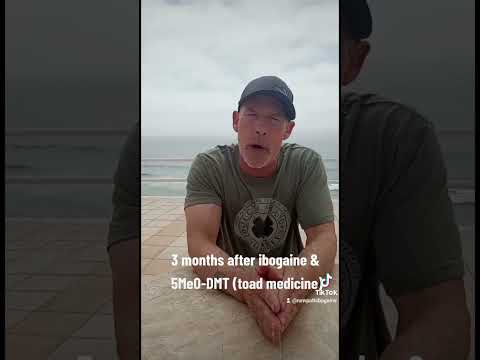
.jpg)
.jpg)
.jpg)
.jpg)








Share this listing