


Ibogaine Myths vs. Facts: Essential Info Before Treatment in Cancun
Ibogaine treatment in Mexico addresses addiction through supervised programs in Cancun. The ibogaine treatment cost in Mexico ranges from $5,000 to $10,000 for a 7 to 14-day stay, ensuring clinical safety and comprehensive withdrawal management.
Navigating the landscape of alternative addiction therapies can be overwhelming. Many individuals seeking profound healing look toward destinations like Cancun to break free from chemical dependencies. However, separating internet rumors from scientific reality is crucial before making a health decision. This comprehensive guide will dispel common myths and provide factual, medically grounded information to help you understand exactly what this procedure entails.
Key Takeaways: Healing and Recovery in Cancun
- Clinical Supervision is Mandatory: This is a serious medical procedure requiring continuous EKG monitoring and ACLS-certified staff.
- Not a Magic Cure: It resets brain chemistry and stops physical withdrawals, but long-term success requires dedicated psychological aftercare.
- Comprehensive Testing: Reputable centers will never admit a patient without extensive blood panels and cardiac evaluations.
- Value of Destination Care: Cancun provides advanced medical infrastructure combined with a stress-free, natural environment optimized for neurological recovery.
What are the biggest myths about Ibogaine treatment in Mexico?
The biggest misconception is that this therapy is a magical, instant cure requiring zero personal effort. In reality, it is a powerful medical catalyst that interrupts addiction pathways but demands rigorous psychological aftercare.
A prevalent myth surrounding Ibogaine treatment in Mexico is the idea that a single session permanently deletes addiction without any lifestyle changes. While the medicine is scientifically proven to reset dopamine receptors and virtually eliminate opioid withdrawal symptoms, it does not erase the underlying trauma or habits that led to substance abuse. Patients must actively engage in therapy following their medical session.
Another dangerous myth is categorizing the procedure as a recreational psychedelic experience. Uninformed sources sometimes equate it to a spiritual retreat. However, the physiological intensity of the treatment requires an advanced clinical environment. The experience is often described as a deeply introspective and exhausting psychological review, rather than a euphoric high.
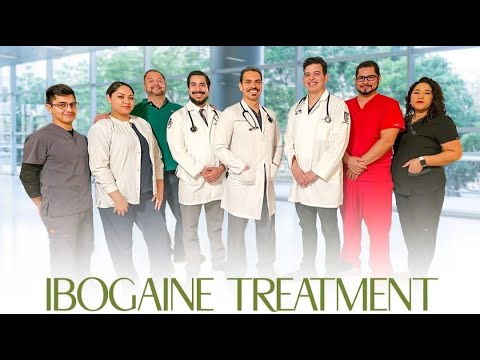
Finally, many believe that traveling south of the border means accepting substandard medical care. This is entirely false regarding specialized centers in Cancun. The finest facilities mirror advanced Western intensive care units, equipped with modern defibrillators, crash carts, and highly educated physicians who specialize exclusively in addiction medicine and toxicology.
| Common Myth | Medical Fact |
|---|---|
| It is a magical cure for addiction. | It is a profound detox catalyst that requires ongoing psychological integration. |
| Any individual can safely take the medicine. | Pre-existing heart conditions strictly disqualify patients due to cardiac risks. |
| The procedure is purely spiritual. | It is a heavy medical procedure requiring continuous vital sign monitoring. |
Is Ibogaine treatment in Mexico medically safe for international patients?
When administered in a proper clinical setting with comprehensive cardiovascular screening, this therapy is highly safe. Medical professionals constantly monitor vital signs to mitigate any potential cardiac risks during the entire process.
- Comprehensive Cardiac Screening: Every patient must undergo a twelve-lead EKG to measure their QT interval, ensuring their heart can safely process the alkaloid.
- Extensive Blood Diagnostics: Complete metabolic panels and liver function tests are analyzed prior to admission to confirm internal organ health.
- Continuous Monitoring: During the procedure, patients are connected to Holter monitors and pulse oximeters while nurses record vital data every fifteen minutes.
- ACLS Certified Personnel: The room is always staffed with Advanced Cardiovascular Life Support certified doctors ready to intervene immediately if arrhythmias occur.
- Intravenous Hydration Protocols: IV fluids containing essential electrolytes and magnesium are administered to protect the heart and keep the patient stabilized throughout the intense visionary phase.
The primary active compound converts into a secondary metabolite called noribogaine inside the liver. This secondary compound stays in your system for weeks, acting as a long-acting antidepressant and craving-blocker while you begin behavioral therapy.
What factors influence the Ibogaine treatment cost in Mexico?
The ibogaine treatment cost in Mexico varies based on clinical observation duration and the medical amenities provided. Patients can expect safe, comprehensive packages in Cancun to range between $5,000 and $10,000.
Understanding the financial investment is critical for patients planning their recovery journey. The base cost is primarily dictated by the high expense of pure, clinical-grade medicine. Extracting and purifying the alkaloid to a pharmaceutical standard is a highly specialized laboratory process. Clinics that offer prices significantly lower than the average may be compromising on the purity of the medicine, which poses severe health risks.
Another major factor influencing the price is the ratio of medical staff to patients. Top-tier facilities ensure a one-to-one patient-to-doctor ratio during the crucial administration phase. Retaining highly skilled cardiologists, psychologists, and specialized nurses around the clock requires a substantial operational budget, which is reflected in the overall package price.
Finally, the length of stay and the quality of accommodations play a role in the total investment. A standard seven-day medical detox will cost less than a comprehensive fourteen-day program that includes extensive post-treatment psychological counseling, nutritional therapy, and luxury private recovery suites located in the serene coastal environment of Cancun.
How do I identify a reputable Ibogaine clinic in Mexico?
A trustworthy ibogaine clinic in Mexico prioritizes pre-treatment medical diagnostics over fast admissions. They require extensive medical histories and will refuse patients with specific health contraindications to ensure zero risk.
- Strict Admission Criteria: Reputable centers will never accept a deposit before thoroughly reviewing your recent medical exams and confirming your physical candidacy.
- Transparent Medical Credentials: They openly display the licensing and specialized emergency certifications of their entire medical team on their platform.
- Emergency Infrastructure: The facility must be equipped with crash carts and have a documented rapid-response protocol with a nearby hospital ICU.
- Psychological Integration Focus: High-quality clinics provide professional therapists to help you process the neurological reset and formulate a post-care plan.
- Purity of Medicine: They will gladly provide documentation proving they use scientifically standardized Total Alkaloid Extracts or pure Hydrochloride rather than unpredictable raw barks.
Why is medical tourism in Mexico popular for alternative addiction therapies?
Choosing medical tourism in Mexico provides access to highly regulated, specialized therapies not legally available in many Western nations. Cancun offers a serene healing environment paired with top-tier medical expertise.
The primary driver for international patients seeking care across the border is regulatory freedom. In several Western countries, this specific alkaloid remains a scheduled substance, preventing ongoing clinical research and compassionate use. The Mexican government, however, allows unscheduled use, enabling dedicated physicians to establish safe, legal, and highly controlled clinical environments specifically for addiction interruption.
Beyond legal availability, the quality of care in specific health hubs is world-class. Cancun has developed a robust health infrastructure specifically tailored to international visitors. Clinics here are often founded by international teams of doctors who bring global best practices to a tropical setting. The fusion of rigorous science with a compassionate, holistic approach makes it a premier destination for neurological healing.
Furthermore, the environmental psychology of recovery cannot be overstated. Leaving one’s home environment, which is often full of triggers and stress, to heal in a warm, coastal climate accelerates mental stabilization. The ocean air and private, resort-like clinical settings help soothe the central nervous system, making patients much more receptive to the profound mental shifts required to overcome severe dependency.
The procedure produces a state known as an oneirogenic effect, which means it induces a waking dream state. During this phase, patients often objectively review past traumas and life events without the emotional pain usually attached to those memories, facilitating deep psychological healing.
What physical preparations are required before starting Ibogaine treatment in Cancun?
Patients must taper off specific substances and undergo rigorous cardiac testing before traveling. Complete honesty regarding medical history is mandatory to prevent dangerous drug interactions during the clinical procedure.
- Transitioning Medications: Patients on long-acting opioids like Methadone or Suboxone must transition to short-acting opiates for several weeks prior to admission, as long-acting variants block the healing mechanism.
- Psychiatric Medication Clearance: Antidepressants, specifically SSRIs, must be safely tapered off under a doctor’s supervision before arrival to prevent potentially fatal serotonin syndrome.
- Liver Function Optimization: Patients are often advised to eat a clean diet, hydrate extensively, and avoid alcohol to ensure their liver is strong enough to metabolize the medicine effectively.
- Electrolyte Loading: Clinics usually begin supplementing the patient with magnesium and potassium upon arrival to fortify the heart muscle before administration.
- Mental Readiness: Setting clear intentions and emotionally preparing for a rigorous introspective journey is essential for maximizing the psychological benefits of the procedure.
How does the clinical environment differ at an Ibogaine clinic in Mexico versus traditional rehabs?
Unlike standard behavioral rehabs, these specialized centers operate as acute medical detox units focused on rapid neurological restoration. The environment blends advanced intensive care capabilities with private, holistic recovery spaces.
Traditional rehabilitation centers generally focus on long-term behavioral modifications, group therapy, and substituting one dependency for another over a period of thirty to ninety days. While behavioral therapy is crucial, standard rehabs often leave patients suffering through agonizing physical withdrawals for weeks. In contrast, a specialized medical center in Cancun focuses on an immediate, medically induced interruption of the physical addiction cycle within the first few days.
The physical layout of these centers also differs vastly. Because the procedure makes patients extremely sensitive to light and sound, the clinical rooms are designed to be sensory-controlled sanctuaries. They are entirely dark, quiet, and equipped with comfortable hospital beds, all while remaining wired with advanced telemetry equipment so the medical staff can monitor heart rates from an adjacent command station.
Once the acute medical phase is complete, the environment transitions into a holistic wellness retreat. Instead of immediate rigid group schedules, patients are given space for quiet reflection. They engage in massage therapy, organic nutritional restoration, and one-on-one integration counseling to gently rebuild their physical and mental strength before returning to their daily lives.
The true power of this procedure lies in neuroplasticity. The medicine promotes the release of Glial Cell Line-Derived Neurotrophic Factor, essentially rewiring the brain to a pre-addicted state. This provides a golden window of a few months where the brain is highly adaptable to learning new, healthy coping mechanisms.
What happens during the recovery phase after taking Ibogaine in Cancun?
Post-treatment care focuses heavily on neuroplasticity integration and psychological counseling to maintain sobriety. Facilities provide transition plans to help patients build entirely new daily habits without chemical dependency.
The immediate forty-eight hours following the acute visionary phase are characterized by physical exhaustion and a profound sense of mental clarity. Patients often describe feeling reborn, completely devoid of the physical cravings that once controlled their lives. During this time, clinical staff focus on rehydrating the patient and introducing light, nutrient-dense foods to rebuild physical energy.
The subsequent days in the Cancun facility are dedicated to psychological integration. Patients work daily with therapists to unpack the visions and insights gained during the procedure. This is the critical juncture where the physical detox must be paired with mental health strategies. Identifying emotional triggers and creating actionable defense mechanisms ensures the patient leaves the clinic prepared for the real world.
Finally, reputable clinics formulate a comprehensive at-home aftercare plan before discharge. Because the brain remains highly adaptable for several months due to elevated neurotrophic factors, patients are strongly encouraged to engage in continuous outpatient therapy, join support groups, or adopt practices like meditation and physical fitness to solidify their new sober lifestyle.
Why choose PlacidWay to find an Ibogaine clinic in Mexico?
PlacidWay connects patients exclusively with fully vetted, medically certified facilities that prioritize absolute clinical safety. Our platform ensures you receive authentic, highly regulated care tailored to your specific recovery needs.
- Rigorous Medical Vetting: We partner only with centers that possess verifiable medical licenses, employ certified toxicologists, and maintain flawless safety records in addiction management.
- Absolute Price Transparency: Our platform eliminates hidden fees by providing clear, comprehensive quotes so you understand exactly what clinical services and psychological therapies are included.
- Verified Safety Protocols: We ensure that every partnered facility enforces mandatory pre-treatment EKG and blood screenings, guaranteeing that your physical safety is never compromised.
- Dedicated Patient Advocacy: Our support team acts as your personal health advocate, facilitating direct communication between you and the lead medical staff prior to your commitment.
- Risk Mitigation: By avoiding underground or uncertified providers, we eliminate the immense dangers associated with impure medicine and inadequate emergency response capabilities.
Frequently Asked Questions About Recovery in Cancun
Is it legally permitted to undergo this addiction therapy in Cancun?
Yes, this therapy is completely legal and unscheduled in the country. This regulatory freedom allows specialized medical centers to operate openly and adhere to strict clinical safety guidelines without legal interference.
How long should I plan to stay in Cancun for a complete program?
Most comprehensive clinical programs require a stay of seven to fourteen days. This timeframe allows for necessary pre-treatment cardiovascular testing, the actual medical procedure, and several days of monitored psychological integration.
Can I receive this therapy if I have a pre-existing heart condition?
Generally, patients with severe cardiac issues are not candidates. The medicine can prolong the QT interval in the heart, making extensive pre-screening with EKGs mandatory to rule out potentially dangerous arrhythmias.
Will I experience severe withdrawal symptoms during the process?
One of the most remarkable benefits is its ability to significantly reduce or completely eliminate acute withdrawal symptoms, particularly for opiate dependencies, allowing for a much more comfortable detoxification phase.
Are the medical staff at these tropical destination clinics fluent in English?
Yes, reputable facilities catering to international patients employ fully bilingual medical professionals, including doctors, nurses, and psychologists, ensuring crystal clear communication throughout your entire medical journey.
Is psychological and psychiatric support included in the clinical packages?
Premium clinical packages always include integrated psychotherapeutic support. Professional counselors help patients process the intense visionary experience and build cognitive frameworks to maintain long-term sobriety.
What makes Cancun a superior destination for this specific procedure?
Cancun offers a unique combination of advanced medical infrastructure and a tranquil, natural healing environment. The coastal setting drastically reduces patient stress levels, which is crucial for a successful neuro-reset.
Do providers in the country use synthetic or naturally derived medicine?
Leading providers utilize highly purified, naturally derived extracts rather than raw root bark. This clinical-grade medicine ensures exact dosing and eliminates unknown alkaloids that could cause adverse physical reactions.
How soon after the medical session am I allowed to fly back home?
Patients are typically restricted from flying for at least seventy-two hours post-treatment. Medical staff must confirm absolute cardiovascular stability and physical equilibrium before authorizing air travel.
Are there age restrictions for international patients seeking this therapy?
Most ethical facilities require patients to be at least eighteen years old. Additionally, patients over the age of sixty-five undergo extremely rigorous cardiac and neurological screening to ensure their bodies can handle the physical stress.
Take the First Step Toward True Healing
* Secure and completely confidential. Our medical coordinators typically respond within 24 hours.






.png)
.png)
.png)








Share this listing