


Ibogaine vs. Traditional Addiction Therapy: Why Cancun Stands Out

Navigating the complexities of substance use disorders often leads individuals and their families to explore a variety of rehabilitative options. In recent years, alternative therapies have garnered significant attention for those who have not found success with conventional methods. Exploring Ibogaine treatment in Cancun, Mexico has become a prominent point of discussion for those looking beyond traditional models of care. Derived from the root bark of the African Tabernanthe iboga shrub, this powerful alkaloid is entirely distinct from standard therapies in its application, mechanism, and risk profile.
Key Takeaways
- Ibogaine is an intensely psychoactive substance that remains unapproved in many nations but is legally administered in supervised settings in Mexico.
- Traditional addiction therapies typically utilize gradual tapering, medication-assisted therapy (MAT), and prolonged cognitive behavioral counseling.
- The therapy carries severe cardiovascular risks, making exhaustive medical screening and continuous EKG monitoring an absolute necessity.
- Cancun attracts individuals seeking holistic recovery options by providing access to specialized, medically staffed alternative health centers.
- Therapeutic outcomes vary widely by individual, and robust, structured psychological aftercare is essential for sustained recovery.
How Does Ibogaine Compare to Traditional Addiction Treatments?
Standard care for opioid use disorder frequently involves Medication-Assisted Treatment (MAT), utilizing FDA-approved medications such as methadone, buprenorphine, or naltrexone. These traditional methods aim to manage withdrawal symptoms safely over an extended period, allowing the patient to function and participate in cognitive behavioral therapy. MAT is typically an ongoing process, sometimes lasting months or years, supported by 12-step programs or similar support groups.
Conversely, ibogaine is not an approved medication in the United States and is classified as a Schedule I substance. It is approached as an acute, one-time or short-course intervention. Proponents note that its psychoactive properties may prompt an intense psychological review of one's life, while concurrently interacting with neuroreceptors in a way that observational studies suggest may temporarily alleviate acute withdrawal symptoms. Rather than replacing one opioid with a longer-acting alternative, the therapy aims to provide a sudden interruption to physical dependency, though it requires profound medical oversight.
What Makes Cancun a Destination for Alternative Therapies?
Because this alkaloid is strictly prohibited in countries like the United States, patients frequently cross borders to jurisdictions where it is not scheduled. Mexico operates in a regulatory framework that allows licensed medical doctors to administer these therapies in private clinics. Cancun, already established as a major hub for international travel, has naturally developed infrastructure to support health-oriented visitors.
Beyond the legal framework, the geographic and environmental aspects of Cancun play a role in its appeal. Recovery often benefits from a stress-free environment removed from a patient’s daily triggers. Facilities in this region frequently combine clinical oversight with a restorative, retreat-like setting, offering privacy and holistic therapies such as yoga, meditation, and nutritional counseling to support the intense psychological nature of the procedure.
Expert Insight on Alternative Settings
Stepping away from familiar environments can help patients break habitual routines. However, an idyllic setting never replaces the need for stringent medical safety protocols, especially when dealing with powerful psychoactive substances.
What Are the Severe Medical Risks Associated With Ibogaine?
Patient safety is the most critical consideration when discussing this alternative therapy. The substance is known to have a direct impact on the heart's electrical system. Specifically, it can block certain potassium channels in the heart, leading to a prolonged QT interval. If the QT interval extends too far, it can trigger Torsades de Pointes, a severe and potentially fatal heart arrhythmia.
Because of these well-documented risks, this procedure is never appropriate for home use or unsupervised environments. Fatalities have been recorded, most frequently associated with pre-existing heart conditions, lack of continuous electrocardiogram (EKG) monitoring, or the presence of other drugs in the patient's system. Interactions with long-acting opioids, psychiatric medications, or underlying metabolic imbalances can significantly amplify these cardiac dangers.
Who Is Considered an Appropriate Candidate for This Treatment?
Suitability for this therapy is highly restrictive due to the intense physiological toll it takes on the body. A comprehensive medical screening is mandatory to determine eligibility. Candidates generally must meet the following criteria to even be considered:
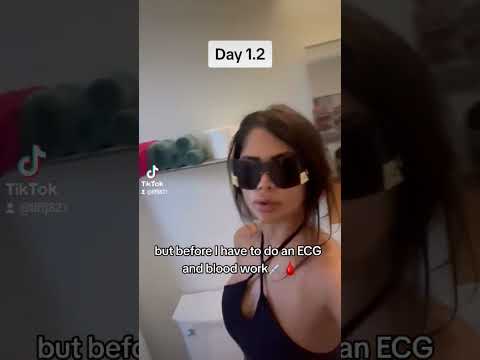
- Healthy Heart Function: A baseline EKG and sometimes a stress test are required to ensure there are no structural heart defects or rhythm abnormalities.
- Clear Liver and Kidney Panels: The body must be able to properly metabolize and excrete the substance, requiring comprehensive blood work.
- Absence of Certain Psychiatric Disorders: Individuals with a history of schizophrenia, bipolar disorder, or severe psychosis are typically excluded, as the psychoactive experience may exacerbate these conditions.
- Commitment to Aftercare: Candidates should demonstrate an understanding that the procedure is not a standalone cure and must have a structured integration plan post-treatment.
- Safe Medication Tapering: Patients must be safely transitioned off contraindicated medications under medical supervision prior to intake.
How Much Does Ibogaine Therapy Cost Compared to Standard Rehab?
The financial aspect of recovery is a major factor for many families. Traditional residential rehabilitation centers in the US or Canada can be highly expensive, often ranging from $15,000 to over $40,000 for a standard 30-day program. While some of these costs may be offset by health insurance, out-of-pocket expenses can still be substantial.
When looking at the Ibogaine treatment cost in Cancun, patients typically find estimates ranging from $5,000 to $12,000 for a 7- to 14-day program. This cost generally includes pre-treatment medical screening, the acute procedure with clinical monitoring, accommodations, and basic psychological support. However, because this therapy is considered experimental and is administered outside of standard medical networks, patients must assume 100% of the financial responsibility out-of-pocket, including all travel logistics.
What Does the Typical Treatment Process Involve?
Upon arrival at a facility, patients do not immediately undergo the procedure. The first phase involves medical stabilization. Medical staff will conduct blood panels, EKGs, and psychological evaluations. Depending on the substance the patient is dependent upon, they may require stabilization with short-acting medications to ensure they are physically ready for the main procedure without risking severe cross-reactions.
The acute phase is physically and emotionally demanding. The substance is administered under continuous medical observation. Over the next 12 to 24 hours, the patient will experience intense visual and emotional processing, often revisiting past traumas or the root causes of their addiction. During this time, nurses and physicians must monitor vital signs continuously. The final phase is recovery and integration, where the patient rests, regains physical strength, and works with therapists to process the profound psychological material unearthed during the session.
How Important Is Cardiac Monitoring During the Procedure?
As previously highlighted, the primary medical danger of this therapy is its capacity to alter the electrical activity of the heart. The bradycardia (slow heart rate) and QT prolongation it induces require vigilant observation. An EKG must be active and continuously monitored by a trained medical professional throughout the entire acute phase of the treatment.
If an arrhythmia begins to develop, intervention must be immediate. Facilities equipped to handle these emergencies will have Advanced Cardiovascular Life Support (ACLS) trained staff, crash carts, defibrillators, and emergency intravenous medications on hand. A clinic that relies solely on holistic practitioners without the presence of licensed emergency or cardiac physicians presents a severe and unacceptable risk to patient safety.
How Does Ibogaine Affect Opioid Withdrawal Symptoms?
The exact pharmacological mechanism remains a subject of ongoing study, but researchers believe the substance interacts with several receptor systems simultaneously, including serotonin, dopamine, and sigma receptors, as well as nicotinic acetylcholine receptors. Unlike methadone or buprenorphine, it does not have a strong affinity for the primary opioid receptors, meaning it is not a traditional opioid substitute.
Some observational studies and patient reports indicate that after administration, the severe physical symptoms typical of opioid withdrawal—such as muscle cramps, severe nausea, sweats, and profound anxiety—may be notably diminished or bypassed. However, results vary drastically among individuals. It is crucial to understand that while it may provide temporary relief from physical dependence, it does not alter the underlying chronic nature of addiction.
What Should Patients Look for in a Facility?
Choosing an Ibogaine treatment clinic in Cancun requires exhaustive diligence. Because the industry is largely unregulated globally, the quality of care can range from exceptional clinical environments to highly dangerous, unmonitored settings. Patients should demand transparency regarding the facility's safety protocols and staffing.
Critical elements to verify include the direct involvement of licensed medical doctors, particularly those experienced in cardiology or emergency medicine. The facility must enforce mandatory pre-screening, including comprehensive blood work and EKG testing, refusing treatment to those who are medically unfit. Additionally, a strong program will emphasize psychological support, offering experienced therapists to help integrate the intense psychological experience both during the stay and after the patient returns home.
Why Do Patients Incorporate Local Travel After Rehab?
The concept of medical tourism in Cancun, Mexico extends beyond simply finding affordable care; it often encompasses the psychological benefits of a completely new environment. Stepping out of one’s usual surroundings can be a powerful catalyst for change. The environmental separation prevents immediate access to familiar substance sources and temporarily removes the stress of domestic relationships or employment pressures.
Furthermore, the physical setting of Cancun provides an atmosphere conducive to reflection and physical recovery. After completing the rigorous medical and psychoactive phases of the program, patients often benefit from the peaceful climate and holistic amenities available locally. This transition period allows individuals to regain physical strength and establish a grounded mindset before facing the inevitable challenges of returning to their everyday lives and continuing their outpatient therapy.
Why Choose PlacidWay for Medical Tourism in Cancun?
Researching cross-border healthcare requires access to reliable, structured information. PlacidWay offers resources to help patients explore their international options thoughtfully.
PlacidWay maintains a comprehensive directory of international healthcare facilities, allowing patients to locate clinics offering specialized services.
The platform provides tools to compare different clinics based on available treatments, facility amenities, and estimated pricing structures.
Patients can access informational guides that explain the typical processes, standard protocols, and general timelines associated with seeking healthcare abroad.
PlacidWay facilitates direct communication by allowing patients to request detailed facility credentials and provider profiles directly from the clinics.
The service assists in gathering customized price estimates from various international providers, aiding in detailed financial planning.
Frequently Asked Questions
Is ibogaine treatment legal in Cancun, Mexico?
Yes, while ibogaine is classified as a Schedule I substance in the United States and is unapproved by the FDA, it is not scheduled in Mexico. This allows medical facilities in Cancun to administer the substance legally under the supervision of licensed physicians.
How long does an ibogaine therapy program usually last?
A standard treatment protocol typically lasts between 7 and 14 days. This timeframe allows for necessary medical stabilization, the acute administration phase, and several days of monitored medical and psychological recovery before traveling home.
Can ibogaine guarantee a cure for addiction?
No. There is no recognized cure for addiction. Ibogaine is considered a therapeutic tool that may temporarily interrupt withdrawal symptoms and cravings, providing a window of opportunity for patients to engage in long-term behavioral and psychological therapies.
What is the psychological experience of taking ibogaine like?
Ibogaine is highly psychoactive. Patients frequently describe the experience as a profound, waking dream state or intense introspective journey. It can bring up deep-seated emotional memories, which is why psychological support during and after the process is essential.
Are there specific medications that interact dangerously with ibogaine?
Yes, several medications can cause severe adverse reactions when combined with ibogaine. These include long-acting opioids (like methadone or Suboxone), SSRI antidepressants, anti-anxiety medications, and any drugs that affect heart rhythm. Comprehensive medical clearance is mandatory.
How soon after traditional rehab can someone consider ibogaine?
This depends heavily on the individual’s medical history and the specific substances previously used. Some psychiatric medications and maintenance drugs require weeks or months to safely taper off before ibogaine can be administered to avoid fatal interactions.
Does insurance cover alternative addiction treatments in Mexico?
Generally, no. Because ibogaine is not FDA-approved and remains experimental, traditional health insurance policies do not cover the treatment, travel, or accommodations. Patients must typically fund the procedure out-of-pocket.
What kind of medical professionals should be present during treatment?
A responsible facility should be staffed by licensed medical doctors, ideally including a cardiologist or emergency medicine physician, along with ACLS-certified nurses. Continuous EKG monitoring by trained professionals is critical during the acute phase.
Can alcohol use disorder be treated with ibogaine?
While some individuals seek ibogaine for alcohol use disorder, acute alcohol withdrawal carries severe risks, including fatal seizures. Patients must undergo a completely separate, medically supervised alcohol detox prior to safely receiving ibogaine.
What should I pack for a treatment stay in Cancun?
Patients are generally advised to pack loose, comfortable clothing, basic toiletries, and a journal for reflection. It is essential to bring all relevant medical records and a list of current medications. Facilities usually advise leaving expensive valuables at home.
Compare Treatment Options
Take the next step in gathering information about alternative therapies, facility credentials, and estimated costs. Reach out for educational resources to support your research.
Request Treatment InformationReferences
- Medications to Treat Opioid Use Disorder – National Institute on Drug Abuse (NIDA)
- Ibogaine Therapy for Drug Addiction Research – Multidisciplinary Association for Psychedelic Studies (MAPS)
- Treatment of opioid use disorder with ibogaine: detoxification and drug use outcomes – National Center for Biotechnology Information (NCBI)
- Cardiovascular adverse effects of ibogaine – National Center for Biotechnology Information (NCBI)
- National Practice Guideline for the Treatment of Opioid Use Disorder – American Society of Addiction Medicine (ASAM)
- Ibogaine Fact Sheet – Drug Enforcement Administration (DEA) / Department of Justice




















Share this listing