


Comprehensive Guide to Ibogaine Treatment in Mexico for Severe Addiction Recovery
Are you searching for a profound medical breakthrough in substance abuse recovery and mental health restoration? Exploring Ibogaine treatment in Mexico has become a vital lifeline for individuals struggling with severe substance use disorders and treatment-resistant psychiatric conditions. This powerful, naturally occurring alkaloid offers a unique, fast-acting approach to neurological healing that traditional rehabilitation centers often cannot match.
Unlike conventional therapies that require months of daily medication, this plant-based intervention targets physical dependency at its absolute core. It essentially rewires the brain's delicate reward circuitry to rapidly eliminate severe physical withdrawal symptoms. Patients consistently report waking up from the treatment with a newfound sense of clarity and immediate freedom from overwhelming substance cravings.
By addressing both the physiological and psychological aspects of addiction simultaneously, this specialized therapy provides a comprehensive biological reset. It allows individuals to confront underlying traumas without the paralyzing emotional pain usually associated with those repressed memories. This highly effective dual-action mechanism is exactly why countless patients seek out safe, medically supervised clinics abroad for a genuine chance at lasting sobriety.
Video Chapters & Quick Navigation
- 1. Origins of Plant-Based Psychedelic Medicine
- 2. Neurochemistry and Brain Function Recovery
- 3. Addressing Psychiatric Disorders and Trauma
- 4. Overcoming Opioid Addiction Without Pain
- 5. The Necessity of Strict Medical Supervision
- 6. Understanding Clinical Treatment Phases
- 7. Traditional Rehab vs. Psychedelic Intervention
- 8. Choosing a Safe Detox Center and Aftercare
1. The Cultural and Clinical Origins of Plant-Based Psychedelic Medicine
Understanding the deep historical roots of this unique medicine is essential for anyone considering alternative addiction therapies. As noted by leading medical professionals, this powerful substance is an alkaloid extracted from an African psychedelic plant [00:00]. The Tabernanthe iboga shrub has been utilized for centuries by the Bwiti religious practitioners in Central West Africa for spiritual initiations and deep community healing.
Modern medical science has since isolated these active alkaloids to harness their profound neurological benefits for highly controlled clinical environments. The laboratory extraction process transforms the raw, unpredictable root bark into a highly concentrated, purified hydrochloride formulation. This crucial scientific refinement is necessary to make the compound suitable and safe for exact medical dosing.
The Extraction Process and Dosing Precision
Utilizing a purified medical-grade extract ensures that patients receive a precise therapeutic amount tailored specifically to their individual physiological metrics. Doctors calculate the exact dosage based on the patient's body weight, resting cardiovascular health, and the specific severity of their addiction profile. This standardized precision ensures that clinicians can effectively predict the metabolic response and maximize the therapeutic outcomes while mitigating risks.
Consuming raw root bark in uncontrolled settings often contains wildly unpredictable amounts of various secondary alkaloids, leading to unnecessary physical purging. By refining the substance into pure ibogaine hydrochloride, medical professionals can significantly reduce severe gastrointestinal distress during the treatment. This clinical adaptation is exactly what allows modern doctors to utilize the plant's incredible psychological power safely and predictably.
Navigating the Complex Legal Landscape
The legal landscape surrounding this specific plant alkaloid varies drastically depending on your global location and local drug enforcement policies. In the United States, it currently remains classified strictly as a Schedule I substance, meaning it is entirely prohibited for clinical or recreational use. This rigid governmental categorization ignores decades of anecdotal success and actively prevents domestic clinical trials from progressing rapidly.
This stringent prohibition is the primary driving force behind the booming international medical tourism industry surrounding psychedelic therapies. Desperate patients who have exhausted traditional domestic options are increasingly forced to seek treatment in progressive international jurisdictions. Countries like Mexico have allowed specialized, medically supervised facilities to operate, providing a critical lifeline to those facing life-threatening substance dependencies.
2. Understanding Neurochemistry and Rapid Brain Function Recovery
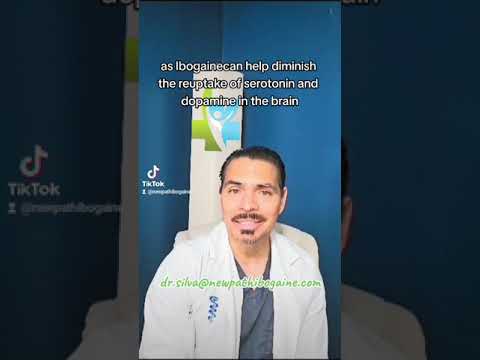
The biological mechanism behind this psychedelic therapy is entirely different from conventional pharmaceutical interventions used in modern psychiatry. Through highly targeted neurological action, the medicine actively helps diminish the reuptake of serotonin and dopamine in the brain [00:13]. This unique pharmacological process effectively normalizes vital neurotransmitter levels that have been severely depleted by years of chronic substance abuse.
Chronic chemical dependency fundamentally damages the brain's delicate reward pathways, creating a continuous state of severe dopamine deficiency. When artificial stimulants or depressants regularly flood the nervous system, the human brain simply stops producing natural dopamine to compensate for the toxic overload. This resulting chemical imbalance is precisely what causes the profound emotional depression and unavoidable relapse when individuals attempt to quit cold turkey.
The Crucial Role of Glial Cell Line-Derived Neurotrophic Factor
One of the most groundbreaking discoveries regarding this plant medicine is its unique ability to stimulate specific growth proteins within the brain. Clinical research indicates that the treatment triggers the massive release of Glial cell line-derived neurotrophic factor, commonly referred to as GDNF. This highly specialized protein is directly responsible for promoting the rapid survival, repair, and regeneration of damaged neurons.
This biological stimulation creates an intense window of neuroplasticity, allowing the adult brain to mimic the rapid healing capabilities typically only seen in young children. By actively repairing these damaged reward centers, the medicine fundamentally removes the obsessive mental compulsion to use illicit substances. Patients experience a profound biological reset that establishes new, healthier neural pathways while entirely abandoning destructive behavioral loops.
- Normalizing Vital Neurotransmitters: The therapy rapidly restores depleted dopamine and serotonin levels, naturally stabilizing the patient's mood and daily energy levels without synthetic drugs.
- Promoting Rapid Neuroplasticity: By actively stimulating GDNF protein release, it physically allows the adult brain to rapidly rewire destructive behavioral loops and heal chemical damage.
- Repairing Reward Centers: The intervention completely reverses the severe chemical dependency caused by chronic, long-term artificial stimulant or opiate abuse.
3. Addressing Severe Psychiatric Disorders and Deep Subconscious Trauma
Beyond breaking debilitating substance dependency, this naturally derived compound demonstrates remarkable, life-altering efficacy for severe mental health struggles. Clinical observations consistently reveal it can help diminish symptoms of major psychiatric disorders such as depression, debilitating anxiety, and severe PTSD [00:19]. This broad-spectrum psychiatric relief occurs because the medicine simultaneously addresses both the neurochemical imbalances and the deeply rooted psychological traumas.
Traditional psychiatric medications, such as daily SSRIs, often require weeks to take noticeable effect and frequently come with a host of debilitating side effects. These conventional pharmaceutical drugs generally work by blunting all emotional responses rather than genuinely resolving the root cause of the psychological distress. In stark contrast, plant-based psychedelic interventions dive directly into the subconscious mind to unearth, process, and permanently resolve repressed traumatic experiences.
Interrupting the Brain's Default Mode Network
The Default Mode Network (DMN) is the specific neurological area responsible for our ego, deep self-reflection, and persistent negative thought loops. In individuals suffering from severe depression or PTSD, this network is often chronically overactive, trapping them in endless cycles of despair and anxiety. During a clinically supervised psychedelic session, this hyperactive network is temporarily but significantly quieted down.
This profound neurological quiet period provides a safe, objective psychological distance from painful memories. It effectively enables individuals to confront terrifying or shameful memories without experiencing the associated severe physiological panic attack. By stepping outside their rigid patterns of thinking, patients gain a completely new, healing perspective on their lifelong mental health struggles.
The Healing Power of the Visionary State
During the peak visionary phase of the treatment, individuals frequently experience a vivid waking dream state where they review painful past events. This incredibly unique state allows them to view their traumas from a purely objective, almost third-party standpoint. This profound emotional detachment allows them to recontextualize the trauma, deeply forgive themselves, and finally release their heavy psychological burdens.
The deeply cathartic realizations gained during this process are often described as equivalent to completing a decade of traditional talk therapy in a single night. The lingering antidepressant effects following the session provide a crucial, sustained window for intensive psychotherapy to finally take hold. This rapid psychological breakthrough is a primary reason why medical professionals advocate for psychedelic-assisted therapy for treatment-resistant patients.
4. Overcoming Opioid Addiction Without Excruciating Physical Withdrawal
The global opioid epidemic has tragically forced medical professionals to seek out more aggressive, fast-acting, and definitive detox solutions. For patients actively battling severe dependencies, this specific therapy is revolutionary as it actively binds directly to opioid receptor sites throughout the central nervous system [00:26]. Instead of simply masking these receptors with substitute narcotics like traditional maintenance drugs do, it rapidly resets them to their original pre-addiction state.
The intense fear of agonizing physical withdrawal is the primary barrier keeping millions of individuals helplessly trapped in active opiate addiction. Traditional detox methods force patients to endure agonizing days of excruciating bone aches, severe gastrointestinal distress, and uncontrollable body tremors. This innovative therapy effectively bypasses this torturous physical process by aggressively binding to the mu and kappa opioid receptors simultaneously.
Rapid Receptor Resetting and Pain Prevention
This unique and powerful receptor modulation is exactly what can prevent patients from going into grueling physical withdrawal [00:31]. Experiencing a comprehensive opiate detox without enduring the agonizing physical pain and nausea is universally described as miraculous by those who have failed conventional rehab multiple times. The rapid elimination of these severe physical withdrawal symptoms typically occurs within just hours of ingesting the clinical dose.
By completely eliminating the physical suffering of detoxification, the patient's mind is freed to focus entirely on their psychological healing journey. They do not have to expend all their mental energy merely surviving the violent physical sickness of opiate cessation. This immediate physical relief builds immense psychological momentum and hope for long-term recovery.
The Long-Acting Benefits of the Metabolite Noribogaine
Once the active alkaloid is successfully metabolized by the patient's liver, it converts into a highly potent secondary compound called noribogaine. This incredibly powerful metabolite physically stores itself in the body's fat cells and slowly releases over the course of several weeks or even months. The continuous, steady presence of noribogaine acts as an invisible chemical shield against addictive impulses.
This ongoing internal release functions to significantly diminish lingering cravings from opiate addiction as well as other hard drugs. It practically eliminates the severe risk of Post-Acute Withdrawal Syndrome (PAWS), which is the leading cause of late-stage relapse in recovering addicts. This extended window of chemical support provides the patient ample time to establish new, healthy habits without fighting daily chemical urges.
5. The Absolute Necessity of Strict Medical Supervision for Safe Detox
Despite its natural, plant-based origins, this specific alkaloid acts as a highly potent cardiovascular stressor and must never be taken casually. It is absolutely critical that it is used exclusively under experienced medical supervision to ensure complete patient safety throughout the intensive process [00:05]. Treating this intense medical intervention as a casual wellness retreat is incredibly dangerous and fundamentally misunderstands the physiological power of the substance.
The purified medicine is medically known to cause bradycardia, which severely slows the resting heart rate, and can prolong the QT interval in the heart's electrical cycle. These specific cardiac shifts can quickly lead to fatal arrhythmias if they are not expertly managed by trained cardiologists. Unregulated underground clinics that intentionally skip mandatory medical screening place their unsuspecting patients in direct, life-threatening danger.
Comprehensive Pre-Treatment Medical Screening
A reputable and safe medical facility will aggressively demand a comprehensive blood chemistry panel before approving any patient for therapy. They must meticulously check liver enzymes to ensure the patient's internal organs can successfully metabolize the heavy load of complex alkaloids. If the liver is severely compromised from years of drug abuse, the treatment could become dangerously toxic.
Furthermore, ethical clinics will always require a baseline resting electrocardiogram (EKG) to measure the patient's specific QT interval. This ensures the heart's electrical system is robust enough to handle the intense physiological stress induced during the peak visionary phase. If any of these preliminary tests show critical abnormalities, ethical physicians will outright refuse administration to prioritize patient safety above financial gain.
Continuous Cardiac and Vital Sign Monitoring
During the highly sensitive acute phase of administration, approved patients are seamlessly connected to continuous cardiac monitors in a controlled hospital-like room. Their blood pressure, oxygen saturation, and heart rhythms are tracked by the second while emergency response equipment remains on immediate standby. This level of intensive care unit preparedness is the absolute gold standard for psychedelic addiction therapy.
Having board-certified medical doctors and Advanced Cardiac Life Support (ACLS) nurses physically present in the room guarantees immediate intervention should any physiological distress occur. This dedicated, highly professional supervision ensures that the patient feels entirely safe physically. Knowing they are protected allows them to surrender completely to the terrifying but necessary psychological processing.
6. Understanding the Clinical Treatment Phases and Patient Experience
Understanding the distinct, predictable phases of the psychedelic journey helps significantly alleviate pre-treatment anxiety for prospective patients. The environment in which the medicine is administered drastically impacts the overall safety and psychological efficacy of the deep internal journey. Patients are typically placed in a darkened, entirely quiet room, often utilizing eye masks to prevent distracting external sensory input.
Specially curated instrumental music is frequently utilized to gently guide the mind and encourage deep, uninterrupted introspection. External stimulation must be kept to an absolute minimum to prevent overwhelming sensory overload while the brain is in such a vulnerable state. Throughout the entire process, compassionate medical guides remain quietly present in the room to assist with any physical discomfort or emotional distress.
The Acute Visionary State
The profound psychological experience begins with the acute visionary phase, which typically lasts anywhere between four to eight intense hours following initial ingestion. During this heavily immersive period, patients often experience deep introspection, rapid memory retrieval, and highly vivid waking dreams. The brain rapidly sorts through decades of deeply repressed memories, categorizing and resolving long-forgotten traumas.
Simultaneously, the medicine causes severe physical ataxia, meaning patients temporarily lose their gross motor skills and physical balance. This intense physical heaviness requires them to remain safely lying down in bed, needing physical assistance just to use the restroom. The presence of trained nurses is crucial here to prevent accidental falls and ensure physical comfort during the neurological peak.
The Evaluative and Residual Stimulation Stages
Following the intense acute stage, individuals naturally transition into the evaluative phase, which can last an additional eight to twenty hours. During this period, the intense waking visions finally subside, allowing the patient to intellectually process the profound insights they just gained. This cognitive phase demands a highly supportive, quiet environment as the healing brain begins to integrate the massive emotional shifts.
Finally, the residual stimulation phase occurs as the primary alkaloids fully leave the bloodstream and convert into metabolites. This final stage is primarily characterized by physical exhaustion paired with a highly active, incredibly clear mind that may prevent natural sleep for several days. Clinics often provide holistic support, IV hydration, and gentle sedatives to help the patient finally rest and complete the physiological reset.
7. Comparing Traditional Rehab vs. Psychedelic Therapy for Substance Abuse
When critically evaluating options for substance abuse recovery, contrasting traditional methods with modern psychedelic interventions highlights stark differences in core methodology. Many desperate families rapidly deplete their entire life savings sending loved ones to traditional 30-day inpatient rehabilitation centers. Tragically, they often see these family members relapse within weeks of returning home due to unresolved chemical cravings.
These conventional rehab models rely almost entirely on behavioral modification, daily group therapy sessions, and the dogmatic belief that addiction is an incurable disease. While community support is undeniably valuable for long-term maintenance, simple talking therapies cannot rapidly heal physical neurological damage. They fail to immediately repair the destroyed dopamine receptors caused by years of aggressive heroin, fentanyl, or alcohol abuse.
| Treatment Feature | Traditional 30-Day Rehab Centers | Supervised Psychedelic Intervention |
|---|---|---|
| Physical Withdrawal Management | Forces patients to endure days of painful symptoms; relies on slow chemical tapering. | Rapid neurological receptor reset bypasses severe physical pain entirely within hours. |
| Core Neurological Healing | Relies strictly on slow, natural brain recovery taking many agonizing months. | Provides immediate neuroplasticity and rapid neurotransmitter stabilization. |
| Required Time Commitment | Typically requires 30 to 90 continuous days away from family and employment. | Intensive 7 to 10-day clinical stay followed by active outpatient home integration. |
| Maintenance Medication Dependency | Often requires long-term, highly addictive Suboxone or Methadone prescriptions. | Designed as a one-time pharmacological intervention to eliminate all daily synthetic drugs. |
Addressing Root Cause vs Symptom Management
Following a traditional detox, patients inevitably face months of severe anhedonia, which is a complete biological inability to feel natural pleasure. This prolonged chemical depression, driven by depleted dopamine levels, is the leading cause of relapse in the first ninety days of traditional recovery. Medically supervised psychedelic therapy actively prevents this anhedonia by restoring natural neurotransmitter function rapidly.
Conversely, medically supervised psychedelic therapy offers a rapid, pharmacological interruption of the toxic addiction cycle within a matter of mere days. While traveling abroad requires a higher immediate out-of-pocket financial investment, it eliminates the expensive need for ongoing prescription maintenance drugs. Giving the patient an immediate, biologically leveled playing field provides a genuine fighting chance at maintaining long-term success.
8. Choosing a Safe Ibogaine Clinic Abroad and Integrating Aftercare
Due to strict, outdated regulatory classifications in the United States, individuals must safely navigate international medical tourism to access this lifesaving therapy. Finding safe Ibogaine detox centers requires rigorous, uncompromising due diligence regarding clinic licensing, medical staff credentials, and completely transparent safety records. Prospective patients must critically interview clinical directors to fully understand their approach to emergency medicine.
It is vital to specifically verify the physical presence of onsite cardiologists and demand absolute clarity on their emergency hospital transport protocols. A luxury beachfront setting means absolutely nothing if the facility lacks the basic medical equipment required to handle a sudden cardiac event. True medical sanctuaries prioritize massive investments in life-saving technology and highly trained nursing staff over superficial resort amenities.
The Critical Importance of Integration Therapy
Equally important to the acute medical intervention is the comprehensive psychological aftercare plan established long before the patient ever travels. This powerful plant therapy provides an unparalleled window of neuroplasticity, but it requires dedicated integration coaching to solidify permanent behavioral changes. Returning to the exact same toxic home environment or enabling peer groups will quickly undo the miraculous neurological reset provided by the clinic.
The profound spiritual and emotional insights gained during the visionary phase will inevitably fade if they are not actively integrated into daily life. Patients return home with a newly rewired, highly sensitive brain, but they must immediately implement healthy routines to protect this fragile state. Committing to a rigorous aftercare plan, which includes ongoing psychological counseling and holistic wellness practices, is the ultimate key to achieving permanent freedom.
Professional integration coaching involves working with specialized therapists who deeply understand the complex nuances of the psychedelic healing experience. These dedicated professionals help recovering patients translate abstract, visionary metaphors into actionable, real-world behavioral changes. Building a robust, positive support system at home ensures the expensive medical reset truly translates into lifelong healing and profound personal transformation.
Ready to Reclaim Your Life from Severe Addiction?
Discover how medically supervised plant-based therapy can provide the rapid neurological reset you desperately need. Connect with top-rated, fully vetted international specialists to evaluate your unique medical profile and begin your journey toward lasting healing today.
Get Free QuoteView Full Video Transcript
[00:00] Ibogaine is an alkaloid that is extracted from an African psychedelic plant.
[00:05] It is used under experienced medical supervision to treat both psychiatric disorders as well as addiction.
[00:13] As Ibogaine can help diminish the reuptake of serotonin and dopamine in the brain,
[00:19] it can help diminish symptoms of psychiatric disorders such as depression, anxiety, PTSD,
[00:26] as well as in patients with addiction as it binds to opioid receptor sites.
[00:31] It can prevent patients from going into physical withdrawal and diminish cravings from opiate addiction as well as other drugs.






.png)
.png)
.png)
.png)















Share this listing