


When private rehabilitation at home feels unaffordable, unavailable, or too exposed, addiction treatment in Mexico may give you access to residential care, medical detoxification, therapy, and greater privacy. Current PlacidWay clinic quotes generally range from $7,800 to $25,000, although your actual cost depends on the substance involved, medical risk, program length, accommodation, and psychiatric support. Before choosing a facility, verify its compliance with NOM-028-SSA2-2009, its current CONASAMA recognition where applicable, its COFEPRIS operating notice, and the professional credentials of every clinician responsible for your care.
Quick Summary of Addiction Treatment in Mexico
- Estimated 2026 price: Most current PlacidWay clinic quotes fall between $7,800 and $25,000, with a platform average near $16,400.
- Available care: Programs may include medical detox, residential rehabilitation, psychiatric treatment, individual therapy, group therapy, family support, and aftercare.
- Safety standard: A reputable residential center should follow Mexico’s General Health Law and NOM-028-SSA2-2009.
- Facility verification: Ask for the center’s COFEPRIS operating notice, responsible health professional, and current CONASAMA recognition or evaluation status.
- Clinical verification: Check physicians, psychiatrists, psychologists, and other regulated professionals through Mexico’s SEP National Registry of Professionals.
- Typical duration: Short residential programs may last three to six weeks, while longer rehabilitation can continue for several months.
- Important caution: Alcohol, sedative, and some opioid withdrawal can require urgent medical supervision. Do not travel while medically unstable.
- Long-term recovery: Detox alone rarely addresses the behavioral, psychiatric, family, and social factors associated with substance use disorders.
What Addiction Treatment in Mexico Usually Includes
Addiction treatment in Mexico can range from outpatient counseling to medically supported residential rehabilitation. The appropriate level of care depends on your substance use history, withdrawal risk, physical health, mental health, living environment, previous treatment attempts, and personal preferences.
A responsible center should complete a clinical assessment before confirming your admission. That assessment may review the substances used, frequency and duration of use, previous withdrawal symptoms, prescribed medications, psychiatric symptoms, medical conditions, pregnancy status, overdose history, family situation, and immediate safety concerns.
| Addiction treatment service | What it addresses | Questions to ask in Mexico |
|---|---|---|
| Pre-admission assessment | Medical risks, substance history, mental health, medications, and level of care | Who reviews the case, and is the assessment completed before travel? |
| Medical detoxification | Withdrawal monitoring and management when stopping a substance may be medically risky | Is a doctor available, and can the center transfer you to a hospital immediately? |
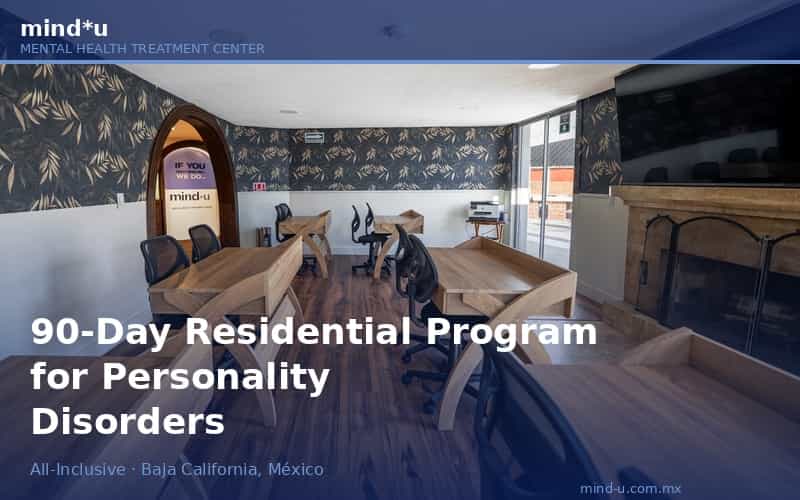
| Residential rehabilitation | Structured daily care, therapy, recovery skills, nutrition, sleep, and relapse prevention | How many individual therapy sessions are included each week? |
| Dual-diagnosis care | Substance use occurring with depression, anxiety, trauma, bipolar disorder, or other conditions | Is a licensed psychiatrist involved in diagnosis and treatment planning? |
| Family and aftercare services | Communication, boundaries, continuing therapy, support groups, and return-home planning | Will follow-up begin before you leave Mexico? |
Patient tip: Ask the center to describe a normal treatment day. A clear answer should explain medical reviews, individual counseling, group sessions, meals, exercise, personal time, family contact, medication management, and overnight supervision.
Who May Consider Addiction Treatment in Mexico
International treatment may be considered when you need structured care but face high private costs, long waiting periods, limited local options, privacy concerns, or repeated exposure to triggers at home. Mexico is especially accessible to patients from the United States and Canada, although patients also travel from the United Kingdom and other regions.
Travel is not suitable for every patient. Your condition should be reviewed before booking transportation because intoxication, withdrawal, severe psychiatric symptoms, uncontrolled medical conditions, or recent overdose may make international travel unsafe.
Addiction treatment in Mexico may be considered when
- You have been clinically assessed as stable enough to travel.
- You need residential structure away from home triggers.
- The center treats your specific substance and medical risks.
- You can arrange continuing care after returning home.
- You understand the program’s costs, rules, and treatment approach.
Local emergency care may be safer when
- You are confused, hallucinating, having seizures, or losing consciousness.
- You have severe vomiting, chest pain, breathing difficulty, or extreme agitation.
- You may harm yourself or someone else.
- You recently overdosed or used an unknown substance.
- You cannot travel safely without medical support.
Medical warning: Abruptly stopping heavy alcohol use or certain sedative medications can cause life-threatening withdrawal. Opioid withdrawal is often intensely distressing and may create additional risks through dehydration, relapse, or reduced tolerance. Obtain an individual medical assessment rather than attempting unsupported detoxification before a flight.
Evidence-Based Addiction Treatment Options in Mexico
Evidence-based addiction treatment combines appropriate medical care with psychological, behavioral, social, and recovery support. A single detoxification procedure, retreat, medication, or spiritual experience should not be presented as a guaranteed cure.
Your treatment plan should respond to the substance involved. Alcohol, opioids, stimulants, cannabis, sedatives, nicotine, and behavioral addictions do not all require the same medical or psychological approach.
| Mexico addiction treatment pathway | Main purpose | Important limitation |
|---|---|---|
| Medical detox | Stabilizes withdrawal and identifies urgent physical or psychiatric concerns | Detox does not by itself build long-term recovery skills. |
| Residential rehabilitation | Provides a controlled environment, therapy, daily structure, and relapse-prevention work | Program quality varies considerably between facilities. |
| Cognitive behavioral therapy | Helps identify triggers, beliefs, habits, and responses linked to substance use | It should be delivered by appropriately trained professionals. |
| Motivational interventions | Explores ambivalence and strengthens a patient’s reasons for change | Coercion and humiliation are not substitutes for therapeutic engagement. |
| Medication-supported treatment | May support alcohol or opioid treatment when prescribed for an appropriate patient | Medication availability and prescribing rules differ by country and facility. |
| Dual-diagnosis treatment | Addresses substance use and co-occurring mental health conditions together | A center needs qualified mental health clinicians, not only recovery coaches. |
| Peer and mutual-help support | Provides connection, accountability, shared experience, and ongoing encouragement | Peer support should complement professional treatment when clinical care is needed. |
For opioid use disorder, ask whether the center offers or coordinates evidence-based medication options and overdose-prevention planning. For stimulant use disorders, treatment often emphasizes structured behavioral therapies, contingency-based approaches, sleep restoration, psychiatric assessment, and continuing recovery support.
Key takeaway: The right addiction treatment program is not necessarily the most luxurious, restrictive, or expensive. It is the program that safely matches your diagnosis, medical risk, psychiatric needs, preferred treatment approach, and long-term recovery plan.
Addiction Treatment Demand and Patient Demographics in Mexico
Mexico’s 2025 national treatment-demand report recorded 172,380 people seeking care for psychoactive substance use during 2024. Of those patients, 85.1% were men and 14.9% were women, with an average age of 30.8 years.
These figures describe people recorded within Mexico’s National Addiction Care Network. They do not measure how many international patients travel to Mexico, and they should not be interpreted as national substance-use prevalence.
Mexico addiction treatment trend for amphetamine-type stimulants

Source: CONASAMA treatment-demand reports published in 2024 and 2025. The chart shows treatment demand, not general population prevalence.
Patient sex distribution in Mexico’s 2024 addiction treatment data

Source: CONASAMA, Demanda de tratamiento por consumo de sustancias psicoactivas en México, 2025.
| Mexico treatment-demand indicator | 2024 result | Patient-planning implication |
|---|---|---|
| Total people requesting treatment | 172,380 | Mexico has a substantial domestic network of public, private, and nonprofit services. |
| Average patient age | 30.8 years | Treatment programs should address employment, relationships, housing, and long-term reintegration. |
| Amphetamine-type stimulants as primary substance | 51.0% | Centers should be prepared to assess sleep disruption, mood symptoms, psychosis, and stimulant-related medical risks. |
| Alcohol as primary substance | 20.5% | Medical withdrawal assessment is essential for patients with prolonged heavy alcohol use. |
| Cannabis as primary substance | 12.6% | Treatment may focus on motivation, daily functioning, mental health, sleep, and relapse prevention. |
Cost of Addiction Treatment in Mexico in 2026
Current PlacidWay pricing data show an average quoted price of approximately $16,400 for addiction treatment in Mexico, with most participating clinic quotes ranging from $7,800 to $25,000. The pricing snapshot was last verified on June 1, 2026, across more than 19 clinic listings.
This range is not a national tariff. Short detox-focused stays, standard residential rehabilitation, dual-diagnosis programs, private rooms, luxury facilities, and specialized interventions can have very different prices and inclusions.
| Private addiction treatment market | Illustrative program price | Important context |
|---|---|---|
| Mexico | $7,800–$25,000 across current PlacidWay quotes | Platform average is approximately $16,400; program duration and inclusions vary. |
| United States | Around $25,000 or more for an illustrative private 30-day program | Luxury or high-acuity programs can cost considerably more. |
| Canada | Around $18,000 for an illustrative private 30-day program | Public access and private residential pricing differ by province and provider. |
| United Kingdom | Private residential care may reach $30,000–$45,000 for higher-cost programs | Length, accommodation, staffing, and psychiatric services affect comparability. |
Cost comparisons should use programs with similar duration, medical supervision, staffing, therapies, accommodation, and aftercare. A seven-day detox package cannot be fairly compared with a 30-day or 90-day residential rehabilitation program.
Addiction treatment cost items to confirm in Mexico
| Cost item | May be included | Possible extra charge |
|---|---|---|
| Initial medical and psychiatric assessment | Basic intake consultation | Specialist reviews, external consultations, or reassessment |
| Laboratory testing and ECG | Routine admission screening | Repeat testing, imaging, toxicology, or specialist diagnostics |
| Medical detox | Standard monitoring and prescribed treatment | Extended detox, complex withdrawal, or hospital care |
| Accommodation and meals | Shared or standard room and routine meals | Private suite, companion accommodation, dietary requests, or extended stay |
| Psychological therapy | Scheduled group sessions and limited individual therapy | Additional individual, trauma, couples, or family sessions |
| Emergency care | Basic on-site response | Ambulance, emergency department, hospitalization, or intensive care |
| Aftercare | Discharge plan or limited virtual check-ins | Long-term therapy, sober living, medication follow-up, or local specialist care |
Cost safeguard: Request an itemized written quote stating the program duration, room type, detox services, number of therapy sessions, medication policy, refund or transfer policy, and every service that may produce an additional charge.
Addiction Treatment in Mexico - Patient Testimonials
How to Choose a Licensed Addiction Treatment Center in Mexico
A safe search should begin with legal operation and clinical capability, not photographs, testimonials, celebrity endorsements, or promises of rapid recovery. Private residential centers in Mexico are expected to comply with the General Health Law and NOM-028-SSA2-2009.
CONASAMA maintains a national directory of recognized residential establishments. The directory was updated in May 2026 and identifies centers meeting minimum regulatory and human-rights requirements through its recognition program. Inclusion is useful evidence, but it is not a guarantee of results or a substitute for your own clinical review.
| Mexico addiction center credential | What to request | What it does not prove |
|---|---|---|
| NOM-028-SSA2-2009 compliance | Written explanation of how the program meets treatment, documentation, staffing, referral, and patient-rights requirements | It does not prove that every therapy offered is effective for your diagnosis. |
| CONASAMA recognition | Current listing, evaluation result, recognition document, and expiry or review status | It is not a ranking, commercial endorsement, or outcome guarantee. |
| COFEPRIS operating notice | Aviso de Funcionamiento and details of the Responsable Sanitario for health services | It does not establish that the center can safely manage every type of withdrawal. |
| Emergency transfer agreement | Name of the receiving hospital, transport method, estimated transfer time, and payment process | A transfer plan does not replace trained staff and immediate on-site stabilization. |
| Patient-rights policy | Consent, privacy, communication, complaint, discharge, belongings, visitation, and emergency policies | A written policy must still be followed consistently in daily practice. |
Addiction treatment center questions for Mexico
- What legal entity operates the center, and what is its registered address?
- Is the center currently listed by CONASAMA, and can you provide the evaluation record?
- Who is the responsible health professional named in the COFEPRIS notice?
- Which licensed clinician approves admission and detoxification?
- How many doctors, nurses, psychologists, and patients are present overnight?
- Which emergencies can be managed on site?
- Which hospital accepts transfers, and who pays for emergency treatment?
- How are medications stored, prescribed, administered, and documented?
- Can patients contact family members and request independent medical review?
- What happens when a patient wants to leave or requires a different level of care?
How to Verify Addiction Treatment Doctors in Mexico
Ask for the full legal name and professional license number, or cédula profesional, of every physician, psychiatrist, psychologist, and regulated health professional involved in your care. Mexico’s SEP National Registry of Professionals allows patients to check professional credentials online.
A physician treating complex withdrawal should have a valid medical cédula. A psychiatrist should also have a specialist cédula and, where claimed, current specialty-board certification through the applicable CONACEM-recognized council. A psychologist should have a professional psychology credential and relevant addiction-treatment training.
Medical leadership for addiction treatment
Confirm who can examine patients, prescribe medication, recognize withdrawal complications, and authorize hospital transfer.
Psychiatric care during addiction treatment
Verify whether a psychiatrist is available for co-occurring depression, anxiety, trauma, psychosis, bipolar symptoms, or suicide risk.
Psychological therapy in Mexico
Ask who delivers individual therapy, which approach is used, and how progress is documented and reviewed.
Nursing coverage for addiction treatment
Determine whether licensed nursing staff are physically present overnight or only available by telephone.
Verification tip: Do not accept “internationally trained,” “board eligible,” “addiction expert,” or “medical team available” as sufficient credential information. Request names, professional license numbers, specialties, schedules, and the clinical role of each person.
Safety Risks and Alternative Addiction Treatments in Mexico
Every addiction treatment approach carries limitations, and some patients require a hospital rather than a residential wellness setting. The center should identify withdrawal, overdose, cardiovascular, neurological, psychiatric, medication-interaction, and self-harm risks before treatment begins.
Some Mexican centers offer ibogaine or other psychedelic-assisted interventions. These treatments should not be described as proven cures. Ibogaine has been associated with prolonged QT intervals, dangerous ventricular arrhythmias, cardiac arrest, and reported deaths, including events in people without a previously identified cardiac condition.
Ibogaine caution: A patient considering ibogaine should receive an independent medical risk assessment and understand that pre-treatment testing cannot eliminate every risk. Ask about continuous cardiac monitoring, emergency medication, oxygen, defibrillation capability, licensed medical supervision, transfer arrangements, delayed complications, and post-treatment care.
Positive addiction treatment safety signals
- Assessment occurs before payment or travel.
- The center discusses reasons it may reject admission.
- Risks and alternatives are explained without pressure.
- Licensed clinicians are identified by name.
- Emergency transfer and aftercare plans are written.
- The center does not promise permanent recovery.
Addiction treatment warning signs in Mexico
- Guaranteed success or “one-session cure” claims
- Admission without reviewing medical records
- Unclear staff credentials or overnight coverage
- Pressure to send full payment immediately
- No hospital-transfer arrangement
- Forced confinement, violence, humiliation, or passport confiscation
Human dignity and autonomy remain essential during addiction care. Treatment should not involve physical punishment, degrading language, forced labor, intimidation, denial of necessary medical care, or unjustified isolation. Ask how the center obtains informed consent and handles a patient who withdraws consent.
Relapse also needs realistic discussion. A return to substance use does not automatically mean that treatment was useless, but it may signal that the plan, level of care, medication, living environment, or continuing support needs to change. Opioid tolerance may fall during abstinence, which can increase overdose risk if use resumes.
Travel and Recovery Planning for Addiction Treatment in Mexico
Travel should be arranged only after the receiving clinician confirms that you are medically suitable for the journey. Give the center accurate information about recent substance use, prescribed medications, seizures, overdoses, heart conditions, pregnancy, psychiatric symptoms, and previous withdrawal complications.
Check current Mexican immigration requirements for your nationality through the Instituto Nacional de Migración or a Mexican consulate. Confirm rules for every prescription medication you plan to carry, keep medication in its original packaging, and bring a prescription or physician’s letter when required.
| Timeframe | Biological or clinical process | Possible patient experience | Activity level | Action required |
|---|---|---|---|---|
| Two to four weeks before travel | Clinical review, medical records, risk assessment, and care matching | Anxiety, uncertainty, motivation, or ambivalence | Normal activity if medically stable | Complete assessments, verify credentials, confirm costs, and arrange aftercare. |
| Arrival and first 24 hours | Admission examination, medication reconciliation, toxicology, and safety screening | Fatigue, poor sleep, distress, cravings, or withdrawal symptoms | Closely supervised | Report all symptoms and substances honestly. |
| Early stabilization | Withdrawal monitoring, hydration, sleep restoration, nutrition, and psychiatric review | Symptoms vary widely by substance, dose, duration, and health status | Low to moderate, based on medical advice | Seek immediate review for worsening confusion, chest pain, seizures, breathing problems, or suicidal thoughts. |
| Residential treatment weeks | Therapy, behavior change, psychiatric stabilization, family work, and relapse-prevention planning | Improving clarity alongside cravings, grief, irritability, or emotional discomfort | Structured therapeutic activity | Participate in treatment and revise goals with the clinical team. |
| Discharge and return home | Transition from controlled care to daily-life risk management | Hope mixed with concern about triggers and responsibilities | Gradual return to routine | Begin local therapy, medication follow-up, peer support, and family planning immediately. |
Addiction treatment travel checklist for Mexico
- Written admission approval from the clinical team
- Passport, entry documents, and return-travel plan
- Prescription medications in original packaging
- Medical summary, laboratory results, and emergency contacts
- Written treatment quote and payment terms
- Travel health and medical evacuation coverage where available
- Receiving hospital and emergency-transfer information
- Family communication and confidentiality preferences
- Local therapist or physician appointment after returning home
- Copies of discharge records, medication list, test results, and aftercare plan
Continuity-of-care priority: Do not wait until the final day in Mexico to arrange aftercare. Your first local or virtual follow-up should be scheduled before discharge, with records transferred to the next qualified provider whenever possible.
Addiction Treatment in Mexico Decision Checklist
A strong treatment decision should remain defensible even after the attractive location, accommodation, testimonials, and marketing language are removed. Use the following checklist before making a nonrefundable payment.
| Decision area | Proceed when | Pause when |
|---|---|---|
| Clinical suitability | A qualified clinician has reviewed your records and accepted your case. | Admission is approved only by a salesperson or coordinator. |
| Licensing | Documents can be independently checked with Mexican authorities. | The center refuses to provide document numbers or legal names. |
| Emergency readiness | Staff, equipment, transport, and hospital arrangements match your risk level. | The response is limited to “we have never had an emergency.” |
| Treatment quality | The program explains assessment, therapy, medication, outcomes, and aftercare. | The main selling point is a rapid cure or secret treatment. |
| Financial clarity | The quote identifies inclusions, exclusions, refund terms, and emergency costs. | You are pressured to pay before seeing written terms. |
| Continuing recovery | Aftercare is scheduled and records will be transferred. | The program treats discharge as the end of recovery support. |
Frequently Asked Questions
Is addiction treatment in Mexico safe for international patients?
Addiction treatment in Mexico can be provided safely, but quality and emergency capacity vary. Verify NOM-028 compliance, current CONASAMA recognition where applicable, the COFEPRIS operating notice, clinical credentials, overnight staffing, medication controls, patient-rights policies, and hospital-transfer arrangements before admission.
How much does addiction treatment in Mexico cost in 2026?
Current PlacidWay quotes generally range from $7,800 to $25,000, with an average near $16,400. Your final price may change according to program length, detox complexity, psychiatric care, laboratory testing, accommodation, medications, emergency treatment, family therapy, and aftercare.
How long is residential addiction treatment in Mexico?
Short residential programs may last approximately three to six weeks, while extended programs may continue for several months. The appropriate duration depends on clinical progress, substance type, psychiatric needs, home stability, relapse risk, and the continuing-care resources available after discharge.
Should I detox before traveling to Mexico?
Do not attempt unsupported detoxification simply to prepare for travel. Alcohol, sedative, opioid, and polysubstance withdrawal can require medical management. A qualified clinician should decide whether you can travel safely, require local stabilization, or need medically supported transportation.
How can I verify a rehab center in Mexico?
Check the current CONASAMA directory of recognized residential establishments and request the center’s COFEPRIS operating notice and responsible health professional. Confirm the legal business name, address, NOM-028 compliance, patient-rights policy, emergency-transfer process, and recent evaluation status.
How do I verify an addiction doctor in Mexico?
Request the doctor’s full name and cédula profesional, then check the SEP National Registry of Professionals. For psychiatrists, verify a specialist cédula and any claimed specialty-board certification. Also confirm the doctor’s treatment role and physical availability during your stay.
Does insurance cover addiction treatment in Mexico?
Coverage depends on your insurer, policy, provider network, and documentation requirements. Many international programs require direct payment. Ask your insurer about overseas behavioral-health benefits, preauthorization, reimbursement, exclusions, emergency hospitalization, medical evacuation, and the records needed for a claim.
Is ibogaine a safe addiction treatment in Mexico?
Ibogaine remains an emerging and medically controversial intervention rather than a guaranteed cure. Published reports describe QT prolongation, dangerous heart rhythms, cardiac arrest, and deaths. Patients should obtain independent medical advice and carefully assess monitoring, emergency, transfer, and long-term treatment arrangements.
Can family members participate in addiction treatment in Mexico?
Many programs provide family education, counseling, virtual meetings, or discharge planning. Ask how frequently sessions occur, who leads them, whether interpretation is available, how confidentiality is protected, and whether family support continues after the patient returns home.
What happens if someone relapses after treatment in Mexico?
Relapse may indicate that treatment intensity, medication, psychiatric care, environment, or aftercare needs revision. Contact a qualified provider promptly. For opioid use, reduced tolerance after abstinence may increase overdose risk, making an overdose-prevention and emergency-response plan especially important.
Can I bring prescription medication to addiction treatment in Mexico?
Medication rules depend on the substance and current Mexican regulations. Inform the treatment center before travel, keep medication in original packaging, carry an appropriate prescription or physician’s letter, and confirm import requirements with Mexican authorities or a consulate.
Which Mexican city is best for addiction treatment?
No city is automatically safest or clinically superior. Tijuana, Ensenada, Cancún, Puerto Vallarta, and other destinations offer programs, but the facility’s licensing, medical team, treatment model, emergency access, aftercare, and suitability for your condition matter more than the location.
Compare Addiction Treatment Options in Mexico
PlacidWay can help you compare available providers, understand package costs, review treatment approaches, and prepare questions about licensing, clinical supervision, emergency care, and aftercare.
Request Addiction Treatment InformationDisclaimer: This information is for educational purposes only and does not replace professional medical advice. Always consult a qualified healthcare provider before making medical decisions.
References
- Demanda de tratamiento por consumo de sustancias psicoactivas en México, 2025 – CONASAMA
- Directorio Nacional de Establecimientos Residenciales Reconocidos – CONASAMA
- NOM-028-SSA2-2009 for the Prevention, Treatment and Control of Addictions – Diario Oficial de la Federación
- Operating and Responsible Health Professional Notices – COFEPRIS
- National Registry of Professionals and Professional License Search – Secretaría de Educación Pública
- International Standards for the Treatment of Drug Use Disorders – WHO and UNODC
- TIP 63: Medications for Opioid Use Disorder – SAMHSA
- Ibogaine and Cardiovascular Complications: Prolonged QT Interval and Ventricular Arrhythmias – PubMed Central





.png)
.png)
.png)








Share this listing