



Seeking help for mental health challenges combined with substance use disorders can be an overwhelming experience, especially when facing prohibitive healthcare costs in your home country. Dual-diagnosis treatment in Tijuana has emerged as a beacon of hope for international patients requiring specialized attention. This clinical approach addresses both a psychiatric condition—such as unresolved trauma, anxiety, or depression—and a co-occurring addiction simultaneously, rather than treating them in isolation.
Medical tourism for mental health provides an accessible pathway to recovery. In recent years, healthcare providers in Mexico have tailored their programs specifically for cross-border patients, ensuring therapies align with global standards. By addressing the root causes of psychological distress alongside addiction management, patients typically experience more sustainable recovery outcomes and improved overall well-being.
- Integrates mental health therapy with addiction recovery protocols.
- Focuses heavily on identifying underlying psychological triggers.
- Provides a structured, distraction-free environment for intensive healing.
- Employs multidisciplinary teams of psychiatrists, psychologists, and medical staff.
According to global psychiatric standards, treating substance use without addressing co-occurring mental health disorders significantly increases the likelihood of relapse.
The Role of Trauma-Informed Care in Recovery
At the core of an effective medical tourism in Tijuana recovery program is a methodology known as trauma-informed care. This psychological framework operates on the understanding that past traumatic experiences deeply impact an individual’s neurological and emotional development. Rather than asking "What is wrong with you?", a trauma-informed practitioner asks, "What happened to you?" to uncover the genesis of addictive behaviors.
Implementing trauma therapy abroad requires immense sensitivity and specialized training. Professionals guide patients through processing painful memories without causing re-traumatization. This safe, empathetic environment generally empowers individuals to develop healthier coping mechanisms, fostering resilience and emotional regulation crucial for long-term sobriety.
- Prioritizes emotional and physical safety above all else.
- Empowers patients through collaborative therapy and shared decision-making.
- Utilizes therapies designed to desensitize traumatic emotional responses.
- Focuses on building resilience rather than solely eliminating symptoms.
Trauma-informed care does not just rely on talking; it often incorporates somatic (body-based) therapies to help release stress stored in the nervous system.
Why Choose Medical Tourism in Tijuana for Mental Health
The geographical proximity of Tijuana to the United States makes it an exceptionally convenient hub for North Americans seeking affordable addiction treatment in Tijuana. A short drive or flight across the border transports patients to internationally recognized medical corridors dedicated to holistic wellness. This accessibility minimizes the travel-related stress often associated with seeking healthcare abroad.
Beyond convenience, the destination offers an environment inherently conducive to reflection and healing. Stepping out of one’s familiar environment frequently breaks the cycle of daily triggers. The welcoming culture, combined with highly private and serene retreat-like facilities, generally offers patients the tranquility needed to focus entirely on their recovery journey.
- Conveniently accessible via the San Diego border crossing.
- Removes patients from local environmental triggers and stressors.
- Offers culturally rich, empathetic, and hospitable care environments.
- Facilities are often designed as private, peaceful wellness retreats.
Over 1.2 million international patients travel to Mexico annually for various medical services, making it one of the leading global destinations for cross-border healthcare.
Affordable Dual-Diagnosis Treatment Cost in Tijuana vs. US
One of the most compelling reasons individuals research dual diagnosis rehab centers in Tijuana is the substantial financial relief. In regions like the United States and Canada, intensive inpatient mental health and addiction care can easily deplete life savings, especially when navigating limited insurance coverage. Healthcare structures in Mexico allow providers to offer world-class treatment at a fraction of the cost.
Understanding the cost of dual diagnosis treatment in Tijuana requires looking at the comprehensive care packages offered. These typically encompass clinical assessments, medical detox, room and board, individual psychotherapy, and holistic modalities. The table below illustrates standard market estimates, showcasing why cross-border care remains an economically viable lifeline.
| Treatment Phase / Procedure | Average Cost in Tijuana (USD) | Estimated Cost in US/Canada (USD) |
|---|---|---|
| Medical Detoxification (5-7 Days) | $1,500 - $3,000 | $5,000 - $10,000 |
| Inpatient Dual-Diagnosis Rehab (30 Days) | $6,000 - $12,000 | $20,000 - $50,000+ |
| Intensive Outpatient Program (Monthly) | $1,000 - $2,500 | $3,000 - $10,000 |
| Specialized Trauma Therapy (EMDR/CBT per session) | $60 - $120 | $150 - $300 |
Always request a comprehensive, itemized quote before traveling. This ensures you understand exactly what therapeutic modalities, medical evaluations, and daily amenities are included in your program.
Comprehensive Approaches to Addiction and Mental Health Therapy
Evidence-based therapeutic modalities form the backbone of any reliable mental health retreat Mexico offers. Medical tourists benefit from highly individualized care plans tailored to their unique psychological profiles. Clinical teams utilize advanced psychotherapeutic techniques designed to modify destructive behavioral patterns and address cognitive distortions.
Treatment is never a one-size-fits-all endeavor. Specialists generally rely on a combination of Cognitive Behavioral Therapy (CBT), Dialectical Behavior Therapy (DBT), and Eye Movement Desensitization and Reprocessing (EMDR). Together, these therapies give patients the tools necessary to manage severe anxiety, depression, and compulsive behaviors linked to their addiction.
- CBT: Helps identify and reshape negative thought patterns leading to substance use.
- DBT: Enhances emotional regulation and distress tolerance skills.
- EMDR: A specialized treatment effectively reducing the emotional charge of traumatic memories.
- Group Therapy: Fosters a sense of community, shared empathy, and peer support.
While holistic and therapeutic methods are highly effective, abrupt cessation of certain substances without medical supervision can be dangerous. Detoxification should always be conducted under the strict care of certified medical professionals.
Evaluating Specialized Rehab Clinics in Tijuana
Choosing the right destination for medical tourism for addiction treatment demands careful research. International patients must ensure they are selecting a facility that upholds rigorous medical and ethical standards. An effective clinic operates with complete transparency regarding its accreditations, treatment philosophies, and the qualifications of its clinical staff.
Prospective patients should seek out centers equipped specifically for dual-diagnosis care rather than standard detoxification clinics. The presence of board-certified psychiatrists and trauma-trained psychologists is non-negotiable. Furthermore, ensuring that the facility has a predominantly English-speaking staff is vital for preventing miscommunications during deep psychological therapy.
- Verify national medical licenses and international healthcare certifications.
- Ensure the presence of a dedicated psychiatric team for dual-diagnosis care.
- Inquire about the patient-to-staff ratio to ensure personalized attention.
- Confirm the fluency of clinical staff to ensure seamless communication in English.
Many specialized clinics in Mexico belong to international medical tourism associations, meaning they voluntarily submit to quality and safety audits that align with North American healthcare standards.
Safety and Quality Standards for Medical Tourists in Mexico
Safety is understandably a primary concern for individuals considering trauma therapy abroad. The medical districts in Tijuana are distinctly focused on patient security, privacy, and clinical excellence. Specialized facilities dedicated to international visitors generally operate within secure, gated campuses offering discreet, continuous monitoring to protect patient confidentiality.
In terms of clinical safety, reputable dual-diagnosis centers enforce strict medical protocols similar to those found in the US and Canada. This includes 24/7 nursing care during the crucial detoxification phase, sterile medical environments, and secure medication management. The priority is creating an atmosphere where patients feel physically protected so they can focus entirely on emotional vulnerability.
- Facilities often feature secure, monitored, and highly private premises.
- Continuous, round-the-clock medical supervision during early recovery stages.
- Strict adherence to patient confidentiality and privacy regulations.
- Pre-arranged, secure transportation from the border directly to the clinical center.
Baja California’s medical sector is a major economic driver, which means local authorities heavily invest in the infrastructure and security of healthcare corridors catering to international tourists.
What to Expect During Your Recovery Journey Abroad
Embarking on a journey for dual-diagnosis treatment in Tijuana begins long before arriving at the clinic. The process starts with a comprehensive virtual assessment, allowing the clinical team to evaluate the severity of the substance use and concurrent mental health disorders. This crucial step ensures that the facility is fully prepared to meet the patient’s specific medical and psychological needs upon arrival.
Once admitted, patients typically progress through structured phases: stabilization, deep therapeutic intervention, and transition planning. Daily schedules are robust, balancing intense psychotherapy sessions with nutritional restoration and rest. While the work is emotionally demanding, the structured environment generally fosters rapid personal insight and profound emotional breakthroughs.
- Phase 1: Medical assessment and medically supervised detoxification.
- Phase 2: Intensive daily psychotherapy and trauma processing.
- Phase 3: Life skills development and healthy habit formation.
- Phase 4: Discharge planning and preparation for transitioning home.
Studies indicate that residential treatment programs lasting 30 days or more generally yield significantly higher long-term sobriety rates compared to shorter interventions.
Holistic Therapies Complementing Traditional Psychiatric Care
A major draw of seeking a mental health retreat Mexico offers is the seamless integration of holistic healing practices alongside traditional psychiatry. Dual-diagnosis recovery is not just about treating the mind; it requires healing the body and spirit. By treating the whole person, clinics ensure that patients discover natural, sustainable ways to manage stress and anxiety.
These complementary modalities are essential components of trauma-informed care. Activities such as mindfulness, physical movement, and creative expression allow individuals to bypass intellectual defenses and connect with their inner emotional landscapes. Most patients find that these holistic tools become vital cornerstones of their daily routines post-treatment.
- Mindfulness and Meditation: Techniques to anchor individuals in the present moment.
- Yoga and Somatic Movement: Helps release physical tension and trauma stored in the body.
- Art and Music Therapy: Offers non-verbal avenues for processing complex emotions.
- Nutritional Counseling: Rebuilds physical health depleted by prolonged substance use.
Keep an open mind regarding holistic treatments. Even if you have never practiced yoga or meditation, these modalities are carefully adapted by professionals to support nervous system regulation during recovery.
Preparing for Your Medical Travel to Tijuana
Proper preparation minimizes anxiety when planning medical tourism in Tijuana for behavioral health. Travel logistics for medical care require careful coordination, beginning with ensuring all travel documents, such as a valid passport, are up to date. It is also crucial to coordinate medical history transfers, ensuring your destination clinic has access to previous psychiatric records and current medication lists.
Equally important is mental and emotional preparation. Acknowledging the need for help and committing to an intensive program abroad requires immense courage. Patients are encouraged to set clear intentions for their recovery, establish a supportive communication plan with family back home, and pack comfortably for a month-long therapeutic journey.
- Ensure your passport is valid for at least six months beyond your travel date.
- Gather and securely transmit all relevant medical and psychological health records.
- Pack comfortable, conservative clothing suitable for daily therapy and holistic activities.
- Discuss a communication schedule with your family, respecting the clinic's digital detox rules.
Many specialized rehab programs implement a "digital detox" period upon arrival, temporarily restricting phone and internet access to help patients focus entirely inward without external distractions.
Aftercare and Relapse Prevention Planning
Completing an affordable addiction treatment in Tijuana program is a monumental achievement, but it is only the beginning of a lifelong recovery journey. The transition back to everyday life presents new challenges, making a robust aftercare plan absolutely critical. Effective medical tourism facilities do not abandon their patients at discharge; instead, they architect a comprehensive blueprint for maintaining sobriety.
Relapse prevention strategies are tailored to the individual's specific trauma triggers and home environment. This phase typically involves connecting the patient with local psychiatrists or support groups in their home city. By establishing a continuum of care, patients are generally better equipped to navigate life’s stressors without returning to substance use.
- Detailed relapse prevention strategies identifying specific personal triggers.
- Coordination with local healthcare providers for ongoing psychiatric medication management.
- Access to virtual tele-therapy sessions with the original clinical team.
- Integration into online alumni support networks for peer encouragement.
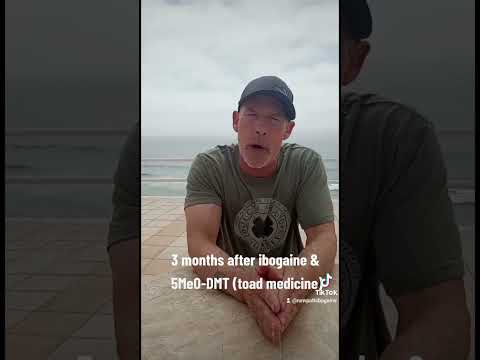
Real Experiences with Trauma Therapy Abroad
Understanding the impact of a dual diagnosis rehab centers in Tijuana is often best achieved through the voices of those who have walked the path. International medical tourists frequently report life-changing transformations, highlighting the profound empathy of the clinical staff and the sanctuary-like environments provided.
While every recovery journey is deeply personal and results naturally vary, shared experiences shed light on the realities of cross-border treatment. These condensed case summaries reflect the common themes of empowerment, comprehensive trauma healing, and the financial accessibility of care in Mexico.
Overcoming PTSD and Dependency
A patient from California struggled with alcohol dependency linked to severe workplace trauma. They noted that the EMDR therapy provided in Tijuana was transformative, offering a level of deep psychological care they could not afford back home, leading to sustained sobriety.
Healing in a Serene Environment
An individual from Canada seeking dual-diagnosis care emphasized the importance of the facility's peaceful, retreat-like setting. The combination of CBT and holistic yoga allowed them to regulate their severe anxiety while safely detoxing from prescription medications.
Affordable Lifesaving Care
A family from Texas shared their relief at finding high-quality trauma-informed care for their son. They reported that the multidisciplinary team in Mexico was highly attentive, and the overall cost was a fraction of what they were quoted locally.
Empathetic and Bilingual Staff
A professional suffering from depression and substance use highlighted the complete absence of a language barrier. They felt fully understood by the English-speaking psychological team, which was critical for their willingness to be vulnerable during therapy sessions.
How PlacidWay Assists Your Dual-Diagnosis Medical Tourism Journey in Tijuana
Navigating international healthcare options can feel daunting when you are prioritizing your mental health. PlacidWay serves as a crucial bridge, connecting medical tourists with thoroughly evaluated healthcare providers globally. Our platform is designed to empower your decisions through transparency and comprehensive information.
By utilizing our resources, patients seeking behavioral health support can focus on their recovery goals rather than the complexities of international medical research. We aim to facilitate access to life-changing treatments through a patient-centric, informative approach.
- Provides access to a vast network of rigorously vetted international healthcare facilities.
- Offers transparent, detailed provider profiles, highlighting accreditations and clinical expertise.
- Empowers patients with comprehensive educational resources regarding medical treatments abroad.
- Facilitates direct communication channels between patients and top-tier global medical teams.
- Advocates for patient safety, quality care, and ethical standards in international healthcare.
Frequently Asked Questions About Dual-Diagnosis Care in Tijuana
Deciding to pursue healthcare across borders naturally brings up numerous logistical and clinical questions. Gaining clarity on these common concerns is an essential step in preparing for a successful medical journey.
Below are frequently asked questions addressing the core aspects of traveling to Mexico for mental health and addiction recovery.
What exactly is dual-diagnosis treatment?
Dual-diagnosis treatment is a clinical approach that addresses both a mental health disorder, such as trauma or depression, and a co-occurring substance use disorder simultaneously. Treating both conditions together generally leads to better long-term recovery outcomes.
Why is trauma-informed care important in addiction recovery?
Trauma-informed care recognizes that unhealed trauma often fuels substance abuse. By ensuring treatments avoid re-traumatizing the patient and focus on emotional safety, individuals can process underlying issues more effectively.
Is it safe to travel to Tijuana for medical treatments?
Yes, thousands of international patients safely visit Tijuana annually for healthcare. Medical tourists typically utilize secure transport services and stay within established clinical facilities or dedicated recovery retreats designed for international visitors.
How much can I save on dual-diagnosis rehab in Tijuana?
Patients generally save between 50% and 70% on comprehensive dual-diagnosis programs in Tijuana compared to typical out-of-pocket costs in the United States or Canada, without sacrificing the quality of professional care.
Are the medical professionals in Mexico properly certified?
Reputable facilities employ psychiatrists, psychologists, and addiction specialists who hold valid national medical licenses. Many have also completed international training or hold certifications recognized in North America.
Do I need a passport to receive treatment in Tijuana?
Yes, international patients traveling from the United States, Canada, or other countries must have a valid passport to cross the border into Mexico and to return to their home country.
Will there be a language barrier at the rehab center?
Most specialized facilities catering to medical tourists in Tijuana employ bilingual staff. Clinical assessments, therapy sessions, and daily communications are typically conducted fully in English.
How long does a typical inpatient dual-diagnosis program last?
While treatment durations vary based on individual needs, most foundational inpatient programs last between 30 and 90 days. This timeframe generally allows for safe detoxification, intensive therapy, and stabilization.
What happens after I complete my program in Mexico?
High-quality facilities typically provide detailed aftercare planning. This may include referrals to local therapists in your home country, virtual check-ins, or online alumni support groups to aid relapse prevention.
Can I use my health insurance for treatment in Tijuana?
While some specialized international insurance policies offer out-of-network reimbursement, most medical tourists pay directly out-of-pocket. It is advised to consult directly with your insurance provider regarding cross-border healthcare coverage.
Ready to explore affordable, high-quality dual-diagnosis care options? Let PlacidWay guide your journey toward healing.
Medical Disclaimer: This article is for informational purposes only and is not medical advice. Always consult a qualified healthcare provider before any medical decisions. Results may vary. Read Full Disclaimer here.
References
- National Institute on Drug Abuse (NIDA). Part 1: The Connection Between Substance Use Disorders and Mental Illness. https://www.ncbi.nlm.nih.gov/books/NBK571451/
- National Center for Biotechnology Information (NCBI). Trauma-Informed Care in Behavioral Health Services. https://www.ncbi.nlm.nih.gov/books/NBK207201/
- American Psychiatric Association (APA). What Is Cognitive Behavioral Therapy? https://www.apa.org/ptsd-guideline/patients-and-families/cognitive-behavioral
- World Health Organization (WHO). Mental Health and Substance Use. https://www.who.int/teams/mental-health-and-substance-use






.png)
.png)
.png)
.png)












Share this listing