
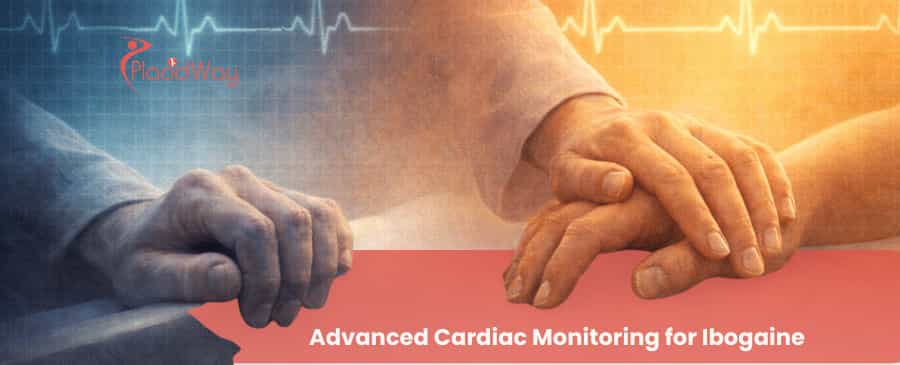
The landscape of alternative medicine has shifted significantly toward safety and clinical precision, especially regarding advanced cardiac monitoring for ibogaine in Mexico. As more international patients seek out this alkaloids-based therapy for various neurological and dependency-related conditions, the emphasis on heart health has become the cornerstone of reputable facilities. Patients from the United States, Canada, and Europe often travel to Mexico to access a level of clinical oversight that combines traditional care with modern diagnostic technology.
Ibogaine therapy is a powerful experience that requires more than just a comfortable setting; it demands a high-tech medical environment. Because the substance interacts with the heart’s electrical pathways, safe ibogaine treatment in Mexico relies heavily on real-time data. This involves sophisticated equipment capable of tracking subtle changes in heart rhythm, ensuring that every patient remains within a safe physiological range throughout their journey. This level of care is what distinguishes professional medical centers from less regulated alternatives.
The primary cardiac concern with ibogaine is "QT prolongation," a condition where the heart's electrical system takes longer than usual to recharge between beats. Advanced monitoring is designed specifically to catch this immediately.
Why Mexico is a Leader in Ibogaine Safety Standards?
Mexico has emerged as a global hub for specialized healthcare, particularly in the realm of medical tourism for ibogaine. The country’s regulatory environment allows for the clinical application of substances that remain restricted elsewhere, but this freedom has been met with a rigorous self-imposed standard of medical excellence. Leading facilities in Mexico have adopted international protocols for patient safety, ensuring that they provide a service that is both effective and medically sound.
The advancement of ibogaine safety protocols in Mexico is driven by a commitment to data-driven medicine. Facilities are often staffed by board-certified cardiologists and emergency medicine specialists who oversee the administration of the treatment. This infrastructure provides a safety net that is critical for patients who may have underlying health vulnerabilities. By prioritizing cardiac health, Mexican centers have set a high bar for the rest of the world to follow in the field of integrative medicine.
Statistics suggest that facilities utilizing 24/7 cardiac monitoring and pre-screening have a significantly lower rate of adverse events compared to non-clinical settings.
The Importance of EKG and Real-Time Vitals in Mexico
When undergoing ibogaine therapy in Mexico, the most critical piece of equipment is the Electrocardiogram (EKG). An EKG provides a visual representation of the heart’s electrical activity, allowing doctors to monitor the "waves" of each heartbeat. During the intensive phase of the treatment, patients are typically connected to a multi-lead EKG that transmits data to a central nursing station. This ensures that even the slightest deviation from a normal rhythm is noticed instantly by the medical staff.
In addition to EKG, advanced cardiac monitoring for ibogaine in Mexico includes the tracking of blood pressure, oxygen saturation, and pulse rate. These vitals provide a holistic view of the patient’s physical state while they are in an altered state of consciousness. Real-time vitals are essential because ibogaine can cause fluctuations in heart rate (bradycardia) and blood pressure. Having a dedicated medical professional monitor these metrics 24/7 is a standard practice in top-tier Mexican clinics.
Case Summary: Prioritizing Safety
"I was nervous about the physical toll, but the medical team in Mexico was incredible. They had me hooked up to a monitor the entire time, and seeing the nurse check my EKG every hour made me feel incredibly safe. It allowed me to focus on my internal experience without worrying about my heart." — Mark S., UKAffordable Ibogaine Cardiac Monitoring Cost in Mexico
One of the primary reasons patients choose medical tourism in Mexico is the accessibility and value of the care provided. While the technology used is equivalent to that found in major hospitals in the US or Europe, the overall ibogaine cost in Mexico is significantly lower due to lower operational overhead. This allows clinics to include high-end cardiac monitoring and specialized medical staffing within their standard treatment packages without making the cost prohibitive for the average patient.
The cost typically covers the full duration of the stay, including the medication, the medical team's fees, and the use of the monitoring technology. Below is a detailed comparison of what patients can expect regarding the cost of safe ibogaine treatment in Mexico versus other regions where similar levels of medical care might be sought for intensive detoxification or experimental therapies.
| Procedure / Service | Average Cost in Mexico | Cost in USA/Canada (Comparison) |
|---|---|---|
| Full Ibogaine Therapy Package | $5,500 - $8,500 | $15,000+ (Experimental/Rehab) |
| Advanced Cardiac Monitoring (24/7) | Included in Package | $1,500 - $3,000 extra |
| Pre-Treatment EKG & Blood Panels | $250 - $500 | $800 - $1,200 |
| Specialist Doctor Oversight | Included in Package | $2,000+ per day |
Safety Protocols for Cardiac Health During Ibogaine Treatment
A rigorous approach to ibogaine safety protocols is what saves lives. In Mexico, the process begins long before the patient arrives at the clinic. It starts with a comprehensive review of the patient's medical history, specifically looking for any history of arrhythmias, heart attacks, or congenital heart defects. These protocols are non-negotiable and serve as the first line of defense against potential complications during the procedure.
Once on-site, the safety protocol shifts to active prevention. This includes the administration of electrolytes like magnesium and potassium, which are vital for maintaining heart rhythm stability. During the treatment, advanced cardiac monitoring for ibogaine in Mexico ensures that if the heart's rhythm slows down too much—a common side effect—the medical team is ready with pharmacological interventions. This proactive stance is what defines clinical excellence in the region.
Always request a copy of the clinic's emergency protocols and ask if they have ACLS-certified staff on-site 24/7.
The Role of Specialized Medical Teams in Mexico
The human element is just as important as the technology in advanced cardiac monitoring for ibogaine in Mexico. Specialized medical teams typically consist of an attending physician, often with a background in anesthesiology or cardiology, and a team of nurses who are experienced in critical care. These professionals are trained to interpret EKG readings in the specific context of ibogaine administration, recognizing patterns that might be misinterpreted by those unfamiliar with the substance.
These teams work in shifts to provide round-the-clock observation. Their role extends beyond just watching a monitor; they provide the psychological support and physical comfort that patients need during the intensive 24- to 48-hour period of the therapy. The presence of a medical team in Mexico that is fluent in both the science of the heart and the nuances of ibogaine therapy provides an unparalleled level of security for the patient and their family.
According to global health surveys, Mexico ranks in the top 10 destinations for medical tourism, with cardiac and elective procedures being among the highest-rated for quality and safety.
Pre-Treatment Screening and Diagnostic Cardiac Tests
To ensure a safe ibogaine treatment in Mexico, the diagnostic phase is incredibly thorough. Every patient is typically required to undergo a resting EKG and a comprehensive metabolic panel. In many cases, if a patient is over a certain age or has a history of high blood pressure, clinics may also require a stress test or an echocardiogram to assess the structural integrity of the heart. This "clearing" process is vital for identifying high-risk individuals who should not undergo the procedure.
The screening for ibogaine in Mexico also looks at the patient’s medication history. Certain drugs, such as some antidepressants, antifungals, and even some antibiotics, can interact with ibogaine to further prolong the QT interval. The medical team will typically manage a "washout" period to ensure these substances are out of the patient’s system before the treatment begins. This meticulous preparation is a hallmark of professional Mexican clinics.
Case Summary: The Screening Process
"I was actually turned away initially because my potassium levels were low and my EKG showed a minor irregularity. The clinic helped me stabilize my levels for two weeks before they would even consider starting the treatment. That told me they cared more about my life than my money." — Sarah L., CanadaManaging QT Interval Prolongation in a Medical Setting
Understanding and managing QT interval prolongation is perhaps the most technical aspect of advanced cardiac monitoring for ibogaine in Mexico. The QT interval represents the time it takes for the heart's lower chambers to contract and then refill with blood. Ibogaine can extend this time, which in rare cases can lead to a dangerous heart rhythm called Torsades de Pointes. In a controlled medical setting, doctors use continuous monitoring to track the "corrected QT" (QTc) interval.
If the QTc interval reaches a certain threshold, the medical team is prepared to act. This may involve slowing the administration of the dose or providing intravenous magnesium, which helps stabilize the heart's electrical activity. By having these cardiac safety measures in Mexico, the risk associated with ibogaine is significantly mitigated. This level of management is simply not possible in non-clinical or "underground" settings.
Patients with pre-existing Long QT Syndrome or those taking medication that prolongs the QT interval are typically contraindicated for ibogaine treatment due to high cardiac risk.
Medical Tourism in Mexico for Safe Ibogaine Administration
The rise of medical tourism for ibogaine in Mexico has led to the development of world-class facilities that cater specifically to international patients. These clinics are often located in serene environments—near the coast or in quiet suburban areas—providing a peaceful backdrop for recovery. However, the beauty of the location is always secondary to the medical infrastructure. Patients can expect modern rooms equipped with hospital-grade monitoring systems.
Navigating the logistics of treatment in Mexico is also made easier by the country's proximity to the United States and its well-developed travel infrastructure. Many clinics offer pick-up services from major airports, ensuring a seamless transition from the airport to the clinical environment. This ease of access, combined with the high standard of cardiac care, makes Mexico the premier destination for those seeking this specialized therapy.
Many Mexican medical facilities are accredited by international organizations, ensuring that they meet global standards for cleanliness, equipment calibration, and staff training.
Clinical Excellence in Post-Treatment Recovery and Observation
The need for advanced cardiac monitoring for ibogaine in Mexico doesn't end when the primary effects of the substance wear off. The "gray day"—the 24 hours following the main session—is a critical period for physical recovery. During this time, the heart and nervous system are gradually returning to their baseline state. Continued observation ensures that there are no "rebound" effects or late-onset irregularities as the body metabolizes the remaining alkaloids.
Post-treatment care in Mexico also includes nutritional support and hydration therapy. Intravenous (IV) fluids are often used to ensure that electrolyte balances are maintained, which is essential for heart health. Patients are encouraged to rest in a monitored environment where they can be slowly "weaned" off the cardiac equipment as their vitals stabilize. This phased approach to ibogaine recovery in Mexico ensures that patients leave the clinic in the best possible physical condition.
Case Summary: The Recovery Phase
"Even after the 'visionary' part was over, the doctors kept me on the heart monitor for another full day. They explained that my heart was still working through the medicine. That extra day of observation gave me the peace of mind I needed to start my integration process." — Javier R., USAPatient Criteria and Essential Contraindications for Ibogaine
A major part of safe ibogaine treatment in Mexico is knowing who not to treat. Medical centers have strict exclusion criteria based on cardiac and general health. Contraindications typically include a history of congestive heart failure, severe valvular disease, or recent heart surgery. Additionally, patients with severe liver or kidney dysfunction are often excluded because these organs are responsible for processing the ibogaine, and any failure there can lead to toxic levels in the blood, affecting the heart.
Mental health is also a factor in the screening for ibogaine in Mexico. While the focus is often on the heart, a patient’s psychological stability is screened to ensure they can handle the intensity of the experience. By adhering to these strict criteria, Mexican clinics maintain a high standard of safety, ensuring that the procedure is only performed on individuals whose bodies are capable of handling the physiological stress of the therapy.
The half-life of ibogaine's primary metabolite, noribogaine, can be quite long, which is why monitoring for at least 48-72 hours is the clinical gold standard.
Navigating the Legal and Regulatory Framework in Mexico
Understanding the legal status is crucial for anyone considering medical tourism for ibogaine in Mexico. Ibogaine is not a controlled substance in Mexico, meaning it is not illegal to possess or administer it. However, this does not mean it is an "unregulated" industry. Reputable clinics operate under general medical licenses and must follow health department (COFEPRIS) regulations regarding clinical facilities, hygiene, and emergency preparedness.
This regulatory environment allows for a level of transparency that isn't possible in countries where the substance is banned. Clinics can openly employ medical professionals, purchase high-grade monitoring equipment, and establish protocols that align with advanced cardiac monitoring for ibogaine in Mexico. This legal clarity provides a safer, more professional experience for the patient, as everything is done "above board" with full medical accountability.
Verify that the clinic has a physical address and is willing to provide documentation of their medical licenses and the credentials of their lead physicians.
How PlacidWay Assists Your Ibogaine Medical Tourism Journey in Mexico?
- PlacidWay provides a comprehensive platform to explore various safe ibogaine treatment centers in Mexico, allowing you to compare their medical infrastructure and safety standards.
- We assist in connecting you with facilities that prioritize advanced cardiac monitoring for ibogaine in Mexico, ensuring your health is the top priority.
- Our platform offers transparent information about the cost of ibogaine therapy in Mexico, helping you understand what is included in your medical package.
- PlacidWay helps you access detailed profiles of medical teams, including their certifications in cardiology and emergency medicine.
- We provide a streamlined way to request information and receive initial consultations from reputable Mexican clinics from the comfort of your home.
- Our resources help you understand the necessary pre-travel medical tests, such as EKGs and blood work, required for clinical approval.
- PlacidWay offers a wealth of patient reviews and case summaries to help you gain insight into the experiences of other international medical tourists.
- We facilitate communication between you and the clinic to ensure all your safety-related questions are answered before you book your journey.
Case Summary: Peace of Mind
"Using PlacidWay to find a clinic in Mexico was the best decision. I could see exactly which clinics had the best cardiac equipment and doctor credentials. It took the guesswork out of a very important medical decision." — Robert T., AustraliaFrequently Asked Questions
Ibogaine is known to affect the heart's electrical system, specifically the QT interval. Continuous monitoring ensures that medical professionals can intervene immediately if any irregularities occur.
Yes, ibogaine is not a scheduled substance in Mexico, allowing specialized medical facilities to offer treatment under strict clinical supervision for international patients.
The cost generally ranges from $5,000 to $9,000, which typically includes the medication, medical monitoring, and inpatient care.
The active phase of the treatment usually lasts between 24 to 36 hours, but patients are generally monitored for several days afterward.
Most citizens from the US, Canada, and the UK only need a standard tourist visa or FMM, but it is best to check current Mexican consulate guidelines.
Patients must undergo an EKG (Electrocardiogram) and often a stress test or echocardiogram to ensure their heart can safely handle the treatment.
Facilities specializing in ibogaine typically employ ACLS-certified doctors and nurses who are specifically trained to manage cardiac events.
Most medical tourism packages allow for a companion, though their presence in the actual treatment room is usually restricted during the intensive monitoring phase.
If an issue is detected, the medical team may administer corrective medications, adjust the dosage, or transfer the patient to a full-service hospital if necessary.
Most patients experience physical fatigue for 3-5 days and are advised to avoid strenuous activity for at least two weeks following treatment.
Ready to take the next step in your health journey?
PlacidWay is here to help you find the safest, most professional cardiac-monitored ibogaine treatment in Mexico. Connect with experts today!
References
- National Institutes of Health (NIH). Ibogaine-induced cardio-toxicity and its mechanism. https://pmc.ncbi.nlm.nih.gov/articles/PMC9292417/
- World Health Organization (WHO). International standards for medical tourism and patient safety. https://www.who.int/news-room/fact-sheets/detail/patient-safety
- American Heart Association (AHA). Understanding QT Prolongation and Arrhythmia. https://www.heart.org/en/health-topics/arrhythmia
- Wikipedia. Ibogaine: Medical and Safety Overview. https://en.wikipedia.org/wiki/Ibogaine
- Journal of Medical Case Reports. Cardiac Monitoring in Emergency Settings for Alkaloid Toxicity. https://jmedicalcasereports.biomedcentral.com/








.png)
.png)
.png)
.png)


.jpg)
.jpg)
.jpg)
.jpg)








Share this listing