


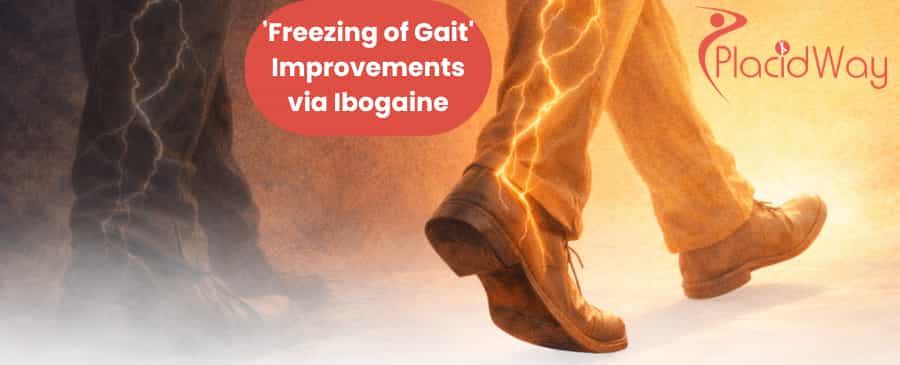
Freezing of Gait (FOG) is one of the most debilitating symptoms for those living with Parkinson’s disease and other parkinsonian syndromes. It is described as a sudden, transient inability to move the feet forward despite the intention to walk, often feeling as if one's feet are glued to the floor. This symptom significantly increases the risk of falls and diminishes the quality of life for thousands of patients worldwide who seek innovative solutions beyond traditional pharmaceuticals.
In recent years, innovative neurological therapies in Mexico have gained international attention, specifically the use of Ibogaine. While traditionally known for its application in addiction recovery, emerging anecdotal evidence and preliminary research suggest that Ibogaine may offer neuroprotective benefits. Patients traveling for Ibogaine treatment in Mexico often seek to modulate their dopamine systems and potentially reduce the frequency and severity of gait-related challenges.
Ibogaine is a naturally occurring alkaloid found in the root bark of the African shrub Tabernanthe iboga, which has been used for centuries in traditional West African spiritual ceremonies.
Mechanism of Ibogaine for Parkinson's Symptoms
To understand why patients consider neurological ibogaine therapy in Mexico, it is essential to look at how this substance interacts with the brain. Ibogaine is believed to promote the expression of Glial Cell-Derived Neurotrophic Factor (GDNF). GDNF is a protein that supports the survival and function of dopaminergic neurons, the very cells that degenerate in Parkinson's disease. By potentially stimulating these factors, Ibogaine may help stabilize the motor control centers of the brain.
Furthermore, Ibogaine acts on multiple neurotransmitter systems, including serotonin, glutamate, and nicotinic receptors. This broad-spectrum interaction typically helps in resetting certain neural pathways. For patients experiencing Freezing of Gait, this neuro-reset may lead to a more fluid transition between resting and moving states. However, it is important to note that these mechanisms are still being studied extensively in clinical environments.
Research suggests that GDNF can help protect dopamine-producing neurons, which are critical for smooth motor function and the prevention of gait "freezing" episodes.
Why Patients Choose Mexico for Ibogaine Therapy?
Mexico has emerged as a global hub for specialized medical travel because Ibogaine is not a controlled substance in the country, unlike in the United States or many parts of Europe. This legal landscape allows medical professionals to develop structured protocols within specialized clinics. For international patients, accessing alternative Parkinson's care in Mexico represents an opportunity to explore treatments that are currently unavailable or highly restricted in their home countries.
Beyond the legal aspects, Mexico offers a robust infrastructure for medical tourism. Many clinics are located in accessible coastal or border areas, offering a serene environment conducive to neurological recovery. The presence of highly experienced medical teams who have performed thousands of Ibogaine sessions provides a level of clinical expertise in Mexico that is difficult to find elsewhere in the Western Hemisphere.
When choosing a destination, prioritize clinics that are within a reasonable distance of major Mexican airports to minimize travel fatigue, which can exacerbate Parkinson's symptoms.
Cost Comparison of Ibogaine Treatment in Mexico
The cost of Ibogaine therapy in Mexico is a significant factor for many families. While the treatment is not inexpensive, it is often more accessible than the cumulative long-term costs of advanced neuro-rehabilitative therapies or experimental trials in other regions. Prices typically cover the medical procedure, professional supervision, pre-treatment screening, and the recovery period within the facility.
Generally, patients find that medical tourism in Mexico offers a higher value for comprehensive care. The following table provides a realistic market range for the procedures involved. Please note that prices are averages and can vary based on the level of luxury and medical intensity required for the patient's specific condition.
| Procedure/Service Name | Average Cost in Mexico (USD) | Comparable Int'l Costs (USD) |
|---|---|---|
| Standard Ibogaine Protocol (5-7 Days) | $5,000 - $8,500 | $12,000+ (Estimated Alternative Care) |
| Advanced Neuro-Monitoring Session | $1,500 - $3,000 | $5,000+ (In-patient Neuro-rehab) |
| Pre-Treatment Medical Clearance | $500 - $1,200 | $2,000+ (Private Out-of-pocket) |
Ideal Candidate for Ibogaine Protocols
Not every individual with Parkinson’s or Freezing of Gait is a candidate for safe Ibogaine administration in Mexico. Because Ibogaine places significant stress on the cardiovascular system, patients must undergo rigorous screening. The ideal candidate typically has a strong heart, no history of major psychiatric disorders like schizophrenia, and is in a stage of Parkinson's where they can still physically tolerate the intensity of a 24-hour treatment session.
Clinics specifically look for patients whose Parkinson's symptoms in Mexico are primarily motor-focused. Those experiencing severe cognitive decline or dementia may be excluded to ensure safety. A thorough review of the patient's current medication list is also vital, as many Parkinson’s drugs can interact with Ibogaine, requiring a carefully managed "washout" period or adjustment supervised by the medical staff.
The "washout" period is a critical phase where a patient slowly reduces certain medications to ensure there are no dangerous interactions during the Ibogaine session.
Safety Protocols and Medical Supervision in Mexican Clinics
The safety of medical tourism for Ibogaine in Mexico depends heavily on clinical standards. High-quality facilities employ board-certified doctors, nurses, and ACLS-certified (Advanced Cardiovascular Life Support) staff. Continuous EKG monitoring for Ibogaine is the gold standard, as the substance is known to prolong the QT interval of the heart, which can be dangerous if not monitored in real-time by an expert.
Beyond cardiac safety, clinics should offer a controlled, sterile environment with emergency equipment on-site. The best Ibogaine clinics in Mexico emphasize a "medical-first" approach, ensuring that the patient's vitals are checked every hour and that hydration and electrolyte balance are maintained throughout the journey. This level of supervision is what distinguishes professional medical centers from less regulated retreats.
Never undergo Ibogaine therapy in a setting that lacks continuous heart monitoring and on-site medical professionals. Cardiac safety is the most critical aspect of this procedure.
Ibogaine Treatment Journey for Neurological Health
A typical neurological ibogaine journey in Mexico begins long before the patient arrives. It starts with a comprehensive medical intake, including blood work and cardiovascular tests. Once on-site, the first day is usually dedicated to acclimatization and a "test dose" to ensure the patient does not have an adverse allergic or hypersensitive reaction to the alkaloid. This is followed by the "flood dose" or the primary therapeutic session.
During the session, which lasts between 12 and 24 hours, the patient remains in a reclined position, often experiencing profound introspection or a dream-like state. For Freezing of Gait improvement, the medical team observes the patient's motor responses as the Ibogaine processes through their system. The final days are spent in "integration," where the focus shifts to physical therapy, nutrition, and processing the neurological shifts that have occurred.
While large-scale clinical trials are ongoing, early observational data suggest that a significant percentage of Parkinson's patients report subjective "fluidity" in movement for weeks following a successful session.
Managing Expectations and Potential Outcomes for Gait Issues
It is vital for patients and caregivers to maintain realistic expectations when pursuing alternative gait treatments in Mexico. Ibogaine is not a "cure" for Parkinson's disease. Instead, it is better viewed as a potential tool that may provide a window of improved neuroplasticity. Most patients experience what is described as a "reduction in the static" of their motor signals, which can lead to fewer freezing episodes and better balance.
Outcomes generally vary from person to person. Some may notice an immediate improvement in gait fluidity in Mexico, while others may find the benefits are more subtle, such as improved mood or better sleep, which indirectly aids motor function. Because Parkinson’s is a progressive condition, any improvements gained through Ibogaine typically require a commitment to continued exercise, physical therapy, and traditional medical follow-ups after returning home.
Case Summary: Improved Confidence
A 62-year-old male with early-stage Parkinson's reported a significant reduction in "start-hesitation" freezing episodes for four months following his trip to Mexico. He noted that the 'mental fog' regarding his walking had cleared significantly.Legal and Regulatory Landscape for Ibogaine in Mexico
The legal status of Ibogaine in Mexico is often misunderstood. It is not "fully approved" in the way a pharmaceutical drug is by the FDA, but it occupies a legal gray area where it is not prohibited. This allows clinics to operate openly, provided they adhere to general health and safety regulations for medical facilities. This regulatory environment has made Mexico the primary destination for international Ibogaine research and therapy.
Patients should be aware that while the clinics are legal in Mexico, bringing Ibogaine back across the border to countries like the United States is illegal, as it remains a Schedule I substance there. Therefore, the medical travel for gait freezing must be viewed as an in-country experience only. Professional clinics will never suggest or allow a patient to leave the facility with the substance.
Mexico's COFEPRIS (Federal Commission for the Protection against Sanitary Risk) oversees medical facilities, ensuring they meet basic hygiene and operational standards for patient care.
Potential Risks and Contraindications for Ibogaine Therapy
Transparency regarding risks is essential when discussing Ibogaine safety in Mexico. The primary concern is cardiotoxicity. Ibogaine can slow the heart rate (bradycardia) and disrupt the electrical rhythms of the heart. For a patient already dealing with the physical strain of Parkinson's, these risks must be managed with extreme caution. Contraindications include heart disease, electrolyte imbalances, and severe liver or kidney dysfunction.
Another risk involves the psychological intensity of the experience. Ibogaine is a powerful oneirogen (dream-inducer), and the "visionary" phase can be emotionally taxing. Patients with a history of psychosis or severe anxiety may find the experience overwhelming. Most reputable Ibogaine centers in Mexico will conduct a psychological evaluation alongside medical tests to ensure the patient is mentally prepared for the journey.
Contraindicated conditions include long QT syndrome, recent myocardial infarction, and concurrent use of SSRIs or other medications that affect heart rhythm.
Preparation and Post-Treatment Integration Strategies
Preparation is key to a successful medical tourism trip to Mexico for gait freezing. Patients are often advised to follow a clean diet, stay hydrated, and optimize their magnesium and potassium levels, as these minerals are vital for heart health during the session. Mental preparation, such as setting clear intentions and having a supportive companion for the trip, can significantly improve the therapeutic experience.
Post-treatment, the "integration" phase is where the long-term work happens. The weeks following Ibogaine for Parkinson's in Mexico are often a period of increased neuroplasticity. This is the optimal time to engage in intensive physical therapy or gait training. Maintaining a healthy lifestyle and a stress-reduced environment when returning home typically helps in sustaining the improvements seen in motor function.
Case Summary: The Power of Integration
A 55-year-old patient combined her Mexico Ibogaine treatment with a 30-day intensive physical therapy program upon her return. She reported that her ability to navigate turns—a major freezing trigger—remained improved for over six months.How PlacidWay Assists Your Ibogaine Medical Tourism Journey in Mexico?
Navigating the world of international medical travel can be complex, especially when dealing with advanced neurological conditions. PlacidWay serves as a vital bridge, connecting patients with reputable Ibogaine treatment centers in Mexico. Their role is to simplify the process and ensure patients have access to transparent information and high-quality care options.
- PlacidWay provides a comprehensive directory of vetted clinics in Mexico specializing in Ibogaine and neurological care.
- They offer detailed profiles that allow patients to compare clinic facilities, medical staff credentials, and treatment protocols.
- PlacidWay facilitates direct communication between the patient and the medical team in Mexico to discuss specific gait concerns.
- The platform assists in obtaining clear, itemized quotes for the entire medical procedure and clinical stay.
- They provide educational resources and patient testimonials to help individuals make an informed decision based on authoritativeness and trust.
- PlacidWay helps streamline the initial medical intake process by organizing necessary documentation for the clinic's review.
Frequently Asked Questions
Yes, Ibogaine is not a controlled substance in Mexico, allowing specialized clinics to offer these therapies under medical supervision.
The typical clinical stay ranges from 5 to 7 days, including pre-treatment screening, the primary session, and initial recovery.
The most significant risks are cardiac-related, specifically QT interval prolongation, which requires constant EKG monitoring during the procedure.
Most international patients from the US, Canada, or Europe can enter Mexico on a standard tourist visa for short-term medical stays.
There is currently no known cure for Parkinson's; Ibogaine is explored as a tool for symptom management and potentially improving motor function.
Medication protocols are strictly managed by the clinic; some medications may need to be adjusted or paused under medical supervision before the session.
Success rates vary significantly; while many patients report subjective improvements in mobility, clinical data is still being gathered globally.
Most clinics provide remote integration support, but patients are encouraged to maintain a relationship with their local neurologist.
Patients typically must provide a recent EKG and sometimes a stress test or echocardiogram to ensure cardiac stability.
Most high-end medical tourism clinics in Mexico cater to international patients and have staff who are fluent in English.
Ready to explore neurological improvements in Mexico?
Contact PlacidWay today to learn more about Ibogaine treatment options and connect with leading clinics.
Conclusion and Future Directions in Neurological Medical Travel
The quest for overcoming Freezing of Gait through Ibogaine in Mexico represents the frontier of integrative neurology. While Ibogaine is not a conventional first-line treatment, its potential to stimulate GDNF and reset neurochemical pathways offers hope for those who have exhausted standard options. The growing body of anecdotal success, combined with Mexico's expertise in this niche field, makes it a compelling destination for medical tourists seeking neurological relief.
As research continues, the goal remains to refine these protocols to maximize safety and efficacy. For now, patients should approach this journey with caution, due diligence, and a focus on clinical quality. By choosing professional facilities and engaging in thorough aftercare, those suffering from the "feet glued to the floor" sensation of Parkinson’s may find a path toward enhanced mobility and greater independence.
- Wikipedia. Ibogaine. https://en.wikipedia.org/wiki/Ibogaine
- National Institutes of Health (NIH). Glial cell line-derived neurotrophic factor. https://pubmed.ncbi.nlm.nih.gov/15535807/
- ScienceDirect. Freezing of gait in Parkinson's disease. https://www.sciencedirect.com/topics/medicine-and-dentistry/freezing-of-gait
- World Health Organization (WHO). Medical Tourism and Regulatory Environments. https://www.who.int/publications/i/item/9789241565035
- Frontiers in Pharmacology. The Therapeutic Potential of Ibogaine. https://www.frontiersin.org/journals/pharmacology/articles/10.3389/fphar.2018.00529/full




.png)
.png)
.png)



Share this listing