


Opioid addiction often begins unexpectedly, sometimes stemming from a simple medical prescription following a traumatic injury like a motorcycle accident. If you or a loved one are struggling with a severe dependency on prescription painkillers, finding an effective, withdrawal-free recovery solution can feel utterly impossible. Watch this powerful patient testimonial to discover how holistic, specialized opioid addiction recovery programs are helping individuals kick life-threatening habits. Learn how expert addiction care can help you bypass agonizing withdrawal symptoms and restore your natural senses, offering a genuine new path to lifelong sobriety.
Video Chapters & Quick Navigation
The Hidden Epidemic: Opioids and Accidental Dependency
It is a common misconception that substance abuse issues only affect individuals actively seeking recreational highs. In reality, millions of people find themselves trapped in the suffocating grip of opioid dependency entirely by accident. As highlighted in the testimonial at [00:00], many dependencies begin innocently enough in a hospital room. When patients are prescribed heavy painkillers following traumatic physical events, the risk of chemical reliance skyrockets.
This path from patient to dependent is alarmingly fast and frequently goes unnoticed until the individual attempts to stop their medication. The central nervous system rapidly adapts to the continuous influx of synthetic opiates, altering its natural pain-relief mechanisms. Once this baseline shift occurs, the body demands the substance just to function normally.
The Immediate Aftermath of Physical Trauma
Traumatic accidents, such as the motorcycle crash mentioned at [00:15], subject the human body to incomprehensible levels of pain and physical shock. In these emergency situations, high-dose prescription painkillers are medically necessary to stabilize the patient and allow the initial healing process to begin. Doctors rely on these medications to manage acute distress, but the long-term off-ramp is rarely mapped out effectively.
Patients are often sent home with a bottle of pills and little guidance on the neurological dangers of prolonged use. The lack of structured weaning protocols leaves individuals highly vulnerable. As the physical wounds heal, the invisible psychological and chemical wounds begin to deepen.
How Prescription Painkillers Hijack the Brain
Opioids are incredibly effective at masking pain because they bind to specific receptors in the brain, spinal cord, and other organs in the body. When these drugs attach to their designated receptors, they block pain signals and trigger a massive, unnatural release of dopamine. This dopamine flood creates the intense feeling of euphoria and immediate relief associated with painkiller use.
Over time, the brain recognizes this artificial influx and subsequently shuts down its own natural dopamine production. This biological hijacking means the user can no longer experience joy, motivation, or baseline comfort without the presence of the drug. Breaking this hijacked cycle requires intensive, specialized medical intervention rather than sheer willpower.
The Vicious Cycle of Chronic Pain and Tolerance
One of the most insidious aspects of prescription painkiller addiction is the rapid development of tolerance. What starts as a standard therapeutic dose quickly becomes insufficient as the body’s receptors become desensitized. Patients find themselves needing to take higher doses, more frequently, just to achieve the exact same level of pain relief they experienced on day one.
This escalating requirement creates a terrifying dynamic where the individual is constantly chasing their baseline. The patient is no longer taking the medication to feel euphoric; they are taking it to stave off the crushing physical reality of tolerance. This dependency cycle is notoriously difficult to break without professional, inpatient addiction treatment centers for accident victims.
The Slippery Slope from Relief to Reliance
When physical tolerance peaks, the transition from medical relief to psychological reliance is cemented. Patients begin to experience intense anxiety at the mere thought of running out of their medication. Their daily schedule, relationships, and financial stability become secondary to securing their next dose, fundamentally altering their behavioral patterns.
At this stage, the original physical injury may have completely healed, but the opioid-induced hyperalgesia—a condition where opioids actually make patients more sensitive to pain—takes over. This cruel biological trick convinces the user that their original injury is still severe, reinforcing the psychological justification to continue substance use.
Recognizing the Warning Signs of Dependency
Identifying the shift from therapeutic use to dependency is crucial for early intervention. Because prescription drugs carry a facade of medical legitimacy, family members and patients themselves often miss the glaring red flags. Understanding the difference between necessary pain management and full-blown addiction is the first step toward seeking help.
| Normal Therapeutic Use | Signs of Active Dependency |
|---|---|
| Taking medication strictly as prescribed. | Taking larger doses than recommended by a doctor. |
| Stopping the medication as the physical pain subsides. | Faking or exaggerating symptoms to obtain more refills. |
| Using only one dedicated primary care physician. | "Doctor shopping" to secure multiple overlapping prescriptions. |
| No significant changes in mood or daily behavior. | Extreme mood swings, isolation, and defensive behavior regarding pills. |
Overcoming the Fear of Severe Withdrawal Symptoms
Ask anyone struggling with chemical dependency why they haven't stopped, and the answer is almost universally the same: the unbearable fear of withdrawal. Opioid withdrawal is a violently unpleasant physiological experience that affects every major system in the body. The sheer terror of facing this ordeal keeps millions of individuals locked in active addiction for years.
However, as the patient gratefully shares at [00:36], modern specialized clinics have developed protocols to help patients detox without experiencing these debilitating withdrawals. The ability to bypass the agony of cold-turkey detox is revolutionizing the addiction recovery landscape and providing hope where there was once only despair.
Why Traditional Tapering Methods Frequently Fail
Conventional addiction treatment often relies on a tapering schedule or substituting the primary drug with maintenance medications like Suboxone or Methadone. While these methods have their place in harm reduction, they frequently fail to address the root cause of the addiction. Patients essentially trade one chemical dependency for a slightly safer, legally prescribed dependency.
Furthermore, tapering requires an immense amount of self-control and prolonged suffering as the brain slowly starves for its usual chemical reward. This protracted process often leads to relapse, as the patient eventually breaks down under the weight of continuous, lingering withdrawal symptoms and extreme drug cravings.
The Physical Reality of the Detoxification Process
To understand why innovative treatments are so vital, one must understand what happens during a standard opiate withdrawal. As the artificial dopamine leaves the brain, the central nervous system goes into severe overdrive. This hyper-arousal triggers a cascade of distressing physical and psychological reactions.
- Physical Symptoms: Severe muscle cramping, bone pain, relentless nausea, hot and cold sweats, and overwhelming insomnia.
- Psychological Symptoms: Crushing depression, acute anxiety, panic attacks, and an all-consuming obsession with obtaining more drugs.
- Neurological Strain: The brain misfires, causing restless leg syndrome and an inability to regulate basic body temperature.
Breaking Free: The Power of Alternative Addiction Therapies
The landscape of addiction medicine is rapidly shifting away from punitive, traditional rehab models toward innovative, science-based alternative therapies. Patients are actively seeking out holistic addiction recovery clinics that focus on rapid neurological resets rather than prolonged suffering. These cutting-edge treatments aim to interrupt the addiction pathway at a cellular level.
By utilizing advanced pharmacological tools and ancient plant-based medicines in highly controlled clinical settings, doctors are seeing unprecedented success rates. These alternative methods do not just mask cravings; they actively repair the damaged receptor sites in the brain, dramatically shortening the withdrawal timeline and restoring patient dignity.
Moving Beyond Substitution Medications
The primary benefit of alternative therapies is the goal of complete abstinence, rather than lifelong medication maintenance. Facilities specializing in these advanced protocols understand that true freedom means not being tethered to a pharmacy. By addressing the neurochemical imbalance directly, patients can achieve a clean slate.
This approach effectively eliminates the prolonged post-acute withdrawal syndrome (PAWS) that plagues so many recovering addicts. Instead of battling lingering depression and brain fog for months on end, individuals undergoing specialized therapies often report feeling remarkably clear-headed and emotionally grounded within days of treatment.
Holistic Approaches to Neurological Reset
True recovery encompasses more than just flushing toxins from the bloodstream. High-quality alternative treatment centers integrate intensive nutritional therapy, somatic experiencing, and mindfulness practices into their detox protocols. This holistic integration ensures the body has the fundamental building blocks required to heal cellular damage.
When the brain is suddenly stripped of opiates, it desperately needs amino acids, vitamins, and deep restorative sleep to rebuild its natural neurotransmitters. Specialized clinics provide this precise physiological support, turning what is traditionally an agonizing detox into a peaceful, medically supervised period of profound healing.
Inside a Specialized Recovery Clinic: A Catalyst for Healing
The physical environment where detox takes place plays an unexpectedly massive role in the success of the treatment. Traditional, clinical rehabs often feel institutional and cold, inadvertently triggering feelings of shame and isolation. In stark contrast, top-tier alternative recovery centers prioritize comfort, serenity, and unparalleled human connection.
Listening to the patient's profound gratitude at [00:26] regarding the clinic's staff, it becomes evident that compassionate care is a core component of the cure. When patients feel safe, heard, and respected, their central nervous system naturally down-regulates, creating optimal internal conditions for physical recovery.
The Importance of a Non-Judgmental Environment
Addiction thrives in darkness, secrecy, and profound shame. By the time a patient arrives at a treatment facility, their self-worth is typically entirely eroded by the devastating actions fueled by their dependency. Walking through the doors of a compassionate, non-judgmental clinic allows the heavy armor of guilt to finally drop.
Specialized medical staff understand that chemical dependency is a neurological disorder, not a moral failing or a lack of willpower. Treating the patient with radical empathy rather than punitive restriction fosters a deep sense of trust. This vital therapeutic alliance is the bedrock upon which long-term sobriety is ultimately built.
Compassionate Staff as Pillars of Support
The dedication of the medical team can make or break a patient's recovery journey. As emphasized warmly at [00:46], incredible staff members do more than monitor vital signs; they walk through the darkest emotional valleys alongside the patient. They provide relentless encouragement when the process feels overwhelming.
These professionals are expertly trained in de-escalation, emotional regulation, and trauma-informed care. Their round-the-clock presence ensures that any physical discomfort is immediately addressed with targeted holistic interventions, reinforcing the patient's belief that they are actively safe and expertly cared for at all times.
Medical Tourism for Addiction Recovery: Finding the Right Path
As the demand for alternative addiction treatment centers grows, many individuals are turning to medical tourism to find the specific care they desperately need. Certain highly effective therapeutic protocols, particularly those utilizing advanced plant medicines for withdrawal management, may not be available in a patient's home country due to slow-moving legislative frameworks.
Traveling for medical care allows patients to access world-renowned experts and cutting-edge facilities that specialize exclusively in complex opiate detoxes. This willingness to cross borders for lifesaving treatment is a testament to the sheer desperation caused by addiction, and the undeniable effectiveness of these international healing sanctuaries.
Seeking Advanced Treatments Beyond Local Borders
By expanding their search internationally, patients can tap into a global network of premier healthcare solutions. High-quality clinics in specialized regions are often staffed by internationally accredited doctors who have dedicated their entire careers to perfecting withdrawal-free detox methods. These experts offer tailored protocols that local, overwhelmed public health systems simply cannot provide.
Medical tourism agencies heavily vet these international clinics to ensure they meet stringent safety, ethical, and hygienic standards. Patients are guided seamlessly through the process, receiving comprehensive itineraries that cover everything from airport transfers to post-treatment virtual aftercare, ensuring a completely stress-free experience.
The Psychological Benefits of a Complete Environmental Change
Beyond the medical advantages, traveling to a new country for treatment provides a massive psychological benefit. Recovering in a familiar environment is incredibly challenging because the patient is constantly surrounded by the visual cues, stressful relationships, and geographical triggers associated with their active drug use.
Placing physical distance between the patient and their toxic environment allows the brain to completely disconnect from established behavioral loops. Waking up in a serene, unfamiliar, and beautiful setting signals to the subconscious mind that a profound life transition is actively occurring, significantly lowering the immediate risk of an early relapse.
The Science of Restoring Your Natural Brain Chemistry
The ultimate goal of any premium addiction recovery program is not just the cessation of drug use, but the complete restoration of normal brain function. Prolonged opioid abuse effectively short-circuits the brain’s delicate reward pathways. Innovative therapies specifically target this neurological damage, seeking to reboot the system entirely.
These advanced treatments often utilize neuro-regenerative protocols that promote neuroplasticity—the brain’s inherent ability to rewire and heal itself. By fostering an environment where fresh neural pathways can rapidly develop, clinics are helping patients bypass months of post-acute withdrawal, accelerating their return to a balanced, functional state of mind.
Repairing Damaged Neural Pathways
During active addiction, the brain relies entirely on external synthetic stimulation to feel any form of pleasure or comfort. Once the drugs are removed, the dormant natural receptors must slowly wake up and begin producing endogenous chemicals like endorphins and serotonin again. Advanced holistic detox programs utilize specific intravenous vitamin therapies to speed up this cellular awakening.
Additionally, specialized alternative treatments have been shown to physically reset the dopamine receptors to their pre-addiction state. This profound biological reset drastically reduces intense drug cravings, giving the patient an incredibly valuable window of clarity to engage in intensive behavioral therapy without the constant distraction of physical urges.
What It Means to Rely Only on Your Senses
Perhaps the most powerful moment in the video occurs at [01:06], when the patient states he no longer needs anything "other than just my senses." This profound declaration encapsulates the true essence of full recovery. It means experiencing the world raw, unfiltered, and entirely naturally, without the numbing haze of narcotics.
Relying only on your senses means feeling genuine joy from a simple conversation, tasting food with renewed appreciation, and processing emotions as they come without running to a pill bottle. It is the restoration of fundamental human connection and the ultimate victory over a chemical dependency that once dictated every waking moment.
Long-Term Addiction Recovery and Relapse Prevention Strategies
Completing a medical detox, even a highly successful and painless one, is only the first vital step in the lifelong journey of recovery. Addiction is a chronic condition, and the tools acquired in treatment must be actively maintained to prevent a return to old habits. The best specialized clinics understand this and emphasize extensive aftercare planning.
Patients are taught robust emotional regulation techniques, trigger identification, and stress management skills. Because the initial physical cravings have been neurologically neutralized, the individual can focus entirely on the psychological and behavioral changes necessary to build a fulfilling, substance-free lifestyle.
Building a Sustainable Aftercare Plan
A solid aftercare plan bridges the gap between the safe, structured environment of the clinical facility and the unpredictable nature of the real world. This plan typically involves ongoing outpatient therapy, integration into sober support communities, and continuous psychiatric evaluation if necessary to manage any underlying mental health issues.
Furthermore, maintaining healthy physical routines is crucial for relapse prevention. Regular exercise, a nutrient-dense diet, and strict sleep hygiene all play a massive role in keeping the brain's natural dopamine production stable. A well-rounded aftercare strategy treats the whole person, not just the history of their addiction.
Reintegrating into Daily Life with Renewed Purpose
Returning home after a transformative recovery experience can be jarring. Patients must learn to navigate their old lives with a completely new mindset. Setting firm boundaries with negative influences and actively seeking out positive, life-affirming activities are essential steps for successful reintegration.
Many individuals find that volunteering, pursuing forgotten hobbies, or deeply investing in their family relationships helps fill the vast void left by the absence of substance abuse. Discovering a new sense of purpose acts as a powerful, natural deterrent against the deceptive whispers of relapse, solidifying the monumental gains achieved during inpatient treatment.
Evaluating the True Cost of Alternative Recovery Programs
When families begin researching inpatient addiction treatment centers, the financial aspect is often a significant concern. Specialized, international holistic facilities might initially seem like a daunting investment. However, when evaluating these options, it is imperative to look at the holistic picture and the long-term return on investment.
The financial toll of active opioid addiction is catastrophic. Between the exorbitant cost of securing illicit pills, the loss of employment, legal fees, and frequent hospitalizations, dependency drains resources at an alarming rate. Investing in a highly effective, alternative treatment program is not just a medical expense; it is the ultimate investment in reclaiming a hijacked life.
Weighing Financial Investments Against Lifesaving Outcomes
Traditional rehabs often have high relapse rates, meaning patients may end up paying for multiple stays over several years without achieving lasting sobriety. In contrast, advanced specialized clinics focus on doing the job right the very first time. By significantly lowering the risk of post-acute withdrawal and immediate relapse, the long-term cost is often much lower.
Furthermore, one cannot put a price tag on a human life. The alternative to effective treatment is often fatal. By allocating resources toward a proven, alternative medical detox, families are quite literally purchasing a second chance at life for their loved one—a priceless outcome that far outweighs any initial financial apprehension.
Empowering Yourself to Take the Final Step Toward Sobriety
Making the decision to seek help is arguably the bravest and most difficult step in the entire recovery process. The fear of the unknown, combined with the shame of the addiction, keeps too many people suffering in silence. But as the powerful testimony in this video proves, there is profound hope waiting on the other side of fear.
You do not have to accept a life dictated by prescription pills, nor do you have to endure the agonizing torture of a traditional withdrawal. Innovative, compassionate, and highly effective medical solutions exist specifically to help you smoothly transition back to your true self. The journey to a brilliant, substance-free future begins with a single, courageous decision to reach out for the specialized help you deserve.
Ready to Break Free from Addiction Safely?
PlacidWay Medical Tourism connects you with the world's most advanced, specialized addiction recovery centers. Discover innovative treatments that eliminate severe withdrawals and restore your natural clarity. Let our experts guide you to a lifesaving new path today.
REQUEST FREE TREATMENT INFORMATION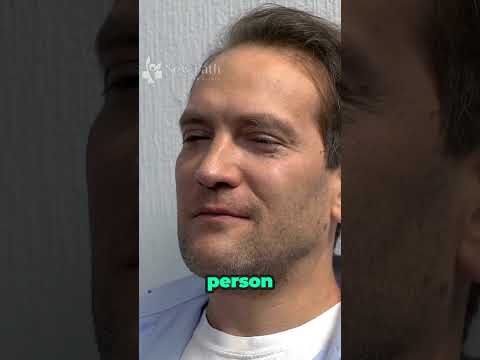






.png)
.png)
.png)








Share this listing