


Ibogaine for Parkinson’s Disease: Potential Benefits and Risks
.png)
Living with Parkinson’s Disease often feels like a constant battle against time and biology. As the brain’s ability to produce dopamine declines, standard daily tasks—walking, writing, or even speaking clearly—become increasingly difficult. For many, the search for alternative Parkinson’s therapies leads to a fascinating, albeit controversial, compound known as Ibogaine. While traditionally used in West African spiritual ceremonies, this powerful alkaloid is now being scrutinized by the global medical community for its potential to act as a neuroprotective agent.
The primary challenge in treating Parkinson’s is that current pharmaceutical standards, such as Levodopa, only address the symptoms by replacing missing neurotransmitters; they do not halt the underlying degeneration of the substantia nigra. This is where Ibogaine for Parkinson’s enters the conversation. Early research suggests that Ibogaine may trigger the release of Glial Cell Line-Derived Neurotrophic Factor (GDNF), which essentially acts as a restorative "fertilizer" for the brain's motor-control centers.
In this detailed exploration, we will look at how Ibogaine treatment for Parkinson's in Mexico might offer a temporary reset for the neurological system, the serious safety precautions that must be observed, and the practicalities of seeking this care through medical tourism. We want to provide you with a human-centered, expert perspective that avoids false promises while highlighting the real-world experiences of those seeking to regain their quality of life. Understanding the benefits and risks of such a potent substance is the first step in making an informed choice for long-term health management.
What is Ibogaine and how does it relate to Parkinson’s?
The relationship between Ibogaine and Parkinson's Disease centers on a biological mechanism called neurotrophic stimulation. In the Parkinsonian brain, cells that produce dopamine begin to die off, leading to the hallmark motor symptoms. Ibogaine is unique because it is one of the few known substances that can cross the blood-brain barrier and signal the brain to produce more GDNF.
This "GDNF surge" is the focus of alternative Parkinson’s research. By creating an environment where neurons can potentially repair themselves or at least survive longer, Ibogaine offers a different therapeutic pathway than traditional dopaminergic drugs. It isn't just about masking the tremors; it's about addressing the cellular health of the brain.
How does Ibogaine affect dopamine levels?
When Parkinson’s sets in, the brain loses its efficiency in managing dopamine. Ibogaine treatment is thought to act as a "system reset." It influences multiple neurotransmitter systems simultaneously, including serotonin and glutamate pathways, which are often disrupted alongside dopamine.
By modulating these pathways, Ibogaine may help reduce the "wear-off" effect many patients feel with their regular medications. Many individuals report that after a session, they feel a sense of mental clarity and a physical "lightness" that had been missing for years, likely due to the temporary optimization of the dopaminergic system.
What are the potential benefits of Ibogaine for Parkinson’s patients?
The reported benefits of Ibogaine for Parkinson’s can be life-altering for those in the middle stages of the disease. While every patient reacts differently, the common outcomes documented in alternative therapy clinics include:
- Tremor Reduction: Many patients experience a noticeable decrease in involuntary movements.
- Cognitive Clarity: "Brain fog," a common side effect of both the disease and its standard meds, often clears significantly.
- Increased Mobility: Improvements in bradykinesia (slowness of movement) allow for better independence.
- Emotional Resilience: The psychoactive experience can help patients process the grief and anxiety of their diagnosis.
Are there specific risks associated with Ibogaine treatment?
Safety is the most critical part of the Ibogaine conversation. The substance is cardiotoxic at high doses, meaning it can slow the heart rate and cause dangerous rhythms. For a Parkinson’s patient, whose body may already be under significant stress, these risks are magnified.
This is why Ibogaine must never be taken alone or without medical supervision. A professional clinic will always have an EKG monitor, oxygen, and emergency protocols in place. Furthermore, the intense "dream state" induced by the plant can be taxing on the nervous system, requiring several days of supervised recovery.
What is the cost of Ibogaine treatment for Parkinson’s?
Because Ibogaine is not available in many traditional hospital settings, patients usually travel to specialized centers. The cost of Ibogaine reflects the level of medical expertise, the duration of the stay, and the geographical location. Below is a detailed comparison of what you might expect to pay in different medical tourism destinations.
| Region | Average Cost (USD) | Inclusions & Standards |
|---|---|---|
| Mexico | $5,500 - $8,000 | Hospital-grade monitoring, nursing staff, 5-7 day stay. |
| Costa Rica | $8,000 - $11,500 | Resort-style facilities, intensive aftercare, psychological support. |
| South Africa | $4,000 - $7,000 | Traditional methods combined with medical oversight. |
| Colombia | $5,000 - $7,500 | Comprehensive medical detox and neurological follow-up. |
Is Ibogaine legal for treating Parkinson’s?
Navigating the legality of Ibogaine is one of the biggest hurdles for patients. In the United States, it is a Schedule I substance, which severely limits research and access. However, many other countries view it through a different lens, allowing medical clinics to operate legally provided they follow local health regulations.
For those seeking alternative Parkinson’s treatment, this often means an international flight. It is essential to choose a clinic that operates transparently within its country's legal framework to ensure safety and quality of care.
What happens during an Ibogaine session?
The Ibogaine experience is often compared to a "waking dream." For 6 to 12 hours, the patient remains in a state of deep introspection, often seeing vivid memories or symbolic imagery. This is not just a side effect; many believe this psychoactive phase helps the brain "re-wire" its emotional responses to chronic illness.
Following the visions, there is a period of intense fatigue known as the "gray day." During this time, the brain is processing the massive influx of GDNF and neurotransmitter adjustments. By the third or fourth day, many Parkinson’s patients report the "awakening" of their motor skills.
Can Ibogaine replace Levodopa or other Parkinson's medications?
It is vital to manage expectations: Ibogaine is not a cure. Instead, think of it as a biological "booster." Many patients find that after treatment, their standard dose of Levodopa works much more effectively, or they can reduce their dosage slightly to avoid the side effects of long-term medication use.
Any change to your medication regimen should be done under the guidance of a neurologist. The goal of alternative therapy should always be to improve the effectiveness of your overall treatment plan, not to discard proven medical interventions.
Who is a good candidate for Ibogaine Parkinson's therapy?
Selection criteria for Ibogaine treatment in Mexico are strict. Because the alkaloid places significant stress on the heart and liver, patients with pre-existing heart conditions or advanced liver disease are generally excluded. Age is also a factor; while there is no hard cutoff, the patient must be physically resilient enough to handle a 36-hour intensive process.
A thorough medical screening is the most important part of the journey. This should include a 12-lead EKG, a comprehensive metabolic panel, and a discussion of all current Parkinson’s medications.
How long do the effects of Ibogaine last?
The longevity of the Ibogaine benefit depends heavily on the patient's lifestyle and the rate of their disease progression. Ibogaine is stored in the fat cells and slowly converted to noribogaine, which provides a long-lasting therapeutic effect.
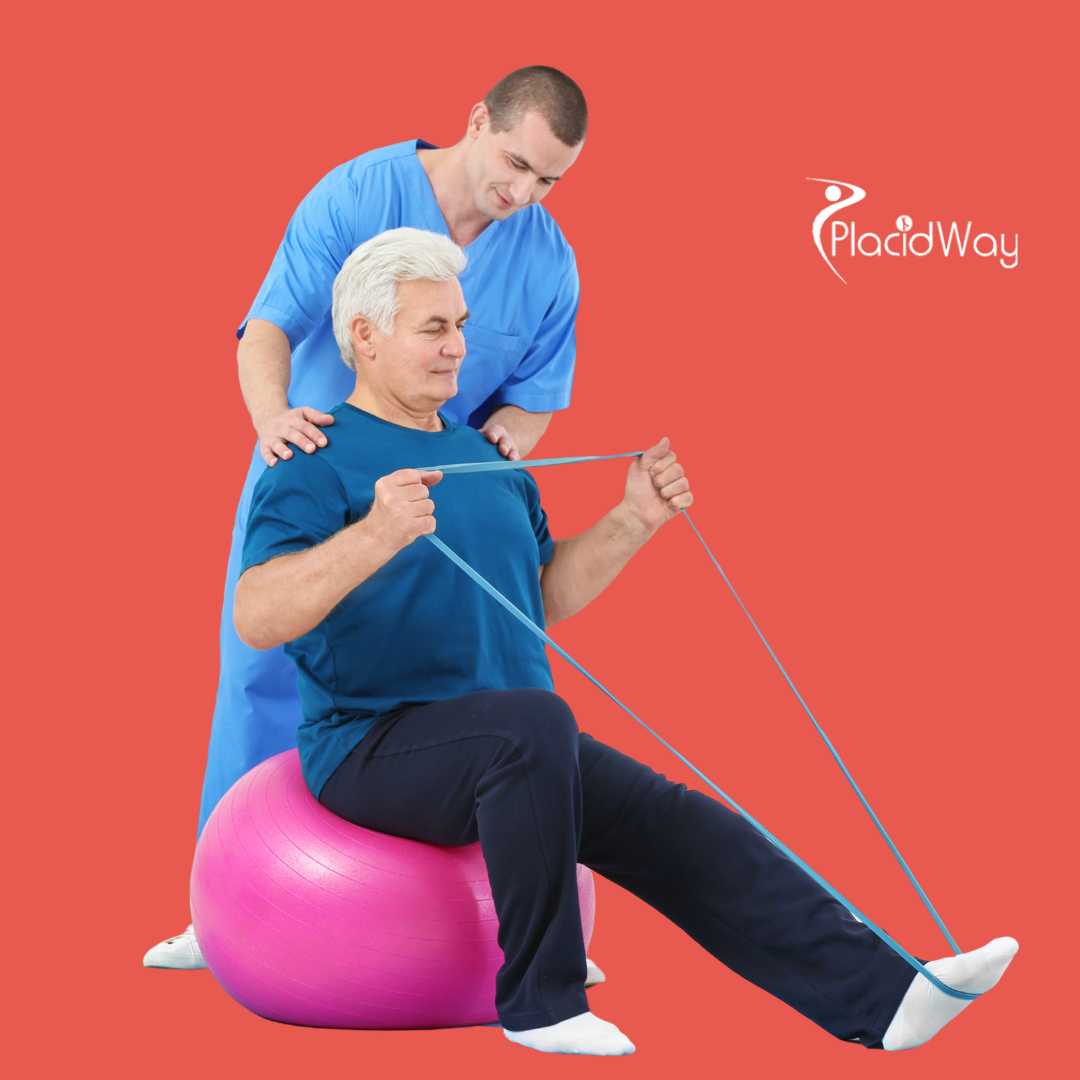
To extend these results, many Parkinson's patients focus on neuro-rehabilitation—such as boxing, dance, or specialized physical therapy—immediately following their treatment. This takes advantage of the "window of neuroplasticity" that Ibogaine provides.
What are the psychological effects of Ibogaine?
The "mental" side of Parkinson's is often just as debilitating as the physical side. Ibogaine is known for its ability to provide a "bird's eye view" of one's own life, allowing for a deeper understanding of the self. This can be incredibly healing for those struggling with the loss of identity that often accompanies a neurodegenerative disorder.
How should one prepare for Ibogaine therapy?
Success with Ibogaine starts long before you reach the clinic. Patients are encouraged to eat an alkaline-rich diet, supplement with magnesium and potassium (which protect the heart), and engage in light exercise. Preparation ensures that the body is strong enough to fully utilize the neuroprotective properties of the alkaloid.
What are the "aftercare" requirements?
The weeks following Ibogaine treatment in Mexico are critical. Because the brain is in a state of heightened neuroplasticity, this is the best time to "re-learn" movements. Patients who go home and remain sedentary often see their benefits fade much faster than those who commit to a rigorous aftercare protocol.
Are there non-hallucinogenic alternatives to Ibogaine?
Compounds like 18-MC are the next frontier. These synthetic alternatives are designed to offer the benefits of Ibogaine for Parkinson’s without the logistical and safety hurdles of the full plant experience. While still in early-stage trials, they represent a hopeful future for safer neurodegenerative medicine.
Empower Your Health Journey
Navigating the complexities of Parkinson's Disease requires a partner you can trust. Whether you are seeking innovative treatments or global healthcare guidance, we are here to help.
Contact PlacidWay today to explore certified clinics, expert medical tourism options, and a personalized path toward better neurological health.
Find Global Treatment Options





.png)

.png)









Share this listing