
Expert Insights: Ibogaine Treatment in Mexico for PTSD with Dr. Carlos Silva by New Path
For millions suffering from severe trauma, traditional therapies and daily pharmaceutical regimens often fail to provide lasting relief. Finding an effective way to break the debilitating cycle of trauma is a monumental challenge.
Today, profound breakthroughs are happening across the border. Ibogaine treatment in Mexico for PTSD has emerged as a revolutionary, science-backed alternative for deep psychological healing. In this comprehensive breakdown, we explore the clinical insights of Dr. Carlos Silva and the specialized protocols utilized by the New Path clinic to safely guide patients through this life-changing psychedelic therapy.
Video Chapters & Quick Navigation
The Hidden Weight of PTSD and Treatment-Resistant Trauma
Post-Traumatic Stress Disorder (PTSD) is far more than just lingering anxiety; it is a profound alteration of the brain's neurobiology. When an individual experiences severe trauma, the brain's amygdala becomes hyperactive, constantly signaling a state of life-threatening danger. This creates a deeply ingrained loop of hyperarousal, night terrors, and emotional numbness that is incredibly difficult to break.
For decades, the standard medical approach has relied heavily on Selective Serotonin Reuptake Inhibitors (SSRIs) and cognitive behavioral therapies. While these methods provide necessary coping mechanisms for some, they often act as a mere biochemical bandage. As discussed at in the presentation, countless patients develop treatment-resistant PTSD, finding themselves trapped in a cycle of prescription dependence without experiencing true, root-cause healing.
This widespread failure of conventional pharmacotherapy has led researchers and desperate patients to look toward alternative, powerful interventions. The search for a treatment that can actually reset the brain's chemistry rather than just mask its symptoms has brought plant-based psychedelic medicines to the forefront of modern psychiatric research.
What is Ibogaine? The Science of Plant Medicine
Ibogaine is a naturally occurring psychoactive alkaloid extracted from the root bark of the Tabernanthe iboga shrub, native to West Central Africa. Traditionally used in the Bwiti spiritual practices for centuries, it has gained immense attention in Western medicine for its unprecedented ability to interrupt severe substance addiction and resolve complex psychological trauma.
Unlike classical psychedelics such as psilocybin or LSD, Ibogaine acts on multiple neurotransmitter systems simultaneously. It interacts heavily with serotonin and dopamine receptors, which are crucial for mood regulation and emotional processing. More importantly, clinical insights at reveal how Ibogaine facilitates a dramatic release of Glial Cell Line-Derived Neurotrophic Factor (GDNF).
Neuroplasticity and the Brain Reset
GDNF is a protein that promotes the survival, repair, and growth of neurons. By flooding the brain with this neurotrophic factor, Ibogaine effectively induces a state of hyper-neuroplasticity. This allows the brain to literally rewire itself, bypassing the damaged neural pathways created by trauma.
Furthermore, Ibogaine is metabolized in the liver into noribogaine, a potent compound that remains in the system for weeks or even months post-treatment. This prolonged presence helps to stabilize mood, eliminate cravings, and provide a vital "afterglow" period where patients can actively reconstruct their behavioral patterns without the crushing weight of their past trauma.
Medical Safety Under the Expertise of Dr. Carlos Silva
While the psychological benefits of Ibogaine are profound, the physical administration of this medicine is not without serious risks. Ibogaine can cause bradycardia (slowing of the heart rate) and a prolongation of the QT interval on an electrocardiogram (EKG). Because of these cardiovascular impacts, the procedure requires intensive, expert medical oversight.
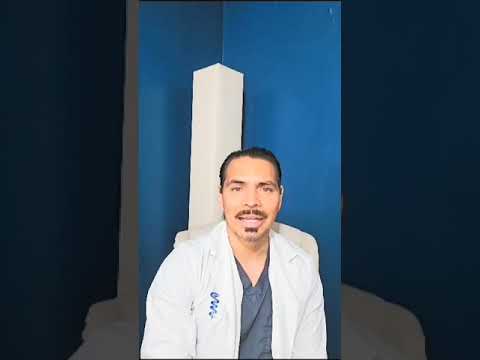
This is where the expertise of Dr. Carlos Silva becomes absolutely paramount. As detailed at , Dr. Silva brings a rigorous, allopathic medical approach to the psychedelic space. His background ensures that plant medicine is administered with the same clinical precision and safety protocols as any complex surgical procedure.
Rigorous Pre-Screening Protocols
Before a patient is ever cleared for treatment, Dr. Silva and his medical team conduct exhaustive health evaluations. A patient cannot simply arrive and receive the medicine. The screening process is designed to rule out pre-existing heart conditions, severe liver dysfunction, and dangerous medication interactions.
- Comprehensive EKG Monitoring: Baseline heart rhythms are established to ensure the QT interval is well within safe limits before administration.
- Liver and Kidney Panels: Since Ibogaine is metabolized by the liver, comprehensive metabolic panels are drawn to verify organ function.
- Medication Tapering: Patients on SSRIs, psychiatric medications, or specific cardiac drugs must undergo a medically supervised tapering process, as combining these with Ibogaine can trigger fatal serotonin syndrome or cardiac events.
The New Path Clinic Protocol: A Holistic Approach
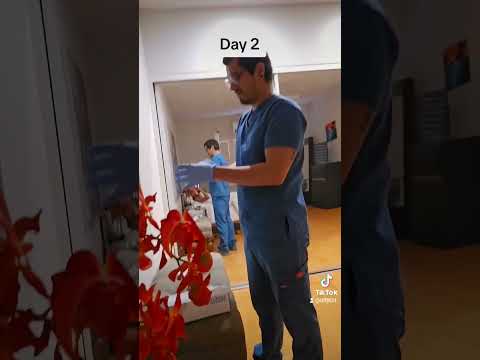
The New Path clinic distinguishes itself by blending top-tier emergency medical protocols with deep, compassionate psychological care. They understand that surviving the physical administration of Ibogaine is only the baseline; the true goal is facilitating a safe container for emotional rebirth. As highlighted at , the clinic operates more like a medical sanctuary than a traditional hospital ward.
During the treatment, patients are connected to advanced cardiac monitors, with an emergency crash cart and ACLS-certified medical staff present in the room at all times. This high level of security allows the patient to fully surrender to the psychological journey, knowing their physical body is being guarded by seasoned professionals.
Beyond the medical doctors, New Path employs a multidisciplinary team. Clinical psychologists, somatic therapists, and experienced integration coaches work alongside Dr. Silva to ensure that the psychological material unearthed during the trip is properly contextualized and processed.
The Phased Healing Journey: What to Expect
The actual Ibogaine experience is often described as one of the most intense, demanding, yet rewarding therapeutic interventions a person can undergo. It is not considered a recreational drug; it is a serious medicine that initiates a massive neurological reset. The journey is generally categorized into three distinct phases.
1. The Acute Oneirogenic Phase
Occurring roughly 1 to 2 hours after ingestion and lasting up to 12 hours, this is the visionary phase. It is called "oneirogenic" because it induces a waking dream state. Patients often experience a rapid, objective review of their life memories, particularly traumatic events. As noted at , Ibogaine allows the patient to view these deeply painful memories without the associated emotional panic, essentially decoupling the memory from the trauma response.
2. The Processing and Evaluative Phase
Following the intense visual stage, patients enter a prolonged period of deep introspection that can last from 12 to 24 hours. The visions subside, but the brain is hyper-active. This is a crucial cognitive phase where the patient begins to make sense of the material they just witnessed. Dr. Silva’s team provides a quiet, supportive environment to allow the brain to process these revelations without external interruption.
3. The Afterglow and Residual Phase
Over the next 24 to 72 hours, as the body converts Ibogaine into noribogaine, patients typically enter a state of peaceful exhaustion. It is during this time that the nervous system begins to physically reset. Sleep may be difficult, but patients frequently report an overwhelming sense of clarity, forgiveness, and the complete absence of their previous fight-or-flight anxiety.
Comparing PTSD Treatments: Traditional Meds vs. Ibogaine
To truly understand the paradigm shift that New Path and Dr. Silva are offering, it is helpful to contrast the mechanics of Ibogaine with standard psychiatric care. Traditional methods aim to manage a chronic condition, whereas Ibogaine aims to resolve an acute injury to the nervous system.
| Aspect of Treatment | Traditional Psychiatric Meds (SSRIs/Benzos) | Ibogaine Therapy (New Path Protocol) |
|---|---|---|
| Mechanism of Action | Masks symptoms by artificially altering daily serotonin/dopamine levels. | Promotes GDNF release, forcing massive neuroplasticity and neural repair. |
| Duration of Treatment | Daily dosing required, often for years or an entire lifetime. | A single "flood dose" treatment, occasionally followed by microdosing. |
| Psychological Approach | Often dulls emotional responses and limits deep trauma processing. | Forces direct confrontation with the root trauma in a detached, safe state. |
| Risk of Dependency | High risk of chemical dependency and severe withdrawal upon cessation. | Zero potential for addiction; highly anti-addictive properties. |
Why Mexico is the Global Hub for Psychedelic Therapy
A common question among patients seeking relief is why they must travel internationally for this life-saving treatment. The answer lies in outdated geopolitical drug classifications. In the United States, Ibogaine was placed on Schedule I of the Controlled Substances Act in the late 1960s, heavily restricting clinical research and making its administration illegal.
However, the medical landscape in Mexico offers a vastly different reality. In Mexico, Ibogaine is unregulated, meaning it is not a scheduled narcotic. This legal framework has allowed forward-thinking medical professionals like Dr. Carlos Silva to establish world-class clinics. As highlighted at , patients traveling for medical tourism for mental health in Mexico are not stepping into unregulated, dangerous environments.
Instead, they are accessing state-of-the-art medical sanctuaries. The clinics operating at the highest levels in Mexico rival any private treatment center in North America. They offer English-speaking staff, luxury accommodations, gourmet nutrition focused on brain health, and the peace of mind that comes from strict medical oversight in a legal environment.
Integration: The Key to Long-Term Success
The profound realizations achieved during an Ibogaine flood dose are remarkable, but they are only the beginning of the healing process. Dr. Silva and the team at New Path emphasize that the medicine simply opens a window of neuroplasticity; it is up to the patient to walk through it. This critical phase is known as integration.
For weeks and months following the treatment in Mexico, the brain remains highly adaptable. Old triggers that used to send a PTSD patient into severe panic will present themselves, but the patient will have a critical fraction of a second to choose a new behavioral response. At , the video discusses how dedicated integration coaching is integrated into the post-treatment protocol.
Patients are heavily encouraged to engage in somatic therapies, yoga, breathwork, and continued psychological counseling upon returning home. By capitalizing on the biochemical reset provided by Ibogaine, patients can finally cement healthy, trauma-free neural pathways, reclaiming their lives and their mental health once and for all.
Take the First Step Toward Deep Healing
Are you ready to break free from the cycle of PTSD? PlacidWay connects you with world-class, medically supervised Ibogaine clinics in Mexico, including the renowned New Path clinic under the expert guidance of Dr. Carlos Silva.
REQUEST FREE CLINICAL INFO & PRICING







.png)
.png)
.png)
.png)


.jpg)
.jpg)
.jpg)
.jpg)








Share this listing