
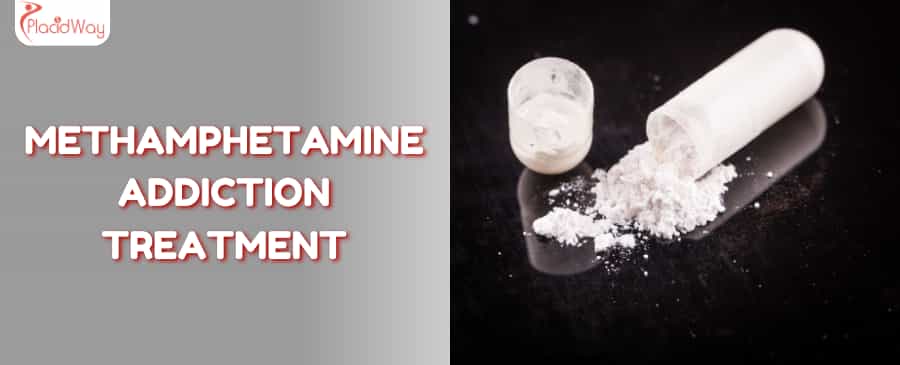
Finding Freedom: Comprehensive Methamphetamine Addiction Treatment Abroad
The grip of methamphetamine addiction can feel overwhelming, isolating individuals and devastating families. Often referred to as "meth" or "crystal meth," this powerful stimulant rewires the brain, leading to intense cravings and severe physical and psychological dependency. But there is hope, and a path to recovery is possible. For many, seeking methamphetamine addiction treatment abroad offers a fresh start, combining world-class medical care with a supportive, often more affordable, environment away from triggers.
This guide is designed to help you understand what methamphetamine addiction treatment entails, explore the options available globally, and guide you through the process of finding the right help. Whether you're researching for yourself or a loved one, know that compassionate, effective treatment for meth addiction is within reach, offering a chance to reclaim a healthier, more fulfilling life.
What are the tell-tale signs of methamphetamine addiction?
Recognizing the signs of meth addiction is the first critical step toward seeking help. The effects of methamphetamine are profound and can manifest physically, behaviorally, and psychologically. If you're wondering "how to tell if someone is on meth" or "what are meth addiction symptoms," look for a combination of these indicators:
- Physical Changes:
- Significant and rapid weight loss
- Skin sores, especially on the face and arms, often from picking or scratching
- Severe dental problems, including cracked, blackened, or missing teeth ("meth mouth")
- Dilated pupils and rapid eye movements
- Tremors or uncontrolled movements
- Lack of hygiene and self-care
- Behavioral Changes:
- Extreme mood swings, from euphoria to aggression or irritability
- Erratic or compulsive behaviors, such as repetitive tasks
- Increased energy, hyperactivity, or restlessness, followed by periods of crashing or lethargy
- Paranoia, hallucinations, or delusional thinking
- Secretiveness, lying, or stealing to support drug use
- Neglecting responsibilities at work, school, or home
- Social withdrawal or changing social circles to associate with other drug users
- Psychological Indicators:
- Intense cravings for the drug
- Anxiety, depression, or suicidal thoughts
- Aggression or violence
- Difficulty concentrating or memory problems
These signs, especially when observed together, strongly suggest a methamphetamine dependency that requires professional intervention.
What causes methamphetamine addiction and who is at risk?
Addiction is rarely caused by a single factor. Instead, it's a complex interplay of genetic predisposition, environmental influences, and individual vulnerabilities. Understanding "what causes meth addiction" and "risk factors for meth use" can help in both prevention and tailored treatment approaches:
- Genetic Predisposition: A family history of addiction increases an individual's likelihood of developing a substance use disorder.
- Mental Health Disorders: Co-occurring conditions like depression, anxiety, PTSD, or bipolar disorder can lead individuals to self-medicate with meth, making them highly susceptible to addiction.
- Trauma and Stress: Experiencing physical, emotional, or sexual abuse, or living in chronically stressful environments, significantly elevates the risk.
- Social Environment: Peer pressure, easy access to the drug, or growing up in a household where drug use is normalized can be powerful influences.
- Early Exposure: Starting drug use at a young age, particularly during critical periods of brain development, increases vulnerability.
- Poverty and Unemployment: Socioeconomic challenges can contribute to feelings of hopelessness and desperation, sometimes leading to drug use as an escape.
It's important to remember that addiction is a disease, not a moral failing. Anyone can develop an addiction to methamphetamine, but these factors highlight common pathways to dependency.
What types of treatments are available for methamphetamine addiction?
Effective methamphetamine addiction treatment is multifaceted and often requires a combination of approaches tailored to the individual's needs. When exploring "meth rehab options" or "best treatment for meth addiction," you'll encounter several key components:
- Detoxification (Detox): This is the crucial first step where the body is cleared of the drug. Meth withdrawal can be severe, involving intense cravings, depression, fatigue, and psychosis. Medical supervision during detox is vital to manage these symptoms safely and comfortably.
- Behavioral Therapies: These are the cornerstone of meth addiction treatment.
- Cognitive Behavioral Therapy (CBT): Helps individuals identify and change negative thought patterns and behaviors that contribute to drug use.
- Motivational Interviewing (MI): Supports individuals in strengthening their motivation for change.
- Contingency Management (CM): Provides tangible rewards for positive behaviors, like staying drug-free.
- Dialectical Behavior Therapy (DBT): Focuses on emotional regulation and coping skills, often helpful for those with co-occurring mental health issues.
- Individual and Group Counseling: Provides a safe space for processing emotions, developing coping strategies, and building a support network.
- Medication-Assisted Treatment (MAT): While there's no FDA-approved medication specifically for meth addiction, some medications may be used to treat co-occurring mental health disorders (like depression or anxiety) or manage specific withdrawal symptoms.
- Holistic and Complementary Therapies: Many centers incorporate practices like yoga, meditation, art therapy, nutrition counseling, and exercise to support overall well-being and stress reduction.
- Aftercare and Relapse Prevention: Long-term recovery relies on robust aftercare plans, which may include sober living arrangements, support groups (like Narcotics Anonymous), ongoing therapy, and vocational training.
Treatment can occur in various settings, including "inpatient meth treatment" (residential rehab offering 24/7 care) or "outpatient meth treatment" (flexible programs allowing individuals to live at home). The choice depends on the severity of addiction, co-occurring conditions, and personal circumstances.
Am I eligible for methamphetamine addiction treatment, and who is it for?
If you're asking "who needs meth treatment" or "criteria for meth rehab," the simple answer is: anyone who is experiencing negative consequences due to their methamphetamine use and wishes to stop. Treatment centers typically don't have strict eligibility criteria based on the extent of addiction, as their primary goal is to help individuals recover. However, the *type* of treatment recommended might vary:
- Severity of Addiction: Individuals with severe physical dependence and acute withdrawal symptoms will likely require medically supervised inpatient detox and residential care. Those with milder dependency might benefit from outpatient programs.
- Co-occurring Disorders: Many people struggling with meth addiction also have underlying mental health conditions. Treatment centers specializing in dual diagnosis are best suited for these individuals.
- Previous Treatment History: Those who have relapsed after previous attempts at sobriety might benefit from more intensive, long-term programs or a different therapeutic approach.
- Support System: The presence (or absence) of a strong support system at home can influence whether an inpatient or outpatient setting is more appropriate.
Ultimately, eligibility is less about meeting rigid criteria and more about recognizing the need for help and being willing to engage in the recovery process. Professional assessment by an addiction specialist will determine the most suitable level of care.
What should I expect during recovery from methamphetamine addiction?
The journey of "meth addiction recovery timeline" is unique for everyone, but there are common phases and expectations. Recovery is not a linear path; it often involves ups and downs, but with sustained effort, long-term sobriety is achievable. Here’s "what happens after meth detox" and beyond:
- Acute Withdrawal (Days 1-7): This phase, immediately after stopping use, is characterized by intense cravings, severe fatigue, depression, anxiety, and potentially psychosis. Medical supervision during detox helps manage these symptoms.
- Post-Acute Withdrawal Syndrome (PAWS) (Weeks to Months): Even after acute withdrawal, symptoms like mood swings, anxiety, depression, difficulty sleeping, concentration problems, and continued cravings can persist. These are normal and can be managed with therapy and support.
- Therapy and Skill Building (Ongoing): The core of recovery involves learning new coping mechanisms, identifying triggers, addressing underlying trauma or mental health issues, and developing healthy communication skills. This is where behavioral therapies are crucial.
- Relapse Prevention (Ongoing): Developing a robust relapse prevention plan is essential. This includes identifying high-risk situations, building a strong support network, engaging in healthy activities, and having immediate steps to take if cravings become overwhelming.
- Rebuilding Life (Long-Term): Recovery extends beyond just stopping drug use. It involves rebuilding relationships, finding meaningful employment or activities, developing a sense of purpose, and integrating back into society in a healthy way. This is the "long-term recovery meth" focus.
Expect emotional challenges, periods of doubt, and the need for continuous self-care and engagement with your support system. Remember, recovery is a marathon, not a sprint.
What are the potential risks and side effects of meth addiction treatment?
Engaging in methamphetamine addiction treatment is overwhelmingly beneficial, but it's important to be aware of the potential challenges and "dangers of meth rehab," especially during the initial phases:
- Severe Withdrawal Symptoms: As mentioned, withdrawal can be intense and include profound depression, anxiety, fatigue, paranoia, hallucinations, and even seizures. This is why medically supervised detox is crucial.
- Psychological Distress: Many individuals experience significant emotional turmoil during treatment as they confront the underlying issues that contributed to their addiction. Depression, grief, anger, and shame are common.
- Physical Discomfort: Beyond psychological symptoms, physical discomforts like muscle aches, headaches, and digestive issues can occur during detox and early recovery.
- Risk of Relapse: Despite treatment, the "relapse after meth treatment" is a real possibility. Cravings can be powerful, and exposure to triggers can make maintaining sobriety challenging. This underscores the importance of a comprehensive aftercare plan.
- Co-occurring Mental Health Issues: Treatment may uncover or exacerbate existing mental health conditions that were masked by drug use, requiring integrated treatment for dual diagnosis.
- Treatment Fatigue: The intensive nature of rehab can be tiring, and some individuals may experience "treatment fatigue," making it harder to stay engaged.
These risks are significantly mitigated by professional, evidence-based treatment. Choosing an accredited facility with experienced staff ensures that any complications are addressed promptly and effectively.
How much does methamphetamine addiction treatment cost worldwide?
The "cost of meth rehab abroad" is a major factor for many seeking treatment. While prices vary greatly based on location, facility luxury, and duration of stay, international options can often provide significant savings without compromising on quality. Here's a general comparison to give you an idea of "affordable meth treatment" options:
| Country/Region | Typical Monthly Cost (USD) | Notes on Value |
|---|---|---|
| United States | $15,000 - $60,000+ | High-cost, but many options; insurance coverage varies. Luxury facilities can exceed $80,000. |
| Canada | $10,000 - $30,000+ | Similar to US, but potentially slightly lower; good quality. |
| Thailand | $5,000 - $15,000 | Excellent value; combines Western medical standards with holistic therapies in serene settings. |
| Mexico | $4,000 - $12,000 | Proximity to US, often very affordable, wide range of facilities. |
| Portugal | $7,000 - $18,000 | Leading European destination for addiction treatment; strong focus on recovery. |
| South Africa | $4,000 - $10,000 | Affordable high-quality care with beautiful natural surroundings, popular for luxury rehab at lower costs. |
These figures are estimates for inpatient residential programs and can fluctuate based on the specific amenities, duration, and personalized treatment plans. Outpatient programs will generally be less expensive.
Why consider methamphetamine addiction treatment abroad, and which countries offer the best value?
The decision to pursue "rehab abroad" for methamphetamine addiction is increasingly popular for several compelling reasons:
- Cost-Effectiveness: As seen in the table above, many international destinations offer world-class treatment at a fraction of the cost found in Western countries, making high-quality care more accessible.
- Escape from Triggers: Removing yourself from your everyday environment and its associated triggers can be incredibly powerful in the early stages of recovery. A change of scenery can provide a much-needed fresh perspective.
- Privacy and Anonymity: For some, the privacy offered by seeking treatment in another country is a significant benefit, allowing them to focus on recovery without local social pressures or judgment.
- Holistic and Integrated Care: Many international centers excel in providing a holistic approach, integrating traditional Western therapies with Eastern practices, mindfulness, and adventure therapy in tranquil settings.
- Specialized Programs: Some countries have developed highly specialized programs that cater to specific needs, sometimes unavailable domestically.
When considering "best countries for meth rehab," several destinations stand out for their combination of quality, affordability, and unique recovery environments:
- Thailand: Known for its serene environments, compassionate care, and integration of mindfulness with evidence-based therapies. It offers excellent value for luxury and standard rehabs.
- Mexico: A popular choice due to its proximity to the U.S., offering diverse treatment options from luxurious to highly affordable, with many clinics providing English-speaking staff.
- Portugal: Has a progressive approach to addiction, focusing on harm reduction and rehabilitation. Offers high-quality, medically supervised programs often at a lower cost than other European nations.
- South Africa: Provides high-standard facilities in beautiful, often private, settings. It's an excellent option for those seeking a tranquil and discreet recovery journey at competitive prices.
- Costa Rica: Emerging as a destination, offering natural beauty and a focus on holistic wellness and adventure therapy within recovery programs.
When choosing, always consider "international rehab reviews" and accreditation to ensure quality.
What should I expect when traveling for treatment abroad, and how can I ensure quality?
"Traveling for rehab" can seem daunting, but reputable medical tourism facilitators and international rehab centers often provide comprehensive support to make the process smooth and stress-free. Here's "logistics for overseas treatment" and "how to choose international rehab" with safety and quality in mind:
What to Expect When Traveling:
- Pre-departure Support: Many facilities offer assistance with visa applications, flight bookings, and even medical travel insurance.
- Airport Transfers: Most international rehabs arrange for airport pickup and transfer directly to the facility, removing travel stress upon arrival.
- Cultural Adjustment: Be prepared for cultural differences. While most international facilities catering to foreign patients have English-speaking staff, understanding local customs can enhance your experience.
- Initial Assessment: Upon arrival, a thorough medical and psychological assessment will be conducted to finalize your personalized treatment plan.
- Communication: Ensure the facility has reliable internet access and phone services for staying in touch with family, as permitted by their policies.
Ensuring Safety and Quality Abroad:
- Accreditation and Licensing: Look for facilities accredited by international bodies (e.g., Joint Commission International - JCI) or recognized by local health authorities. This is key for "safe rehab abroad."
- Staff Qualifications: Verify the credentials and experience of the medical doctors, therapists, and support staff. Ensure they are licensed and specialize in addiction treatment.
- Treatment Philosophy: Ensure the center's approach aligns with evidence-based practices (like CBT, DBT, MI) and incorporates comprehensive aftercare planning.
- Transparency: A reputable facility will be transparent about their treatment programs, costs, success rates (where measurable), and policies.
- Patient Testimonials and Reviews: Seek out "international rehab success stories" and reviews from previous patients on independent platforms.
- Language Barrier: Confirm that adequate language support (e.g., English-speaking staff or interpreters) is available throughout your stay.
- Aftercare Planning: A strong aftercare program is crucial for long-term sobriety. Inquire about continued support, online therapy options, or referral networks in your home country.
Using a trusted medical tourism facilitator like PlacidWay can greatly simplify this process, helping you find vetted, high-quality centers that meet your specific needs and budget.
What are patient success stories from abroad for methamphetamine addiction treatment?
While specific patient names and details are kept confidential due to privacy, the "international rehab success stories" from individuals who have sought methamphetamine addiction treatment abroad are numerous and inspiring. These stories often share common themes:
- A Fresh Start: Many patients report that being removed from their familiar environment and its triggers was instrumental in their recovery. One individual, who struggled with meth addiction in a bustling city, found solace and focus in a serene Thai rehab, allowing them to truly disconnect and heal.
- Holistic Healing: Testimonials frequently highlight the benefits of integrated approaches, where traditional therapy is combined with mindfulness, yoga, nutrition, and nature therapy. A patient from Europe, initially skeptical, credited the holistic program in South Africa with helping them address not just their addiction but also underlying anxiety.
- Renewed Purpose: Beyond sobriety, success stories often involve individuals discovering new passions, rebuilding relationships, and finding a renewed sense of purpose. A young professional who went to Mexico for meth treatment shared how the experience empowered them to pursue a new career path and mend fractured family ties.
- Community and Support: The tight-knit community formed within international rehabs often becomes a crucial support system. Patients describe finding lasting friendships and a sense of belonging with fellow travelers on the same recovery journey.
- Long-Term Sobriety: The ultimate measure of success, many patients maintain long-term sobriety, attributing it to the intensive care, comprehensive aftercare planning, and the powerful experience of recovering in a foreign land.
These "real experiences meth treatment abroad" underscore that hope and healing are indeed possible, and for many, an international recovery journey provides the ideal environment to achieve lasting freedom from methamphetamine addiction.
Take the Next Step with PlacidWay
Ready to explore treatment options abroad? Discover top clinics, compare prices, and get a free quote tailored to your needs with PlacidWay.



.png)









Share this listing