
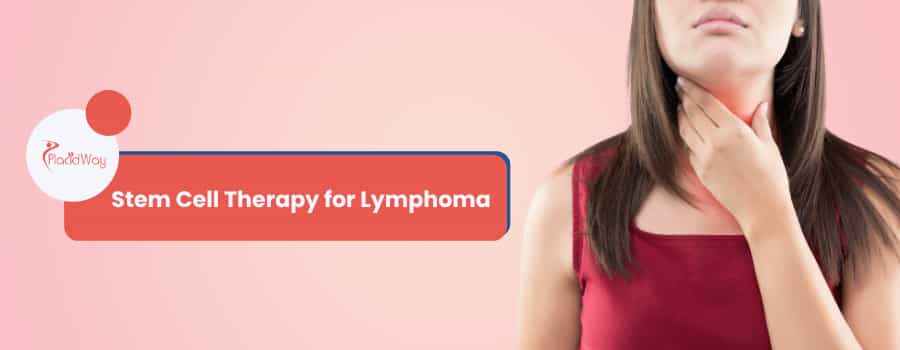
Your Guide to Stem Cell Therapy for Lymphoma Abroad
A diagnosis of lymphoma can be overwhelming, filled with complex terms and difficult decisions. One of the treatments your doctor might discuss is a "stem cell transplant," which can sound intimidating. But what is it, really? In simple terms, it's a powerful procedure designed to "reboot" your body's blood-f-actory (your bone marrow) after it's been cleaned out by high-dose chemotherapy or radiation.
This therapy is a cornerstone of treatment for many types of lymphoma, especially those that have returned (relapsed) or are at high risk of returning. The goal is to give you a new, healthy blood-forming system that is free of cancer.
Increasingly, patients are looking beyond their home borders for this high-level care. Why? The reasons often come down to two critical factors: cost and access. The price of a stem cell transplant can be extraordinarily high in countries like the United States, and wait times or access to specific treatments can be a barrier. Medical tourism opens up a world of possibilities, offering JCI-accredited hospitals, world-class oncologists, and significant savings. This guide is here to answer your most pressing questions about both the procedure and the process of traveling for care.
What is a stem cell transplant for lymphoma?
Think of it as a two-part mission. Part 1 is the high-dose chemotherapy (or "conditioning"). This is the main attack on the lymphoma. The problem is, this powerful treatment is not selective; it destroys the cancer cells, but it also wipes out your healthy bone marrow, which is where all your blood cells (red cells, white cells, and platelets) are made.
Part 2 is the "rescue." The stem cell transplant itself isn't the cancer treatment; it's the *rescue* that makes the high-dose chemo possible. After the chemo has done its job, your doctor infuses healthy stem cells into your bloodstream (like a simple blood transfusion). These smart cells travel to your bone marrow, settle in (a process called "engraftment"), and start to grow, rebuilding your entire immune and blood-cell system from scratch.
What are the different types of stem cell transplants?
Your doctor will recommend one of two main types, based on your specific lymphoma and health:
- Autologous Stem Cell Transplant (Auto): This is the most common type for lymphoma. In this procedure, you are your own donor. Before you receive high-dose chemo, doctors collect your own stem cells from your blood. These cells are then filtered, treated, and frozen. After your conditioning therapy, your own cells are thawed and re-infused. The main advantage is that there is no risk of your body rejecting the cells or the new cells attacking your body (Graft-versus-Host Disease), because they are your own.
- Allogeneic Stem Cell Transplant (Allo): In this procedure, you receive stem cells from a healthy donor. This donor must be a close genetic match, often a sibling or a matched volunteer from a national registry. An allogeneic transplant is more complex. While it introduces the risk of Graft-versus-Host Disease (GVHD), it also has a powerful benefit: the donor's immune cells can often recognize and attack any remaining lymphoma cells, an effect called "Graft-versus-Lymphoma" (GVL).
Here’s a simple breakdown of the differences:
| Feature | Autologous (Your Cells) | Allogeneic (Donor Cells) |
|---|---|---|
| Stem Cell Source | You (Patient) | A matched donor |
| Main Benefit | No risk of rejection (GVHD) | Graft-versus-Lymphoma (GVL) effect |
| Main Risk | Risk of collecting and returning cancer cells (rare) | Graft-versus-Host Disease (GVHD) |
| Commonly Used For | Relapsed Hodgkin & Non-Hodgkin Lymphoma | More aggressive or high-risk lymphomas; if an auto-transplant fails |
Am I a good candidate for stem cell therapy?
A stem cell transplant is an intensive procedure, so your medical team must be sure your body can handle it. Key factors they will evaluate include:
- Lymphoma Status: Transplants are typically for patients whose lymphoma has relapsed (come back) or is "refractory" (didn't respond to initial treatment). It's also used for "high-risk" lymphomas that are very likely to return.
- Overall Health: Your organ function is critical. You will undergo a full panel of tests to check your heart, lungs, kidneys, and liver to ensure they are strong enough for the high-dose chemo.
- Age: There isn't a strict age cutoff, but older patients (generally over 65-70) may have more complications. It's more about your "physiologic age" (your overall fitness) than your chronologic age.
- Donor Availability: If you need an allogeneic transplant, a suitable matched donor must be found.
What are the main symptoms of lymphoma?
Recognizing lymphoma can be tricky because its symptoms often mimic other, less serious illnesses. The most common sign is a swollen lymph node that doesn't go away, but is usually painless.
Doctors also look for a specific cluster of symptoms known as "B symptoms," which can indicate a more aggressive lymphoma:
- Fever: Unexplained, recurrent fevers over 100.4°F (38°C).
- Night Sweats: Drenching night sweats that require you to change your pajamas or sheets.
- Weight Loss: Unexplained loss of more than 10% of your body weight over six months.
Other general symptoms include persistent fatigue, shortness of breath, a cough, or an itchy rash. If you have any of these symptoms, especially swollen lymph nodes that don't resolve, it's important to see your doctor.
What is the stem cell transplant process like?
The entire process takes several weeks to months and is done in distinct phases:
- Collection (or Mobilization): For an autologous transplant, you'll receive injections of a medicine that makes your bone marrow produce extra stem cells and release them into your bloodstream. These are then collected from your blood using a special machine (apheresis). For an allogeneic transplant, your donor goes through this process.
- Conditioning: This is when you are admitted to the hospital. You will receive several days of high-dose chemotherapy (and sometimes radiation) to wipe out the lymphoma and your existing bone marrow.
- Infusion (Transplant Day): This is "Day 0." The healthy stem cells (either your own or your donor's) are infused into your bloodstream through a central line. This part is simple and feels just like a blood transfusion, usually taking 30-60 minutes.
- Engraftment: This is the waiting period, which is often the hardest part. You'll be in a special, isolated hospital room to protect you from infection while your immune system is non-existent. Over the next 2-4 weeks, the new stem cells travel to your bone marrow and slowly begin to grow and produce new white blood cells, red blood cells, and platelets. Your team will monitor your blood counts daily, waiting for them to rise.
What are the biggest risks of a stem cell transplant?
A transplant is a serious procedure with significant risks. Your team will work to prevent and manage them.
- Infection: This is the most immediate and common risk. During the "engraftment" phase, your white blood cell count is zero or near-zero, leaving you with no defense against bacteria or viruses. You will be on powerful preventative antibiotics and in a protected environment, but fevers and infections are common.
- Graft-versus-Host Disease (GVHD): This is the major risk of allogeneic (donor) transplants. It happens when the new donor immune cells see your body's tissues (like skin, liver, or gut) as "foreign" and begin to attack them. It can be mild (a skin rash) or very serious. You will take immunosuppressive drugs for months or even years to prevent and manage this.
- Other Side Effects: The conditioning chemo causes side effects like severe mouth sores (mucositis), nausea, diarrhea, and profound fatigue.
What is the success rate for lymphoma stem cell therapy?
This is one of the most common and important questions, but it has no single answer. "Success" (typically defined as 5-year disease-free survival) depends heavily on:
- The specific type of lymphoma (e.g., Hodgkin vs. Non-Hodgkin).
- How well the lymphoma responded to chemo *before* the transplant.
- The patient's age and overall health.
- The type of transplant (autologous vs. allogeneic).
For example, for relapsed Hodgkin lymphoma, an autologous transplant can lead to long-term remission rates of over 50%. For some aggressive non-Hodgkin lymphomas, the rate might be 30-40%. It is crucial to discuss your personal prognosis with your oncology team, as they can give you statistics that are specific to your situation.
Why should I consider medical tourism for this treatment?
While traveling for a treatment as serious as a stem cell transplant sounds daunting, the benefits can be life-changing for many patients. The primary driver is cost. In the U.S., a transplant can cost hundreds of thousands of dollars, easily bankrupting a family. The exact same procedure, performed by Western-trained doctors in JCI-accredited hospitals abroad, can be 50-70% less expensive.
Other reasons include:
- Access to Care: In some countries with public healthcare, wait times for a transplant or a matched donor can be very long. Medical tourism allows you to get the procedure done on your schedule.
- Advanced Technology: Top international hospitals in hubs like India, Turkey, and Thailand invest heavily in the latest technology, sometimes gaining access to new therapies even before they are widely available elsewhere.
- Integrated Care: Many medical tourism packages are all-inclusive, handling your treatment, accommodation, and support, which can reduce the logistical stress on you and your family.
How much does a stem cell transplant for lymphoma cost abroad?
The cost difference is the single biggest factor for most medical tourists. The vast price gap is not due to lower quality, but to the lower cost of labor, overhead, and insurance in other countries. Here is an estimated comparison. Note: These are estimates. Allogeneic transplants are always more expensive due to the complexity of donor matching and managing GVHD.
| Country | Transplant Type | Estimated Cost (USD) |
|---|---|---|
| United States | Autologous | $300,000 - $500,000 |
| United States | Allogeneic | $800,000 - $1,000,000+ |
| India | Autologous | $40,000 - $65,000 |
| India | Allogeneic | $60,000 - $90,000 |
| Turkey | Autologous | $50,000 - $75,000 |
| Turkey | Allogeneic | $80,000 - $120,000 |
| Mexico | Autologous | $60,000 - $85,000 |
What are the best countries for stem cell therapy?
Several countries have established themselves as centers of excellence for oncology and stem cell transplantation:
- India: Renowned for its large, high-volume hospitals (especially in cities like Delhi, Mumbai, and Chennai) that perform a high number of successful transplants at a very low cost.
- Turkey: Has invested heavily in modern medical technology and has many JCI-accredited facilities, particularly in Istanbul. It's a convenient hub for patients from Europe and the Middle East.
- Mexico: A popular choice for North American patients due to its proximity and high-quality private hospitals in cities like Monterrey and Guadalajara.
- Thailand: Known for its world-class, hospital-like private healthcare and excellent patient service, often combined with a healing environment.
How do I plan medical travel for such a serious treatment?
This is not a simple vacation. A stem cell transplant requires a long-term stay. You must plan to be in the host country for a minimum of 2-3 months (for an autologous transplant) and often 4 months or more (for an allogeneic one) to get through the procedure and the initial high-risk recovery phase.
This is where a medical tourism facilitator like PlacidWay becomes essential. We help you with:
- Vetting: Finding and connecting you with accredited, reputable hospitals and experienced oncology teams.
- Medical Review: Securely transferring your medical records so the foreign team can review your case and confirm you are a good candidate.
- Logistics: Assisting with medical visas (for you and a mandatory caregiver), long-term apartment-style accommodation near the hospital, and airport transfers.
- Coordination: Setting up initial video consultations with your new doctor so you can build trust and ask questions before you commit.
What about follow-up care after returning home?
Your care does not end when you fly home. A stem cell transplant has a long recovery tail. Before you leave, it is vital to have a "shared care" plan in place. Your home-based oncologist must be aware of and in agreement with your plan to travel.
When you return, your international hospital will provide a comprehensive medical report. Your home oncologist will then take over your long-term follow-up, which will include:
- Frequent blood tests to monitor your blood counts.
- Managing your long-term medications (especially immunosuppressants if you had an allo transplant).
- Monitoring for any signs of infection, GVHD, or lymphoma relapse.
- Administering your re-vaccinations (since the transplant wipes out your childhood immunities).
This partnership between your international team and your home doctor is the key to a safe and successful long-term recovery.
Ready to Explore Your Lymphoma Treatment Options?
A lymphoma diagnosis is overwhelming, but you have global options. Your journey to affordable, world-class stem cell therapy is just a click away. Explore top-rated international cancer centers, compare treatment packages, and get a free, personalized quote from PlacidWay. Let us help you plan a seamless and supportive medical travel experience.
Stem Cell Therapy Abroad



.png)
.png)
.png)






.png)










Share this listing