
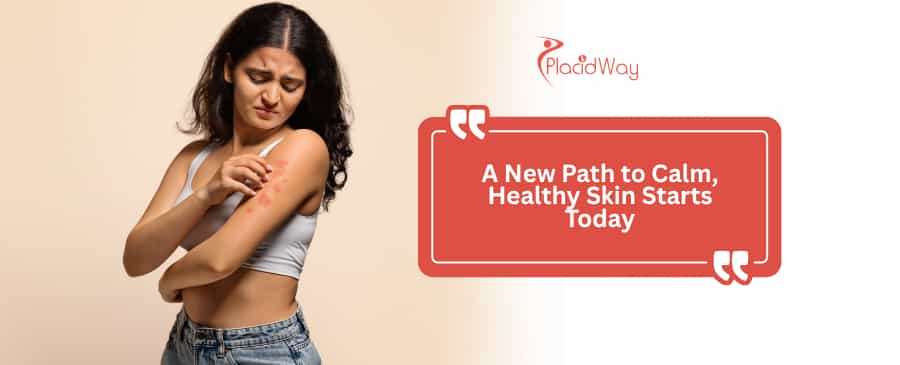
Stop Eczema Flare-Ups: Your Guide to Global Skincare
Living with eczema can feel like a never-ending battle against your own skin. The relentless itching, the uncomfortable flaking, and the sudden, unpredictable flare-ups can take a massive toll on your physical comfort and emotional well-being. If you have been relying on the same over-the-counter creams with little to no relief, you are not alone. Millions of people worldwide struggle with this frustrating condition, constantly searching for a long-term solution.
Fortunately, the world of dermatology extends far beyond your local clinic. Eczema treatment has evolved significantly, with advanced therapies like biologic injections, targeted phototherapy, and specialized holistic treatments offering incredible results. However, accessing these cutting-edge solutions in countries like the US or UK can be overwhelmingly expensive, often held back by high insurance deductibles or long wait times.
This is where medical tourism steps in as a game-changer. Patients are increasingly looking across borders to find high-quality, affordable care. Traveling abroad for eczema treatment not only gives you access to board-certified international dermatologists and affordable advanced medications, but it also allows you to combine your healing process with a relaxing environment. Whether it is a specialized clinic in South Korea or climatotherapy near the Dead Sea, exploring global options might be the key to finally achieving the clear, comfortable skin you deserve.
What are the main causes and triggers of eczema?
"Eczema is a complex condition rooted in genetics and immune system dysfunction, brought to life by everyday environmental triggers."
To understand eczema, think of your skin as a brick wall. In healthy skin, the bricks are tightly packed with strong mortar, keeping moisture inside and irritants outside. For people with eczema, a genetic mutation often affects a protein called filaggrin, which acts as the mortar. Without enough of it, your skin barrier becomes leaky. Moisture escapes, leaving the skin dry, while bacteria and allergens easily slip in.
When these foreign invaders enter, your immune system overreacts, creating a massive inflammatory response. This is what causes the intense redness and swelling. While the genetic aspect is the foundation of the disease, flare-ups are usually sparked by specific triggers. Identifying these triggers is the first step in effective management.
- Environmental factors: Dry weather, extreme heat, or high humidity.
- Irritants: Strong detergents, scented body washes, and synthetic or wool clothing.
- Allergens: Dust mites, pet dander, pollen, and sometimes specific food allergies.
- Emotional stress: High cortisol levels can trigger massive immune responses leading to sudden flare-ups.
What are the common symptoms of eczema?
"The itch that rashes: Eczema is famous for causing an overwhelming urge to scratch, which ultimately creates the visible skin damage."
Eczema symptoms can vary wildly from person to person, and they often change depending on your age. However, the one universal symptom that ties all eczema sufferers together is the itch. Dermatologists often call it "the itch that rashes" because the skin might look relatively normal until the intense itching prompts you to scratch, which then damages the skin and causes the rash to appear.
In infants, eczema usually shows up on the face, cheeks, and scalp as a bubbly, weeping rash. In adults and older children, it tends to settle into the creases of the body—like the inside of the elbows, the backs of the knees, and the neck. The skin in these areas can become thickened and leathery over time, a process known as lichenification, which is a direct result of chronic scratching.
Other common symptoms include chronically dry and sensitive skin, small raised bumps that may leak fluid when scratched, and skin discoloration. In lighter skin tones, eczema appears red, while in darker skin tones, it may look purple, brown, or ashen grey. Managing these symptoms requires breaking the itch-scratch cycle before infection sets in.
What are the different types of eczema?
"Not all eczema is created equal; identifying the specific type of eczema you have is crucial for determining the most effective treatment plan."
When people say "eczema," they are usually referring to Atopic Dermatitis, which is the most common and severe form, often linked to asthma and hay fever. However, there are actually seven distinct types of eczema, each with its own unique characteristics, triggers, and preferred treatments. Treating one type of eczema with the wrong method can sometimes make the condition worse.
For instance, Contact Dermatitis occurs only when your skin touches a specific irritant or allergen, like nickel jewelry or a harsh cleaning chemical. Once you remove the trigger, the eczema usually clears up. On the other hand, Dyshidrotic Eczema is entirely different—it causes tiny, intensely itchy blisters strictly on the palms of the hands and the soles of the feet, often triggered by stress or wet hands.
Nummular Eczema is characterized by distinct, coin-shaped spots that are extremely itchy and difficult to treat, often appearing after a skin injury like a bug bite. Knowing your specific type is where international dermatologists excel; during a medical tourism trip, comprehensive diagnostic testing (including patch testing and blood work) is often performed quickly and affordably to pinpoint exactly what you are dealing with.
What are the most effective treatments for eczema?
"Modern dermatology offers a tiered approach to eczema treatment, starting with topical care and advancing to targeted, systemic therapies for severe cases."
Treating eczema is like climbing a ladder; you start at the bottom with basic skincare and move up to stronger medications if the condition doesn't improve. The foundation of any treatment is aggressive moisturization using thick emollients to repair the broken skin barrier. From there, doctors usually prescribe topical corticosteroids to reduce inflammation during flare-ups. However, long-term use of steroids can thin the skin, leading patients to seek safer alternatives.
For moderate to severe eczema, dermatologists turn to advanced procedures. Phototherapy (light therapy) uses controlled doses of UVB light to calm the overactive immune cells in the skin. It is highly effective but requires multiple clinic visits per week. This is why many medical tourists opt for 3-to-4 week stays in sunny destinations where specialized clinics offer intensive daily phototherapy.
The biggest breakthrough in recent years is biologic drugs (like Dupilumab/Dupixent). Instead of suppressing the whole immune system, biologics act like smart-bombs, targeting only the specific proteins causing eczema inflammation. While highly effective, they are notoriously expensive in Western countries, prompting many to travel abroad where these medications can be sourced or administered much more affordably.
How long does an eczema treatment plan take to show results?
"Patience is key with eczema; while some creams offer rapid relief from itching, rewiring the skin's immune response takes time."
When you are suffering from a burning, itchy flare-up, you want immediate relief. Fortunately, strong prescription topical steroids can bring down the redness and stop the itch within 3 to 7 days. However, these are short-term fixes. For long-term management therapies, the timeline requires more patience and consistency.
If you travel abroad for an intensive phototherapy program, you will likely start seeing a significant reduction in scaling and redness by the end of your second week. By the fourth week, many patients experience near-total clearance of their current flare-up. The benefits of a good phototherapy course can last for months after you return home.
Systemic medications and biologics take the longest to show their full potential, as they work from the inside out to alter your immune system's behavior. Patients taking biologics usually report a decrease in itching within the first two weeks, but visible skin clearing often takes between 3 to 4 months. Committing to the timeline set by your international dermatologist is crucial for lasting success.
Can eczema be completely cured or only managed?
"While we cannot rewrite your genetics to cure eczema permanently, modern medicine allows us to control the condition so effectively that you may forget you have it."
It is important to set realistic expectations when seeking eczema treatment: there is no magic pill that will cure the condition forever. Because eczema is tied to your genetic makeup and immune system structure, the underlying tendency to develop flare-ups will always be there. However, "incurable" does not mean "unmanageable."
Many children who suffer from severe eczema outgrow the condition as their immune systems mature by adulthood. For adults who develop it or carry it into their older years, the goal shifts from seeking a cure to achieving remission. Remission means your skin is clear, the itching has stopped, and your daily life is entirely unaffected by the disease.
By seeking high-quality care abroad, patients can access robust treatment plans that put their eczema into remission for years. The combination of expert dermatological advice, advanced medications, and education on how to protect the skin barrier equips patients with the tools they need to keep flare-ups at bay indefinitely.
Who is eligible for advanced eczema therapies like biologics?
"Advanced therapies are reserved for those whose eczema defies traditional creams and severely impacts their quality of life."
Not everyone with a dry patch of skin needs biologic injections or systemic immunosuppressants. These heavy-hitting treatments are specifically designed for individuals suffering from moderate to severe Atopic Dermatitis. Dermatologists use a scoring system to determine severity, looking at how much of your body surface is covered by the rash and how intensely it impacts your life.
You are likely a candidate for advanced therapies if you have tried high-strength topical steroids and heavy moisturizers for several months without success. Furthermore, if your eczema wakes you up constantly during the night, causes recurrent skin infections, or severely impacts your mental health and ability to work, it is time to look at systemic options.
One of the frustrations in countries like the US is that insurance companies often require "step therapy"—forcing patients to fail on multiple older, less effective drugs before they will pay for modern biologics. By engaging in medical tourism, patients can often bypass this frustrating red tape. By paying out-of-pocket at a more affordable international rate, you and your overseas doctor can immediately choose the most effective treatment for your specific needs.
Why are people choosing medical tourism for eczema treatment?
"Medical tourism transforms a stressful, expensive healthcare journey into an accessible, healing experience combining top-tier dermatology with restorative travel."
The rising cost of healthcare is the primary driving force behind medical tourism for eczema. In countries like the US, a consultation with a top-tier dermatologist can take months to book, and the out-of-pocket costs for advanced medications can drain savings accounts. Medical tourism allows patients to access world-class, board-certified dermatologists within days, often at 50% to 70% less than domestic prices.
Beyond just saving money, many patients travel for a more comprehensive, unhurried approach to care. In many popular medical tourism destinations, doctors spend significantly more time with their patients. Instead of a rushed 10-minute appointment, you receive a thorough evaluation of your diet, lifestyle, allergies, and skin health to create a personalized plan.
Additionally, traveling for care allows patients to remove themselves from their daily stressors and environmental triggers at home. Taking two weeks to recover in a calm environment, while receiving intensive clinic treatments daily, gives the immune system a chance to reset. It turns a clinical procedure into a holistic healing retreat.
Which countries are best for eczema treatment abroad?
"The best country for your eczema treatment depends on whether you seek high-tech medical intervention or natural, climate-based healing."
South Korea and Turkey are global leaders when it comes to advanced dermatology and medical aesthetics. South Korea boasts some of the most cutting-edge skin clinics in the world, heavily focused on skin barrier repair and state-of-the-art laser and light therapies. Turkey is favored for its highly accredited hospitals, affordable pricing, and European-trained specialists.
Mexico and Thailand are incredibly popular for North American and Australian patients, respectively. These countries offer luxury medical facilities where patients can receive top-tier care, comprehensive allergy testing, and affordable biologic prescriptions, all while recovering in a warm, relaxing vacation setting.
For a more unique approach, Israel and Jordan are famous for the Dead Sea. This region offers a globally recognized, medically supervised treatment called "climatotherapy." Patients bathe in the mineral-rich waters and safely expose their skin to the region's unique, filtered sunlight, which has been scientifically proven to significantly improve severe eczema and psoriasis without the use of harsh drugs.
Is it safe to travel internationally for dermatology care?
"Quality healthcare knows no borders; many international clinics boast safety standards and technologies that rival or exceed those in the West."
A common misconception is that lower cost means lower quality. In the realm of medical tourism, the cost difference is largely due to the lower cost of living, reduced administrative overhead, and different insurance laws in the destination country. The medical care itself is often exceptional.
To ensure safety, the key is proper research. Look for clinics that hold international accreditations, such as the Joint Commission International (JCI). This gold seal of approval guarantees that the hospital adheres strictly to global standards of safety, hygiene, and patient care. Furthermore, many dermatologists catering to medical tourists have completed their training or fellowships in the US, UK, or Germany, meaning they practice the exact same medicine you would find at home.
Using a trusted medical travel facilitator like PlacidWay adds a massive layer of safety. They vet the clinics, review the doctors' credentials, and ensure that communication (including language translation) is seamless, allowing you to focus entirely on your healing and recovery.
Can a change in climate during medical travel improve eczema?
"Sometimes, the best medicine is simply a change of scenery; climate plays a massive role in skin barrier function and inflammation."
Many people notice that their eczema flares up terribly during the harsh, dry, cold winter months. Central heating strips the air of moisture, which in turn sucks the moisture right out of your fragile skin barrier. By embarking on a medical tourism trip to a warmer, more humid destination, you provide your skin with immediate environmental relief.
Moderate humidity acts as a natural moisturizer, helping to keep the skin supple and preventing the cracking and bleeding associated with dry eczema. Furthermore, mild, safe exposure to natural sunlight provides Vitamin D and acts as a natural form of phototherapy, soothing the hyperactive immune cells in the skin.
However, it is important to avoid extremes. While a tropical climate can be beneficial, excessive sweating can trigger itching for some patients. Discussing your specific triggers with your international doctor will help you choose a medical tourism destination whose climate will act as a therapy rather than an irritant.
How much does eczema treatment cost worldwide?
"By crossing borders, patients can unlock access to life-changing dermatology treatments without facing financial ruin."
The financial burden of chronic eczema in countries like the United States is staggering. Between regular specialist visits, specialized non-prescription emollients, and expensive prescription drugs, the out-of-pocket costs add up rapidly. A single dose of a biologic medication can cost thousands of dollars without excellent insurance coverage.
In top medical tourism destinations, pricing is much more transparent and heavily regulated. You are paying for the treatment itself, without the massive markups created by insurance intermediaries. Below is a general cost comparison of comprehensive eczema care (which may include specialist consultations, a course of phototherapy, and initial medications) across popular global destinations.
| Country | Estimated Cost Range (USD) | Key Treatment Focus |
|---|---|---|
| United States | $5,000 - $15,000+ | Biologics, Phototherapy, Steroids |
| Mexico | $1,000 - $3,500 | Affordable Medications, Consultations |
| Turkey | $1,200 - $3,000 | Advanced Phototherapy, Lasers |
| South Korea | $1,500 - $4,000 | Skin Barrier Repair, Tech-driven care |
| Thailand | $1,000 - $3,200 | Holistic care, Affordable Biologics |
*Please note that costs vary widely depending on the severity of the condition, the exact medications prescribed, and the length of the clinic program. Always request a personalized quote for your specific needs.*
Take the Next Step with PlacidWay
Ready to find true relief from eczema at an affordable cost? Your journey to clear, comfortable skin is just a click away. Explore top-rated international dermatology clinics, compare prices, and get a free, personalized quote for your eczema treatment with PlacidWay. Let us help you plan a seamless and healing medical travel experience. Start your transformation to healthier skin today!
Alternative Chronic Health Therapies | Best Medical Centers Abroad




.png)
.png)
.png)
.png)

Share this listing