


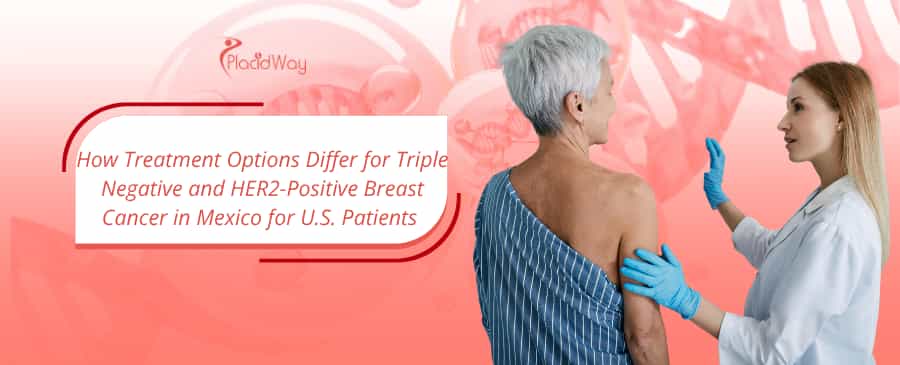
Navigating a breast cancer diagnosis is an inherently overwhelming experience, particularly when differentiating between complex subtypes like Triple Negative and HER2-positive. For many individuals in the United States facing astronomical healthcare expenses, exploring breast cancer treatment in Mexico has become a viable, strategic alternative. By looking beyond domestic borders, patients can often access high-quality oncological care that aligns with stringent international medical standards. Most patients experience a deeply compassionate approach to care that prioritizes a comprehensive understanding of their specific tumor biology.
The landscape of medical tourism in Mexico for breast cancer is continuously evolving to meet the complex demands of international patients seeking advanced therapies. Leading oncology centers in the region are typically equipped with modern diagnostic and therapeutic technologies to effectively manage aggressive malignancies. Medical professionals in these facilities frequently participate in global tumor boards and international training, ensuring they remain well-versed in the latest protocols. This cross-border option generally allows patients to pursue necessary, personalized treatment plans without the devastating financial burden often associated with U.S. healthcare.
Many oncology hubs in Mexico are geographically positioned mere minutes from the U.S. border, allowing patients to undergo outpatient treatments and return to their local accommodations swiftly.
- Access to multidisciplinary tumor boards that specialize in complex hematological and solid tumor presentations.
- Availability of cutting-edge infusion centers designed for maximum patient comfort during lengthy treatments.
- Streamlined admission processes that typically reduce the agonizing wait times between initial diagnosis and therapy initiation.
- Integration of holistic support systems, including nutritional counseling, alongside traditional medical interventions.
Understanding Triple Negative Breast Cancer Care for U.S. Patients
Triple Negative Breast Cancer (TNBC) is known for its aggressive nature and lacks estrogen, progesterone, and HER2 receptors, making it unresponsive to traditional hormonal therapies. When seeking Triple Negative Breast Cancer treatment in Mexico, patients typically find specialized protocols designed to rapidly address this fast-growing disease variant. Because it lacks specific molecular targets, the backbone of TNBC treatment has historically relied heavily on intensive systemic chemotherapy regimens. Most patients experience a highly coordinated medical effort aimed at halting cellular proliferation as swiftly as possible.
However, the clinical approach to TNBC is rapidly advancing, and international clinics are quick to adopt these evolving standards of care. Medical teams generally focus on neoadjuvant therapies administering systemic drugs before surgery—to effectively shrink the tumor and assess how the cancer responds in real-time. Finding breast cancer clinics in Mexico that understand the nuances of TNBC is critical for optimizing potential outcomes. These dedicated facilities typically offer the aggressive, monitored intervention that this specific subtype demands.
Due to the aggressive nature of TNBC, time is of the essence. Prioritize gathering all recent biopsies, imaging, and genetic testing results before your first international consultation.
- Utilization of anthracycline and taxane-based chemotherapy combinations as the foundational treatment strategy.
- Close monitoring of tumor response via advanced imaging to adjust dosages dynamically during the treatment cycle.
- Evaluation for BRCA gene mutations, which can frequently influence surgical and systemic therapy decisions.
- Incorporation of clinical surveillance protocols tailored to the higher recurrence risks associated with TNBC.
Exploring HER2-Positive Breast Cancer Therapies in Mexico
HER2-positive breast cancer is characterized by an overexpression of the human epidermal growth factor receptor 2 protein, which aggressively promotes cancer cell growth. The management of this subtype has been entirely revolutionized by the advent of biological agents designed to block this specific protein. When researching HER2-positive breast cancer therapies abroad, patients are often relieved to find that Mexican oncology centers utilize these globally recognized targeted treatments. These medications have generally transformed a historically grim diagnosis into a highly manageable condition for many women.
Administering these advanced biologicals requires precise clinical oversight and specialized infusion environments. Medical tourists utilizing affordable breast cancer treatment in Mexico can typically access the same high-tier monoclonal antibodies prescribed in the United States. Doctors carefully integrate these targeted therapies with standard chemotherapy to maximize the eradication of malignant cells. Most patients experience a meticulous approach to their infusion schedules, ensuring maximum therapeutic efficacy while closely monitoring cardiac health.
The HER2 protein is present in about 20% of all breast cancer diagnoses. Identifying this overexpression is the critical first step in unlocking access to highly effective targeted medications.
- Administration of primary targeted agents like Trastuzumab to block the HER2 cellular receptors.
- Use of dual-blockade therapies, combining multiple biological agents to prevent cancer cell signaling.
- Integration of targeted treatments into both pre-surgical (neoadjuvant) and post-surgical (adjuvant) clinical phases.
- Mandatory, ongoing echocardiogram monitoring, as HER2-targeted therapies can occasionally impact heart function.
Cost of Breast Cancer Treatment in Mexico Compared to the U.S.
Financial toxicity remains a significant barrier for many women requiring extensive oncological care in the United States, forcing devastating economic choices. Exploring the cost of breast cancer treatment in Mexico often reveals substantial financial relief, typically saving patients between 50% and 70% compared to domestic out-of-pocket prices. These international medical centers generally offer transparent pricing structures that encompass facility utilization, professional fees, and standard clinical care. While these savings are profound, patients must always remain diligent in requesting highly specific, personalized estimates based on their unique tumor pathology.
When evaluating affordable breast cancer treatment in Mexico, it is essential to understand that treatment costs vary drastically between TNBC and HER2-positive protocols. Targeted biological therapies represent a significant portion of the medical budget, yet they remain much more accessible south of the border. Patients generally find that this economic advantage allows them to afford the complete prescribed duration of these crucial medications without interruption. The table below outlines a comparative overview of realistic market ranges for common breast cancer interventions.
The medical costs listed below are generalized estimates intended for educational comparison only. Actual pricing will fluctuate based on the required medication dosages, the length of the prescribed treatment cycle, and the individual facility's rates. Always secure a customized, written quotation.
| Procedure / Treatment Phase | Average Cost in Mexico | Cost Comparison (U.S.) |
|---|---|---|
| Diagnostic Workup (Advanced Biopsy, PET/CT Scan) | $1,500 - $3,000 | $8,000 - $15,000 |
| Surgical Intervention (Lumpectomy / Partial Mastectomy) | $3,500 - $5,500 | $15,000 - $25,000 |
| Systemic Chemotherapy (Average Cost Per Cycle) | $1,200 - $2,500 | $5,000 - $12,000 |
| HER2 Targeted Therapy (e.g., Trastuzumab per cycle) | $2,000 - $4,000 | $8,000 - $16,000 |
| Radiation Therapy (Complete Standard Course) | $5,000 - $8,000 | $20,000 - $40,000 |
Research indicates that nearly 30% of uninsured or underinsured American cancer patients delay or abandon necessary therapies due strictly to prohibitive medication costs.
Diagnostic Protocols for Breast Cancer Subtypes in Mexico
Accurate pathological profiling is the absolute foundation of any effective oncological intervention. For those undergoing breast cancer treatment in Mexico, initial consultations generally involve a rigorous re-evaluation of existing biopsies to confirm the exact receptor status of the tumor. Distinguishing definitively between TNBC and HER2-positive diseases dictates entirely different therapeutic trajectories. Medical teams typically rely on highly sensitive immunohistochemistry (IHC) tests to map out these crucial biological markers.
The diagnostic infrastructure at top-tier breast cancer clinics in Mexico closely mirrors that of elite U.S. hospitals. Utilizing advanced imaging, such as contrast-enhanced MRIs and molecular PET scans, doctors precisely stage the disease before formulating a plan. Most patients experience a highly transparent diagnostic phase, where oncologists sit down to thoroughly explain how the pathology results directly inform the upcoming medical strategy. This clarity is generally vital for empowering the patient in their own healing journey.
If initial HER2 testing results are borderline or ambiguous, Mexican clinics routinely utilize FISH (Fluorescence In Situ Hybridization) testing to provide a definitive, unquestionable genetic result.
Before finalizing a treatment plan, the following elements are typically verified:
- Complete Receptor Status (ER, PR, and HER2).
- Ki-67 Proliferation Index (measuring how fast cells are growing).
- Genetic Counseling and BRCA mutation testing if family history dictates.
- Comprehensive full-body imaging to rule out distant metastasis.
Advanced Targeted Therapies for HER2-Positive Breast Cancer in Mexico
The continuous refinement of targeted biological agents represents one of the greatest triumphs in modern oncology. When accessing HER2-positive breast cancer therapies abroad, patients benefit from a medical community that swiftly adopts these life-saving advancements. Beyond standard first-line therapies, clinics often have access to newer generations of antibody-drug conjugates. These highly sophisticated drugs act like guided missiles, delivering potent chemotherapy directly inside the targeted HER2 cancer cells while generally sparing healthy tissue.
Administering these complex regimens requires an environment of clinical excellence and rigorous safety protocols. Facilities offering medical tourism in Mexico for breast cancer typically employ specialized oncology nurses who monitor infusions closely for adverse reactions. Most patients experience a profound sense of reassurance knowing they are receiving therapies recognized globally for their high efficacy rates. The clinical goal is generally to achieve a complete pathological response, significantly minimizing the risk of future disease recurrence.
Testimonial Summary: Maria V.
Diagnosed with HER2-positive breast cancer, Maria faced insurmountable co-pays for her targeted infusions in the U.S. By transferring her care to a specialized clinic in Mexico, she received her complete course of targeted antibodies safely, reporting exceptional support from the bilingual nursing staff throughout her months-long regimen.
- Employment of Antibody-Drug Conjugates (ADCs) to deliver targeted cellular destruction.
- Utilization of Tyrosine Kinase Inhibitors (TKIs) for complex or advanced cases.
- Rigorous baseline and ongoing cardiac evaluations to ensure the heart withstands the targeted agents.
- Personalized dosing schedules strictly adhering to established international oncological guidelines.
Innovative Immunotherapy for Triple Negative Breast Cancer in Mexico
Because TNBC lacks traditional therapeutic targets, researchers have focused heavily on mobilizing the body’s own immune defenses. Navigating Triple Negative Breast Cancer treatment in Mexico increasingly involves the exploration of advanced immunotherapies, particularly for patients with specific molecular profiles. Drugs called immune checkpoint inhibitors are designed to strip away the disguise cancer cells use to hide from the immune system. When combined with chemotherapy, this approach has generally shown remarkable promise in improving long-term outcomes.
The integration of these agents is handled with extreme clinical precision by specialists. Those seeking affordable breast cancer treatment in Mexico will find that doctors test tumors for the PD-L1 protein to determine if immunotherapy is a viable pathway. Most patients experience thorough consultations where the complex mechanics and potential side effects of these immunological agents are discussed transparently. This innovative strategy typically represents the cutting edge of TNBC disease management.
Immunotherapy works fundamentally differently than chemotherapy; instead of attacking the tumor directly, it trains your own immune system's T-cells to recognize and destroy the malignant cells.
- Evaluation of tumor PD-L1 expression prior to initiating immunological regimens.
- Concurrent administration of immunotherapy with systemic chemotherapy during the pre-surgical phase.
- Careful monitoring for immune-mediated side effects, which require immediate specialized intervention.
- Potential continuation of immunotherapy post-surgery to eradicate microscopic residual disease.
Surgical Interventions for Complex Breast Cancers in Mexico
Surgery remains a definitive and critical pillar in the curative intent for both TNBC and HER2-positive diagnoses. Following neoadjuvant medical therapies, patients utilizing breast cancer treatment in Mexico will transition to the surgical phase of their care. Experienced surgical oncologists meticulously evaluate how much the tumor has shrunk to determine the most appropriate surgical approach. The goal is generally to achieve entirely clear surgical margins while prioritizing breast conservation whenever safely possible.
The surgical suites in modern breast cancer clinics in Mexico are typically outfitted with advanced technological infrastructure to ensure patient safety. From less invasive lumpectomies to complex modified radical mastectomies, the surgical teams are highly adept at managing difficult anatomical presentations. Most patients experience a collaborative discussion involving their surgical oncologist and a plastic surgeon to map out potential immediate reconstruction options. This holistic surgical approach generally supports both physical healing and psychological recovery.
Discuss the possibility of sentinel lymph node biopsy with your surgeon prior to the operation. This targeted procedure typically helps prevent the unnecessary removal of healthy lymph nodes, reducing the risk of lymphedema.
Testimonial Summary: Elizabeth C.
After aggressive chemotherapy for TNBC, Elizabeth traveled to a specialized surgical center in Mexico. Her surgical oncologist successfully performed a skin-sparing mastectomy with immediate reconstruction, an approach she states was handled with immense precision and aesthetic care.
Radiation Oncology for Breast Cancer Medical Tourism in Mexico
Radiation therapy often serves as the final, crucial step in local disease control, specifically targeting any microscopic cancer cells that may have evaded surgery. For those engaging in medical tourism in Mexico for breast cancer, accessing modern radiation facilities is a standard part of the treatment continuum. High-tech linear accelerators are typically utilized to deliver precise doses of radiation while sparing surrounding healthy tissue, particularly the heart and lungs. This phase generally requires a commitment to daily treatments over several weeks.
The radiologic technologists and oncologists overseeing affordable breast cancer treatment in Mexico adhere to strict international safety calibration protocols. They utilize 3D conformal radiation or intensity-modulated radiation therapy (IMRT) to map the breast contours meticulously. Most patients experience a highly supportive environment during this repetitive phase of care, with staff focusing heavily on skin health and fatigue management. It is a critical component generally aimed at significantly lowering the chances of local disease recurrence.
Modern radiation techniques, such as deep inspiration breath-hold (DIBH), are routinely used during left-sided breast radiation to physically distance the heart from the radiation beam, protecting cardiovascular health.
- Use of advanced linear accelerators for highly targeted, localized radiation delivery.
- Careful skin toxicity monitoring by nursing staff to prevent severe radiation dermatitis.
- Hypofractionated schedules, which generally deliver higher doses over a shorter timeframe, if clinically appropriate.
- Coordination with the surgical team to ensure tissues have adequately healed prior to radiation commencement.
Multidisciplinary Care at Breast Cancer Clinics in Mexico
Beating complex malignancies requires more than just isolated medical interventions; it demands a unified, collaborative approach. The most successful breast cancer clinics in Mexico operate on a multidisciplinary model, where experts from various medical specialties convene to discuss complex cases. A tumor board typically includes medical oncologists, surgical oncologists, radiation experts, and specialized pathologists. This collective brain trust generally ensures that every possible therapeutic angle is considered before finalizing a patient's care plan.
This holistic framework extends deeply into the patient’s day-to-day experience during breast cancer treatment in Mexico. Supportive care is often integrated directly into the treatment schedule, emphasizing the psychological and physical resilience of the patient. Most patients experience the benefits of having clinical nutritionists, pain management specialists, and mental health counselors actively involved in their recovery. It is a comprehensive philosophy that typically recognizes healing as a multifaceted endeavor.
Integrative oncology, which combines standard treatments with evidence-based complementary therapies, has been clinically shown to reduce treatment fatigue and improve overall patient quality of life.
Testimonial Summary: Karen L.
Karen highlights the tumor board at her Mexican clinic as the turning point in her TNBC journey. The collaborative team identified a unique marker in her pathology that altered her chemotherapy combination, a detail she feels was vital to her subsequent complete pathological response.
Preparing for Medical Tourism in Mexico for Breast Cancer
Embarking on a cross-border healthcare journey requires meticulous preparation to ensure safety and minimize undue stress. When organizing medical tourism in Mexico for breast cancer, patients must manage both logistical travel details and critical medical documentation simultaneously. Ensuring your passport is valid and gathering comprehensive digital copies of all pathology slides, imaging discs, and physician notes is the foundational first step. Transparent communication with your local healthcare providers regarding your international plans is generally highly recommended.
Additionally, cultivating a strong personal support system is vital when seeking Triple Negative Breast Cancer treatment in Mexico or managing HER2-positive protocols. Having a designated caregiver travel with you typically provides essential emotional grounding and practical assistance during demanding treatment cycles. Most patients experience a much smoother transition when they have organized their financial arrangements and verified clinical payment protocols prior to their arrival. Preparation is generally the key to a focused, healing-centric environment.
Create a well-organized physical binder containing tabbed sections for your labs, scans, and physician contact information. This ensures critical data is instantly accessible during border crossings and clinical intakes.
- Confirm the exact border crossing procedures or airport pickup logistics with the clinic.
- Pack loose, comfortable clothing with easy chest access to accommodate surgical drains or IV ports.
- Ensure you have a sufficient supply of any unrelated daily prescription medications from home.
Managing Side Effects of Aggressive Breast Cancer Treatments
Aggressive malignancies demand aggressive systemic treatments, which invariably introduce a spectrum of physical side effects. Undergoing extensive HER2-positive breast cancer therapies or potent TNBC chemotherapy requires a proactive approach to symptom management. Specialized oncology centers prioritize mitigating these toxicities to prevent treatment interruptions. Medical teams typically deploy a range of anti-emetics, specialized mouthwashes, and targeted growth factors to counteract nausea, mucositis, and dangerous drops in white blood cell counts.
The nursing staff at leading breast cancer clinics in Mexico are generally highly trained in identifying the early warning signs of severe treatment reactions. Patients are educated extensively on what symptoms warrant immediate medical reporting, fostering a safe, collaborative environment. Most patients experience a significant reduction in physical distress when their medical team aggressively manages these side effects rather than merely reacting to them. Ensuring physical stability is generally essential for completing the prescribed therapeutic course safely.
Peripheral neuropathy (tingling in hands and feet) is a common side effect of taxane-based chemotherapies. Cold therapy (cryotherapy) using specialized gloves and socks during infusion can sometimes reduce its severity.
Testimonial Summary: Angela R.
Angela was highly anxious about the notorious side effects of the "Red Devil" (doxorubicin) chemotherapy for her TNBC. She credits the meticulous premedication protocols and constant nursing vigilance at her Mexican oncology center for keeping her nausea minimal and preventing hospitalization.
Long-Term Surveillance After Breast Cancer Treatment in Mexico
Completing active oncological therapy is a monumental milestone, but transitioning into the survivorship phase requires ongoing vigilance. For patients returning home after breast cancer treatment in Mexico, establishing a rigorous surveillance schedule is critical for detecting any potential local or distant recurrences. Because TNBC generally carries a higher risk of recurrence within the first few years, strict adherence to follow-up imaging and clinical exams is absolutely mandatory. This long-term monitoring typically forms the ultimate safety net for patients.
Successful survivorship relies on the seamless transfer of medical data across borders. Facilities providing affordable breast cancer treatment in Mexico typically issue comprehensive, translated discharge summaries detailing every medication, dosage, and surgical intervention performed. Most patients experience a smooth transition when they proactively connect their international oncologist with their local U.S. physician. This collaborative continuity of care is generally the best defense against the complexities of post-cancer life.
HER2-positive patients may require continued targeted therapy infusions (like Trastuzumab) for up to a full year to achieve the best statistical outcome, necessitating precise cross-border care coordination.
Schedule your initial post-treatment follow-up with your local U.S. oncologist well before you finish your therapy in Mexico. This ensures there are zero dangerous gaps in your ongoing medical surveillance.
Navigating Your Breast Cancer Medical Journey With PlacidWay
Coordinating international healthcare during a critical illness demands precision, expertise, and a deep understanding of global medical networks. For those seeking highly specialized breast cancer clinics in Mexico, partnering with a dedicated medical facilitation platform can alleviate the immense stress of finding reputable care independently. PlacidWay serves as a crucial bridge, connecting patients directly with thoroughly vetted oncological centers that prioritize patient safety and clinical excellence. By streamlining the initial communication process, patients can focus their energy entirely on evaluating their medical options rather than navigating complex administrative hurdles.
Pursuing affordable breast cancer treatment in Mexico requires transparent information and structured support to ensure a seamless, safe experience. PlacidWay assists patients by facilitating direct clinical introductions and securely transferring necessary medical records for rapid preliminary assessments. Most patients experience a significant reduction in anxiety when utilizing experienced facilitators who understand the nuanced demands of cross-border oncological care. This structured pathway is generally designed to empower individuals with the clarity needed to make informed, life-saving healthcare decisions.
Thousands of international patients utilize established medical facilitation platforms annually to safely navigate their oncology journeys, ensuring they access appropriately accredited and specialized global facilities.
When reaching out for assistance, provide clear details about your specific breast cancer subtype and current staging to ensure you are matched with the most appropriately specialized medical team.
- Providing direct introductions to established, credentialed oncology centers specializing in complex breast cancer subtypes.
- Facilitating the secure and compliant transfer of your pathology reports and imaging files for thorough clinical review.
- Assisting patients in obtaining comprehensive, itemized medical treatment quotes directly from the verified providers.
- Offering dedicated patient coordination to answer crucial questions regarding medical protocols and facility capabilities.
Yes, many specialized oncology centers in Mexico offer advanced protocols for Triple Negative Breast Cancer. These typically include combinations of modern chemotherapy and emerging immunotherapy agents.
Patients can generally access internationally recognized targeted therapies, such as Trastuzumab and Pertuzumab, in Mexico. These biological medications are crucial for effectively managing HER2-positive tumors.
Medical tourists typically save between 50% to 70% on comprehensive breast cancer treatment in Mexico compared to U.S. healthcare costs. The exact savings vary based on the required surgical and pharmaceutical interventions.
Many facilities catering to international patients hold national and international healthcare accreditations. They generally adhere to strict clinical guidelines to ensure high standards of patient safety.
U.S. citizens generally do not require a special medical visa for short-term care in Mexico. A valid passport is typically sufficient for crossing the border to receive medical treatments.
Oncologists typically utilize a multidisciplinary approach involving tumor boards to design aggressive, personalized regimens. Care plans generally incorporate systemic treatments prior to surgical interventions to shrink rapidly growing tumors.
Undergoing breast surgery is generally safe when utilizing vetted, well-established hospital networks with dedicated surgical oncology units. Most patients experience high levels of preoperative evaluation and postoperative monitoring.
Yes, cross-border continuity of care is highly encouraged and frequently practiced. Mexican oncology teams typically provide comprehensive medical records to ensure seamless surveillance with your local U.S. physician.
Leading medical tourism facilities typically employ fully bilingual medical staff and patient coordinators. This generally ensures that all complex medical terminology and care instructions are clearly understood.
Begin by compiling your complete medical history, including recent pathology reports and imaging scans. Utilizing a trusted medical facilitation platform typically streamlines the process of obtaining clinical reviews and treatment estimates.
References
- Mayo Clinic. (2026). Breast Cancer - Diagnosis and Treatment Options. https://www.mayoclinic.org/
- WebMD. (2026). Understanding Triple-Negative Breast Cancer and Targeted Therapies. https://www.webmd.com/
- PubMed. (2026). Clinical Advancements in HER2-Positive Breast Cancer Care. https://pubmed.ncbi.nlm.nih.gov/
- World Health Organization (WHO). (2026). Global Health Strategies for Breast Cancer Management. https://www.who.int/
.png)
















Share this listing