

Contents
Facing a prostate cancer diagnosis in the US or Canada often feels like being handed a terrifying puzzle where half the pieces are missing, and the box costs your life savings. You are suddenly navigating a maze of staggering medical bills, insurance loopholes, and wait times that can make an already stressful situation feel completely overwhelming. It is no wonder so many men are looking just south of the border for a practical solution that does not involve emptying their retirement accounts. Tijuana has quietly become a serious contender for comprehensive urological oncology, offering a true lifeline just minutes from the San Diego border.
Prostate cancer treatment in Tijuana generally costs between $10,000 and $25,000, depending on whether you require open surgery, HIFU, or localized radiation therapy. However, when traveling for oncology care, you should never walk into just any building with a medical cross on it. You need to actively verify local credentials, specifically looking for clinics recognized by the General Health Council (CSG) or certified by COFEPRIS, which is Mexico's federal health regulatory agency. Comparing these critical factors will help you find a safe and reliable path forward.
Key Insights
Navigating cancer treatment costs piece by piece can quickly turn into a logistical and financial nightmare, which is why bundled medical packages are highly appealing. A well-structured, comprehensive package should cover much more than just the time spent in the operating room. Look for crucial inclusions like pre-op MRI evaluations, hospital stays, ground transportation from San Diego, and necessary post-treatment medications.
Be cautious of deals that seem exceptionally low, as they might leave out anesthesia, pathology fees, or extended recovery care. Knowing exactly what you are paying for helps prevent unexpected out-of-pocket expenses later. Review the medical packages listed below to see exactly what is included and compare the best overall value for your healthcare journey.

Price starting from $18,995
Alternative Prostate Cancer Treatment Package in Tijuana, Mexico by Immunity Therapy Center
ITC Immunity Therapy Center - Alternative Cancer Treatment in Tijuana
- Cancer Treatment
Tijuana, Mexico
Let's look at the numbers directly: treating prostate cancer in Tijuana typically ranges from $10,000 for non-invasive therapies up to $25,000 for complex robotic prostatectomies. In the US, similar procedures can easily exceed $50,000 before you even factor in deductibles and out-of-network surprises. This substantial cost difference comes from lower administrative overhead and localized economic factors, not a downgrade in surgical technology.
Always request an itemized estimate from your chosen facility so you know if pathology, facility fees, and post-op care are part of the bottom line. Medical tourism only works when the pricing structure is completely transparent. Compare the pricing options below to better understand the financial scope of your available choices.
Prostate Cancer Centers Cost Comparison in Tijuana, Mexico
| Provider | Procedure | Price |
|---|---|---|
| ITC Immunity Therapy Center - Alternative Cancer Treatment in Tijuana | Prostate Cancer, Cancer Treatment | $18995 |
Prostate Cancer Cost Comparison in Mexico
| Country | Procedure | Price |
|---|---|---|
| Japan | Prostate Cancer, Cancer Treatment | $40000 |
| United States | Prostate Cancer, Cancer Treatment | $34720 |
Choosing a cancer clinic abroad is not like picking a vacation resort; a beautifully polished lobby means absolutely nothing if the medical standards fall short. You need a specialized facility equipped with modern oncology technology, intensive care units, and a dedicated tumor board. Start by asking for the clinic's COFEPRIS certification to ensure they meet federal safety guidelines.
It is also important to dig into their infection control rates and the specific diagnostic tools they use for prostate staging, like multiparametric MRIs. Transparency is key, so pay attention to how openly a facility answers your clinical questions. Take a close look at the clinic profiles below to compare facility accreditations and find a center that aligns perfectly with your medical needs.

Limphocare by Limphocite - Immunotherapy for Cancer in Mexico
Tijuana, Mexico
Reading about a medical procedure is helpful, but seeing the environment where it actually happens provides a completely different level of reassurance. Video walkthroughs give you an unfiltered look at a clinic's infrastructure, operating rooms, and private recovery suites before you ever book a flight. They help bridge the distance by showing you exactly where you will be treated.
These videos also offer a great chance to hear directly from oncologists explaining their surgical approach or non-invasive techniques in their own words. Watching these detailed clips helps demystify the experience of crossing the border for major healthcare. Browse the videos below to compare facility conditions and get comfortable with your prospective medical team.
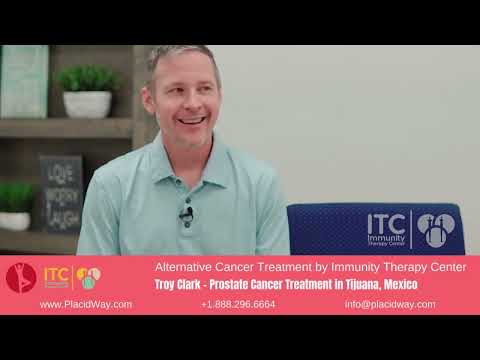




When it comes to cancer treatment, the most valuable insights usually come directly from the men who have already sat in the patient's chair. Patient testimonials reveal the realities of crossing the border, the bedside manner of the oncology team, and the actual day-to-day recovery experience. Look for reviews that specifically mention the prostate treatment you need, rather than general praise.
Pay close attention to how the medical staff handled post-treatment follow-ups, communication hurdles, or unexpected complications along the way. Honest feedback is your best tool for evaluating a clinic's true quality of care. Read through the patient reviews below to compare firsthand experiences and make a more confident decision.

Traveling to Mexico for prostate cancer treatment naturally brings up a lot of logistical, financial, and medical questions. From understanding cross-border travel requirements to specific surgical recovery times, getting clear, accurate answers is essential for your peace of mind. Review these frequently asked questions to learn exactly what to expect before you pack your bags.
Is prostate cancer treatment safe in Tijuana?
Yes, it can be very safe if you choose an accredited hospital or specialized oncology center. Safety depends heavily on verifying that the facility is certified by COFEPRIS and that your surgical team holds proper urological and oncological board certifications.
What types of treatments are available there?
Major Tijuana clinics offer a variety of options including radical prostatectomy, High-Intensity Focused Ultrasound (HIFU), radiation therapy, and cryotherapy. The best approach depends entirely on your cancer stage and your doctor's specific recommendations.
How do I travel to Tijuana for medical care?
Most international patients fly into San Diego International Airport (SAN). From there, many Tijuana medical facilities provide dedicated shuttle services that cross the border through expedited medical lanes directly to the clinic.
Do Tijuana oncologists speak English?
Yes, in top-tier medical tourism hospitals, the leading urologists, oncologists, and patient coordinators are highly fluent in English. Many of these doctors have also completed fellowships or specialized training in the United States or Europe.
Will my US insurance cover surgery in Mexico?
Standard US health insurance typically does not cover planned medical procedures abroad. Most patients pay out-of-pocket using savings or medical financing, though the overall cash price in Mexico is often less than a US insurance deductible.
How long do I need to stay in Mexico after treatment?
Recovery timelines vary significantly by procedure. Non-invasive treatments like HIFU may only require a few days, while surgical prostatectomies usually require a hospital stay of 2 to 3 days, followed by up to two weeks resting in a local hotel before flying.
What is COFEPRIS and why does it matter?
COFEPRIS is the Mexican government body that regulates health facilities and medical devices. A certification from this agency ensures that the hospital or clinic adheres to strict federal safety and hygiene standards.
Can I bring a family member with me?
Absolutely. It is highly recommended to bring a companion for emotional and physical support. Most clinic packages include hotel accommodations and hospital accommodations for at least one travel companion.
Are robotic prostatectomies performed in Tijuana?
Yes, several premier hospitals in Tijuana are equipped with advanced robotic surgical systems. If this is the route you choose, ensure your specific surgeon has extensive, documented experience operating the robotic console.
How do I handle follow-up care once I return home?
Before leaving Tijuana, you should receive a full medical report translated into English. You will need to coordinate with a local urologist or primary care doctor in your home country to monitor your PSA levels and manage long-term recovery.
If you still have questions about the process, use the detailed listings below to compare different clinical approaches and clear up any remaining concerns you may have.
Cancer Treatment in Mexico Reviews - Real Patient Experiences in Tijuana
Imagine your body's own defense system getting a powerful upgrade to fight cancer. That's the incredible promise of immunotherapy! This revolutionary treatment is changing the way we approach cancer, offering new hope to patients in Mexico and around the world. How Does Immunotherapy Work? Instead of directly attacking cancer cells like traditional treatments such as chemotherapy and radiation, immunotherapy works by boosting your body's natural defenses. It's like training your immune system to become a super-soldier in the fight against cancer! Here are some of the amazing ways immunotherapy achieves this: Immune Checkpoint Inhibitors: These medications act like "on" switches for your immune system. They remove the obstacles that prevent your immune cells from recognizing and destroying cancer cells. CAR T-Cell Therapy: This personalized treatment involves taking your own T-cells (a type of immune cell) and giving them a special upgrade in a lab. These supercharged T-cells are then put back into your body to fight cancer more effectively. Cancer Vaccines: Just like vaccines protect you from diseases like the flu, cancer vaccines train your immune system to recognize and attack specific cancer cells. Monoclonal Antibodies: These are like tiny guided missiles that attach to specific proteins on cancer cells, marking them for destruction by your immune system. Adoptive Cell Transfer: This technique involves collecting and modifying immune cells from your body or a donor to enhance their ability to target and kill cancer cells. Who Can Benefit from Immunotherapy? Immunotherapy is a promising option for various types of cancer, including melanoma (skin cancer), lung cancer, bladder cancer, and certain types of lymphoma. Whether or not immunotherapy is right for you depends on several factors, including the type and stage of your cancer, your overall health, and any previous treatments you've received. Your doctor will carefully evaluate your individual situation to determine if immunotherapy is a suitable option for you. Real-Life Stories of Hope and Healing In Mexico, countless patients have experienced remarkable success with immunotherapy. From individuals battling advanced melanoma to those facing aggressive forms of leukemia, immunotherapy has offered a lifeline to patients who had exhausted all other treatment options. These inspiring stories of courage and resilience demonstrate the transformative power of immunotherapy in the fight against cancer. 1. Jack Conkey's Prostate Cancer Care at Immunity Therapy Center in Tijuana, Mexico 2. Pamela Carrillo's Breast Cancer Treatment with Immunity Therapy Center in Tijuana, Mexico 3. Patricia Gale's Breast Cancer Journey at Immunity Therapy Center in Tijuana, Mexico 4. John Sager's Esophageal Cancer Treatment Experience at Immunity Therapy Center in Tijuana, Mexico 5. John Russel's Myeloma Cancer Journey at Immunity Therapy Center in Tijuana, Mexico 6. Bette Johnson's Road to Breast Cancer Treatments in Tijuana, Mexico at Immunity Therapy Center 7. William Shaffer Fox's Path to Prostate Cancer Treatment in Tijuana, Mexico at Immunity Therapy Center 8. Adrianne's Remarkable Story with Lung Cancer Treatment in Tijuana Mexico 9. Hope Renewed: Clara's Breast Cancer Treatment Odyssey in Tijuana 10. Prostate Cancer Treatment in Tijuana: Alberto's Inspiring Journey Why Choose Immunotherapy? Immunotherapy offers several advantages over traditional cancer treatments: Fewer Side Effects: Because immunotherapy works by harnessing your body's natural defenses, it often causes fewer side effects than traditional treatments like chemotherapy and radiation. Long-lasting Results: Immunotherapy can lead to long-lasting remissions, with some patients experiencing years of cancer-free living. Personalized Treatment: With ongoing research and advancements, immunotherapy holds the potential for even more personalized treatment approaches tailored to each individual's needs. Improved Quality of Life: By reducing side effects and preserving your body's normal functions, immunotherapy can help you maintain a higher quality of life during and after treatment. Top Hospitals and Doctors in Mexico Mexico is home to world-class hospitals and highly skilled oncologists who are at the forefront of immunotherapy research and treatment. These cancer treatment hospitals in Mexico offer state-of-the-art facilities, multidisciplinary teams of healthcare professionals, and a patient-centered approach to care. Doctors Dr. Carlos Bautista Dr. Luis Angel Garcia These hospitals boast state-of-the-art facilities, multidisciplinary teams of healthcare professionals, and a patient-centered approach to care. Best Immunotherapy Cancer Treatments Hospitals in Mexico ITC - Immunity Therapy Center Immunotherapy for Cancer Treatment by Mexstemcells Mexstemcells Baja Integrative & Health Center Hospital Velmar While we cannot mention specific hospital names, you can be confident that Mexico has leading institutions where you will receive exceptional medical care and compassionate support. Cost of Immunotherapy and Other Cancer Treatments in Mexico Treatment Type Average Cost in Mexico (USD) Immunotherapy $18,995 Chemotherapy $10,000 - $15,000 Radiation Therapy $12,000 - $16,000 Surgery $8,000 - $20,000 Please note: These are average costs, and your actual Immunotherapy and other cancer treatments in Mexico cost may vary depending on your individual needs. FAQs about Immunotherapy in Mexico 1. Is immunotherapy available for all types of cancer? While immunotherapy has shown promise for many types of cancer, it may not be suitable for everyone. Your doctor will determine if it's an appropriate option for you based on your specific situation. 2. How long does immunotherapy treatment last? The duration of immunotherapy treatment varies depending on the type of immunotherapy you receive and your individual response to treatment. 3. Will my insurance cover immunotherapy in Mexico? Insurance coverage for immunotherapy cancer treatment in Mexico varies depending on your insurance plan. It's important to check with your insurance provider to understand your coverage. 4. What are the potential side effects of immunotherapy? While immunotherapy generally has fewer side effects than traditional cancer treatments, some people may experience side effects such as fatigue, skin rashes, or flu-like symptoms. 5. Where can I find more information about immunotherapy in Mexico? PlacidWay Medical Tourism can provide you with comprehensive information about immunotherapy in Mexico and connect you with top hospitals and doctors. Ready to Explore Your Options? If you're considering immunotherapy for cancer treatment, take the first step towards a healthier future. Contact PlacidWay Medical Tourism today! Their experienced team can answer your questions, help you explore your treatment options, and guide you through every step of your journey. Don't wait – schedule a consultation today and discover the life-changing potential of immunotherapy.
How Much Does Immunotherapy for Cancer Cost in Mexico?
The cost of immunotherapy for cancer in Mexico typically ranges from $5,000 to $12,000 per infusion cycle for standard biological drugs. Comprehensive, multi-week integrative programs that include cellular therapies and supportive care can range from $18,000 to $45,000, saving patients 50% to 70% compared to U.S. prices. Key Takeaways: Cancer Immunotherapy in Mexico Significant Savings: Patients can reduce treatment costs by up to 70% without sacrificing drug quality. Authentic Medications: Facilities use globally recognized, FDA-cleared checkpoint inhibitors like Keytruda and Opdivo. Integrative Approaches: Many top centers combine advanced biologics with holistic therapies (nutrition, hyperthermia) for comprehensive care. Rapid Access: Medical tourism eliminates long wait times, allowing patients to begin vital protocols almost immediately. Comprehensive Logistics: Specialized clinics offer full concierge support, managing travel, borders, and lodging. What Factors Influence the Immunotherapy Cost in Mexico? The final immunotherapy cost in Mexico is not a flat rate; it fluctuates based on a variety of clinical and logistical variables. Understanding these factors is crucial for patients trying to budget for out-of-pocket medical travel. The most significant driver of cost is the specific type of drug prescribed. While standard checkpoint inhibitors might cost $5,000 per cycle, specialized cellular therapies like CAR-T or dendritic cell vaccines require complex laboratory preparation, pushing costs higher. Location also plays a vital role in pricing. Seeking treatment at an immunotherapy clinic in Mexico located in major urban centers like Mexico City or Monterrey often carries a 20-30% premium due to higher overhead costs compared to facilities in border towns like Tijuana or coastal destinations like Cancun. Furthermore, the inclusion of integrative therapies will impact the total package price. Many international patients opt for comprehensive programs that bundle the primary biological drugs with ozone therapy, high-dose IV vitamins, specialized oncology nutrition, and psychological support. While these integrative packages increase the upfront cost, they offer a holistic approach to healing. Important Consideration When comparing quotes, ensure you understand exactly what is included. Ask if the estimate covers pre-treatment blood work, specialized biomarker testing (which can add $800-$1,200), facility fees, and the cost of the actual drug infusion. How Does the Price Compare Between Different Cancer Types? Costs vary by diagnosis because different cancers require specific drugs and varying numbers of treatment cycles. For instance, lung or kidney cancer protocols using standard checkpoint inhibitors often range from $22,000 to $38,000 for a full course, while complex CAR-T therapies can exceed $60,000. The specific biological targets of different malignancies dictate the pharmaceutical approach, which directly impacts the bottom line. For example, lung cancer immunotherapy in Mexico frequently utilizes well-established drugs like Pembrolizumab or Nivolumab. Because these drugs are widely used, the pricing is relatively standardized, offering predictable, massive savings compared to U.S. hospital markups. Conversely, treatments for complex or refractory cases, such as certain blood cancers requiring CAR-T cell therapy, represent the higher end of the pricing spectrum. This process involves genetically modifying a patient's own T-cells in a specialized laboratory, a resource-intensive procedure that commands a premium, though it remains substantially more affordable than North American equivalents. Prostate and breast cancer protocols often utilize a blend of dendritic cell vaccines and targeted therapies. These individualized vaccines, formulated from the patient's own blood to train the immune system against specific tumor antigens, usually fall in the mid-tier pricing range, typically between $30,000 and $45,000 for a comprehensive 3-week inpatient program. Treatment Focus Estimated Cost in US Estimated Cost in Mexico Checkpoint Inhibitors (Per Cycle) $12,000 - $25,000 $4,500 - $8,000 Dendritic Cell Therapy (Protocol) $90,000+ $18,000 - $35,000 Comprehensive Integrative Care (3 Weeks) $150,000+ $30,000 - $45,000 *Estimates only. Actual costs vary by clinic, dosage, and case complexity. What Medical Quality and Safety Standards Can I Expect? Top-tier facilities offering medical tourism in Mexico operate under strict regulatory oversight. They employ board-certified oncologists and adhere to international treatment guidelines (like NCCN), utilizing the same FDA-cleared medications found globally. Safety is the primary concern for any patient traveling for critical care. The landscape of oncology south of the border is highly regulated. Reputable clinics are overseen by COFEPRIS (the Mexican equivalent of the FDA), which ensures that only approved, authentic medications are imported and administered. Furthermore, the best centers prioritize credentialing. Patients should look for facilities staffed by oncologists who are certified by CONACEM (Mexico's leading medical accreditation body) and who often hold memberships in prestigious international organizations like ASCO (American Society of Clinical Oncology). This ensures that the doctors prescribing the treatment are fully qualified to manage both the administration and any potential immune-related adverse events. To ensure the highest safety standards, prospective patients should seek out hospitals with national certification from the General Health Council (CSG) or the gold standard of international medical travel, Joint Commission International (JCI) accreditation. These seals indicate that a facility meets rigorous protocols for patient safety, infection control, and emergency preparedness. Did You Know? Many top oncology specialists in Mexico have completed fellowships or specialized training at renowned institutions in the United States, Europe, or Canada, bringing global expertise back to their local practices. Why Choose PlacidWay for Your Medical Journey? Navigating international healthcare options can be overwhelming, especially when managing a serious diagnosis. PlacidWay Medical Tourism simplifies this process by connecting patients with vetted, high-quality oncology centers. Extensive Network Access a curated directory of specialized cancer clinics across major Mexican medical hubs, allowing you to compare options. Transparent Pricing Receive detailed, upfront cost estimates for treatments, helping you avoid hidden fees and plan your budget effectively. Dedicated Coordination Benefit from personalized support teams that assist with gathering medical records, facilitating consultations, and answering procedural questions. Verified Credentials PlacidWay provides access to facility accreditation information and doctor profiles, ensuring you choose reputable providers. Patient-Centric Focus Our platform prioritizes educational resources and unbiased guidance, empowering you to make informed decisions about your care. Frequently Asked Questions Is immunotherapy for cancer in Mexico safe? Yes, immunotherapy in Mexico is safe when administered at accredited clinics under the supervision of board-certified oncologists. Reputable facilities use the same FDA-cleared and internationally recognized pharmaceutical brands (like Keytruda and Opdivo) as U.S. hospitals. Always verify the clinic's COFEPRIS registration and ensure they have strict cold-chain storage protocols for biological drugs. Are the immunotherapy drugs used in Mexico authentic? Top-tier oncology centers in Mexico source their medications directly from licensed global manufacturers. These are the exact same drugs used in the United States and Europe. Reputable clinics will transparently provide documentation regarding their pharmaceutical supply chain and drug authenticity. Does insurance cover the immunotherapy cost in Mexico? Most standard U.S. health insurance plans do not cover treatments received outside the country. However, some international health insurance policies or specialized medical travel plans may offer partial reimbursement. Patients typically pay out-of-pocket, utilizing savings, medical loans, or specialized financing options, but still save significantly compared to U.S. cash prices. How many days do I need to stay in Mexico for immunotherapy? The length of stay depends heavily on your specific cancer type and the treatment protocol. A single infusion cycle might require only a 3-to-5-day trip. However, comprehensive integrative protocols (which include dendritic cell vaccines, detox, and hyperthermia) often require residential stays ranging from 14 to 21 days. Do doctors in Mexican cancer clinics speak English? Yes, the vast majority of oncologists and medical staff at facilities catering to international medical tourists are fully bilingual in English and Spanish. Many have completed fellowships or specialized training in the United States or Europe. What happens if I experience side effects after returning home? Before leaving Mexico, your medical team will provide a detailed follow-up plan and a comprehensive medical file outlining the drugs administered. It is highly recommended to establish a co-management relationship with a local oncologist in your home country who can monitor your progress and manage any delayed immune-related adverse events. Can I bring a companion with me for medical tourism in Mexico? Yes, bringing a support person is strongly encouraged. Many medical tourism packages and inpatient oncology clinics include accommodations and meals for one companion at no extra charge, or for a very minimal fee, to ensure you have emotional and logistical support. Is it safe to travel to border cities like Tijuana for cancer care? Millions of patients travel safely to border cities like Tijuana every year. Medical tourism clinics typically offer concierge services, including private shuttle pick-ups directly from the San Diego airport to the clinic, minimizing travel stress. Patients are advised to follow standard travel safety guidelines and remain within designated medical and tourist districts. What documents do I need to cross the border for medical care? U.S. and Canadian citizens traveling by air will need a valid passport. If crossing by land, a valid passport, passport card, or enhanced driver's license is required. It is also essential to carry all your medical records, pathology reports, and imaging scans (CT/PET/MRI) either physically or digitally. How do I choose the best clinic for my specific cancer type? Look for facilities that hold national (CSG) or international (JCI) accreditations. Verify the lead oncologist's credentials, ensuring they are board-certified and experienced with your specific cancer type. Request virtual consultations to discuss your case, and ask for detailed, written treatment plans and cost estimates before committing. Ready to Explore Your Options? Compare treatment plans, check clinic availability, and receive personalized cost estimates for advanced oncology care. Request Treatment Information Medical Disclaimer: The information provided in this article is for educational purposes only and does not constitute medical advice. Treatment outcomes, costs, and availability vary. Always consult with a qualified healthcare professional or your primary oncologist before making decisions regarding international medical travel or altering your cancer treatment plan. Pricing data reflects estimates gathered in mid-2026 and is subject to change based on clinic protocols and global pharmaceutical markets. References Immunotherapy to Treat Cancer – National Cancer Institute (NCI) How Immunotherapy is Used to Treat Cancer – American Cancer Society Medical Tourism: Travel to Another Country for Medical Care – Centers for Disease Control and Prevention (CDC) Oncology (Cancer) / Hematologic Malignancies Approval Notifications – U.S. Food and Drug Administration (FDA)
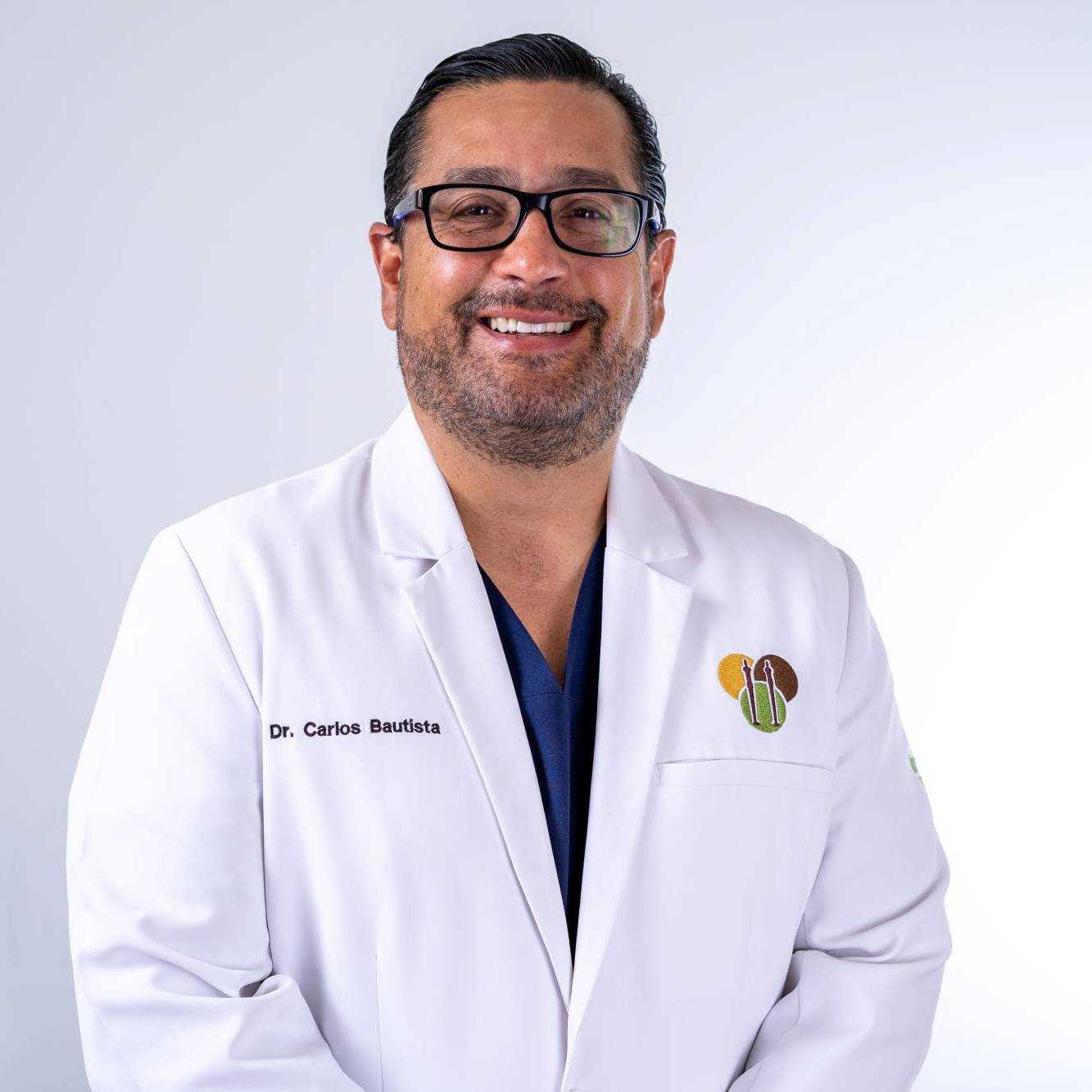
Your long-term medical outcome relies heavily on the hands guiding the instruments, making your choice of urologist or oncologist the single most critical decision of this process. Do not just settle for a friendly demeanor; verify their specific, hands-on experience with the exact procedure you need. Check if they have international medical training, active affiliations with organizations like the American Urological Association, or board certifications within Mexico.
A reliable, high-quality specialist will gladly discuss their complication rates and long-term success records without hesitation or deflection. They should prioritize your safety and give you a realistic view of recovery rather than just selling you on a surgery. Review the surgeon profiles below to compare professional credentials and find the right medical expert for your treatment plan.
Tijuana has rapidly transformed into a bustling hub for advanced medical tourism, drawing thousands of patients primarily from the United States and Canada. Its main appeal is unmatched geographic convenience; located directly across the border from California, it eliminates the need for exhausting long-haul international flights while you are dealing with a health crisis.
Most international patients fly into San Diego International Airport (SAN), which is only a short 30-minute drive from the major hospital districts in Tijuana. From the airport, many accredited clinics offer dedicated medical shuttle services that utilize a fast-track medical lane at the border crossing. This specialized lane makes the journey into and out of Mexico remarkably seamless and stress-free. When planning your healthcare trip, consider these key travel logistics:
| Nearest Major Airport | San Diego International Airport (SAN) |
| Primary Border Crossing | San Ysidro Port of Entry |
| Passport Requirement | Valid Passport Book or Card Required |
| Accepted Currency | US Dollars widely accepted; Mexican Peso is official |
| Climate | Mild, Mediterranean climate year-round |
| Language | Spanish (English widely spoken in medical areas) |
While you are primarily visiting for surgical recovery, the city is well-equipped to host medical tourists. It offers modern 24-hour pharmacies, comfortable post-op recovery hotels, and bilingual support staff specifically trained to assist international patients. Compare the destination logistics and clinic locations below to ensure your travel plans align smoothly with your recommended treatment timeline.
Taking the next step toward prostate cancer treatment abroad requires careful planning and research, but you do not have to navigate this complex process alone. PlacidWay can help you connect with fully accredited clinics, verify the credentials of top oncologists, and request detailed, transparent medical estimates tailored to your specific diagnosis. Our primary goal is to provide objective information so you can make a safe, well-informed decision about your healthcare journey to Tijuana.
If you are ready to explore your options and understand the real costs involved, click the button below to start comparing personalized medical packages directly from certified facilities.
References
- Treating Prostate Cancer – American Cancer Society
- Travelers' Health: Mexico – Centers for Disease Control and Prevention
- Prostate Cancer Guidelines – American Urological Association
- Prostate Cancer Treatment (PDQ) – National Cancer Institute
- Health and Medical Regulation – COFEPRIS (Federal Commission for Protection Against Sanitary Risks)


























Share this listing