



Searching for alternative cancer treatments in Mexico at leading Tijuana clinics often begins when standard care feels exhausting, expensive, limited, or no longer aligned with your priorities. Public planning prices for the two featured programs currently begin around $18,995 at Immunity Therapy Center, while Limphocare listings show different figures depending on the program. Before comparing prices, verify the clinic’s COFEPRIS documentation, the treating doctor’s Mexican professional license, oncology credentials, treatment evidence, emergency pathway, and whether your oncologist at home will coordinate follow-up.
Quick Summary: Alternative Cancer Treatment Clinics in Mexico
- Featured clinics: Alternative Cancer Treatment by ITC – Immunity Therapy Center and Limphocare by Limphocite, both in Tijuana.
- Current planning costs: ITC programs commonly begin at about $18,995 for three-week outpatient care and may reach about $30,000 for inpatient care. Limphocare public listings show figures from $15,500–$28,000, while a separate package page lists $33,400; request a case-specific written quote.
- Main difference: ITC describes a broad integrative program combining immune-focused, nutrition, oxygen-based, intravenous, and supportive therapies. Limphocare emphasizes personalized cellular and peptide-based immunotherapy.
- Evidence caution: “Immunotherapy” is a broad term. A clinic-branded immune program is not automatically equivalent to an approved checkpoint inhibitor, CAR T-cell therapy, or a validated cancer vaccine.
- Ideal candidate: A medically stable adult with confirmed pathology who wants an additional opinion, understands that some services may be investigational, and will not delay time-sensitive standard treatment.
- Typical stay: Programs may require several weeks in Tijuana, plus laboratory monitoring and follow-up after returning home.
- Credentials to verify: Facility authorization through COFEPRIS, each physician’s SEP professional license, current specialist certification through CONACEM where applicable, and the identity of the hospital that manages emergencies.
- Important caution: No clinic, immune therapy, supplement, detox program, heat treatment, or cellular product can guarantee remission or cure. Never stop or postpone evidence-based treatment without speaking with your oncology team.
What Counts as Alternative Cancer Treatment in Mexico?
Alternative cancer treatment means a medical product or practice used instead of standard cancer care. Complementary care is used alongside standard treatment, while integrative oncology combines conventional treatment with selected supportive practices that have an acceptable safety and evidence profile.
That distinction matters because many clinics use the words “alternative,” “integrative,” “immune-based,” and “immunotherapy” interchangeably. They are not interchangeable. Standard oncology immunotherapy includes specific medicines and cellular treatments with defined indications, manufacturing controls, dosing, eligibility rules, and known toxicity-management protocols. A personalized or clinic-produced cellular product may still be experimental, even when its biological idea is plausible.
| Term | What It Usually Means | Patient Question to Ask | Main Safety Concern |
|---|---|---|---|
| Standard treatment | Surgery, radiation, chemotherapy, approved immunotherapy, targeted therapy, hormone therapy, or transplantation used for a defined cancer indication. | Which guideline, biomarker, stage, and treatment line support this recommendation? | Known side effects still require specialist monitoring and emergency support. |
| Complementary care | Supportive practices used with standard care, such as symptom-focused nutrition, relaxation, massage, or selected acupuncture. | Could this interact with my medicines, surgery, blood counts, or radiation plan? | Supplements and procedures can still cause interactions, bleeding, infection, or treatment delays. |
| Integrative oncology | A coordinated plan that combines standard oncology with evidence-informed supportive care. | Who is the board-certified oncologist coordinating the full plan? | Care can become fragmented when the conventional and complementary teams do not communicate. |
| Investigational therapy | A therapy still being studied, including many personalized cancer vaccines and cellular approaches. | What is its regulatory status, protocol number, phase, published evidence, and injury policy? | Unknown benefit, uncertain toxicity, manufacturing variability, and financial risk. |
Evidence rule: A treatment can be scientifically interesting without being clinically proven for your diagnosis. Ask for diagnosis-specific human evidence, not only laboratory theory, testimonials, or general statements about “boosting immunity.”
How the Top 2 Alternative Cancer Clinics in Mexico Were Selected
The two clinics below are featured because they were specifically requested for this comparison and publish identifiable programs for international patients. “Top” does not mean that either clinic has been proven superior through head-to-head trials, audited survival data, or an independent national ranking.
The comparison focuses on information patients can assess before travel: treatment model, public cost information, program duration, transparency about research status, facility and physician verification, complication planning, and continuity of care. Patient reviews and testimonials are not used as proof of effectiveness.
What This Comparison Can Tell You
- How the clinics describe their treatment models
- Which public price figures require clarification
- Which records and credentials to request
- Which clinical and travel risks to plan for
- Which questions expose important evidence gaps
What This Comparison Cannot Prove
- That a clinic will improve survival
- That one program is safer or more effective
- That a therapy is appropriate for your cancer
- That public package prices are complete
- That a testimonial predicts your outcome
Top 2 Alternative Cancer Treatment Clinics in Mexico Compared
Both featured clinics are in Tijuana, but their public positioning is different. ITC presents a multi-therapy residential or outpatient program. Limphocare presents a more concentrated cellular-immunotherapy model involving personalized immune products and laboratory processing.
| Comparison Point | ITC – Immunity Therapy Center | Limphocare by Limphocite |
|---|---|---|
| Location | Zona Río, Tijuana, Baja California | Terrazas de Mendoza area, Tijuana, Baja California |
| Public treatment focus | Broad alternative and integrative cancer programs using multiple immune, nutritional, intravenous, heat, oxygen, and supportive modalities. | Personalized cellular immunotherapy, including provider-described peptide, dendritic-cell, lymphocyte, and natural-killer-cell approaches. |
| Program structure | Public packages commonly describe three-week outpatient and inpatient options. | Program details depend on blood collection, laboratory preparation, immune products, treatment schedule, and case review. |
| Public planning price | Often $18,995 outpatient and about $30,000 inpatient for three weeks, with optional procedures charged separately. | One price listing shows $15,500–$28,000; a separate package page shows $33,400 starting. The discrepancy must be resolved in writing. |
| Best comparison fit | Patients comparing a broad, structured integrative program with lodging or inpatient support choices. | Patients specifically investigating personalized cellular or peptide-based immune approaches. |
| Critical evidence question | Which components are intended to treat cancer, which are supportive, and what diagnosis-specific evidence supports each component? | Is each cellular product standard, investigational, or research-classified, and what published protocol supports its use for your cancer? |
| Critical safety question | Which acute complications can be treated on site, and which hospital receives transfers? | How are cells collected, processed, quality-tested, released, transported, administered, and traced if a reaction occurs? |
Alternative Cancer Treatment by ITC – Immunity Therapy Center
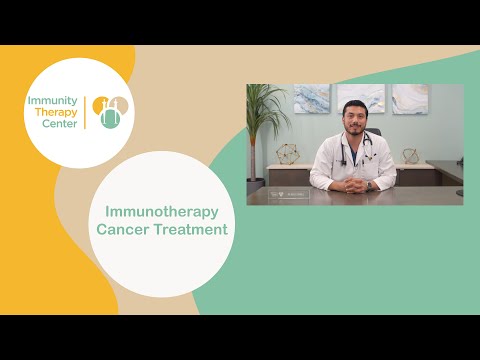
Immunity Therapy Center describes a personalized, multi-modal approach for people with different cancer types and stages. Its public materials mention immune-focused therapies, hyperthermia, intravenous support, oxygen-based treatments, nutrition, wellness services, and selected conventional care within individualized programs.
Public PlacidWay package information commonly shows a three-week outpatient program beginning around $18,995 and an inpatient program around $30,000. Optional cellular or interventional procedures may add several thousand dollars. Those figures should be treated as planning estimates because the final plan can change after record review, examination, laboratory testing, imaging, and clinical stabilization.
Useful for comparing a structured plan that combines multiple supportive and immune-focused modalities.
Public packages distinguish outpatient care from inpatient support with room, meals, and continuous nursing.
A large bundle can make it difficult to identify which component has evidence for your specific diagnosis.
Request the exact physician, facility, pharmacy, laboratory, emergency hospital, and regulatory details for every intervention.
Questions to Ask ITC Before Paying a Deposit
- Which treatments are intended to control the cancer, and which are intended only for symptoms or general wellness?
- Which elements are supported by human studies for my exact cancer type, stage, biomarkers, and treatment history?
- Who is the responsible oncologist, and can I verify that physician’s professional and specialty credentials?
- Are hyperthermia, oxygen-based treatments, IV products, or cellular procedures delivered under a written protocol with documented contraindications?
- Does the quote include medicines, blood products, imaging, specialist consultations, emergency transfer, and complications?
- Will the clinic communicate directly with my home oncologist and provide complete English-language records?
- What objective measures will determine whether treatment continues, changes, or stops?
Limphocare by Limphocite Immunotherapy for Cancer in Mexico
Limphocare by Limphocite describes a personalized cellular-immunotherapy model. Public clinic materials discuss peptide-based programs using information derived from circulating tumor cells, dendritic cells that present tumor-related peptides to immune cells, activated lymphocytes, natural killer cells, and other autologous products prepared from a patient’s own biological material.
This is a narrower and more laboratory-dependent approach than a general integrative package. It also requires more technical due diligence. The clinic’s public FAQ states that its immunotherapy is not presented as a cancer cure and says the treatment is classified as research by the authority. Patients should therefore request the exact regulatory category, protocol, consent form, manufacturing standards, quality-release criteria, adverse-event plan, and diagnosis-specific evidence.
| Limphocare Review Area | What to Request | Why It Matters |
|---|---|---|
| Cell source | Whether the product is autologous, how blood or tissue is collected, and whether another material is added. | Collection and product identity influence infection, contamination, compatibility, and traceability risks. |
| Laboratory process | Laboratory identity, authorization, clean-room controls, sterility testing, viability, potency, and release criteria. | Cellular products can vary substantially when manufacturing and quality controls are unclear. |
| Clinical protocol | Protocol number, treatment schedule, eligibility, endpoints, stop rules, and responsible investigator or physician. | Research-classified care should have transparent oversight and informed consent. |
| Evidence | Published human data for your diagnosis, stage, prior treatment, and product design. | Cancer vaccines and cellular therapies are highly specific; evidence from another product or cancer may not transfer. |
| Safety monitoring | Reaction monitoring, infection plan, laboratory schedule, hospitalization pathway, and long-term adverse-event reporting. | “Non-toxic” does not mean risk-free, especially in medically fragile or immunocompromised patients. |
Cost transparency: Limphocare’s public PlacidWay pages currently show inconsistent planning figures. One listing gives a $15,500–$28,000 range, while a package page shows $33,400 starting. Ask which program is current, what changed, and whether laboratory production, accommodation, repeat dosing, imaging, medicines, and follow-up are included.
How Much Do Alternative Cancer Treatments in Mexico Cost?
Alternative cancer treatment costs in Mexico vary because clinics bundle very different services under similar names. A three-week residential program, a personalized cell product, a supportive IV plan, and an approved oncology medicine are not comparable treatment episodes.
Always compare the same diagnosis, treatment goal, named therapies, number of sessions, laboratory process, hospital support, lodging, and follow-up period. The figures below summarize current public planning information, not guaranteed quotes.
| Cost Item | ITC Planning Figure | Limphocare Planning Figure | What to Confirm |
|---|---|---|---|
| Core program | About $18,995 for a commonly listed three-week outpatient program. | Public listing range of $15,500–$28,000; separate package page lists $33,400 starting. | Current version, exact dates, clinical review requirements, and refund terms. |
| Inpatient support | About $30,000 for a commonly listed three-week inpatient program. | Information varies by individualized plan. | Room, meals, nursing hours, physician coverage, and emergency capability. |
| Optional cellular procedures | Some public packages list optional procedures from roughly $2,600 to more than $7,000. | May be central to the package rather than optional. | Product name, manufacturing, dose, sessions, evidence, and adverse-event coverage. |
| Travel and lodging | May be partly included in inpatient care but not necessarily outpatient care. | Package-dependent. | Hotel, companion, airport transport, meals, extended stay, and border transport. |
| Complications | Often excluded or limited. | Often excluded or limited. | Ambulance, emergency department, ICU, blood products, infection treatment, and return travel. |
| Home follow-up | A scheduled follow-up may be included; local tests usually are not. | Depends on the protocol and repeat-treatment schedule. | Who orders labs, interprets scans, manages symptoms, and pays for repeat treatment. |
Hidden-cost warning: Ask whether pathology review, tumor biomarker testing, medications, central-line care, transfusions, specialist consultations, repeat imaging, hospital transfer, emergency treatment, companion lodging, and extended stays are excluded. A low package figure is not useful until exclusions are priced.
Who Considers Alternative Cancer Treatment in Tijuana?
Patients who inquire about Tijuana programs often come from the United States or Canada because the city is close to Southern California and can be reached without a long intercontinental flight. Common motivations include treatment cost, faster private scheduling, interest in approaches unavailable at home, fear of side effects, a desire for more personalized attention, or limited standard options.
Reliable current public data do not show the age, sex, diagnosis, state, treatment choice, or outcomes of people traveling specifically to Mexico for alternative cancer care. General medical-tourism statistics should not be presented as cancer-specific evidence. Clinics should provide their own transparent, audited case mix if they make demographic or outcome claims.
May seek additional opinions before choosing surgery, radiation, systemic therapy, or an investigational program.
May explore options after progression, but urgent symptoms and declining health can make travel unsafe.
May prefer “non-toxic” language, yet every biological intervention still needs risk and interaction review.
May compare package pricing, but medical complications and repeat travel can erase expected savings.
How to Verify Cancer Clinics and Doctors in Mexico
Start with the legal treatment site, not the brand name. Request the clinic’s registered legal name, physical address, applicable COFEPRIS authorization or operating documentation, responsible health officer, and the hospital used for emergencies or invasive procedures.
Then verify every doctor involved in diagnosis or treatment. Mexico’s SEP professional registry can confirm registered qualifications, while CONACEM provides a search for current specialist certification. A general medical license does not automatically prove oncology, hematology, radiology, critical-care, surgery, or laboratory expertise.
| Trust Signal | Evidence to Request | Red Flag |
|---|---|---|
| Facility identity | Legal entity, treatment address, authorization details, and responsible health officer. | Only a marketing name or refusal to identify where procedures occur. |
| Physician credentials | Full legal name, professional license, specialty credential, current certification, and role in your care. | Vague titles such as “immune specialist” without verifiable medical qualifications. |
| Laboratory authorization | Laboratory identity, scope, quality controls, sterility testing, traceability, and release documentation. | No clear answer about where personalized cells or products are manufactured. |
| Written treatment plan | Diagnosis, stage, goal, named interventions, schedule, evidence, alternatives, risks, and stop rules. | A universal package offered before pathology and records are reviewed. |
| Emergency readiness | 24/7 contact, stabilization capability, transfer agreement, ambulance pathway, ICU, and blood-bank access. | “Complications are rare” offered instead of a specific emergency plan. |
| Outcome transparency | Diagnosis-specific definitions, follow-up duration, denominator, independent verification, and adverse events. | Testimonials, scans, or isolated cases presented as a success rate. |
| Financial transparency | Itemized quote, exclusions, cancellation terms, refund rules, currency, and complication policy. | Pressure to pay quickly before clinical eligibility is established. |
Risks of Alternative Cancer Treatment and Medical Travel
The main risks are not limited to the therapy itself. Cancer can cause bleeding, blood clots, infection, dehydration, pain, organ dysfunction, and rapid decline. Travel can delay urgent treatment, interrupt monitoring, and separate you from clinicians who know your history.
Cellular therapies, immune stimulants, supplements, intravenous products, heat treatments, oxygen-based procedures, and invasive interventions can all have contraindications. The risk depends on your diagnosis, blood counts, organ function, medications, vascular access, immune status, and the clinic’s ability to recognize and manage complications.
| Risk | How It May Happen | Risk-Reduction Step | Urgent Warning Signs |
|---|---|---|---|
| Treatment delay | Time spent arranging travel or stopping standard therapy. | Keep your current oncologist involved and define a maximum decision window. | Rapidly worsening pain, weakness, breathing difficulty, bleeding, confusion, or obstruction symptoms. |
| Infection | Low blood counts, IV lines, cell processing, injections, or travel exposure. | Confirm sterile procedures, blood-count thresholds, and 24/7 fever instructions. | Fever, chills, confusion, low blood pressure, severe weakness, or redness around a line. |
| Immune reaction | Immune-modulating medicines or cellular products activate unintended inflammation. | Request known toxicities, observation time, rescue medicines, and hospital access. | Breathing difficulty, rash with swelling, chest pain, severe diarrhea, jaundice, or neurological changes. |
| Drug or supplement interaction | Herbs, antioxidants, anticoagulants, chemotherapy, or immune therapy interact. | Provide a complete medication and supplement list to both oncology teams. | Unexpected bleeding, severe vomiting, altered mental status, rash, or liver symptoms. |
| Travel complication | Blood clots, dehydration, pain crisis, or sudden deterioration during transit. | Obtain written fitness-to-travel clearance and carry records and emergency contacts. | One-sided leg swelling, chest pain, shortness of breath, coughing blood, or fainting. |
Do Not Travel Before Urgent Medical Assessment If You Have
- Fever, suspected infection, confusion, or uncontrolled pain
- New breathing difficulty, chest pain, coughing blood, or leg swelling
- Active bleeding, severe anemia, repeated vomiting, or dehydration
- Bowel obstruction symptoms, seizures, new weakness, or loss of consciousness
- Unstable organ function, dangerously low blood counts, or a time-sensitive treatment deadline
Planning Alternative Cancer Treatment in Mexico Step by Step
A safe plan begins with diagnosis and evidence, not flights or deposits. Use the sequence below to avoid comparing incomplete packages or arriving without a follow-up pathway.
| Timeframe | Clinical Process | What You May Experience | Activity Level | Action Required |
|---|---|---|---|---|
| Before comparison | Confirm pathology, stage, biomarkers, prior treatments, current medicines, and treatment goal. | Uncertainty and pressure to make a fast decision. | Continue medically necessary care. | Collect pathology, images, reports, laboratory results, and your oncologist’s questions. |
| Remote review | The clinic reviews records and proposes a preliminary plan and cost. | You may receive different explanations from different providers. | Normal activity as medically tolerated. | Request a written plan that names every intervention and its purpose. |
| Independent review | A qualified oncologist evaluates evidence, interactions, and the risk of delaying standard care. | Recommendations may conflict with clinic marketing. | Do not change treatment independently. | Ask the clinic and home oncologist to explain disagreements in writing. |
| Pre-travel | Fitness review, updated blood tests, medication plan, and emergency-risk assessment. | Travel anxiety or changes in symptoms. | Travel only with medical clearance. | Confirm caregiver, passport, lodging, transport, records, and emergency hospital. |
| Arrival in Tijuana | Examination, repeat testing, final eligibility, consent, and updated quote. | The plan may change after in-person assessment. | Follow the clinical team’s limits. | Do not proceed until changes, exclusions, and risks are explained. |
| During treatment | Therapy delivery, laboratory monitoring, symptom assessment, and response evaluation. | Fatigue, discomfort, anxiety, or treatment-specific effects. | Activity depends on your condition. | Report symptoms promptly and keep a daily treatment record. |
| Return home | Delayed toxicity monitoring, imaging, laboratory review, and next-treatment decision. | Symptoms may appear after leaving the clinic. | Return only after written clearance. | Transfer complete records and confirm who manages urgent problems. |
Which Mexico Cancer Clinic May Better Match Your Priorities?
The better match depends on what you are actually seeking. Choose the program that can explain its treatment purpose, evidence, regulatory status, risks, total cost, and coordination plan most clearly—not the clinic with the most therapies or strongest testimonial.
ITC May Be the Closer Comparison When
- You want a defined multi-week integrative program.
- You need to compare outpatient and inpatient support.
- You are interested in several supportive modalities.
- You want meals, monitoring, and residential structure discussed together.
- You can obtain a clear explanation of which components are therapeutic versus supportive.
Limphocare May Be the Closer Comparison When
- You are specifically researching personalized cellular immunotherapy.
- You want detailed laboratory and manufacturing information.
- You understand that the approach may be investigational.
- You can compare the protocol with clinical-trial or standard-treatment options.
- You receive a transparent current quote that resolves conflicting public price figures.
Decision threshold: Reconsider either clinic if it discourages standard oncology consultation, promises cure, cannot verify the treatment site or responsible doctor, refuses to disclose research status, relies on testimonials instead of evidence, or cannot provide an emergency and aftercare plan.
Frequently Asked Questions About Alternative Cancer Treatments in Mexico
What are the top alternative cancer treatment clinics in Mexico?
This comparison features ITC – Immunity Therapy Center and Limphocare by Limphocite in Tijuana. They were selected because the user requested them and both publish international-patient program information. “Top” does not prove superior outcomes, safety, or effectiveness.
How much does alternative cancer treatment in Mexico cost?
ITC public packages commonly begin around $18,995 for three-week outpatient care and about $30,000 for inpatient care. Limphocare pages show inconsistent planning figures ranging from $15,500–$28,000 to $33,400 starting. Obtain a current itemized quote.
Are alternative cancer treatments in Mexico proven?
Evidence varies by therapy and cancer type. Some supportive practices may help symptoms, while some heat or immune treatments have recognized uses in specific settings. Many clinic-specific cellular, detox, oxygen, or immune programs remain investigational or lack diagnosis-specific comparative evidence.
Is Limphocare immunotherapy the same as approved cancer immunotherapy?
Not automatically. Approved immunotherapy includes defined products such as checkpoint inhibitors and certain cellular therapies used for specific indications. Limphocare describes personalized peptide, dendritic-cell, lymphocyte, and natural-killer-cell approaches. Ask for each product’s regulatory and research status.
Does ITC provide conventional cancer treatment as well as alternative care?
ITC states that individualized programs may combine alternative and conventional treatments. Ask which conventional services are actually available for your diagnosis, who prescribes them, whether the products are authorized, and which hospital or oncology department manages serious toxicity.
Can hyperthermia treat cancer?
Hyperthermia is a recognized treatment category that heats tissue and may damage cancer cells or increase sensitivity to other treatment. Its usefulness depends on the cancer, technique, temperature, device, treatment site, and combination plan. Not every “heat therapy” protocol is equivalent.
Can dendritic-cell or peptide vaccines cure cancer?
Cancer treatment vaccines are an active research area, and one cellular vaccine has a defined approved use in advanced prostate cancer. Many personalized dendritic-cell and peptide vaccines remain investigational. No clinic should promise that such a vaccine will cure your cancer.
How do I verify a cancer doctor in Tijuana?
Request the doctor’s full legal name, professional license number, specialty credential, and current certification. Search Mexico’s SEP professional registry and CONACEM specialist database. Confirm experience with your exact cancer and the specific therapy, not only general alternative medicine.
Does COFEPRIS approval prove that a cancer treatment works?
No. Facility authorization, product authorization, clinical-trial oversight, and proof of effectiveness are different issues. Ask what exactly is authorized: the building, laboratory, medicine, device, manufacturing process, or research protocol. Verify the document and its current scope.
Will US insurance or Medicare cover alternative cancer treatment in Mexico?
Planned treatment abroad is commonly self-funded, and research or alternative services may be excluded. Coverage depends on your policy and prior authorization. Request a written decision from the insurer and compare covered care at home with the complete Mexico cost.
What records should I send to a Mexico cancer clinic?
Send pathology reports, biopsy information, imaging reports and files, operative notes, treatment names and doses, biomarker results, recent blood tests, allergies, medications, supplements, performance status, major medical conditions, and contact information for your home oncology team.
Should I stop chemotherapy while arranging alternative treatment in Mexico?
Do not stop, delay, or change chemotherapy, immunotherapy, radiation, surgery, hormone therapy, or targeted therapy without your treating oncologist’s guidance. A second opinion can often occur while medically necessary care continues. Delays can be dangerous for aggressive disease.
Compare Alternative Cancer Clinics in Mexico Carefully
PlacidWay can help you request information from ITC and Limphocare, compare current prices, identify package inclusions, and organize questions about credentials, evidence, safety, and aftercare. Provider comparison does not replace an independent oncology opinion.
Request Cancer Treatment InformationDisclaimer
Disclaimer: This information is for educational purposes only and does not replace professional medical advice. Always consult a qualified healthcare provider before making medical decisions.
References
- Complementary and Alternative Medicine – National Cancer Institute
- Immunotherapy to Treat Cancer – National Cancer Institute
- Cancer Treatment Vaccines – National Cancer Institute
- Hyperthermia to Treat Cancer – National Cancer Institute
- Medical Tourism – CDC Yellow Book
- Health Service Facility Authorizations – COFEPRIS, Government of Mexico
- Specialist Certification Search – CONACEM
.png)

















Share this listing