


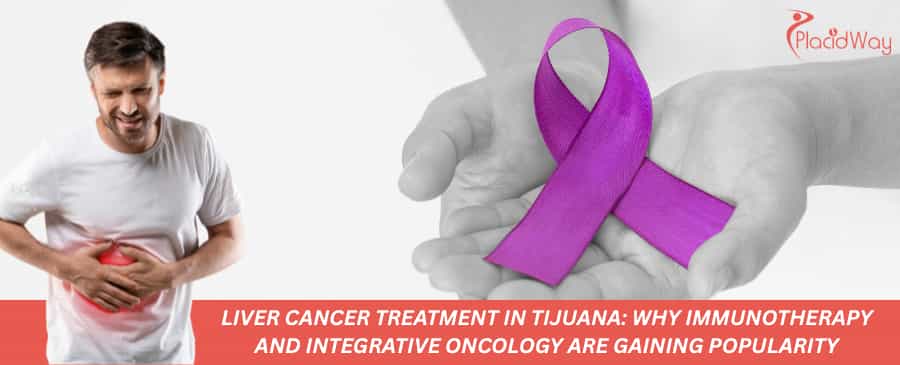
Over the past decade, the landscape of global oncology has shifted, making liver cancer treatment in Tijuana a highly sought-after option for international patients. Many medical tourists are looking beyond conventional methods, seeking holistic approaches that focus on the whole body rather than just the disease. The border city has become a hub for innovative care, blending modern medical technology with alternative medicine. Patients from the United States, Canada, and Europe are increasingly exploring these cross-border medical opportunities.
Integrative oncology clinics in Tijuana are leading this medical paradigm by offering therapies that are sometimes unavailable or restrictively expensive in their home countries. Facilities in this region typically combine standard protocols with advanced immunological support to enhance overall patient wellness. Most patients experience a highly personalized approach that aims to strengthen the immune system while targeting malignant cells. This comprehensive care model generally provides a more tolerable treatment journey with a focus on improving quality of life.
Tijuana welcomes over a million medical tourists annually, making it one of the most prominent healthcare destinations globally for advanced and alternative therapies.
Understanding Immunotherapy for Hepatocellular Carcinoma in Mexico
Immunotherapy for liver cancer in Mexico represents a significant advancement in managing hepatocellular carcinoma (HCC), the most common type of primary liver cancer. Unlike traditional chemotherapy, which attacks rapidly dividing cells indiscriminately, immunotherapy works by stimulating the patient's own immune system to recognize and destroy cancer cells. Clinics typically utilize checkpoint inhibitors, dendritic cell vaccines, and adoptive cell therapies tailored to the individual's unique pathology. This targeted strategy is designed to minimize damage to healthy tissues.
While undergoing advanced oncology care in Tijuana, international patients benefit from specialized oncologists who stay abreast of global immunological breakthroughs. These specialists generally evaluate each case meticulously to determine the most appropriate immunotherapeutic agents. It is important to note that responses to immunotherapy vary, and results are never guaranteed, but many patients report manageable side effects compared to conventional treatments. Medical teams continuously monitor immune responses to adjust protocols for optimal efficacy and safety.
Hepatocellular carcinoma (HCC) accounts for approximately 75% to 85% of all primary liver cancer cases worldwide, driving the urgent demand for innovative immunological therapies.
How Integrative Oncology Complements Traditional Liver Cancer Therapies
The philosophy behind alternative cancer treatments in Mexico is not necessarily to replace conventional medicine, but to enhance it through an integrative model. Integrative oncology combines standard treatments like localized radiation or surgery with complementary therapies designed to mitigate side effects and boost overall immunity. This synergy aims to create an environment within the body that is less conducive to tumor growth. Medical tourists often appreciate this comprehensive framework that addresses physical, emotional, and biochemical needs simultaneously.
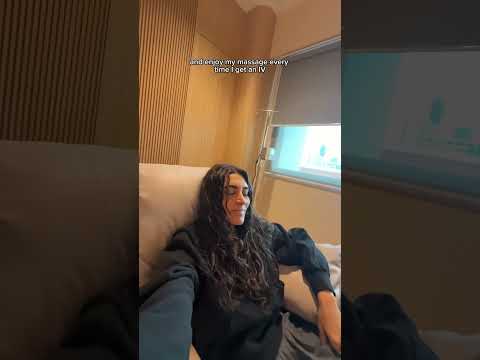
By integrating treatments such as high-dose Vitamin C IV therapy, hyperthermia, and specialized detoxification protocols, top cancer clinics in Tijuana strive to improve the patient’s resilience. These adjunctive therapies generally help patients maintain their strength and nutritional status during rigorous treatment cycles. Most patients experience a reduction in treatment-related fatigue and nausea, allowing them to maintain a better quality of life. The collaborative approach ensures that every aspect of a patient's health is carefully managed by a multidisciplinary team.
- Hyperthermia: Uses controlled heat to sensitize tumor cells to other treatments.
- Ozone Therapy: Aims to increase oxygen oxygenation in tissues, potentially inhibiting cancer cell metabolism.
- IV Nutrition: Delivers high concentrations of vitamins and minerals directly into the bloodstream.
- Mind-Body Medicine: Incorporates stress-reduction techniques like meditation to support psychological well-being.
Integrative oncology recognizes that emotional and mental health play a critical role in physical recovery, leading clinics to include psychological counseling in standard care packages.
Affordable Liver Cancer Treatment Cost in Tijuana Compared to the US
One of the primary driving factors for medical tourism is the affordable liver cancer treatment cost in Tijuana. Healthcare in the United States and Canada can be prohibitively expensive, especially when insurance coverage is limited for novel immunotherapies or integrative approaches. In Mexico, patients can generally access world-class medical care at a fraction of the price without compromising on safety or facility standards. This cost-effectiveness extends across consultations, diagnostic imaging, and comprehensive treatment protocols.
Exploring the cost of oncology procedures in Mexico reveals substantial savings that alleviate the financial toxicity often associated with chronic disease management. While prices vary depending on the specific stage of cancer and the customized treatment plan, international patients typically save between 40% to 70% compared to North American averages. It is crucial for patients to review these estimates carefully, understanding that complex regimens will dictate the final investment. Below is a comparative overview of common oncological expenses.
| Procedure Name | Average Cost in Tijuana (USD) | Average Cost in US/Canada (USD) |
|---|---|---|
| Initial Oncology Consultation & Diagnostics | $800 - $1,500 | $3,000 - $6,000 |
| Comprehensive Immunotherapy Protocol (Per Cycle) | $15,000 - $25,000 | $50,000 - $100,000+ |
| Integrative IV Vitamin/Metabolic Therapy (Weekly) | $500 - $1,200 | $2,000 - $4,500 |
| Hyperthermia Treatments (Per Session) | $300 - $600 | $1,500 - $3,000 |
Advanced Diagnostic Approaches for Liver Cancer in Tijuana Clinics
Accurate diagnosis is the cornerstone of effective disease management, and diagnostic imaging for liver cancer in Tijuana utilizes state-of-the-art technology. Modern oncology centers are equipped with high-resolution MRI, PET-CT scanners, and advanced ultrasound systems to precisely map tumor size and location. These imaging modalities generally allow oncologists to determine the extent of the disease and plan targeted therapeutic interventions. Thorough diagnostic workups are essential for tailoring a highly specific integrative protocol.
In addition to standard imaging, many medical tourism clinics in Mexico offer comprehensive molecular profiling and genomic testing. These specialized blood tests and biopsies help identify specific mutations and immune markers unique to the patient's tumor. Such precise data typically enables the medical team to select the most appropriate immunotherapy agents, maximizing the potential for a positive biological response. Patients receive a clear, evidence-based roadmap for their treatment journey.
Always request physical and digital copies of your diagnostic imaging and lab results before traveling to Mexico. Having this data readily available prevents redundant testing and accelerates the start of your treatment.
The Role of Targeted Therapies in Tijuana Medical Tourism Facilities
Alongside immunological treatments, targeted therapies for hepatocellular carcinoma in Tijuana play a crucial role in modern oncological care. These therapies involve drugs or other substances designed to identify and attack specific cancer cells while doing minimal damage to normal cells. By focusing on specific genetic changes or proteins that tumors need to grow, targeted drugs generally block the signals that cause cancer cells to multiply. This level of precision medicine is a key component of the integrative models offered across the border.
When integrating these therapies into a broader cancer care program in Mexico, oncologists meticulously monitor liver function and systemic health. Since the liver is the body's primary filtration organ, preserving its remaining functional capacity is absolutely critical during intervention. Most patients experience highly supervised administration of these medications, often paired with liver-supporting supplements. However, thorough medical evaluation is required, as not all tumor profiles respond to targeted agents.
Strict contraindications apply to targeted therapies and immunotherapy. Patients with severe autoimmune diseases or late-stage liver failure may not be viable candidates. Results are never guaranteed, and potential adverse reactions require immediate, supervised medical attention.
Nutritional and Metabolic Support for Liver Cancer Patients in Mexico
Nutritional intervention is a vital pillar of holistic liver cancer care in Tijuana, aimed at addressing the metabolic imbalances often caused by the disease. Cancer cells typically rely on specific metabolic pathways to thrive, particularly glucose fermentation. Oncology dietitians and holistic practitioners in Mexico design specialized metabolic diets, such as ketogenic or plant-based anti-inflammatory protocols, to alter this environment. These customized nutritional plans generally help starve malignant cells while nourishing healthy tissues.
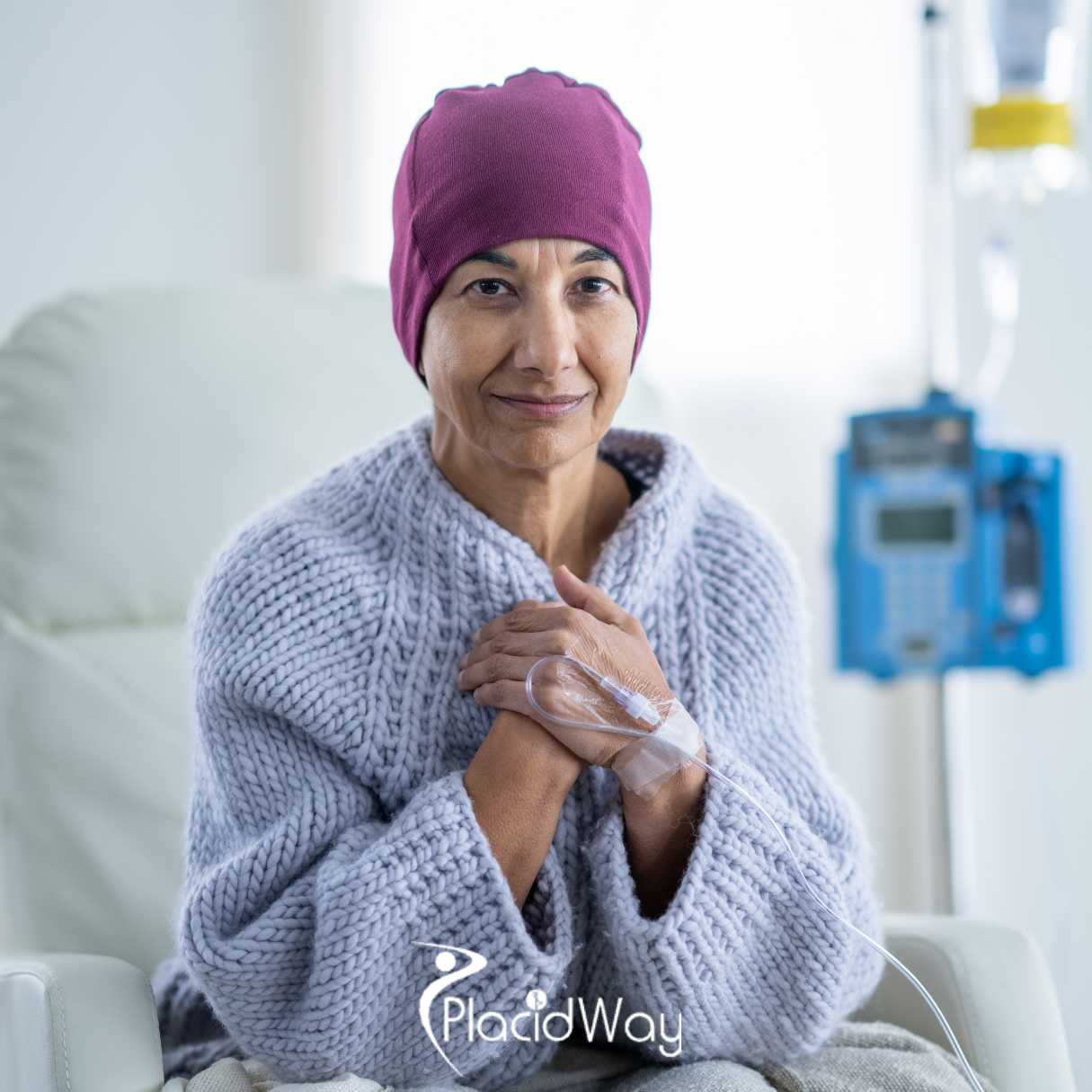
Beyond basic diet planning, integrative oncology nutrition in Mexico often includes targeted intravenous supplementation. Patients may receive infusions of essential amino acids, minerals, and antioxidants to bypass compromised digestive systems and deliver nutrients directly to the bloodstream. This supportive care is designed to enhance immune function, aid in cellular repair, and improve energy levels throughout the treatment process. Most patients find that this proactive nutritional support significantly improves their daily vitality.
High-dose Intravenous (IV) Vitamin C is widely utilized in integrative oncology because, at high blood concentrations, it acts as a pro-oxidant that can be toxic to cancer cells while remaining harmless to normal cells.
Safety and Medical Standards at Oncology Clinics in Tijuana
Ensuring patient safety is paramount, and the best oncology clinics in Tijuana strictly adhere to international healthcare standards. Many of these specialized facilities are accredited by recognized global health organizations and follow stringent sterilization and clinical protocols. Medical tourists can typically expect state-of-the-art infrastructure that rivals hospitals in the United States and Europe. The commitment to maintaining a sterile, safe, and supportive environment is evident in every aspect of patient care.
Furthermore, the medical tourism industry in Mexico is heavily regulated, with specialized oncologists holding board certifications both domestically and internationally. Physicians frequently participate in global medical conferences to bring the latest peer-reviewed research back to their practices. Patients are generally cared for by a multidisciplinary board of doctors, nurses, and support staff dedicated to ethical and transparent medical practices. Comprehensive risk disclosures and informed consent are standard procedures prior to any treatment.
- Strict adherence to international hygiene and sterilization protocols.
- Board-certified oncology specialists and immunologists.
- Transparent risk disclosures and informed consent procedures.
- Multidisciplinary tumor boards for collaborative case reviews.
Preparing for Your Medical Travel to Tijuana for Oncology Care
Planning for medical travel to Tijuana for cancer treatment requires careful organization and coordination with your healthcare providers. The journey begins with a thorough pre-consultation, often conducted virtually, where oncologists review your local medical records, imaging, and biopsy reports. Patients should generally prepare a comprehensive portfolio of their health history to ensure the Mexican medical team has a complete understanding of their condition. This proactive approach helps in formulating an accurate preliminary treatment strategy.
When organizing your trip for affordable healthcare in Mexico, logistical preparation is just as important as medical readiness. Tijuana is conveniently located just across the border from San Diego, California, making it highly accessible via the San Ysidro port of entry or the Cross Border Xpress (CBX). Patients should ensure their passports are valid and understand the visa requirements based on their country of origin. Proper planning typically reduces stress, allowing patients to focus entirely on their healing process.
If flying into San Diego (SAN), utilize the Cross Border Xpress (CBX) bridge. It allows ticketed airline passengers to cross the US-Mexico border directly from the Tijuana airport, bypassing typical border traffic delays.
Understanding Recovery and Follow-Up Care After Immunotherapy
The recovery process following immunotherapy for liver cancer in Tijuana is highly individualized and requires ongoing medical supervision. Because integrative treatments often focus on long-term immune system activation, patients may continue to experience biological changes even after returning home. Clinics generally provide detailed discharge plans that include dietary guidelines, oral supplement protocols, and instructions for managing potential delayed side effects. Most patients experience a gradual restoration of energy as their body adapts to the therapeutic interventions.
Consistent follow-up care is essential for evaluating the success of the integrative oncology programs in Mexico. Reputable clinics typically arrange telemedicine consultations to monitor the patient's progress, review new local blood work, and adjust at-home care regimens. Collaboration with the patient’s local primary care physician or oncologist is highly encouraged to ensure continuity of care. This bridge between cross-border medical teams generally fosters a safer and more cohesive long-term health strategy.
Post-treatment telemedicine has advanced significantly, allowing international oncologists to closely monitor liver enzyme levels and immune markers remotely, ensuring continuous medical oversight.
Inspiring Patient Success Stories for Tijuana Liver Cancer Programs
Hearing about the experiences of others who have sought alternative liver cancer treatments in Tijuana can provide valuable insight for prospective patients. While medical outcomes vary significantly and results are never guaranteed, many individuals have found renewed hope and improved quality of life through these programs. Patient experiences often highlight the compassionate care, personalized attention, and innovative therapies they received while in Mexico. These accounts serve as a testament to the patient-centric approach adopted by these specialized facilities.
The following narratives represent summaries of international patients who traveled for comprehensive oncology care in Mexico. They generally describe the integration of advanced immunology with holistic support systems. Most patients emphasize the importance of feeling heard and actively participating in their medical decisions. Please note that these are individual experiences, and every patient's medical journey is unique to their specific biological landscape.
Michael’s Journey to Stability
Michael traveled from Canada seeking an alternative after struggling with conventional chemotherapy side effects. By engaging in an integrative program that utilized localized hyperthermia and immune modulators, he reported a significant decrease in fatigue and stabilized liver enzyme markers. He typically credits the nutritional support for his improved vitality.
Sarah’s Experience with Immunotherapy
Diagnosed with early-stage HCC, Sarah chose Tijuana for its accessibility to advanced dendritic cell vaccines. While results are highly individual, her clinical team reported a positive immune response during her follow-up scans. She generally highlights the empathetic care provided by the bilingual nursing staff.
David’s Integrative Care Success
Facing limited options in the US, David opted for a comprehensive approach in Mexico. Combining targeted therapy with metabolic dietary interventions, his personalized protocol generally aimed at halting tumor progression. David experienced an enhanced quality of life, allowing him to return to light daily activities.
Elena’s Path to Wellness
Elena sought supportive care to complement her local treatments. By incorporating high-dose IV Vitamin C and ozone therapy in Tijuana, she reported managing her nausea effectively. She frequently praises the clinical environment, noting it felt more like a healing sanctuary than a hospital.
Why International Patients Choose Medical Tourism in Tijuana
The decision to pursue medical tourism in Tijuana for oncology is driven by a combination of accessibility, innovation, and compassionate care. Tijuana has established itself as a premier destination for integrative medicine, offering therapies that seamlessly blend conventional science with holistic healing traditions. International patients are typically drawn to the region's ability to provide cutting-edge immunotherapy and targeted treatments at highly competitive prices. The geographical proximity to the United States makes it an incredibly convenient option for North American patients.
Beyond the medical advantages, patients seeking expert liver cancer care in Mexico often praise the warm, empathetic culture of the healthcare providers. The clinical environment is generally designed to be less institutional and more healing-oriented, reducing the psychological stress associated with severe illness. This holistic environment, combined with strict safety standards and personalized attention, creates a compelling proposition for those exploring global healthcare alternatives. Tijuana continues to lead as a beacon for comprehensive, integrative healing.
Recent data shows that cross-border medical travel to Mexico continues to grow by over 10% annually, largely driven by the demand for specialized, affordable oncology and integrative healthcare services.
How PlacidWay Assists Your Liver Cancer Medical Tourism Journey in Tijuana
Navigating international healthcare options can be overwhelming, which is why utilizing a trusted medical tourism facilitator is crucial. PlacidWay medical tourism specializes in connecting patients with accredited, high-quality healthcare facilities worldwide, streamlining the complex process of seeking care abroad. By partnering with globally recognized clinics, PlacidWay generally ensures that patients have access to transparent information and specialized oncology programs. The goal is to empower patients to make informed, confident healthcare decisions.
When planning your liver cancer treatment journey in Mexico, PlacidWay provides dedicated support to ease the administrative burdens of medical travel. Their team acts as a bridge between the patient and the international medical facility, facilitating smooth communication and preliminary consultations. By focusing on value-based assistance, they help individuals navigate their options with clarity and professionalism. Here is how PlacidWay supports your medical journey:
- Connecting patients with globally accredited and specialized oncology centers.
- Facilitating the transfer of medical records and diagnostic imaging securely.
- Assisting in scheduling preliminary virtual consultations with board-certified oncologists.
- Providing transparent, detailed cost estimates for requested medical protocols.
- Offering continuous patient support throughout the decision-making and pre-treatment process.
Frequently Asked Questions About Liver Cancer Treatment in Tijuana
When considering cross-border healthcare in Mexico for serious conditions, patients naturally have numerous questions regarding safety, logistics, and medical protocols. Gathering accurate information is a vital step in preparing for international medical travel and ensuring a smooth experience. We have compiled a list of common inquiries from medical tourists to help clarify the process and expectations. Reviewing these details generally helps alleviate anxiety and builds confidence in the planned medical pathway.
Below are the most frequently asked questions regarding liver cancer immunotherapy in Tijuana. These answers provide concise insights into cost, treatment duration, visa requirements, and post-treatment care. If you have specific medical concerns, it is always recommended to discuss them directly with a certified oncology specialist during your consultation.
Is immunotherapy safe for liver cancer patients?
Immunotherapy is generally considered a safe and targeted treatment for many liver cancer patients, designed to utilize the body's immune system. However, safety depends on individual biological factors, and all patients typically undergo rigorous screening to determine eligibility. Results vary and close medical monitoring is always required.
How much does liver cancer treatment in Tijuana cost?
The cost varies widely based on the specific integrative protocol, but international patients typically save between 40% to 70% compared to US prices. Comprehensive immunotherapy programs in Tijuana generally range from $15,000 to $35,000 depending on the complexity of the care.
Do I need a visa to travel to Tijuana for medical care?
Citizens of the United States and Canada generally do not need a visa for medical visits lasting less than 180 days; a valid passport is sufficient. Patients from other countries should consult the Mexican consulate to determine their specific entry requirements.
What is integrative oncology?
Integrative oncology is a comprehensive approach that combines conventional cancer treatments with evidence-based complementary therapies. This method typically focuses on supporting the patient's immune system, improving nutritional status, and managing side effects for a better quality of life.
How long do I need to stay in Tijuana for treatment?
Treatment durations are highly personalized, but most patients experience initial intensive therapy phases lasting between 2 to 4 weeks. After this period, patients generally transition to at-home care with telemedicine follow-ups and prescribed oral protocols.
Are oncology clinics in Tijuana accredited?
Yes, many specialized oncology clinics in Tijuana hold international healthcare accreditations and adhere to rigorous global safety standards. Medical tourists should carefully review the credentials and board certifications of the specific facilities they are considering.
Can I continue my treatment with my local oncologist?
Absolutely. Integrative clinics in Mexico typically encourage a collaborative approach and will provide comprehensive medical records for your local doctors. This ensures continuity of care and safe monitoring of your progress once you return home.
What dietary changes are required during treatment?
Dietary interventions are a core component of integrative care, often involving anti-inflammatory, low-glycemic, or ketogenic protocols to optimize metabolic health. Nutritionists generally create highly customized meal plans to support immune function and starve malignant cells.
What happens if I experience a medical emergency while in Mexico?
Top medical tourism facilities are equipped to handle urgencies and often have partnerships with major traditional hospitals in Tijuana for acute emergencies. Furthermore, the close proximity to San Diego allows for rapid cross-border transfers if advanced US-based emergency care is preferred.
Are there language barriers at Tijuana medical clinics?
Major medical tourism clinics in Tijuana generally employ fully bilingual medical and support staff to cater to international patients. Communication is typically seamless, ensuring that patients clearly understand their diagnosis, treatment plans, and discharge instructions.
Ready to explore advanced integrative oncology and immunotherapy options? PlacidWay is here to guide you toward top-tier medical facilities in Tijuana.
References
- National Cancer Institute. (n.d.). Immunotherapy to Treat Cancer. Retrieved from https://www.cancer.gov/about-cancer/treatment/types/immunotherapy
- Mayo Clinic. (n.d.). Hepatocellular carcinoma - Diagnosis and treatment. Retrieved from https://www.mayoclinic.org/diseases-conditions/hepatocellular-carcinoma/diagnosis-treatment/drc-20588954
- American Cancer Society. (n.d.). Targeted Therapy for Liver Cancer. Retrieved from https://www.cancer.org/cancer/liver-cancer/treating/targeted-therapy.html
- National Center for Biotechnology Information (NCBI). (n.d.).https://pmc.ncbi.nlm.nih.gov/articles/PMC10299099/ https://www.ncbi.nlm.nih.gov/pmc/articles/PMC5568406/
- Centers for Disease Control and Prevention (CDC). (n.d.). Medical Tourism: Travel for Medical Care. Retrieved from https://wwwnc.cdc.gov/travel/page/medical-tourism




.png)














Share this listing