
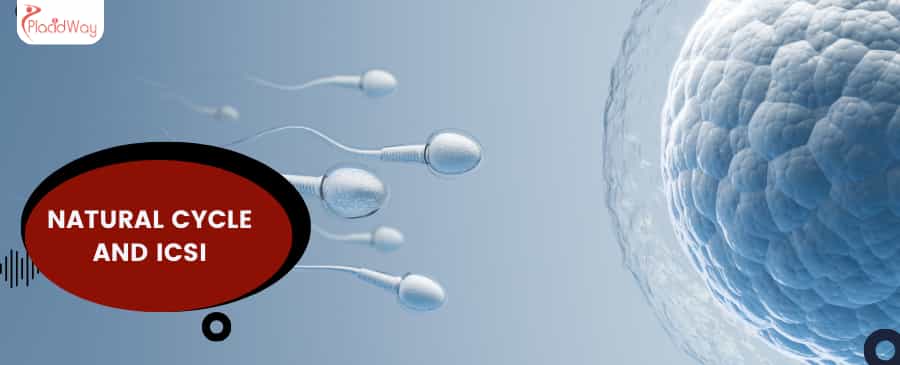
Embrace a Gentle Path to Parenthood: Natural Cycle ICSI for Your Fertility Journey
Navigating the path to parenthood can be filled with hope, anticipation, and sometimes, challenges. For many couples facing infertility, In Vitro Fertilization (IVF) offers a powerful solution. However, the traditional IVF approach, with its high-dose hormone injections, isn't always the preferred or most suitable option for everyone. This is where Natural Cycle ICSI emerges as a compassionate and increasingly popular alternative, particularly for those exploring medical tourism.
Natural Cycle ICSI (Intracytoplasmic Sperm Injection) represents a significant evolution in fertility treatment. Unlike conventional IVF, which aims to produce multiple eggs through aggressive ovarian stimulation, Natural Cycle ICSI focuses on retrieving the single, high-quality egg your body naturally selects each month. This egg is then fertilized in the lab using the ICSI technique, where a single sperm is injected directly into the egg, addressing male factor infertility or previous fertilization failures.
This gentle approach minimizes medication, reduces the risk of side effects like Ovarian Hyperstimulation Syndrome (OHSS), and often appeals to women with a low ovarian reserve, those sensitive to hormonal drugs, or individuals seeking a more natural intervention. For couples considering their options, understanding the nuances of Natural Cycle ICSI can open doors to a less stressful, yet equally hopeful, fertility journey, often at a more accessible cost when exploring treatment abroad.
Are you wondering if Natural Cycle ICSI is right for you? Do you want to avoid the intensity of conventional IVF? This comprehensive guide will delve into every aspect of Natural Cycle ICSI, from its scientific underpinnings and procedural steps to eligibility, recovery, costs, and why so many patients are choosing to pursue this promising treatment in leading international fertility clinics.
What is Natural Cycle ICSI? Understanding the Gentle Approach to Fertility
Natural Cycle ICSI combines two key fertility techniques: the "natural cycle" approach to egg retrieval and Intracytoplasmic Sperm Injection (ICSI). In a traditional IVF cycle, patients receive a series of hormone injections to stimulate the ovaries to produce multiple eggs. While this maximizes the number of embryos available, it also comes with increased medication burden and potential side effects.
The "Natural Cycle" part means that instead of stimulating the ovaries with high doses of hormones, doctors monitor your body's natural menstrual cycle to identify the single dominant follicle that develops each month. Once this follicle is mature, a single egg is retrieved. This approach significantly reduces or eliminates the need for daily injections, making it a much 'gentler IVF' or 'minimal stimulation IVF' option.
The "ICSI" part refers to the fertilization method used. After the egg is retrieved, it is taken to the lab, and a single, healthy sperm is meticulously injected directly into the egg. This technique is particularly beneficial for cases of severe male factor infertility (like low sperm count, poor motility, or abnormal morphology), or if there have been previous failures with conventional IVF fertilization. By combining these methods, Natural Cycle ICSI offers a tailored solution that respects the body's natural rhythms while overcoming specific fertilization challenges.
Who is a Candidate for Natural Cycle ICSI? Eligibility for This Fertility Path
Natural Cycle ICSI isn't for everyone, but it's an excellent option for specific groups of patients. Understanding "when to choose Natural Cycle ICSI" can help you determine if this path aligns with your needs:
- Women with Low Ovarian Reserve: For those diagnosed with low Anti-Müllerian Hormone (AMH) levels or high FSH, who typically produce few eggs even with high-dose stimulation, Natural Cycle ICSI can be just as effective as conventional IVF but with fewer side effects. It embraces the idea that 'quality over quantity' can lead to success.
- Poor Responders to Conventional IVF: If you've undergone traditional IVF cycles and responded poorly to stimulation medications, producing very few eggs, Natural Cycle ICSI might be a more suitable and less disheartening approach.
- Aversion to Hormonal Medications: Many women are uncomfortable with the idea of injecting large doses of hormones due to potential side effects or personal philosophies. Natural Cycle ICSI significantly reduces or eliminates this need.
- Risk of Ovarian Hyperstimulation Syndrome (OHSS): Patients prone to OHSS can greatly benefit from Natural Cycle ICSI, as the minimal stimulation drastically lowers this risk.
- Older Women: While success rates can be lower overall for older women, "Natural Cycle ICSI for older women" can still be a viable option, especially if quality is prioritized over quantity.
- Unexplained Infertility: Sometimes, even without a clear diagnosis, Natural Cycle ICSI can be a less invasive first step.
- Specific Male Factor Infertility: If ICSI is specifically required due to sperm issues, but the female partner prefers a gentler approach to egg retrieval.
Symptoms and Causes of Infertility Leading to ICSI Considerations
Infertility is medically defined as the inability to conceive after 12 months of regular, unprotected intercourse (or 6 months for women over 35). While Natural Cycle ICSI is a treatment, not for "symptoms of a condition," it's crucial to understand the underlying infertility issues it helps overcome:
Symptoms of Infertility:
- Failure to conceive: The primary "symptom" is the inability to get pregnant after the defined period.
- Irregular or absent menstrual cycles: For women, this can indicate ovulatory disorders.
- Painful or heavy periods: May signal conditions like endometriosis.
- Recurrent miscarriages: Can point to underlying fertility issues.
Causes of Infertility Addressed by ICSI and Natural Cycle:
ICSI specifically targets challenges with fertilization, most commonly due to male factor infertility. These causes include:
- Low Sperm Count (Oligospermia): Insufficient number of sperm to naturally fertilize an egg.
- Poor Sperm Motility (Asthenozoospermia): Sperm struggle to swim effectively to reach and penetrate the egg.
- Abnormal Sperm Morphology (Teratospermia): Sperm have unusual shapes, making natural fertilization difficult.
- Sperm Retrieval Issues: When sperm must be surgically extracted due to blockages or other issues.
- Previous Fertilization Failure: When conventional IVF failed to achieve fertilization.
The "Natural Cycle" aspect of the treatment, focusing on minimal stimulation, is often chosen due to female factors or preferences such as:
- Poor Ovarian Response: When ovaries do not produce many follicles despite stimulation.
- Advanced Maternal Age: Egg quality may be prioritized over quantity.
- Risk of OHSS: A history or predisposition to Ovarian Hyperstimulation Syndrome.
- Patient Preference: A strong desire to avoid medication side effects or a more holistic approach to "fertility treatment without hormones."
Understanding these "why ICSI is needed" and "why choose natural cycle IVF" reasons is the first step in determining the most appropriate and effective fertility treatment strategy.
The Natural Cycle ICSI Procedure: Step-by-Step Explanation
The "Natural Cycle ICSI process" is meticulously timed to coincide with your body's natural rhythm, making it feel less medicalized compared to conventional IVF. Here’s a breakdown of the typical steps:
- Initial Consultation & Baseline Assessment: Your fertility specialist will review your medical history, conduct initial tests (blood work, ultrasound) to confirm your suitability for Natural Cycle ICSI, and explain the treatment plan.
- Cycle Monitoring: This is the core of the natural cycle approach. Starting early in your menstrual cycle (around day 8-10), you'll undergo regular blood tests (to check hormone levels like estrogen and LH) and ultrasound scans (to monitor follicle growth). The goal is to track the development of your single dominant follicle and predict ovulation precisely.
- Trigger Shot (Optional/Minimal): Once the dominant follicle reaches the optimal size (typically 18-20mm) and your hormone levels indicate readiness, a mild "trigger shot" (like hCG) might be administered to induce final egg maturation, just as it would naturally occur. This is done to ensure the egg is retrieved before ovulation.
- Egg Retrieval (Oocyte Pick-Up): Approximately 34-36 hours after the trigger shot, the "egg retrieval without stimulation" takes place. This is a minor surgical procedure performed under light sedation. A thin, ultrasound-guided needle gently aspirates the fluid from the mature follicle, collecting the egg. Because only one or a few follicles are targeted, this procedure is generally quicker and less uncomfortable than conventional retrieval.
- Sperm Preparation & ICSI: On the same day as egg retrieval, a sperm sample is collected from your partner (or donor). In the lab, embryologists select a single, healthy sperm and inject it directly into the retrieved egg using the ICSI technique. This bypasses any issues with natural fertilization.
- Embryo Culture: The fertilized egg (now an embryo) is cultured in the lab for 2-5 days, monitored for healthy development.
- Embryo Transfer: If a healthy embryo develops, it is transferred back into your uterus. This is a simple, usually painless procedure, similar to a pap smear, where a thin catheter is used to place the embryo. Often, a "single embryo transfer" is performed, aligning with the natural ethos of the cycle.
- Luteal Phase Support: You may be prescribed progesterone supplements to support the uterine lining and enhance the chances of implantation.
- Pregnancy Test: Approximately 10-14 days after embryo transfer, a blood test will confirm if pregnancy has occurred.
Throughout this process, clinics emphasize a personalized and less stressful experience, often leading patients to feel more in tune with their bodies.
Recovery Time and Expectations After Natural Cycle ICSI
One of the significant advantages of Natural Cycle ICSI is the gentler recovery phase, especially when compared to conventional IVF. Since there's minimal to no ovarian stimulation and typically only one egg is retrieved, the body experiences less trauma and stress.
What to Expect Post-Egg Retrieval:
- Mild Discomfort: You might experience some light cramping, spotting, or a feeling of fullness in your lower abdomen for a day or two after the "post egg retrieval care." This is generally less severe than with traditional IVF.
- Rest: It's recommended to rest on the day of the retrieval and avoid strenuous activities for 24-48 hours. Most patients can return to light activities the next day.
- No OHSS Risk: A major benefit is the virtually non-existent risk of Ovarian Hyperstimulation Syndrome (OHSS), which can be a serious complication of conventional IVF.
What to Expect After Embryo Transfer:
- Minimal Symptoms: The "what to do after embryo transfer" advice typically includes avoiding heavy lifting and strenuous exercise, but otherwise, you can resume most normal daily activities. Some women might experience light spotting or mild cramping, which is generally normal.
- Emotional Well-being: The "two-week wait" before the pregnancy test can be emotionally challenging. Clinics often provide support and guidance during this period.
Overall, "Natural Cycle ICSI recovery" is characterized by fewer physical restrictions and a quicker return to your regular routine. This makes it an appealing option for those who want to minimize disruption to their lives, including medical tourists who may need to travel back home shortly after the procedure.
Risks, Side Effects, and Potential Challenges of Natural Cycle ICSI
While Natural Cycle ICSI offers many benefits, it's important to be aware of its potential "Natural Cycle ICSI risks" and challenges:
- Cycle Cancellation: This is the most common challenge. Because the treatment relies on natural ovulation, there's a risk that the dominant follicle may ovulate before retrieval (pre-ovulatory luteinization), or no egg might be retrieved even if the follicle is present. This can lead to a "failed natural cycle ICSI" for that specific month.
- Fewer Eggs/Embryos: With only one egg retrieved, there's less flexibility. If the egg quality isn't good, or fertilization fails, there's no backup. This can lead to lower cumulative success rates over multiple cycles compared to conventional IVF, which yields more eggs.
- Emotional Toll: The potential for cycle cancellation or failure can be emotionally draining, especially given the monitoring and anticipation involved.
- No OHSS but other mild side effects: While serious OHSS is avoided, mild side effects from the egg retrieval procedure itself (cramping, spotting) are still possible.
- Not Suitable for All: It's not the best option for everyone, especially those who *can* produce many eggs and wish to maximize their chances per cycle or consider genetic testing of multiple embryos.
Understanding these "downsides of Natural Cycle IVF" is crucial for making an informed decision and setting realistic expectations. Many patients find the benefits outweigh these challenges, especially when prioritizing a more natural and less invasive approach.
Comparing Natural Cycle ICSI: Worldwide Cost and Value
One of the primary drivers for patients seeking Natural Cycle ICSI abroad is the significant cost difference. Fertility treatments can be prohibitively expensive in Western countries, making "affordable ICSI" a key search for many. Here's a general comparison:
Natural Cycle ICSI Cost Comparison (Approximate per Cycle, USD)
| Country | Estimated Cost Range (USD) | Notes |
|---|---|---|
| United States | $8,000 - $15,000+ | High costs, may not include medication or additional tests. |
| United Kingdom | $6,000 - $10,000+ | Variable, some clinics are more expensive. |
| Spain | $4,000 - $7,000 | Popular European destination, strong regulations, high success rates. |
| Czech Republic | $3,000 - $5,000 | Very cost-effective in Central Europe, excellent quality. |
| Turkey | $3,500 - $6,000 | Growing medical tourism hub, competitive "ICSI treatment prices." |
| Mexico | $3,000 - $5,500 | Accessible for North Americans, good quality, "ICSI in Mexico cost" is appealing. |
| India | $2,500 - $4,500 | Very low costs, but research and vetting are crucial. |
Note: These are estimated costs and can vary based on the clinic, specific services included, and individual patient needs. Medications, initial consultations, and additional procedures (e.g., sperm freezing) may be extra.
The value proposition abroad extends beyond just lower prices. Many international clinics offer state-of-the-art technology, experienced specialists, and a patient-centered approach that can make the journey feel more supported and less clinical.
Why Consider Natural Cycle ICSI Abroad? Benefits for Medical Tourists
The concept of "medical tourism for Natural Cycle ICSI" has gained immense popularity, and for good reason. Here are the compelling "benefits of fertility treatment abroad":
- Significant Cost Savings: As seen in the cost comparison, the most prominent advantage is the potential to save 50-70% or more compared to treatment in your home country. This can make treatment accessible to those for whom it would otherwise be financially out of reach.
- Access to Advanced Expertise and Technology: Many "international fertility clinics" in medical tourism hubs boast world-class facilities, cutting-edge laboratories, and highly experienced fertility specialists who are pioneers in gentle IVF techniques.
- Shorter Waiting Times: In some countries, lengthy waiting lists for fertility treatments can delay the journey. Traveling abroad often means quicker access to appointments and procedures, a crucial factor when time is of the essence.
- Privacy and Discretion: For some, undergoing fertility treatment far from home offers a level of privacy they wouldn't find locally. It allows them to manage their personal medical journey with discretion.
- Opportunity for a Relaxing Getaway: Combining treatment with a vacation can reduce stress, which is highly beneficial for fertility. Patients often find the change of scenery and relaxed atmosphere conducive to their emotional well-being.
- Legal and Ethical Considerations: Some countries have more favorable laws regarding fertility treatments (e.g., age limits, embryo disposition), offering more options than in one's home country.
Ultimately, choosing to pursue Natural Cycle ICSI abroad is about finding the best value, care, and support for your personal fertility journey.
Which Countries Offer the Best Value and Quality for Natural Cycle ICSI?
When searching for "best countries for Natural Cycle ICSI," several destinations consistently stand out for their combination of quality, affordability, and patient-centric care:
- Spain: Renowned for its advanced reproductive medicine, liberal fertility laws, and high success rates. Spanish clinics are highly regulated and offer comprehensive services with competitive pricing, making it a top European choice.
- Czech Republic: A leader in "affordable fertility clinics Europe," the Czech Republic provides excellent quality care at a fraction of the cost found in Western Europe or the US. Clinics are modern, and doctors are highly skilled.
- Turkey: Emerging as a significant medical tourism hub, Turkey offers state-of-the-art facilities and experienced specialists, particularly in Istanbul and Ankara, with very competitive pricing.
- Mexico: Particularly attractive for North American patients due to proximity and significant cost savings. Mexican clinics often provide personalized care and high-quality services, especially in border cities and tourist destinations.
- Greece: With modern clinics and experienced professionals, Greece is becoming another popular destination in Europe for fertility treatments, including Natural Cycle ICSI, offering good value.
- India: Offers some of the lowest costs globally. While quality varies, highly reputable clinics in major cities provide excellent care, but thorough vetting is essential.
When selecting a country, consider not just the cost but also the clinic's reputation, doctor's experience, language support, and overall travel logistics.
What to Expect When Traveling for Natural Cycle ICSI Abroad? A Patient's Guide
Embarking on "traveling for IVF treatment" requires careful planning. Here’s a general guide for what to expect during your "medical travel fertility" journey:
- Initial Remote Consultation: Most clinics offer virtual consultations to discuss your case, assess suitability, and outline a preliminary treatment plan. This is where you clarify all aspects of your "planning fertility treatment abroad."
- Pre-Travel Testing: You'll likely undergo initial diagnostic tests in your home country, sending results to the overseas clinic to ensure everything is ready for your arrival.
- Travel Logistics: Arrange flights, accommodation, and local transportation. Many clinics offer assistance with these aspects, or work with medical tourism facilitators.
- Duration of Stay: For Natural Cycle ICSI, you'll typically need to be in the destination country for approximately 10-14 days, starting from around day 8-10 of your cycle for monitoring, through egg retrieval, and embryo transfer.
- Clinic Visits: You'll have multiple visits to the clinic for blood tests and ultrasound scans during the monitoring phase.
- Language and Communication: Most reputable international clinics have English-speaking staff or provide translators to ensure clear communication.
- Follow-up Care: Discuss post-treatment care and monitoring with your home country doctor before you travel. Your overseas clinic will provide detailed instructions and reports.
- Support Services: Many clinics offer additional services like airport transfers, accommodation advice, and patient coordinators to assist you throughout your stay.
Being well-prepared and maintaining open communication with your chosen clinic will make the experience smoother and less stressful.
Ensuring Safety and Quality for Your Natural Cycle ICSI Abroad
Choosing an overseas clinic requires due diligence. To ensure you're getting "safe fertility clinics abroad" and high-quality care, consider the following:
- Accreditation and Regulation: Check if the clinic is accredited by national or international bodies (e.g., JCI, ISO) and if it adheres to local regulatory standards for fertility treatments. Look for "accredited IVF clinics international."
- Doctor's Qualifications and Experience: Research the specialists. Are they board-certified? How much experience do they have specifically with Natural Cycle ICSI?
- Success Rates: Ask for transparent, audited success rates, specific to Natural Cycle ICSI if possible, and compare them to national averages. Be wary of clinics that promise exceptionally high, unrealistic rates.
- Patient Testimonials and Reviews: Read reviews and look for "Natural Cycle ICSI patient reviews." Online forums and medical tourism platforms can provide valuable insights from previous patients.
- Technology and Lab Quality: Enquire about the clinic's laboratory facilities, equipment, and embryology team. A state-of-the-art lab is crucial for successful ICSI and embryo culture.
- Communication: Ensure the clinic has excellent communication protocols, including English-speaking staff and clear channels for pre- and post-treatment queries.
- Transparent Pricing: Get a detailed breakdown of all costs, including consultations, procedures, medications, and any potential hidden fees.
- Legal and Ethical Framework: Understand the local laws regarding fertility treatment, especially if they differ from your home country.
Taking these steps will help you in "choosing an overseas fertility clinic" that meets your standards for safety and quality.
Natural Cycle ICSI Success Stories from Patients Abroad
While specific individual stories are deeply personal, the appeal and growing success of Natural Cycle ICSI abroad are evident in the experiences shared by countless patients. Couples who have often faced emotional and financial strain from conventional IVF in their home countries find renewed hope and a sense of empowerment through this gentler alternative overseas.
For many, the opportunity to undertake a "fertility journey abroad" for Natural Cycle ICSI represents a chance to reconnect with their bodies, minimize the stress of aggressive hormone protocols, and achieve their dream of parenthood without compromising on quality or breaking the bank. These "successful IVF abroad stories" often highlight the compassionate care received, the dedicated attention from specialists, and the unexpected joy of combining treatment with a culturally enriching experience.
Patients frequently praise the feeling of being more in control of their bodies due to the minimal medication, and the psychological relief of avoiding potential side effects. The lower cost allows some to undertake multiple cycles if needed, increasing their cumulative chances of success. Ultimately, these journeys are testaments to resilience, hope, and the global accessibility of advanced, patient-focused fertility solutions like Natural Cycle ICSI.
Take the Next Step with PlacidWay
Ready to explore treatment options abroad? Discover top clinics, compare prices, and get a free quote tailored to your needs with PlacidWay.
Fertility Treatment Abroad, Best Fertility Clinics




.png)

.png)






-1.png)









Share this listing