


.png)
Contents
ICSI in Thailand: A Breakthrough for Infertility Treatment
Thailand has quietly emerged as a global powerhouse for fertility treatments, offering a beacon of hope for couples facing complex infertility challenges. For those specifically requiring Intracytoplasmic Sperm Injection (ICSI)—a procedure often used to overcome male factor infertility or previous IVF failures—Thailand offers a compelling combination of advanced biotechnology and compassionate care.
Unlike standard IVF, where sperm and egg are mixed in a dish, ICSI involves the precise injection of a single healthy sperm directly into an egg. This requires sophisticated laboratory infrastructure and highly skilled embryologists. Bangkok and Phuket are home to JCI-accredited hospitals and boutique fertility centers that rival the best clinics in the West, often equipped with the latest time-lapse incubators and genetic screening technologies (PGT-A).
What truly sets Thailand apart, however, is the holistic environment. Stress is a known enemy of fertility. By combining your treatment with a relaxing vacation in a culture renowned for its hospitality ("The Land of Smiles"), you lower your cortisol levels, potentially creating a more favorable environment for implantation and pregnancy success.
Whether you are traveling from Australia, Europe, or the Americas, Thailand provides a path to parenthood that is not only financially accessible but also emotionally supportive.
Did You Know?
Thailand is one of the few destinations in Asia that widely utilizes NGS (Next Generation Sequencing) technology alongside ICSI. This allows embryologists to screen embryos for chromosomal abnormalities with incredibly high accuracy before implantation, significantly raising the chances of a successful pregnancy for patients over 35.
Key Insights at a Glance
Top Thai clinics boast success rates comparable to leading US centers, often reaching 60-70% for younger patients.
Treatment costs are typically 40% to 60% lower than in Western countries, allowing for multiple cycles if necessary.
Many Thai fertility doctors have completed fellowships and training in the USA, UK, or Australia.
Unlike many national health systems, private Thai clinics allow you to start treatment almost immediately upon arrival.
Clinics feature clean-room technology and embryoscopes to monitor cell division without disturbing the embryos.
The "Fertility Holiday" concept in Thailand helps reduce stress, a key factor in successful conception.
The "Holiday Effect"
Many Thai fertility clinics are located near world-class spas and beaches. Physicians often note that international patients frequently have better outcomes than local patients, attributing it to the "Holiday Effect"—being away from work stress and daily chores allows the body to focus entirely on the reproductive process.
Navigating fertility costs can be complex, which is why all-inclusive packages are highly sought after. In the section below, we have identified top-rated fertility centers in Bangkok and Phuket that offer transparent package deals. These typically bundle the essential components: medical consultations, ovarian stimulation monitoring, egg retrieval, the ICSI procedure itself, embryo culture, and the final embryo transfer. Some premium packages may even include airport transfers and nearby accommodation recommendations.
Note: While packages cover the core treatment, medication costs vary per individual and are often quoted separately.

Price starting from $16,000
IVF with Gender Selection Package in Bangkok Thailand at LRC Fertility Center
LRC Fertility Clinic - Best IVF Clinic Bangkok
- Fertility Treatment
Bangkok, Thailand
Price starting from $8,400
ICSI Fertility Treatment Package in Bangkok Thailand by LRC Fertility Clinic
LRC Fertility Clinic - Best IVF Clinic Bangkok
- Fertility Treatment
Bangkok, Thailand
Financial feasibility is a primary driver for medical tourism. The table below outlines the estimated costs for ICSI and related fertility procedures in Thailand compared to Western alternatives. You will notice that patients can often save up to 60% compared to prices in the US or Australia, without compromising on medical technology or safety. Use this data to plan your fertility budget, keeping in mind to account for travel and accommodation.
Tip: Ask if "blastocyst culture" (growing the embryo to day 5) is included in your base price or is an add-on.
Intracytoplasmic sperm injection (ICSI) Centers Cost Comparison in Thailand
| Provider | Procedure | Price |
|---|---|---|
| First Fertility PGS Center | Intracytoplasmic sperm injection (ICSI), Fertility Treatment | $7600 |
| LRC Fertility Clinic - Best IVF Clinic Bangkok | Intracytoplasmic sperm injection (ICSI), Fertility Treatment | $8400 |
Intracytoplasmic sperm injection (ICSI) Cost Comparison in Thailand
| Country | Procedure | Price |
|---|---|---|
| United States | Intracytoplasmic sperm injection (ICSI), Fertility Treatment | $30000 |
Success in ICSI depends heavily on the quality of the laboratory and the skill of the embryologist. We have selected a list of premier fertility clinics and hospitals in Thailand that are internationally accredited (JCI) or certified by reproductive medicine bodies. These centers boast state-of-the-art clean rooms, advanced air filtration systems to protect embryos, and experienced teams dedicated to reproductive health. Explore the profiles below to see their facilities and technology.
Safety First: Look for clinics that publish their success rates and have certified in-house embryologists.

Takara IVF Bangkok
Bangkok, Thailand

Genea IVF and Genetics
Bangkok, Thailand
LRC Fertility Clinic - Best IVF Clinic Bangkok
Bangkok, Thailand
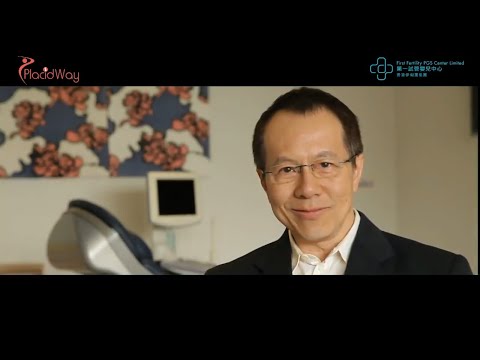
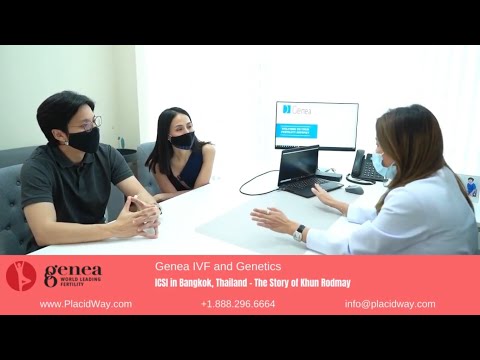
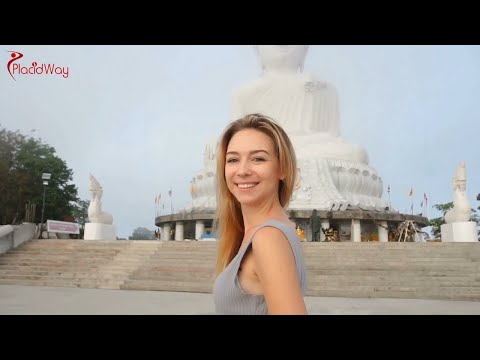
The journey to parenthood is emotional, and hearing from those who have walked this path before can be incredibly reassuring. The video testimonials below feature real couples who traveled to Thailand for ICSI treatment. Watch their stories to understand their experiences regarding the care they received, the communication with doctors, and the joy of their successful outcomes.
Insight: Videos often reveal the "human" side of the clinic staff, showing the empathy and support provided.
Honest feedback is vital when choosing a fertility clinic. In this section, we present verified reviews and ratings from international patients who chose Thailand for their ICSI procedure. Read through their comments on the clinic's efficiency, the clarity of medical explanations, and the overall patient experience to help you make an informed decision about your provider.
Review Tip: Look for reviews that mention communication responsiveness, as this is crucial for international patients.

The expertise of your fertility specialist is paramount. We have curated a list of Thailand's leading reproductive endocrinologists and infertility specialists. These doctors are recognized for their academic contributions, high success rates, and compassionate approach to care. Review their profiles to find a specialist whose experience aligns with your specific fertility challenges.
Internationally Trained Experts
Fellowships in USA, UK, and Australia
Many top Thai specialists hold board certifications or have completed rigorous fellowships at prestigious institutions abroad. This ensures they are fluent in English and up-to-date with the latest global protocols in reproductive medicine.
Male Infertility Focus
Specialized Skills in Sperm Retrieval
Our selected specialists are not just experts in gynecology but also have deep experience in treating male factor infertility. They work closely with urologists to perform advanced sperm retrieval techniques (TESA/PESA) if required for the ICSI procedure.
Personalized Protocols
Customized Stimulation Plans
Leading Thai doctors are known for avoiding "cookie-cutter" approaches. They carefully analyze your hormonal profile and history to design a stimulation protocol that maximizes egg quality while prioritizing your safety and comfort.
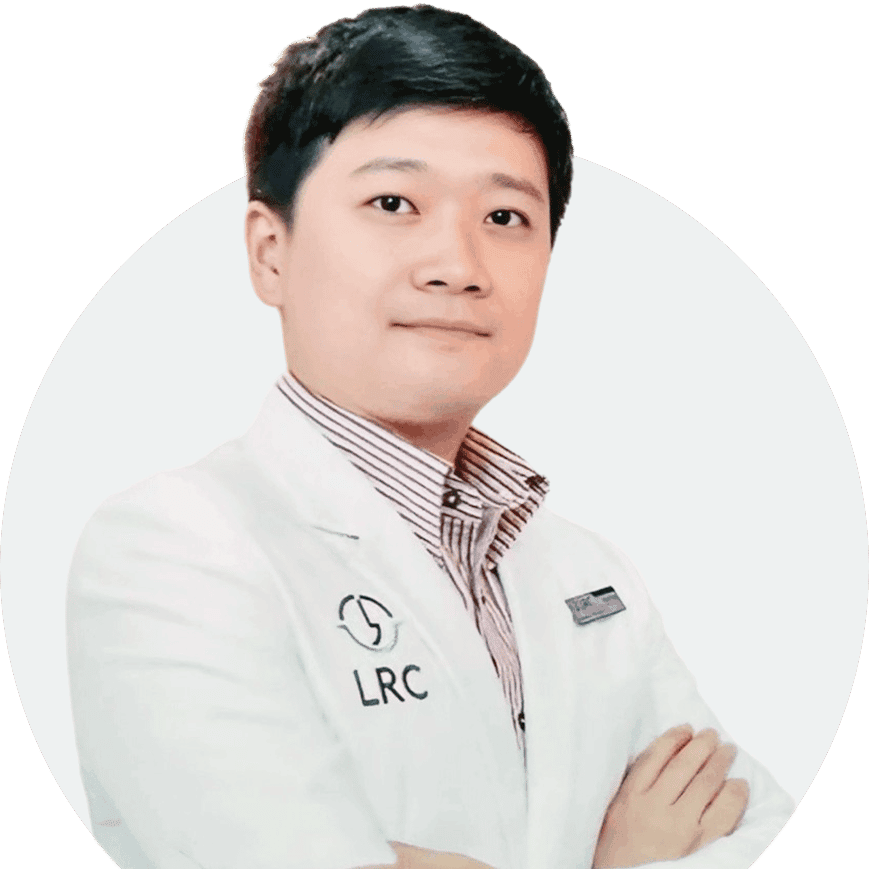
Somphoch Pumipichet M.D.
LRC Fertility Center - Best IVF Clinic Bangkok
- IVF Specialist
Bangkok, Thailand
Advanced Technology & Infrastructure
Thailand is not a "budget" option in terms of quality; it is a premium option at a lower price point. Hospitals in Bangkok and Phuket are equipped with cutting-edge embryology labs featuring Time-Lapse Embryo Monitoring (EmbryoScope) and Next-Generation Sequencing (NGS) for genetic testing.
This technology allows embryologists to select the healthiest embryos with the highest potential for implantation, directly contributing to success rates that rival top Western clinics.
Cost-Effective Excellence
The cost of living and medical overheads in Thailand are lower than in the West, savings that are passed directly to patients. An ICSI cycle in Thailand can cost 40-60% less than in the U.S. or Australia.
This affordability empowers patients to access premium add-ons like PGT-A screening or assisted hatching without breaking the bank, or to afford multiple cycles if necessary, increasing the cumulative odds of a baby.
Compassionate Culture & Stress Reduction
Thai culture is renowned for its warmth and hospitality. In a medical context, this translates to nurses and doctors who are exceptionally patient, gentle, and supportive—a stark contrast to the rushed clinical feel often experienced elsewhere.
Furthermore, the ability to recover in a resort-like setting, enjoy massages, and eat healthy Thai food contributes to lower stress levels, which medical studies suggest can positively influence fertility outcomes.
Starting a family is a deeply personal journey, and seeking treatment abroad requires trust. PlacidWay acts as your guide and advocate, simplifying the process of accessing world-class fertility care in Thailand so you can focus on what matters most—your future family.
Clinic Verification
We rigorously vet fertility centers to ensure they meet international accreditation standards (JCI) and have verified success rates for ICSI procedures.
Direct Cost Comparisons
We provide transparent, itemized quotes from multiple top-tier clinics, allowing you to compare package inclusions and avoid hidden costs.
Doctor Consultations
We facilitate initial video consultations with Thai fertility specialists, so you can discuss your medical history and feel comfortable with your doctor before flying.
Treatment Coordination
Our team assists in scheduling your appointments to align with your cycle and travel dates, ensuring a smooth timeline from arrival to embryo transfer.
Real Patient Insights
Access genuine reviews and testimonials from past patients to get a realistic understanding of the clinic environment and success stories.
Legal & Ethical Guidance
We provide up-to-date information on Thai fertility laws, including document requirements (like marriage certificates), to prevent any administrative hurdles.
Take the first step toward expanding your family. Contact PlacidWay today for a free, personalized quote and let us help you find the right fertility expert in Thailand.
Get Your Free Fertility Quote.png)

.png)


.png)








Share this listing