
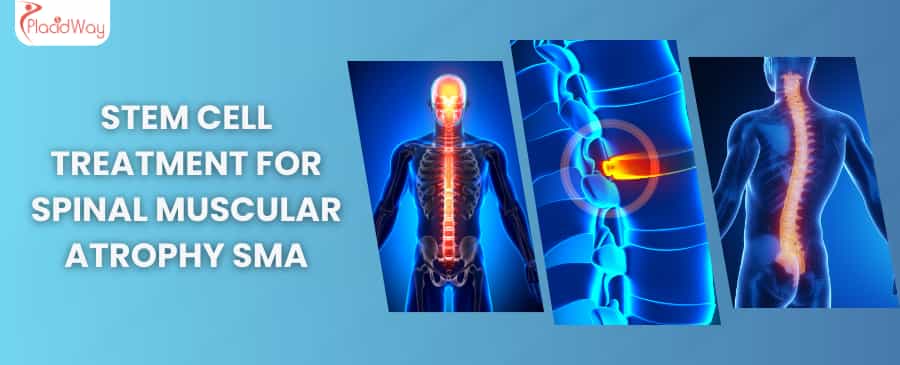
Finding New Pathways: Stem Cell Treatment for Spinal Muscular Atrophy (SMA)
Living with Spinal Muscular Atrophy (SMA) is a profound challenge, affecting individuals and families worldwide. This rare genetic condition leads to progressive muscle weakness and wasting, impacting everything from breathing and swallowing to movement. For many, the search for effective therapies extends beyond conventional options, leading them to explore innovative solutions like stem cell treatment for SMA.
At PlacidWay, we understand the complexities of SMA and the hopes associated with cutting-edge treatments. While stem cell therapy for SMA remains largely investigational and not a definitive cure, it represents an exciting frontier in regenerative medicine. The goal of these therapies is often to protect existing motor neurons, promote regeneration, or reduce inflammation, thereby aiming to improve or stabilize motor function and enhance the quality of life for those living with this condition.
For families researching "new treatments for SMA" or "alternative therapies for muscle weakness," stem cell treatment often appears as a beacon of hope. This comprehensive guide will delve into what SMA is, how stem cells might help, the associated risks and benefits, and why many patients consider "SMA treatment abroad" to access these specialized therapies. We aim to provide clear, empathetic, and evidence-based information to help you make informed decisions on this journey.
What are the Symptoms of Spinal Muscular Atrophy (SMA)?
Spinal Muscular Atrophy manifests differently depending on the type, but the common thread is progressive muscle weakness. This weakness stems from the degeneration of motor neurons in the spinal cord, which are responsible for sending signals from the brain to the muscles.
- Early Signs in Infants (Type 1 & 2): For infants with severe SMA (Type 1), symptoms often appear before 6 months. These can include a floppy appearance, weak cry, trouble feeding and swallowing, difficulty breathing, and an inability to lift their head or sit unsupported. Type 2 SMA typically appears between 6 and 18 months, with babies able to sit but not stand or walk independently, and developing tremors in their hands.
- Childhood and Adult Onset (Type 3 & 4): Children with Type 3 SMA may learn to walk but experience progressive weakness, frequent falls, and difficulty with activities like climbing stairs. Type 4, the adult-onset form, presents with milder symptoms later in life, usually affecting proximal muscles (shoulders, hips) and causing problems like muscle cramps and tremors.
- Respiratory and Swallowing Difficulties: In more severe forms, the muscles involved in breathing and swallowing can be affected, leading to respiratory infections and nutritional challenges. Patients often search for "how does SMA affect breathing" or "trouble swallowing with SMA."
What Causes SMA and What are the Risk Factors?
SMA is a genetic, inherited disorder. The root cause is a deficiency in a protein called Survival Motor Neuron (SMN). This protein is vital for the health and function of motor neurons. Patients often ask, "is SMA genetic?" or "what causes muscle weakness in SMA?"
- SMN1 Gene Mutation: The vast majority of SMA cases (about 95%) are caused by a deletion or mutation in the SMN1 gene on chromosome 5. This gene is responsible for producing the full-length SMN protein. When this gene is faulty, insufficient SMN protein is made.
- Role of SMN2 Gene: Humans also have an SMN2 gene, which can produce some functional SMN protein, but in much smaller quantities and often a truncated, less stable form. The number of SMN2 copies a person has often correlates with the severity of SMA; more copies can lead to a milder form of the disease.
- Inheritance Pattern: SMA is an autosomal recessive disorder. This means that a child must inherit two copies of the faulty SMN1 gene—one from each parent—to develop the condition. If a child inherits only one copy, they are a carrier but typically do not show symptoms. When both parents are carriers, there is a 25% chance with each pregnancy that their child will have SMA.
What Types of Treatments are Available for SMA, Including Stem Cells?
The landscape of SMA treatment has evolved significantly, offering more options than ever before. Patients frequently search for "what are the latest treatments for SMA" or "new hope for SMA."
- Approved Gene Therapies and SMN-Enhancing Drugs:
- Zolgensma (onasemnogene abeparvovec): A one-time gene therapy that delivers a functional copy of the SMN1 gene to motor neuron cells.
- Spinraza (nusinersen): An antisense oligonucleotide that modifies the splicing of the SMN2 gene to produce more functional SMN protein. It requires regular intrathecal injections.
- Evrysdi (risdiplam): An oral medication that works similarly to Spinraza by increasing the production of functional SMN protein from the SMN2 gene.
- The Role of Stem Cell Treatment for SMA: Stem cell therapy takes a different approach. Instead of directly addressing the genetic mutation, it aims to support the motor neurons directly impacted by the disease. This is where patients often ask, "how do stem cells help SMA patients?"
- Neuroprotection: Stem cells can release growth factors and anti-inflammatory molecules that protect existing motor neurons from degeneration.
- Regeneration: Some stem cells, particularly mesenchymal stem cells (MSCs) or neural stem cells, have the potential to differentiate into new motor neurons or glial cells, which support motor neuron function.
- Immunomodulation: Stem cells can modulate the immune system, potentially reducing the inflammation that contributes to motor neuron damage in SMA.
- Supportive Care: Alongside specific treatments, comprehensive supportive care (physical therapy, occupational therapy, respiratory support, nutritional management) remains crucial for managing symptoms and improving quality of life.
Who is a Candidate for SMA Stem Cell Therapy? Eligibility Criteria
Determining eligibility for stem cell therapy for SMA is a complex process, as treatments are highly individualized and often part of research protocols. People often search for "who can get stem cell treatment for SMA?" or "can adults with SMA receive stem cell therapy?"
- Type and Severity of SMA: Different types of SMA (Type 1, 2, 3, 4) may respond differently to various stem cell approaches. Some protocols might focus on preventing further degeneration in early-stage SMA, while others might aim for symptom management in more advanced cases.
- Age of Patient: While many stem cell therapies focus on pediatric SMA, some clinics also offer options for adults. The patient's age can influence the type of stem cells used and the expected outcomes.
- Overall Health Status: Patients must generally be in stable health to undergo the procedure, free from acute infections or other severe medical conditions that could complicate treatment.
- Previous Treatments: Some protocols may require patients to have already tried or be on existing approved SMA treatments. Others might be for patients who haven't responded well to conventional therapies.
- Specific Clinic/Trial Criteria: Eligibility is heavily dependent on the specific stem cell protocol, the type of stem cells being used (e.g., mesenchymal stem cells, neural stem cells), the administration method, and the requirements of the clinic or clinical trial. It is imperative to engage in thorough consultation with medical experts who specialize in both SMA and regenerative medicine.
What is the Recovery Time and What Can I Expect After Stem Cell Treatment for SMA?
The immediate "recovery time" from the stem cell administration itself is often relatively short, particularly for intravenous or intrathecal (spinal) injections. However, the timeframe for observing any potential effects from the stem cells is much longer, and expectations must be realistic.
- Immediate Post-Procedure: Patients may experience mild discomfort at the injection site, fatigue, or flu-like symptoms, which typically subside within a few days. Recovery generally involves rest and monitoring.
- Long-Term Expectations: Patients and families often search for "how long does it take to see results from SMA stem cell therapy?" or "what improvements can I expect?"
- Gradual Changes: Unlike pharmaceutical drugs with predictable onset, stem cell effects are often gradual. Any potential neuroprotective or regenerative effects can take weeks to months to manifest.
- Potential Improvements: While a cure is not expected, some patients and clinics report stabilization of symptoms, reduction in the rate of decline, or even modest improvements in motor function, strength, or respiratory capacity. These can be subtle, like increased endurance or better head control, or greater ease in daily activities.
- Importance of Rehabilitation: Stem cell treatment is often part of a holistic approach. Continued physical therapy, occupational therapy, and respiratory support are crucial to maximize any potential benefits and help the body utilize any functional gains.
- Realistic Outlook: It's vital to have a realistic understanding that outcomes can vary greatly and are not guaranteed. The goal is often to improve quality of life and potentially slow the progression of this neurodegenerative disease.
What Are the Risks and Side Effects of Stem Cell Treatment for SMA?
As an experimental treatment, stem cell therapy for SMA carries potential risks and side effects that patients and their families must be aware of. Understanding these is crucial when considering "stem cell treatment for SMA risks" or "are stem cells safe for SMA?"
- Infection: Any invasive procedure carries a risk of infection at the injection site or systematically.
- Allergic Reaction: Patients may have an allergic reaction to the stem cells themselves or to other components used in the procedure.
- Immune Rejection: If allogeneic (donor) stem cells are used, there is a risk of the recipient's immune system rejecting the cells, leading to inflammation or loss of efficacy.
- Tumor Formation (Teratomas): A rare but serious risk, particularly with certain types of pluripotent stem cells (like embryonic stem cells or induced pluripotent stem cells) if not properly differentiated before transplantation. This risk is lower with mesenchymal stem cells (MSCs) commonly used in clinics.
- Procedure-Related Risks: Risks associated with the administration method (e.g., lumbar puncture for intrathecal injection) include bleeding, headache, or nerve damage.
- Lack of Efficacy: The most common "risk" is that the treatment simply may not work or provide the desired benefits, leading to significant emotional and financial investment without a return.
- Unproven Claims: A significant concern, especially in the medical tourism sector, is the proliferation of clinics offering unproven or exaggerated claims about stem cell therapy. Patients must exercise extreme caution and verify the scientific basis and safety records of any clinic.
Worldwide Cost Comparison for Stem Cell Treatment for SMA
The cost of stem cell treatment for SMA is a significant factor for many families, often leading them to search for "how much does SMA stem cell treatment cost globally" or "affordable SMA treatment abroad." Prices can vary dramatically based on the country, clinic reputation, type of stem cells used, and the number of treatment cycles required.
Indicative Cost Comparison for SMA Stem Cell Treatment (Per Treatment Cycle)
| Country | Estimated Cost Range (USD) | Key Considerations |
|---|---|---|
| United States / Western Europe | $30,000 - $100,000+ | Often limited to clinical trials, higher overall healthcare costs, strict regulations. |
| Mexico | $15,000 - $45,000 | Popular for medical tourism, often offers MSC-based therapies, proximity for North Americans. |
| India | $10,000 - $35,000 | Cost-effective, growing medical tourism infrastructure, varying regulatory oversight. |
| Thailand | $12,000 - $40,000 | Known for luxury medical tourism, competitive pricing, good patient support. |
| China | $20,000 - $60,000 | Pioneering in stem cell research, but regulatory environment can be less transparent. |
Please note: These are estimated ranges and actual costs can vary significantly. They typically include the stem cell procedure itself but may or may not include travel, accommodation, pre-treatment diagnostics, and post-treatment rehabilitation. Always request a detailed, all-inclusive quote from any clinic.
Why Consider Stem Cell Treatment for SMA Abroad (Medical Tourism)?
The decision to seek "SMA treatment abroad" is often driven by a confluence of factors, making medical tourism a viable pathway for many families. People often search for "benefits of international SMA therapy" or "why travel for SMA treatment?"
- Access to Advanced or Experimental Therapies: Stem cell research and treatment protocols evolve rapidly. Some countries or clinics may offer specific types of stem cells (e.g., umbilical cord-derived MSCs) or unique administration methods that are not yet widely available or approved in a patient's home country.
- Cost-Effectiveness: As seen in the cost comparison, the price of stem cell treatment can be significantly lower in certain countries, making it more financially accessible for families facing substantial medical expenses.
- Reduced Waiting Times: In some national healthcare systems, waiting lists for specialized or investigational treatments can be long. Traveling abroad can offer faster access to care.
- Holistic Treatment Approaches: Many international clinics integrate stem cell therapy with comprehensive rehabilitation programs, dietary support, and other complementary therapies, offering a more holistic patient experience.
- Privacy and Convenience: For some, traveling abroad offers a level of privacy and the opportunity to combine treatment with a supportive environment away from daily stressors.
Which Countries Offer the Best Value for SMA Stem Cell Therapy?
When considering "where to get SMA treatment abroad," value often means a combination of affordability, quality of care, and ease of travel. While "best" is subjective and depends on individual needs, several countries have emerged as popular destinations for stem cell therapy for various conditions, including SMA:
- Mexico: A top destination for North Americans due to proximity, offering a wide range of clinics specializing in mesenchymal stem cell therapies at competitive prices.
- India: Known for its highly skilled medical professionals and advanced facilities, India provides high-quality care at significantly lower costs, attracting patients globally.
- Thailand: Combining excellent medical infrastructure with a thriving tourism industry, Thailand offers competitive pricing, often with comprehensive packages that include accommodation and patient support.
- South Korea: A leader in biomedical research and technology, South Korea offers advanced stem cell treatments, albeit often at a higher price point than other Asian countries, known for its rigorous standards.
- Germany: While generally more expensive, Germany is renowned for its stringent regulatory environment and high-quality medical standards, particularly in cellular therapies and clinical trials.
When evaluating value, always consider the specific type of stem cells used, the protocol, the clinic's certifications, and the all-inclusive cost, not just the procedure price.
What to Expect When Traveling for SMA Stem Cell Treatment?
Undertaking a medical journey for "traveling for SMA treatment" requires careful planning and preparation. Here’s a general overview of what to expect:
- Initial Consultation and Planning: The process typically begins with remote consultations, where you submit medical records, diagnostic tests, and a detailed patient history to the chosen clinic. This helps determine eligibility and tailor a treatment plan. PlacidWay can assist in facilitating these initial steps.
- Logistics and Travel Arrangements: Once a plan is confirmed, you'll need to arrange for visas (if required), flights, and accommodation. Many clinics or medical tourism facilitators offer assistance with these logistics, including airport transfers and local transportation. For patients with SMA, especially those with mobility challenges, ensuring accessibility in all aspects of travel is paramount.
- Arrival and Pre-Treatment: Upon arrival, you'll undergo in-person medical evaluations, including physical exams, blood tests, and potentially imaging to confirm the treatment plan. This is a crucial step to ensure safety and readiness for the procedure.
- The Treatment Procedure: The stem cell treatment itself usually involves one or more sessions, which could be intravenous infusions, intrathecal (spinal) injections, or localized injections, depending on the protocol. The procedure itself is typically short, lasting from minutes to a few hours.
- Post-Treatment Care and Follow-up: After the procedure, there will be a period of observation and recovery. Clinics often provide guidelines for post-treatment care, including activity restrictions and medication. Long-term follow-up can involve remote consultations and sharing progress reports with your local healthcare team.
How to Ensure Safety and Quality for SMA Stem Cell Therapy Abroad?
Ensuring "safety and quality abroad" for an experimental treatment like SMA stem cell therapy is paramount. It requires due diligence and critical evaluation.
- Accreditation and Licensing: Look for clinics that are accredited by international bodies like Joint Commission International (JCI) or adhere to rigorous national healthcare standards. Verify their licenses for stem cell research and therapy.
- Physician Credentials and Experience: Research the qualifications, experience, and specialization of the doctors who will be performing the procedure. Ensure they have expertise in both neurology/SMA and regenerative medicine.
- Transparency of Protocol: The clinic should be fully transparent about the type of stem cells used (e.g., mesenchymal, neural), their source (autologous, allogeneic), processing methods, administration route, and the scientific rationale behind their protocol. They should openly discuss potential risks and realistic outcomes.
- Ethical Guidelines: Ensure the clinic adheres to international ethical guidelines for stem cell research and therapy. Be wary of clinics that make exaggerated claims of "cures" or refuse to provide detailed scientific information.
- Patient Testimonials and Reviews: While anecdotal, reputable patient reviews and success stories can offer insights. Look for a balanced perspective, acknowledging that results can vary.
- Comprehensive Consultation: A reputable clinic will provide thorough pre-treatment consultations, including a detailed medical history review and discussion of realistic expectations. They should be willing to answer all your questions comprehensively.
- PlacidWay's Role: As a medical tourism facilitator, PlacidWay helps connect patients with reputable, quality-checked clinics and provides guidance through this complex decision-making process, aiding in verifying credentials and ensuring transparency.
What are Patient Success Stories and Testimonials from Abroad for SMA Stem Cell Treatment?
While results for stem cell treatment in SMA can vary, many patients and families who have sought therapy abroad share their experiences, often describing improvements in their quality of life, which motivates others searching for "SMA stem cell treatment testimonials" or "real results from overseas SMA therapy."
- Focus on Functional Gains: "Success" in SMA stem cell therapy is often measured not as a complete cure, but as stabilization of the disease, slowing of progression, or modest but significant functional improvements. These might include increased strength in specific muscle groups, better control over head movements, improved respiratory capacity, or enhanced swallowing abilities.
- Enhanced Quality of Life: Many testimonials speak to an overall improvement in the patient's well-being and daily living. This could involve reduced fatigue, increased energy levels, or simply a feeling of more comfort and less pain. For parents of children with SMA, even small gains in motor skills can have a huge impact on daily care and interaction.
- Hope and Empowerment: Beyond physical changes, many families report a renewed sense of hope and empowerment after pursuing these treatments. The proactive step of seeking out advanced therapies can be incredibly positive, fostering a sense of control and optimism.
- The Holistic Experience: Often, the "success story" also encompasses the entire medical tourism experience – the compassionate care received at international clinics, the comprehensive support, and the feeling of being part of a pioneering journey in regenerative medicine.
It's important to remember that these are individual experiences and do not guarantee similar results for every patient. Each case of SMA is unique, and responses to experimental therapies can differ widely.
Take the Next Step with PlacidWay
Ready to explore treatment options abroad? Discover top clinics, compare prices, and get a free quote tailored to your needs with PlacidWay.
Stem Cell Therapy Abroad







.png)










Share this listing