
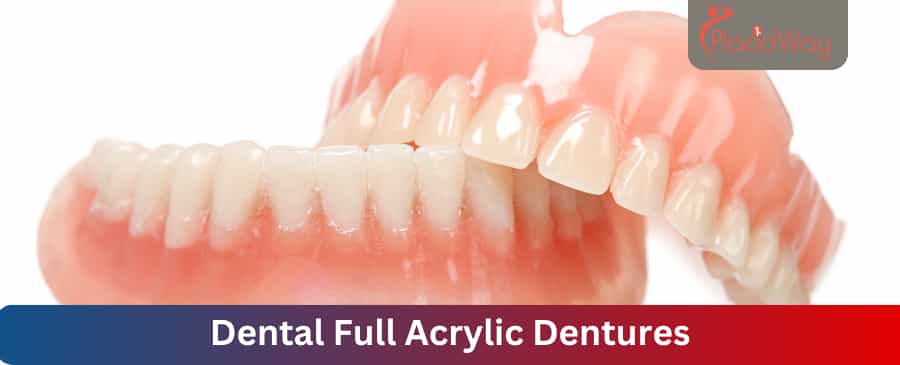
Rediscover Your Smile: A Guide to Full Acrylic Dentures for a Confident Future
Losing all your natural teeth, whether in your upper jaw, lower jaw, or both, can significantly impact your quality of life. It affects your ability to eat, speak clearly, and even your self-esteem. If you're searching for a reliable and affordable solution to restore your complete smile, full acrylic dentures might be the answer you've been looking for. These conventional dentures offer a practical and aesthetic way to replace an entire arch of missing teeth, helping you regain confidence and functional comfort.
Many patients worldwide are exploring options for affordable full dentures, often turning to medical tourism destinations to find high-quality care at a fraction of the cost. This comprehensive guide will walk you through everything you need to know about full acrylic dentures, from understanding why you might need them to comparing global costs and navigating the exciting world of dental tourism. We'll delve into the symptoms of tooth loss, the causes, the procedure itself, and what to expect during your journey to a restored smile.
For those considering complete acrylic dentures, understanding the process and potential benefits is key. We'll address common concerns like "how long do full dentures last," "what are the problems with full dentures," and "what is the recovery time for dentures," all while keeping a patient-focused, empathetic tone. Get ready to explore how full acrylic dentures can transform your oral health and overall well-being, both at home and when considering treatment abroad.
What are the common signs you might need full dentures?
If you're wondering, "Do I need full dentures?" or "Why do I need full dentures?", there are several clear indicators. These signs often stem from advanced dental issues that make saving natural teeth impractical or impossible. Recognizing these symptoms early can help you seek timely treatment and prevent further oral health complications.
- Extensive Tooth Loss: The most obvious sign is having many or all teeth missing in either your upper or lower jaw. This could be due to extractions, trauma, or long-term neglect.
- Severe Tooth Decay: If multiple teeth are severely decayed beyond repair with fillings or crowns, extraction might be necessary, leading to the need for full dentures.
- Advanced Gum Disease (Periodontitis): Untreated gum disease can cause teeth to loosen and eventually fall out due to bone loss around the roots.
- Difficulty Chewing and Speaking: Missing teeth significantly impair your ability to properly chew food, leading to digestive issues. Gaps can also cause speech impediments.
- Changes in Facial Appearance: Without teeth, your facial muscles can sag, making you look older. The jawbone can also resorb (shrink) over time, altering your facial structure.
- Chronic Oral Pain or Discomfort: Persistent pain from severely damaged or infected teeth that cannot be salvaged is a strong indicator for extractions and subsequent tooth replacement.
- Loose or Mobile Teeth: Teeth that are noticeably loose, even without pain, often indicate compromised support structures, making them candidates for removal.
Why do people lose all their teeth? Understanding the causes of total tooth loss.
Understanding the causes behind tooth loss can help demystify why full dentures become a necessary solution. While accidents can certainly lead to missing teeth, chronic oral health issues are the most common culprits. "What causes total tooth loss?" is a common question, and the answers often point to preventable conditions.
- Periodontal Disease (Gum Disease): This is the leading cause of tooth loss in adults. It's a bacterial infection that damages the soft tissues and bone supporting your teeth. If left untreated, it destroys the jawbone, causing teeth to loosen and fall out.
- Dental Caries (Tooth Decay): Untreated cavities can progress deeply into the tooth, infecting the pulp and eventually destroying enough tooth structure that the tooth cannot be saved and must be extracted.
- Trauma or Injury: Accidents, sports injuries, or falls can lead to teeth being knocked out or fractured beyond repair, necessitating extraction.
- Aging: While not a direct cause, the cumulative effects of wear and tear, along with potential reduced access to dental care over a lifetime, can contribute to tooth loss in older adults.
- Systemic Diseases: Conditions like diabetes can increase the risk of gum disease and tooth decay. Certain autoimmune diseases or treatments (e.g., radiation therapy for head and neck cancer) can also impact oral health negatively.
- Poor Oral Hygiene: Inadequate brushing and flossing allow plaque and tartar to build up, leading to both decay and gum disease.
- Genetics: Some individuals may be genetically predisposed to weaker tooth enamel or more aggressive forms of gum disease.
What are full acrylic dentures and how do they restore your smile?
When patients search for "complete dentures" or "full mouth dentures," they are often referring to full acrylic dentures. These are conventional, removable dental prosthetics designed to replace an entire arch of missing teeth. They consist of a pink or gum-colored acrylic base that fits snugly over your gums, supporting a full set of artificial teeth made from acrylic resin.
There are generally two main types of full acrylic dentures:
- Conventional Full Dentures: These are made after all remaining teeth have been extracted and the gum tissues have healed completely, a process that can take several months. Once the healing is complete, impressions are taken, and the dentures are fabricated and fitted.
- Immediate Full Dentures: These dentures are fabricated in advance and can be inserted immediately after the removal of the remaining teeth. This allows you to avoid being without teeth during the healing period. However, as the gums and bone heal and shrink, immediate dentures often require relining or remaking after several months to ensure a proper fit.
Full acrylic dentures restore your smile by:
- Replacing Missing Teeth: Visibly fills the gaps left by missing teeth, creating a complete smile.
- Restoring Chewing Function: Allows you to chew a wider variety of foods, improving nutrition and digestion.
- Improving Speech: Helps articulate words more clearly by providing proper tongue and lip support.
- Supporting Facial Structure: Prevents the sagging of facial muscles that often occurs with tooth loss, maintaining a more youthful appearance.
Am I a good candidate for full acrylic dentures?
Determining your eligibility for full acrylic dentures is a crucial step. Your dentist will conduct a thorough examination of your oral health, including X-rays, to assess your gums, remaining teeth (if any), and jawbone structure. "Who is eligible for dentures?" is a common query, and the criteria are generally broad, making them a popular choice for many.
You may be an ideal candidate if:
- You have lost all or most of your teeth in one or both arches.
- Your remaining teeth are severely damaged or diseased beyond repair, necessitating extraction.
- You have healthy gum tissues that can support the denture base.
- You are looking for a non-surgical solution for tooth replacement.
- You prioritize a cost-effective option for a full smile restoration.
- You are committed to maintaining good oral hygiene practices for your gums and the dentures themselves.
- You are healthy enough to undergo any necessary extractions prior to denture placement.
While dentures are suitable for most individuals with significant tooth loss, some factors might require careful consideration, such as severe jawbone recession that could impact denture stability, though this can often be managed with advanced fitting techniques or, in some cases, implant-supported dentures for greater stability.
What should I expect during recovery and adjustment to new dentures?
Getting new dentures is a significant change, and an adjustment period is entirely normal. Patients often ask, "What is the recovery time for full dentures?" and "How do I get used to new dentures?" Patience and practice are key during this phase.
- Initial Discomfort: It's common to experience some soreness, irritation, and increased saliva production when you first start wearing your dentures. This usually subsides as your mouth adjusts.
- Eating: Start with soft foods cut into small pieces. Chew slowly and evenly on both sides of your mouth to prevent the dentures from tipping. Gradually introduce firmer foods as you gain confidence.
- Speaking: Your speech might sound a bit different at first. Practice reading aloud or speaking in front of a mirror to help your tongue and lips adapt. Any lisping or whistling usually improves with time.
- Sore Spots: As your gums adjust, you might develop sore spots. It's crucial to schedule follow-up appointments with your dentist for adjustments. Never try to adjust your dentures yourself.
- Oral Hygiene: You'll need to remove your dentures for cleaning daily. Brush them thoroughly to remove food particles and plaque, and soak them in a denture-cleaning solution overnight. Clean your gums, tongue, and palate with a soft brush before reinserting your dentures.
- Follow-up Appointments: Regular check-ups are essential for monitoring your oral health and making any necessary denture adjustments. Over time, your jawbone will naturally change, potentially requiring relines or new dentures.
Most people adapt to full acrylic dentures within a few weeks to a few months. Remember, communication with your dentist is vital throughout this period.
Are there risks or side effects associated with full acrylic dentures?
While full acrylic dentures are a safe and effective treatment for tooth loss, like any medical procedure or prosthetic, there are potential risks and side effects. Knowing these "problems with full dentures" beforehand can help you prepare and manage expectations.
- Sore Spots and Irritation: Especially during the initial adjustment period, dentures can rub against your gums, causing discomfort and sore spots. Proper adjustments by your dentist can usually resolve this.
- Difficulty with Eating and Speaking: As mentioned, there's an adaptation phase. Some foods may remain challenging to eat, and certain sounds might be harder to pronounce initially.
- Loss of Taste: Upper dentures cover your palate, which can sometimes reduce your sense of taste.
- Altered Sensation: Dentures don't provide the same natural sensation of chewing as natural teeth, which can take some getting used to.
- Denture Looseness/Movement: Over time, your jawbone naturally shrinks (resorbs) without tooth roots. This can cause dentures to become loose, requiring relining or new dentures. Denture adhesives can help with stability in the interim.
- Oral Infections: Poor denture hygiene can lead to fungal infections like thrush (candidiasis) or irritation of the gum tissue beneath the denture.
- Allergic Reactions: While rare, some individuals may have an allergic reaction to the acrylic material.
- Breakage: Dentures are durable but can break if dropped or subjected to excessive force.
Most of these issues can be mitigated with good oral hygiene, proper care of your dentures, and regular visits to your dentist for adjustments and check-ups.
How much do full acrylic dentures cost worldwide? A global price guide.
One of the primary reasons people explore dental tourism for full acrylic dentures is the significant cost savings. The price can vary dramatically based on the country, clinic, materials used, and the complexity of your individual case (e.g., if extractions are needed). "Full dentures cost" is a top search query for a reason!
Estimated Cost Comparison for Full Acrylic Dentures (Per Arch)
| Country | Estimated Cost Range (USD) per Arch | Notes |
|---|---|---|
| USA | $800 - $3,000+ | Costs vary by region, quality, and lab work. Does not include extractions. |
| Canada | $700 - $2,500+ | Similar to US, with variations by province and clinic. |
| UK | £600 - £2,000+ (approx. $800 - $2,700+) | NHS options are cheaper but may have waiting lists; private clinics are higher. |
| Australia | AUD 1,000 - AUD 4,000+ (approx. $700 - $2,800+) | Costs depend on complexity and location. |
| Mexico | $300 - $800+ | Highly popular for US/Canadian patients; significant savings. |
| Turkey | $400 - $1,000+ | Growing popularity for European patients; modern clinics. |
| Thailand | $350 - $900+ | Known for high-quality care and tourism experience. |
| Colombia | $300 - $700+ | Increasingly chosen by North Americans for quality and price. |
| India | $250 - $600+ | Very affordable, good for combined medical and cultural tourism. |
*These are estimated costs and can vary. It's crucial to get a personalized quote from a chosen clinic. Prices typically do not include flights, accommodation, or additional procedures like extractions.
Why are full acrylic dentures a popular choice for dental tourism?
The allure of dental tourism for dentures is strong, especially for a comprehensive procedure like full acrylic dentures. Patients from countries with high healthcare costs, such as the US, Canada, UK, and Australia, frequently seek treatment abroad for compelling reasons:
- Substantial Cost Savings: As seen in the table above, the difference in cost for full dentures can be immense. Patients can save anywhere from 50% to 70% or even more on the overall treatment.
- Access to High-Quality Care: Many international clinics in popular medical tourism destinations boast state-of-the-art technology, highly skilled dentists, and international accreditations.
- Shorter Waiting Times: In some public healthcare systems, waiting lists for non-emergency dental procedures can be long. Traveling abroad often means quicker access to treatment.
- Combining Treatment with a Vacation: Many patients choose destinations that also offer tourist attractions, turning their dental trip into a rejuvenating holiday.
- Privacy: Some prefer to keep extensive dental work private, and traveling abroad offers a discreet option.
For many, the financial relief of finding affordable dentures abroad makes this option not just attractive, but a necessity for restoring their oral health.
Which countries offer the best value for full acrylic dentures?
When considering "best country for dentures," several nations consistently rank high due to their balance of affordability, quality, and patient experience. These countries have well-established medical tourism infrastructures:
- Mexico: Especially popular for North Americans, Mexican border towns and cities like Cancun, Tijuana, and Los Algodones offer highly competitive prices and quality care within easy travel distance.
- Turkey: Istanbul and Antalya are growing hubs for dental tourism, attracting European patients with modern clinics, experienced dentists, and a vibrant cultural experience.
- Thailand: Bangkok and Phuket are known for their high standards of dental care, English-speaking staff, and excellent tourist facilities, making it an attractive destination for global patients.
- Colombia: Cities like Medellín and Cartagena are emerging as strong contenders, offering advanced dental treatments at competitive prices, particularly for patients from the US and Canada.
- India: Renowned for its very low costs, India provides excellent dental services in cities like Mumbai, Delhi, and Chennai, often combining treatments with spiritual or cultural travel.
- Hungary: A long-standing leader in European dental tourism, offering great value for money, particularly for UK and Western European patients.
The "best" country for you will depend on your budget, desired travel experience, and specific dental needs. Researching clinics and reading patient reviews within these countries is highly recommended.
What's the process for getting full dentures when traveling abroad?
Planning your journey for getting dentures abroad requires some preparation, but the process is generally straightforward and well-supported by medical tourism facilitators. Here’s a typical outline:
- Initial Research & Consultation:
- Research potential clinics and destinations.
- Contact medical tourism facilitators (like PlacidWay) to get quotes, clinic information, and doctor bios.
- Have an initial remote consultation (via video call or email) with the chosen clinic. Share your medical history, existing dental records, and recent X-rays.
- Receive a personalized treatment plan and cost estimate.
- Travel Planning:
- Book flights and accommodation.
- Arrange for transportation from the airport to your clinic/hotel (often offered by the clinic or facilitator).
- Ensure you have a valid passport and any necessary visas.
- Arrival & Initial Appointments (usually 1-2 visits):
- Upon arrival, you'll have an in-person consultation and examination with the dentist.
- If extractions are needed, these will be performed during this initial phase.
- Impressions of your mouth will be taken to create a mold for your custom dentures.
- Denture Fabrication & Fitting (multiple visits over 1-2 weeks):
- The dental lab will fabricate your dentures based on the impressions.
- You'll have several "try-in" appointments to ensure the fit, bite, and aesthetics are perfect. Adjustments will be made until you and the dentist are satisfied.
- If immediate dentures are chosen, they will be inserted after extractions.
- Final Fitting & Post-Treatment Care:
- Your final full acrylic dentures are fitted.
- The dentist will provide detailed instructions on care, cleaning, and what to expect during the adjustment period.
- Schedule follow-up visits as recommended (some may be remote or with your local dentist).
- Return Home:
- Continue to follow care instructions and maintain good oral hygiene.
- Be prepared for minor adjustments needed by your local dentist if any issues arise after returning.
How can I ensure quality and safety when choosing an overseas clinic for dentures?
Choosing an overseas clinic for something as important as your dental health requires diligence. "How to ensure safety and quality abroad?" is a critical question. While cost savings are attractive, quality and patient safety should always be paramount. Here are key steps:
- Check Accreditations and Certifications: Look for international accreditations like JCI (Joint Commission International) or local national dental association approvals. This indicates adherence to international quality and safety standards.
- Verify Dentist's Qualifications and Experience: Inquire about the dentist's education, specialization, years of experience, and any international affiliations. Many reputable clinics will openly share this information.
- Read Patient Reviews and Testimonials: Look for independent reviews on platforms like Google, Trustpilot, or specific medical tourism forums. Be wary of clinics with only uniformly positive, vague reviews.
- Request a Detailed Treatment Plan: Before committing, ensure you receive a comprehensive plan outlining the exact procedure, materials, timeline, and all associated costs. This helps prevent hidden fees.
- Ask About Sterilization Protocols: Ensure the clinic follows strict hygiene and sterilization procedures for instruments and facilities. You can ask for information or observe upon arrival.
- Communicate Clearly: Ensure there's no language barrier. Many clinics catering to international patients have English-speaking staff or provide translators.
- Utilize Medical Tourism Facilitators: Reputable agencies like PlacidWay specialize in vetting clinics, coordinating travel, and providing support, adding an extra layer of security.
- Consider Insurance and Aftercare: Understand what happens if you need follow-up care or experience complications after returning home. Some clinics offer guarantees or work with local dentists for post-operative care.
Hearing from others: Real patient experiences with full dentures abroad.
Patient success stories often provide the most compelling evidence for medical tourism. Thousands of individuals have successfully received full acrylic dentures abroad and returned home with restored smiles and significant savings. While individual experiences vary, common themes emerge:
- "I finally have my confidence back!" Many patients share how their new dentures allowed them to smile, speak, and eat without embarrassment, transforming their social and professional lives.
- "The quality was amazing, and the price was unbelievable." A frequent comment revolves around the excellent standard of care received, often matching or exceeding what they might have found at home, but at a fraction of the cost. Patients are often surprised by the modern facilities and advanced techniques used.
- "My trip to [country] was an experience I'll never forget." Combining dental treatment with cultural exploration is a huge plus. Patients often report enjoying their time, exploring new places, and making their dental journey feel less like a clinical visit and more like a holistic experience.
- "The dentists were so kind and thorough." Personal testimonials frequently highlight the compassionate and meticulous approach of international dentists and their teams, who often dedicate more time to individual patient care than what might be typical in a high-volume local practice.
These stories reinforce the growing trend of seeking quality, affordable dental solutions like full acrylic dentures in global destinations. Always seek out verified patient reviews and consider connecting with individuals who have undergone similar procedures for firsthand accounts.
Take the Next Step with PlacidWay
Ready to explore treatment options abroad? Discover top clinics, compare prices, and get a free quote tailored to your needs with PlacidWay.
Dental Tourism | Cosmetic Dentistry | Implants | Root Canals | Dentures | Bridges | Orthodontics | Dental Holidays Abroad




.png)
.png)
.png)
.png)

.png)
.png)
.png)
.png)












Share this listing