
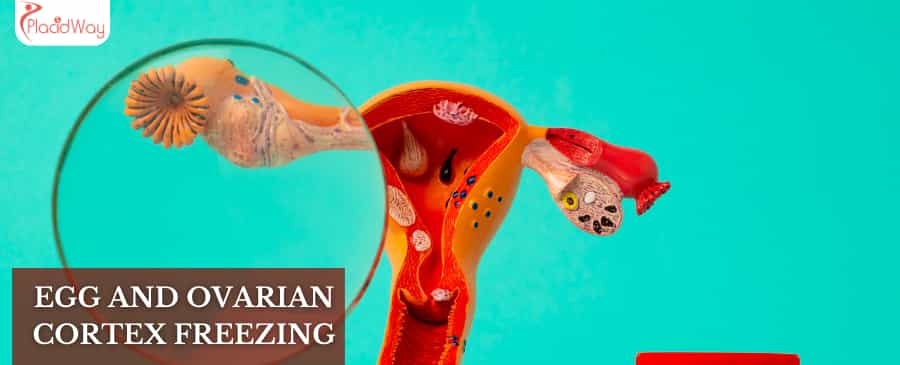
Unlock Your Future Family: Understanding Egg and Ovarian Cortex Freezing
The journey to parenthood is deeply personal, and for many, life's circumstances – whether career goals, personal timing, or unexpected medical diagnoses – mean that starting a family isn't possible right away. This is where the remarkable advancements in fertility preservation come into play, offering a beacon of hope for future family building.
Egg freezing (oocyte cryopreservation) and ovarian cortex freezing (ovarian tissue cryopreservation) are cutting-edge medical procedures designed to safeguard your fertility. Imagine being able to press pause on your biological clock, giving you the power to choose when the time is right for you. Whether you're facing a cancer diagnosis that could impact your reproductive health, experiencing early menopause symptoms, or simply wish to proactively manage age-related fertility decline, these options provide a powerful solution.
In this comprehensive guide, we'll delve into everything you need to know about these vital fertility preservation techniques. We’ll explore who can benefit, what the procedures involve, potential risks, and importantly, how you can access world-class treatment through medical tourism, often at a significantly lower cost without compromising on quality. From understanding the underlying conditions that lead to considering these options to navigating international clinics, we’re here to help you make informed decisions about securing your fertility future.
What challenges might suggest I need fertility preservation?
Considering fertility preservation often comes after facing significant life decisions or health concerns. While a definitive "symptom" for needing egg or ovarian cortex freezing isn't always present in the traditional sense, there are clear indicators and situations that prompt individuals to explore these options. These can be broadly categorized into medical necessities and elective choices.
- Impending Medical Treatments: This is perhaps the most critical indicator. If you've been diagnosed with cancer (e.g., breast cancer, lymphoma, leukemia) and are slated for chemotherapy, radiation, or surgery that could damage your ovaries or eggs, fertility preservation becomes paramount. Conditions like autoimmune diseases requiring potent immunosuppressants can also pose a risk.
- Genetic Predisposition: A family history of early menopause or ovarian insufficiency could mean you are at higher risk of a shortened reproductive lifespan. Genetic conditions like Turner Syndrome or Fragile X syndrome can also affect ovarian reserve.
- Age-Related Fertility Decline: While not a 'symptom,' the natural decrease in egg quality and quantity as women age is a significant motivator. Many women choose elective egg freezing in their late 20s or early 30s to mitigate this decline, offering a "backup plan" for future fertility.
- Conditions Affecting Ovarian Health: Severe endometriosis, recurrent ovarian cysts requiring surgical removal, or certain pelvic infections can compromise ovarian function over time.
- Personal and Professional Timing: For those who haven't met the right partner, are focused on career advancement, or simply aren't ready for parenthood, freezing eggs provides peace of mind and flexibility.
What factors lead people to consider egg or ovarian tissue freezing?
The decision to pursue fertility preservation is often driven by a combination of medical and social factors. Understanding these "causes" can help you identify if these procedures are suitable for your unique situation:
- Cancer Diagnosis: Chemotherapy and radiation are highly effective at killing cancer cells, but they often indiscriminately damage rapidly dividing cells, including those in the ovaries. This can lead to premature ovarian failure and infertility. Ovarian tissue freezing is particularly valuable here as it can be done rapidly before treatment begins.
- Autoimmune Disorders: Conditions such as Lupus or Rheumatoid Arthritis sometimes require aggressive treatments (e.g., high-dose chemotherapy or biologics) that can compromise fertility.
- Risk of Premature Ovarian Insufficiency (POI): A family history of early menopause or certain genetic predispositions significantly increases the risk of POI, where ovaries stop functioning before age 40. Proactive freezing can save future options.
- Surgical Removal of Ovaries: In cases of severe endometriosis, ovarian cancer, or other gynecological issues, one or both ovaries might need to be removed, directly impacting fertility.
- Elective Life Planning: Many individuals choose to freeze their eggs for non-medical reasons. This could be due to not having found a suitable partner, wishing to establish a career, or simply feeling unprepared for parenthood at a younger age. It’s an investment in future reproductive autonomy.
- Occupational Hazards: Some professions involve exposure to toxins or conditions that might negatively impact reproductive health over time.
What are the main types of fertility preservation procedures available?
When we talk about "egg and ovarian cortex freezing," we are primarily referring to two distinct, yet complementary, advanced fertility preservation techniques:
-
Oocyte Cryopreservation (Egg Freezing):
- What it is: This is the more commonly known procedure. It involves stimulating the ovaries with hormones to produce multiple mature eggs. Once mature, these eggs are retrieved through a minor surgical procedure (transvaginal oocyte retrieval) and then rapidly frozen using a technique called vitrification.
- Who it's for: Ideal for women who want to delay childbearing, those facing medical treatments that won't allow time for ovarian tissue freezing, or women whose partners are not available for embryo freezing.
- Process: Typically takes 10-14 days of hormone injections, followed by a 20-30 minute retrieval procedure under sedation.
-
Ovarian Tissue Cryopreservation (Ovarian Cortex Freezing):
- What it is: This procedure involves removing a small piece of ovarian cortex (the outer layer of the ovary containing immature eggs) through a laparoscopic (keyhole) surgery. This tissue is then cut into small fragments and frozen.
- Who it's for: Particularly beneficial for pre-pubescent girls or women who need immediate fertility preservation (e.g., before urgent cancer treatment) and don't have time for ovarian stimulation, or those for whom hormone stimulation is contraindicated. It can also restore natural hormone function.
- Process: Requires a laparoscopic surgical procedure. When the individual is ready to conceive, the thawed tissue is transplanted back into the body, often onto the remaining ovary or another site. The transplanted tissue can then mature and release eggs, potentially allowing for natural conception or IVF.
Who is eligible for egg or ovarian cortex freezing?
Determining eligibility for these procedures is a critical first step and involves a thorough medical evaluation. While guidelines exist, individual circumstances are always considered:
- Age: For egg freezing, the ideal age is typically in a woman's late 20s to early 30s (under 38), when egg quality and quantity are highest. While possible at older ages, success rates decline. Ovarian tissue freezing can be performed on individuals of any age, including pre-pubescent girls, making it a unique option for very young cancer patients.
- Overall Health: Candidates must be healthy enough to undergo the procedures. For egg freezing, this means being able to tolerate hormone stimulation and a minor surgical retrieval. For ovarian tissue freezing, it requires suitability for laparoscopic surgery.
- Ovarian Reserve: Blood tests (like Anti-Müllerian Hormone - AMH) and ultrasound scans are used to assess current ovarian reserve (the number of eggs remaining in the ovaries). This helps predict the potential yield of eggs.
- Medical Conditions: As discussed, a cancer diagnosis, risk of premature ovarian insufficiency, or other conditions impacting fertility are strong indicators for eligibility.
- Personal Goals: Elective egg freezing is for those who consciously choose to delay childbearing for personal or professional reasons, making their personal timeline a key eligibility factor.
- Contraindications: Certain medical conditions might make these procedures unsafe. For example, some hormone-sensitive cancers might make ovarian stimulation risky for egg freezing.
What is the typical recovery time and what should I expect after these procedures?
Understanding recovery is crucial for planning your procedure, especially if traveling abroad:
- After Egg Freezing (Oocyte Cryopreservation):
- Immediate Post-Procedure: You'll likely experience some cramping, bloating, and mild discomfort in the pelvic area, similar to period pain. This is usually managed with over-the-counter pain relievers.
- Recovery Time: Most women feel back to their normal activities within 1-3 days. Strenuous exercise should be avoided for about a week.
- What to Expect: Light spotting is common. You might continue to feel bloated for a few days due to ovarian stimulation. You'll typically have a follow-up appointment within a week to ensure proper recovery.
- After Ovarian Cortex Freezing (Ovarian Tissue Cryopreservation):
- Immediate Post-Procedure: As this involves laparoscopic surgery, you will experience soreness and discomfort at the incision sites (usually 2-3 small incisions). Pain medication will be prescribed.
- Recovery Time: Most patients can return to light activities within a few days, but full recovery and avoidance of strenuous activities can take 1-2 weeks.
- What to Expect: Incision sites will need to be kept clean and dry. You might experience some bruising or swelling. A follow-up appointment will typically occur within a week to check on healing and remove any sutures if necessary.
In both cases, emotional recovery is also important. While the physical discomfort is temporary, the emotional weight of preserving fertility can be significant. It's helpful to have a support system in place.
What are the potential risks and side effects of fertility preservation?
Like any medical procedure, egg and ovarian cortex freezing come with potential risks and side effects, though serious complications are rare:
- Risks Associated with Egg Freezing (Oocyte Cryopreservation):
- Ovarian Hyperstimulation Syndrome (OHSS): This is the most significant risk, occurring when ovaries overreact to fertility medications. Symptoms range from mild (bloating, nausea, abdominal discomfort) to severe (rapid weight gain, severe abdominal pain, shortness of breath, blood clots). Mild OHSS is common, severe OHSS is rare (1-5%).
- Oocyte Retrieval Complications: While rare, risks include bleeding, infection, and damage to surrounding organs (bladder, bowel, blood vessels) from the needle used during retrieval.
- Reactions to Anesthesia: General risks associated with sedation.
- Emotional Toll: The process can be emotionally demanding, with hormone fluctuations and the uncertainty of future success.
- Risks Associated with Ovarian Tissue Freezing (Ovarian Cortex Cryopreservation):
- Surgical Risks: As this is a laparoscopic procedure, risks include bleeding, infection at incision sites, damage to internal organs, and complications from anesthesia.
- Risk of Cancer Reintroduction: For cancer patients, there's a theoretical, albeit low, risk of reintroducing cancer cells if the original ovarian tissue contained microscopic cancer cells that survived freezing. Screening protocols aim to minimize this.
- Failure of Graft: When transplanted, the ovarian tissue may not "take" or function effectively.
It's important to remember that neither procedure guarantees a future live birth. Success rates depend on various factors, including the individual's age at the time of freezing, the number and quality of eggs/tissue frozen, and the success of subsequent fertility treatments (like IVF) when the eggs/tissue are used.
How do the costs for egg and ovarian cortex freezing compare globally?
Cost is a major consideration for fertility preservation, and it varies dramatically based on location, clinic reputation, and the specific procedure. Medical tourism offers a compelling option for many seeking to make these procedures more affordable.
Estimated Cost Comparison for Egg and Ovarian Cortex Freezing (Initial Cycle)
| Region/Country | Egg Freezing (One Cycle) | Ovarian Cortex Freezing (Surgery + Freezing) | Annual Storage Fees (Approx.) |
|---|---|---|---|
| USA | $10,000 - $18,000 | $15,000 - $25,000+ | $500 - $1,000 |
| Canada | $8,000 - $15,000 | $12,000 - $20,000+ | $300 - $700 |
| UK | £4,000 - £8,000 | £8,000 - £15,000+ | £150 - £350 |
| Spain / Czech Republic / Greece | €2,500 - €5,000 | €5,000 - €10,000 | €100 - €300 |
| Mexico / Colombia | $3,000 - $6,000 | $6,000 - $12,000 | $150 - $400 |
| Thailand / Turkey | $3,000 - $7,000 | $6,000 - $13,000 | $150 - $400 |
*These are estimated costs for the procedure itself and do not typically include medication, initial consultations, pre-screening tests, or travel expenses. Ovarian cortex freezing costs are generally higher due to the surgical component.
Why should I consider traveling abroad for fertility preservation?
The decision to seek medical care abroad, often called "medical tourism," is becoming increasingly popular, especially for fertility treatments. Here's why it's a compelling option for egg and ovarian cortex freezing:
- Significant Cost Savings: As shown in the table above, the cost difference can be staggering. This allows more people to access these vital procedures without enduring immense financial strain.
- Access to Advanced Technology and Expertise: Many international clinics specialize in fertility and boast state-of-the-art equipment and highly experienced specialists who perform these procedures regularly. They often adopt new techniques faster.
- Shorter Wait Times: In some countries, waitlists for fertility treatments can be long. Traveling abroad often means you can start your treatment cycle much sooner, which can be crucial, especially in urgent cases like a cancer diagnosis.
- Privacy and Anonymity: For some, undergoing fertility treatment in another country offers a level of privacy they may not find at home.
- Opportunity for Travel: Combining medical treatment with a trip to a new country can make the experience feel less clinical and more enriching.
- Comprehensive Packages: Many international clinics offer all-inclusive packages that cover consultation, medication, procedure, and even accommodation, simplifying the process.
Which countries offer excellent value and quality for fertility preservation?
Several countries have established themselves as leaders in medical tourism for fertility treatments, offering a blend of affordability and high standards:
- Spain: A European leader in assisted reproduction, Spain boasts excellent success rates, advanced technology, and a well-regulated medical environment. Cities like Barcelona and Madrid have world-class clinics.
- Czech Republic: Known for its highly skilled medical professionals and stringent regulations, the Czech Republic offers significantly lower costs than Western Europe while maintaining high quality. Prague is a popular destination.
- Greece: With a growing number of modern fertility clinics and a relaxed environment, Greece is becoming an attractive option, especially for patients from the UK and Western Europe, offering competitive prices.
- Mexico: For patients from North America, Mexico provides a convenient and often much more affordable option. Many clinics are JCI-accredited and offer English-speaking staff and state-of-the-art facilities, particularly in border cities and major hubs like Cancun or Mexico City.
- Thailand: A long-standing hub for medical tourism in Asia, Thailand offers advanced fertility treatments with excellent patient care, often in luxurious settings, at a fraction of Western costs.
- Turkey: With significant investments in healthcare infrastructure, Turkey provides high-quality fertility services at very competitive prices, especially in Istanbul and Ankara. Many doctors are Western-trained.
When selecting a country, consider not only the cost but also the clinic's reputation, success rates, accreditations, and the specific expertise of the medical team.
How can I ensure safety and quality when seeking fertility treatment abroad?
Ensuring safety and quality is paramount when embarking on medical tourism. Here are key steps to take:
- Research Clinic Accreditations: Look for international accreditations like Joint Commission International (JCI), which signifies adherence to rigorous patient safety and quality standards. Local accreditations are also important.
- Verify Doctor Qualifications and Experience: Research the fertility specialists. Check their educational background, certifications, years of experience, and their specific expertise in egg or ovarian cortex freezing.
- Review Success Rates: Request transparent success rates for fertility preservation procedures, ensuring they are reported in a way that allows for meaningful comparison (e.g., live birth rates per transfer, not just pregnancy rates).
- Read Patient Reviews and Testimonials: Seek out genuine reviews from past patients on independent platforms. This can offer insights into the patient experience, communication, and overall satisfaction.
- Communication and Language Support: Confirm that the clinic offers robust language support. Clear communication with your medical team is essential for understanding your treatment plan and asking questions.
- Understand the Full Cost: Get a detailed breakdown of all costs, including initial consultations, tests, medications, the procedure itself, storage fees, and any potential follow-up care. Avoid hidden fees.
- Consider a Medical Tourism Facilitator: Companies like PlacidWay specialize in connecting patients with reputable international clinics. They can help with vetting clinics, arranging logistics, facilitating communication, and providing unbiased information, adding an extra layer of security and convenience.
- Travel Insurance: Invest in comprehensive travel insurance that covers medical emergencies and potential complications.
- Pre- and Post-Treatment Care: Discuss how your care will be managed before you travel and after you return home.
What are patient success stories from abroad?
The true measure of these procedures lies in the lives they help transform. While individual results vary, countless patients have found success and peace of mind by pursuing fertility preservation abroad:
- Sarah's Story (Egg Freezing in Spain): Sarah, a 34-year-old marketing executive from the UK, wanted to focus on her career but felt the pressure of her biological clock. She researched clinics in Spain, where she found a JCI-accredited facility offering an egg freezing cycle for half the cost of London. She underwent the procedure during a planned vacation, freezing 15 eggs. "It was the best decision," she shares. "I got excellent care, enjoyed a beautiful city, and now I feel empowered about my future."
- Maria's Journey (Ovarian Tissue Freezing in Mexico): Maria, a young woman from the US, was diagnosed with an aggressive lymphoma. Given the urgency, a fertility specialist in Mexico was able to perform ovarian cortex freezing before her chemotherapy started. Years later, after successful cancer treatment, the tissue was transplanted, and she conceived naturally. "My doctors in Mexico gave me hope when I thought it was gone. They saved my dream of being a mother."
- Chen's Experience (Elective Egg Freezing in Thailand): Chen, from Australia, chose Thailand for her elective egg freezing due to the significantly lower costs and high standards of care. She froze two batches of eggs over separate trips. "The clinic in Bangkok was incredibly professional, and the whole experience felt very supported. It was a fraction of the price at home, and now I have options."
These stories highlight a common theme: the ability to access high-quality, affordable fertility preservation abroad has opened doors for individuals worldwide to secure their reproductive future, enabling them to build families on their own terms, free from geographical or financial limitations.
Take the Next Step with PlacidWay
Ready to explore treatment options abroad? Discover top clinics, compare prices, and get a free quote tailored to your needs with PlacidWay.
Fertility Treatment Abroad, Best Fertility Clinics




.jpg)


.png)


.png)

.png)
.png)










Share this listing