


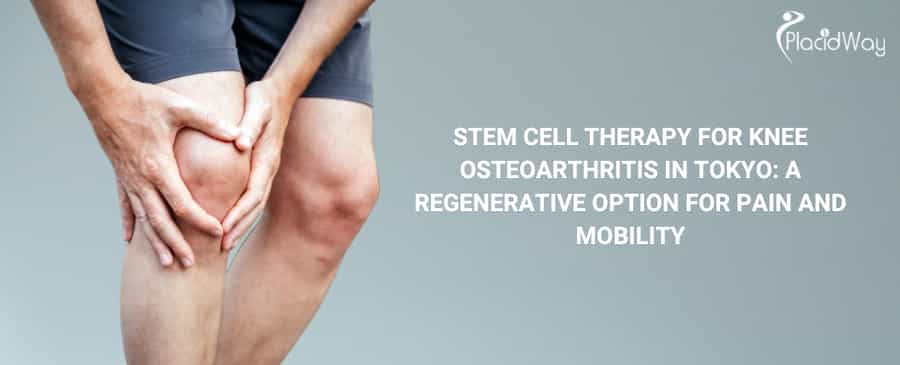
Knee osteoarthritis is a debilitating condition that affects millions of individuals worldwide, often leading to chronic pain and significant loss of mobility. As the global medical community shifts toward more biological solutions, stem cell therapy for knee osteoarthritis in Tokyo has emerged as a premier regenerative option for international patients seeking alternatives to invasive total knee replacements. Japan's capital city stands at the forefront of this medical revolution, blending ancient culture with cutting-edge biotechnological advancements.
For those navigating the complexities of joint degradation, the decision to travel abroad for care is significant. Tokyo offers a unique ecosystem where rigorous regulatory frameworks ensure patient safety while allowing for innovative treatments that may not be widely available elsewhere. This introductory guide explores how regenerative medicine in Japan is transforming the landscape of orthopedic care for patients globally.
Why Choose Tokyo for Regenerative Knee Treatments?
Tokyo is globally recognized as a powerhouse of biomedical research, particularly in the field of stem cell technology. The city’s healthcare infrastructure is built on a foundation of precision and excellence, making orthopedic stem cell therapy in Japan a top choice for discerning medical tourists. Patients are drawn to the combination of Japanese medical meticulousness and the early adoption of induced pluripotent stem cell (iPSC) technology, which originated in Japan.
Beyond the technical prowess, the Japanese medical culture emphasizes holistic recovery and patient-centric care. International clinics in Tokyo are designed to handle complex cases, offering multi-lingual support and streamlined processes that cater to those traveling from overseas. The choice of Tokyo for medical tourism isn't just about the procedure; it's about accessing a standard of care that prioritizes long-term joint health and minimal disruption to the patient's lifestyle.
Benefits of Stem Cell Procedures for Joint Pain
The primary goal of stem cell therapy for knee pain is to address the underlying inflammation and tissue degradation associated with osteoarthritis. Unlike traditional corticosteroids that merely mask pain, stem cells have the potential to modulate the immune response within the joint capsule. This can lead to a reduction in systemic inflammation, allowing for a more natural healing environment that supports the preservation of existing cartilage.
Patients typically experience improved joint lubrication and a noticeable increase in range of motion following the procedure. Because the treatment is minimally invasive knee therapy, the risks associated with general anesthesia, major incisions, and lengthy hospital stays are significantly reduced. This allows patients to maintain their independence and return to their daily routines much faster than traditional surgical interventions would allow.
Case Summary: Improved Mobility
A 62-year-old active hiker from Australia sought stem cell therapy in Tokyo after being told he needed a knee replacement. Six months post-injection, he reported a 70% reduction in pain and has successfully returned to light trail walking without the need for daily anti-inflammatories.
Affordable Stem Cell Therapy Cost in Tokyo
While Japan is a high-tech nation, the stem cell therapy cost in Tokyo remains competitive when compared to the United States and several European countries. The cost-efficiency is often a result of the standardized medical protocols and the high volume of regenerative procedures performed annually. Patients find that even when factoring in travel expenses, the total investment is often lower than the out-of-pocket costs for similar high-end biological treatments in their home countries.
It is important for patients to understand that pricing varies based on the source of the cells—such as adipose-derived or bone marrow-derived—and the sophistication of the laboratory culturing process. Below is a realistic comparison of average market rates to help you budget for affordable knee treatment in Japan.
| Procedure Name | Average Cost in Tokyo (USD) | Average Cost in USA/UK (USD) |
|---|---|---|
| Adipose-Derived Stem Cells (ASC) | $8,500 – $14,000 | $15,000 – $25,000 |
| Bone Marrow Concentrate (BMAC) | $7,000 – $12,000 | $12,000 – $22,000 |
| PRP Therapy (as an adjunct) | $600 – $1,200 | $1,000 – $2,500 |
The Process of Regenerative Therapy for Knee Health
The journey of autologous stem cell therapy in Tokyo typically begins with a thorough diagnostic phase, including MRI imaging and physical assessments. Once cleared for treatment, the patient undergoes a cell harvesting procedure, usually a mini-liposuction or a bone marrow aspiration. This process is performed under local anesthesia to ensure comfort while the valuable regenerative cells are collected from the patient's own body.
After collection, the cells are processed in a highly controlled laboratory environment (Cell Processing Center or CPC). In Tokyo, these facilities must adhere to the Good Gene and Cell Therapy Manufacturing Practice (GCTP) standards. The final concentrated "cell cocktail" is then precisely injected into the knee joint, often guided by ultrasound or fluoroscopy to ensure the cells reach the exact area of degradation.
Who is a Candidate for Knee Stem Cell Therapy?
Not every patient with knee pain is a suitable candidate for stem cell therapy. Generally, individuals with Grade 1 to Grade 3 osteoarthritis (mild to moderate) see the most profound results. These are patients who still have some viable cartilage remaining within the joint. Patients who have reached Grade 4 "bone-on-bone" status may still find relief from inflammation, but expectations must be managed regarding the potential for cartilage regrowth.
Ideal candidates are those who are in relatively good health, are non-smokers (as nicotine can impair cell function), and have realistic expectations about the outcomes. During your consultation for knee regeneration in Japan, specialists will also review your medical history to ensure there are no contraindications such as active infections or certain blood-borne conditions that might interfere with the therapy.
Success Rates and Stat Highlights for Joint Regeneration
Data regarding the efficacy of stem cell therapy for knees continues to grow as more clinical trials are completed. While results are individual, high-level clinical evidence generally suggests that over 70% of patients experience a significant reduction in pain scores within six months. Furthermore, many patients report a reduction in their dependence on pain medications, which improves their overall liver and kidney health over time.
Tokyo’s clinical data often mirrors global findings but adds a layer of precision through advanced imaging techniques. Success is typically measured through the WOMAC (Western Ontario and McMaster Universities Osteoarthritis Index) scale, which evaluates pain, stiffness, and physical function. Monitoring these regenerative medicine success rates helps both doctors and patients track progress throughout the healing journey.
Navigating Medical Tourism in Tokyo for International Patients
Embarking on medical tourism in Tokyo is often a seamless experience due to Japan’s world-class transportation and hospitality systems. Most clinics are located in accessible districts like Minato, Shinjuku, or Shibuya, surrounded by high-quality accommodation and healthy dining options. The city is safe, exceptionally clean, and increasingly English-friendly, making it an ideal destination for those traveling solo or with family.
International patients should plan for a stay of at least 7 to 10 days. This allows for the initial consultation, the harvesting and processing phase, the injection itself, and a follow-up observation period. Leveraging the infrastructure of Japanese healthcare, many facilities offer concierge services that can help bridge the cultural gap, ensuring that the only thing you need to focus on is your recovery.
Case Summary: Seamless International Care
A patient from Canada chose Tokyo for adipose stem cell therapy. She noted that the clinic provided an English translator for every step, and the precision of the Japanese staff made her feel extremely confident in the safety of the laboratory protocols.
Safety Standards and Regulations in Japan’s Bio-Medicine
One of the strongest arguments for choosing stem cell therapy in Japan is the country's stringent regulatory environment. The Pharmaceuticals and Medical Devices Agency (PMDA) works closely with the Ministry of Health, Labour and Welfare to ensure that every cell processing center is audited and licensed. This prevents the "wild west" atmosphere found in some other medical tourism destinations where regulations might be lax.
Safety is further enhanced by the use of autologous stem cells, which are harvested from your own body. This drastically reduces the risk of allergic reactions or rejection, as the body recognizes the biological material as its own. When you undergo safe stem cell treatment in Tokyo, you are benefiting from a system designed to protect the patient through rigorous scientific validation and ethical oversight.
Preparing for Your Stem Cell Journey in Japan
Preparation is key to a successful medical trip to Tokyo. Patients are generally advised to gather all recent medical imaging (X-rays and MRIs) in digital format to share with Tokyo specialists during the pre-screening phase. It is also wise to consult with your local GP about any medications you are taking, particularly blood thinners or anti-inflammatories, which may need to be paused a few days before the cell harvesting.
Optimizing your health before arrival can also impact the quality of your cells. Maintaining a nutrient-dense diet, staying hydrated, and reducing alcohol consumption in the weeks leading up to the procedure can improve the viability of the harvested stem cells. Understanding the logistics of knee treatment in Japan helps reduce stress, ensuring your body is in the best possible state to receive and utilize the regenerative cells.
Recovery and Aftercare Following Knee Stem Cell Injections
The recovery after knee stem cell therapy is generally smooth and manageable. Immediately following the injection, some localized swelling and soreness are normal; this is often a sign that the body is initiating a healing response. Most patients are able to walk out of the clinic the same day, though excessive walking or high-impact activity is discouraged for the first 48 to 72 hours to allow the cells to settle.
Post-procedure care in Tokyo often includes a customized physical therapy plan. While you may only stay in Japan for a week, your clinic will typically provide a detailed exercise protocol to share with your physical therapist back home. Consistent, low-impact movement—such as swimming or stationary cycling—is often recommended to promote joint health and mobility during the critical 3-to-6-month window when the cells are most active.
Case Summary: Gradual but Significant Change
A 55-year-old former athlete from the UK underwent bone marrow stem cell therapy in Shinjuku. While he felt little change in the first month, by month four, he was able to navigate stairs without holding onto the railing for the first time in three years.
Comparing Stem Cell Therapy with Traditional Knee Surgery
When weighing stem cell therapy vs. total knee replacement, the biggest factors are risk and recovery. Surgery involves removing the joint surfaces and replacing them with metal and plastic, a process that is irreversible and carries risks of infection, blood clots, and long-term mechanical failure. Stem cell therapy, conversely, is a biological intervention that aims to repair or protect your natural joint, keeping all surgical options on the table for the future if ever needed.
Furthermore, the downtime for surgery can be months of intensive rehab, whereas the regenerative option for knee pain usually sees patients back to light work within days. While surgery is sometimes necessary for end-stage degeneration, stem cell therapy offers a middle-ground solution that bridges the gap between simple pain management and major orthopedic surgery, potentially delaying the need for a prosthesis by several years.
Case Summary: Delaying Surgery
A 70-year-old patient from the US used stem cell therapy in Tokyo to buy time. He was not ready for the risks of surgery due to a heart condition. Two years later, he remains active and has successfully avoided the operating table.
How PlacidWay Assists Your Stem Cell Therapy Medical Tourism Journey in Tokyo
Navigating international healthcare can be daunting, but you don't have to do it alone. PlacidWay serves as a vital bridge between global patients and top-tier medical providers in Tokyo. Our goal is to empower you with information and streamline the administrative hurdles of seeking advanced orthopedic care abroad.
- Providing comprehensive profiles and verification of specialized stem cell clinics in Tokyo.
- Facilitating direct communication between you and the medical specialists for pre-travel consultations.
- Helping you obtain detailed and transparent cost estimates for knee stem cell procedures tailored to your specific needs.
- Assisting with the collection and transfer of medical records to ensure the Tokyo team has all the necessary diagnostic data.
- Offering guidance on the different types of regenerative treatments available to help you make an informed decision.
- Supplying resources and information regarding the local medical tourism infrastructure in Japan.
- Supporting your journey with a dedicated focus on patient safety, quality of care, and ethical medical practices.
Frequently Asked Questions About Stem Cell Therapy in Tokyo
Is stem cell therapy for knee osteoarthritis safe in Tokyo?
Yes, Tokyo follows strict safety protocols regulated by the PMDA and the Act on the Safety of Regenerative Medicine. Patients typically find high standards of clinical hygiene and professional oversight.
How long does the procedure take?
The injection process generally takes 30 to 60 minutes, though the entire process including harvesting cells and preparation may require several hours or separate appointments.
Do I need a medical visa for treatment in Japan?
Most international patients can enter on a standard tourist visa for short-term treatments, but those requiring longer stays should consult the Japanese embassy regarding a "Visa for Medical Stay."
What is the success rate of knee stem cell therapy?
While results vary, most patients experience significant pain reduction and improved mobility within 3 to 6 months post-treatment, provided they follow rehabilitation protocols.
Is there a long recovery period?
Recovery is typically much faster than surgery; most patients return to light activities within a few days, though high-impact sports should be avoided for several weeks.
Can stem cell therapy cure osteoarthritis?
There is currently no absolute cure for osteoarthritis, but stem cell therapy is designed to manage symptoms and potentially slow the progression of joint degeneration.
How much does the treatment cost in Tokyo compared to the US?
Stem cell therapy in Tokyo is generally 30% to 50% more affordable than in the United States, depending on the cell type and laboratory processing required.
What type of stem cells are used for knee joints?
Most clinics in Tokyo utilize autologous mesenchymal stem cells (MSCs) derived from either the patient’s own adipose tissue (fat) or bone marrow.
Are there language barriers for international patients?
Many top-tier clinics in Tokyo catering to medical tourists provide English-speaking staff or professional translation services to ensure clear communication during the process.
Can I travel home immediately after the injection?
It is generally recommended to wait 48 to 72 hours before taking a long-haul flight to monitor for any immediate adverse reactions and allow initial inflammation to subside.
References?
- Wikipedia. Stem-cell therapy. https://en.wikipedia.org/wiki/Stem-cell_therapy
- The Lancet. Osteoarthritis. https://www.thelancet.com/journals/lancet/article/PIIS0140-6736(24)02322-5/abstract
- World Health Organization. Musculoskeletal health. https://www.who.int/news-room/fact-sheets/detail/musculoskeletal-conditions
.png)




.png)


.png)

-(6).png)








Share this listing