
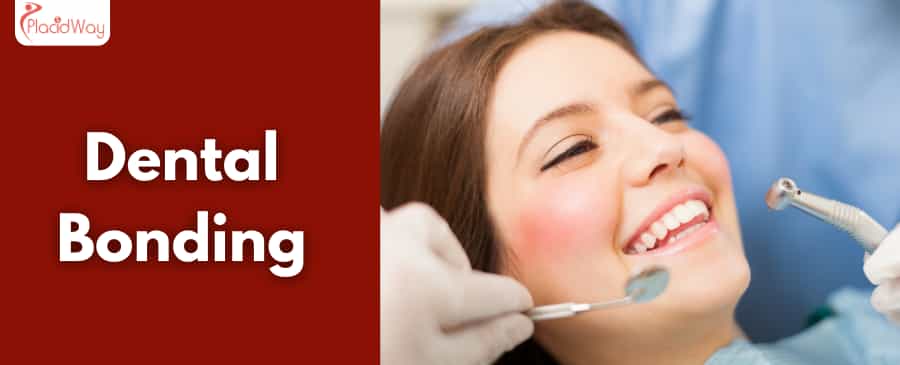
Revitalize Your Smile: The Power of Dental Bonding Abroad
Your smile is one of your most valuable assets, a gateway to confidence and positive first impressions. Yet, minor imperfections like small chips, bothersome gaps, or persistent discoloration can often make us self-conscious. If you've been dreaming of a brighter, more uniform smile without the extensive commitment of veneers or crowns, then dental bonding might be the perfect solution you've been searching for.
Dental bonding is a simple, effective, and minimally invasive cosmetic procedure designed to correct these minor aesthetic flaws using a durable, tooth-colored resin material. It’s a remarkable way to sculpt and reshape your teeth, blending seamlessly with your natural smile to create a harmonious and appealing look. Many patients find it to be an ideal first step into cosmetic dentistry, offering significant improvements with a relatively quick and pain-free application.
But what if achieving this dream smile could also come with substantial savings and the opportunity for a memorable travel experience? This is where dental bonding abroad enters the picture. Medical tourism has opened doors for individuals seeking high-quality dental care at a fraction of the cost found in their home countries. Countries renowned for their dental expertise offer cutting-edge facilities and experienced dentists, making procedures like dental bonding not just affordable, but an attractive option for a wider global audience.
In this comprehensive guide, we'll dive deep into everything you need to know about dental bonding, from how it works and what it can fix to the many advantages of pursuing this treatment as a medical tourist. Whether you're curious about the procedure itself, eligibility, aftercare, or the logistics of getting dental bonding overseas, we've got you covered. Prepare to unlock the potential of a transformed smile and a rejuvenating travel journey.
What Exactly is Dental Bonding and How Does It Work?
At its core, dental bonding is a relatively straightforward procedure that utilizes a specialized, pliable composite resin. This resin, made from a plastic material, is carefully color-matched to your existing teeth, ensuring a seamless and natural appearance once applied. Think of it like a dental sculptor’s putty; the dentist has the artistic freedom to shape and mold it to correct imperfections and enhance the tooth's aesthetics.
The process begins with a light etching of your tooth's surface to help the bonding material adhere securely. A conditioning liquid is then applied. Next, the composite resin is placed onto the tooth, where the dentist meticulously molds and smooths it to achieve the desired shape and contour. Once the perfect form is achieved, a high-intensity curing light is used to harden the resin in mere seconds. The final steps involve trimming, shaping, and polishing the bonded tooth until it matches the luster of your natural teeth, leaving you with a beautifully restored smile.
What Cosmetic Issues Can Dental Bonding Effectively Fix?
Dental bonding is a popular choice due to its versatility in addressing a variety of minor to moderate cosmetic dental concerns. It’s often recommended as a less invasive alternative to veneers or crowns for specific issues. Here are the primary problems dental bonding can resolve:
- Repair Chipped or Cracked Teeth: One of the most common applications, bonding can seamlessly fill in small chips or cover minor cracks, restoring the tooth’s original shape and integrity.
- Close Small Gaps Between Teeth: If you have minor spaces or diastemas between your teeth, bonding can be strategically applied to widen the teeth slightly, thereby closing these gaps for a more uniform smile.
- Mask Discoloration: While professional teeth whitening is ideal for overall brightening, bonding can cover stubborn stains that don't respond to whitening treatments, especially on individual teeth.
- Change the Shape of Teeth: Bonding can be used to reshape misshapen or uneven teeth, making them appear longer, wider, or more symmetrical to match the adjacent teeth.
- Protect Exposed Tooth Roots: If gum recession has exposed tooth roots, bonding can cover these sensitive areas, reducing discomfort and protecting against further damage.
- Alternative to Amalgam Fillings: Bonding material can also be used as an aesthetic alternative to silver amalgam fillings, especially for cavities in visible areas, providing a natural-looking restoration.
For example, imagine you accidentally chip a front tooth. Instead of needing a crown that requires significant tooth reduction, dental bonding can carefully rebuild the chipped portion, often in a single visit, making the repair virtually undetectable.
Who Makes a Good Candidate for Dental Bonding?
Determining your eligibility for dental bonding is crucial before proceeding with the treatment. Generally, ideal candidates are individuals with relatively healthy teeth and gums who are looking to correct minor to moderate cosmetic imperfections. This means your teeth should be free of extensive decay, and your gums should be in good health, without signs of active periodontal disease.
Bonding is particularly suitable for patients seeking a cost-effective and conservative approach to smile enhancement. If you have significant structural damage, extensive decay, severe misalignment, or require major bite correction, your dentist might recommend more comprehensive treatments like veneers, crowns, or orthodontics. A detailed consultation with a qualified dentist will help determine if dental bonding is the right solution for your specific needs and aesthetic goals.
How Long Does Dental Bonding Last, and What's the Aftercare?
The longevity of dental bonding can vary, but generally, you can expect your bonded teeth to last anywhere from 5 to 10 years, sometimes even longer, with diligent care. Factors influencing its lifespan include your biting habits, oral hygiene, and whether you tend to grind or clench your teeth. While the composite resin is durable, it's not as strong as your natural tooth enamel or porcelain restorations like crowns.
To maximize the lifespan of your dental bonding and keep your smile looking its best, specific aftercare practices are essential:
- Avoid Hard Foods and Objects: Steer clear of biting down on hard candies, ice, nuts, or using your teeth to open packages, as this can chip the bonding material.
- Limit Staining Agents: Coffee, tea, red wine, and tobacco can stain the composite resin over time. Minimize consumption or rinse your mouth after use. Unlike natural teeth, bonding material cannot be whitened.
- Maintain Excellent Oral Hygiene: Brush twice daily with a non-abrasive toothpaste and floss daily to prevent plaque buildup and maintain gum health around the bonded teeth.
- Regular Dental Check-ups: Schedule routine check-ups and cleanings with your dentist. They can inspect the bonding, identify any issues early, and perform professional cleanings without damaging the resin.
- Address Teeth Grinding: If you clench or grind your teeth (bruxism), your dentist might recommend a night guard to protect your bonding from excessive wear and tear.
By following these guidelines, you can ensure your bonded smile remains beautiful and functional for many years to come.
What are the Steps Involved in a Dental Bonding Procedure?
The beauty of dental bonding lies not only in its results but also in its simplicity and efficiency. Most bonding procedures can be completed in a single dental visit, typically lasting between 30 minutes to an hour per tooth, depending on the complexity of the case. Here's a step-by-step breakdown:
- Shade Selection: The dentist will use a shade guide to select a composite resin color that closely matches your natural tooth enamel. This ensures the repair blends in seamlessly.
- Tooth Preparation: Unlike veneers or crowns, very little (if any) of your natural tooth structure needs to be removed. The dentist will lightly abrade or etch the tooth surface, creating tiny grooves that help the bonding material adhere.
- Conditioning Liquid Application: A thin layer of a conditioning liquid is then applied to the etched surface. This liquid further helps the resin bond securely to the tooth.
- Resin Application: The tooth-colored composite resin, which has a putty-like consistency, is then applied to the tooth.
- Sculpting and Shaping: This is where the dentist's artistry comes into play. They carefully mold and shape the resin to correct the imperfection and create the desired aesthetic outcome, ensuring it looks natural and integrates with your bite.
- Curing: Once the resin is perfectly shaped, a special high-intensity curing light (often blue light) is directed at the material. This light rapidly hardens and cures the composite resin, bonding it firmly to the tooth structure.
- Trimming, Shaping, and Polishing: After the resin has hardened, the dentist will further trim, shape, and polish the material. This final step removes any excess, refines the contours, and gives the bonded tooth a smooth, natural-looking finish that matches the luster of your other teeth.
Generally, anesthesia is not required for bonding unless it's being used to fill a cavity, making it a comfortable experience for most patients.
Why Consider Dental Bonding Abroad? Top Benefits of Medical Tourism.
The decision to seek dental bonding abroad is driven by a compelling combination of factors that extend beyond just the procedure itself. Medical tourism has transformed healthcare access, making quality treatments available and attractive to a global audience. For dental bonding, the benefits are particularly pronounced:
- Significant Cost Savings: This is arguably the biggest draw. Patients can often save anywhere from 50% to 70% on dental bonding costs compared to prices in countries like the USA, Canada, or the UK, without compromising on quality.
- Access to High-Quality Care and Expertise: Many medical tourism destinations boast internationally accredited clinics with highly trained dentists who have extensive experience in cosmetic procedures. These clinics often utilize state-of-the-art technology and adhere to stringent international safety standards.
- Reduced Wait Times: In some countries, getting an appointment for cosmetic dental procedures can involve long waiting lists. Overseas clinics often offer immediate availability, allowing patients to schedule their treatment much sooner.
- Combine Treatment with a Vacation: Imagine getting your smile enhanced while also exploring vibrant cultures, relaxing on beautiful beaches, or visiting historical sites. Dental tourism offers the unique opportunity to turn a dental appointment into a refreshing getaway.
- Privacy and Anonymity: For some, undergoing cosmetic procedures away from home offers a sense of privacy.
For example, a patient from London looking to fix a few minor chips might find the combined cost of the procedure and a short flight to Turkey or Mexico still significantly less than the bonding cost alone in their home city, plus they get a travel experience.
Is Dental Bonding Overseas Safe and Reliable?
The safety and reliability of any medical procedure, especially when performed abroad, are paramount concerns. Fortunately, many international dental clinics specializing in medical tourism maintain incredibly high standards, often adhering to or exceeding Western protocols. These clinics understand that their reputation relies on patient safety and successful outcomes, making them diligent in their practices.
To ensure a safe and reliable experience, look for clinics with international accreditations (like JCI or ISO certifications), dentists with specialized training and certifications from reputable institutions, and robust patient testimonials or success stories. Reputable medical tourism facilitators like PlacidWay extensively vet clinics and doctors, providing an added layer of assurance. By doing your due diligence and choosing a well-established, transparent provider, you can confidently pursue dental bonding abroad.
How Does the Cost of Dental Bonding Compare Globally?
Cost is a major driver for patients considering dental bonding abroad. The price difference can be quite dramatic, primarily due to variations in labor costs, operational overheads, insurance structures, and material sourcing in different countries. While exact prices fluctuate based on clinic reputation, dentist experience, and the number of teeth being bonded, the general trend shows significant savings in popular medical tourism hubs.
Here's an illustrative cost comparison for a single tooth dental bonding procedure (prices are approximate and can vary):
| Country | Approximate Cost per Tooth (USD) | Typical Savings vs. USA |
|---|---|---|
| USA | $250 - $600 | N/A |
| Canada | $200 - $550 | 10-20% |
| UK | $200 - $500 | 10-25% |
| Mexico | $80 - $250 | 50-70% |
| Turkey | $70 - $200 | 60-75% |
| Thailand | $90 - $280 | 40-65% |
As you can see, the savings in countries like Mexico, Turkey, and Thailand are substantial, often making the overall trip, including flights and accommodation, still more economical than getting the procedure done locally in many Western countries.
What Should You Look For When Choosing an Overseas Clinic for Dental Bonding?
Choosing the right clinic abroad is paramount to a successful medical tourism experience. It's not just about finding the lowest price, but about ensuring quality, safety, and a good patient experience. Here's a checklist of what to look for:
- Accreditation and Certifications: Look for international accreditations like Joint Commission International (JCI) or ISO certifications. These indicate adherence to global standards of patient care and safety.
- Dentist Qualifications and Experience: Research the dentists' credentials. Are they board-certified? What is their specialization and experience in cosmetic dentistry and dental bonding specifically? Do they have international training or affiliations?
- Clinic Technology and Facilities: Ensure the clinic uses modern dental technology and maintains high standards of hygiene and sterilization. Up-to-date equipment often translates to better results.
- Patient Testimonials and Before/After Photos: Reviews from previous international patients and a portfolio of before-and-after photos can provide valuable insight into the clinic's quality of work and patient satisfaction.
- Transparent Pricing: The clinic should provide a clear, itemized quote with no hidden fees. Understand what is included (e.g., consultation, X-rays, follow-ups).
- Language Support: Confirm that the clinic has staff who can communicate effectively in your language to avoid misunderstandings.
- Post-Procedure Support: Inquire about follow-up care, remote consultations, or guarantees on their work.
Engaging with a reputable medical tourism facilitator like PlacidWay can significantly simplify this process, as they pre-vet clinics and offer personalized guidance.
What's the Process for Planning Your Dental Bonding Trip Abroad?
Planning a medical trip can seem daunting, but with the right resources, it’s a streamlined and manageable process. Here’s a typical outline:
- Initial Consultation & Information Gathering: Start by contacting a medical tourism facilitator (like PlacidWay) or directly reaching out to potential clinics. You'll usually need to provide details about your dental concerns, send recent X-rays, and photos of your teeth.
- Receive Treatment Plan & Quote: Based on your information, the dentist will propose a treatment plan, confirm your suitability for dental bonding, and provide a detailed cost estimate. This is your opportunity to ask all your questions.
- Travel Arrangements: Once you've approved the plan and selected a clinic, you’ll book your flights and accommodation. Many facilitators offer packages that include these or can assist with arrangements. Don't forget travel insurance.
- Arrival & Pre-Treatment Consultation: Upon arrival, you'll have an in-person consultation with your dentist, often including new X-rays and a thorough examination to finalize the treatment plan.
- The Dental Bonding Procedure: Undergo the bonding procedure as scheduled. As discussed, this is often a single-visit treatment.
- Post-Procedure Check-up & Recovery: Your dentist will likely schedule a follow-up visit to ensure everything is perfect. You'll receive aftercare instructions. Depending on your travel schedule, you'll have time to recover and enjoy your destination.
- Return Home & Aftercare: Continue to follow aftercare instructions and maintain good oral hygiene. Most clinics offer remote follow-up if needed.
Using a facilitator can greatly simplify steps 1-3, providing peace of mind and handling many of the logistical details for you.
Are There Any Risks or Downsides to Dental Bonding?
While dental bonding is a fantastic solution for many, it's important to be aware of its potential limitations and downsides. No dental procedure is without some considerations, and understanding these can help you make an informed decision and manage expectations.
- Durability: The composite resin used in bonding is strong, but it is not as robust as natural tooth enamel or other restorations like porcelain veneers or crowns. This means bonded teeth can be more susceptible to chipping, cracking, or breaking, especially if you bite on hard objects or have habits like nail-biting.
- Staining: Unlike natural tooth enamel, which can be whitened, the bonding material is porous and can absorb stains from foods, drinks (like coffee, tea, red wine), and tobacco. Once stained, the bonded area cannot be whitened with traditional teeth whitening treatments, meaning replacement might be necessary to restore its original color.
- Limited Scope: Dental bonding is best suited for minor cosmetic imperfections. For more significant issues like severely broken teeth, extensive discoloration, major gaps, or substantial structural damage, other treatments like veneers or crowns might be more appropriate and offer a longer-lasting solution.
- Not Permanent: As mentioned, bonding typically lasts 5-10 years. It will eventually need to be repaired or replaced, which is a less permanent solution compared to, for example, a crown which can last 15+ years.
It's crucial to discuss these points with your dentist to ensure dental bonding aligns with your long-term aesthetic and functional goals.
How Can Dental Bonding Enhance Your Smile and Confidence?
The impact of a beautiful smile extends far beyond aesthetics; it's deeply intertwined with self-esteem, social interactions, and even professional opportunities. Dental bonding offers a remarkable pathway to unlocking this confidence. By subtly yet effectively correcting minor flaws, it can dramatically improve the overall harmony and appeal of your smile.
Imagine no longer feeling the need to hide a small chip when you laugh, or feeling self-conscious about a gap that’s always bothered you. Dental bonding provides a swift and often life-changing transformation, allowing you to smile freely, speak confidently, and engage with the world with renewed assurance. It’s a testament to how small, targeted cosmetic improvements can have a profound positive effect on one's entire demeanor and quality of life. For many, it's not just about fixing a tooth; it's about reclaiming their smile and, with it, a vital piece of their self-confidence.
Take the Next Step with PlacidWay
Ready to transform your smile with affordable, high-quality dental bonding? Your journey to a more confident you is just a click away. Explore top-rated international clinics, compare prices, and get a free, personalized quote for your dental bonding procedure with PlacidWay. Let us help you plan a seamless and smile-enhancing medical travel experience. Start your transformation today!
Dental Tourism | Cosmetic Dentistry | Implants | Root Canals | Dentures | Bridges | Orthodontics | Dental Holidays Abroad




.png)
.png)
.png)
.png)




.png)












Share this listing